Note that these photos were taken with a film camera so all images were scanned from slides or printed photos.
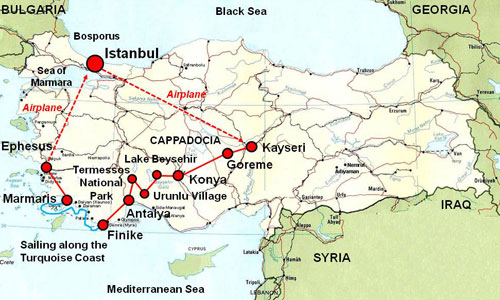
In the summer of 1994, a local mountaineering outfitter (Bivouac in Ann Arbor) advertised that they were putting together a small group for a hiking trip across Turkey. Given that we are always enthusiastic about traveling to exotic places, Peter and I signed up for this three-week trip. We departed the U.S. in early September and met ten other people in Istanbul after a short layover in Amsterdam. From Istanbul, we flew to Kayseri from where we began our journey through the Turkish countryside to the Mediterranean.
After visiting the Cappadocia region, we made our way to Konya and on to Antalya. Along the way, we stayed with a local family in a high mountain village for three days and spent major portions of each day hiking to various historical sites and through fantastic terrain. From Antalya we drove to Finike where we boarded a Turkish gulet which was our home for ten days as we explored the famed Turquoise Coast. At Marmaris we disembarked and drove to Ephesus before flying back to Istanbul.
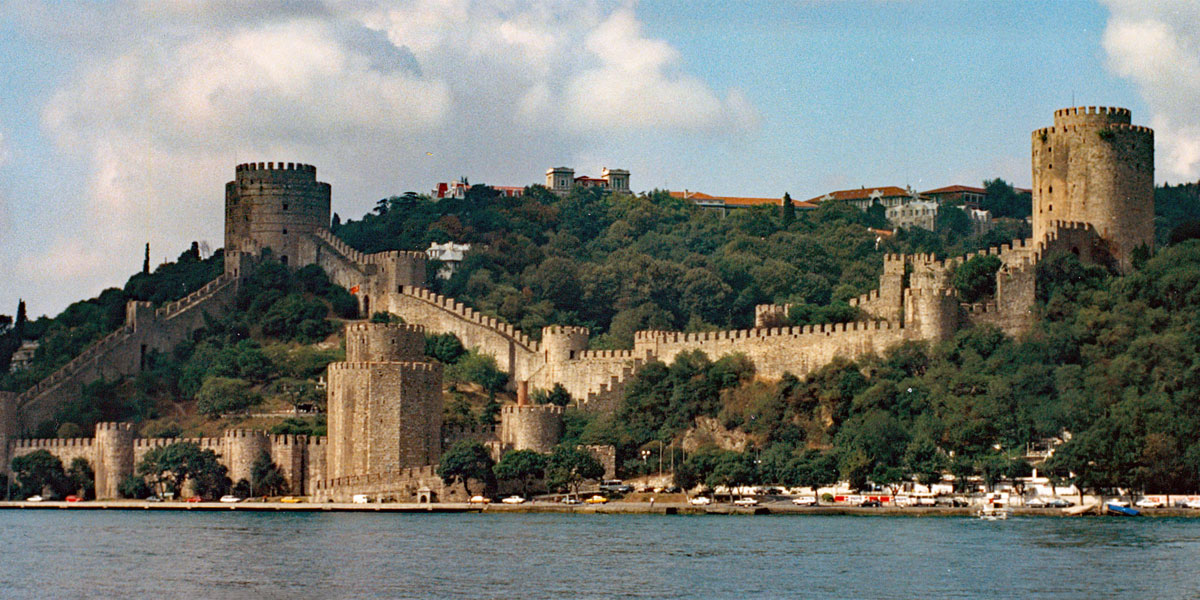
View of Istanbul from a ferry on the Bosphorus
At the time, I knew of very few other Americans who had visited Turkey although it was a frequent destination for Peter's relatives in Germany. One of his uncles even traveled across the entire county a year before with a camper hitched up to his Mercedes.
Efforts to modernize Turkey started during the 19th century. Following the Turkish Revolution at the end of World War I, reforms were initiated by Mustafa Kemal Ataturk — the revolutionary leader and the first president of the Republic of Turkey. Secularism and the establishment of women's rights were among the proudest achievements of the Republic. The first woman Prime Minister, Tansu ciller, was elected in 1993, just a year before our visit, and served until 1996.
Starting Out in Istanbul
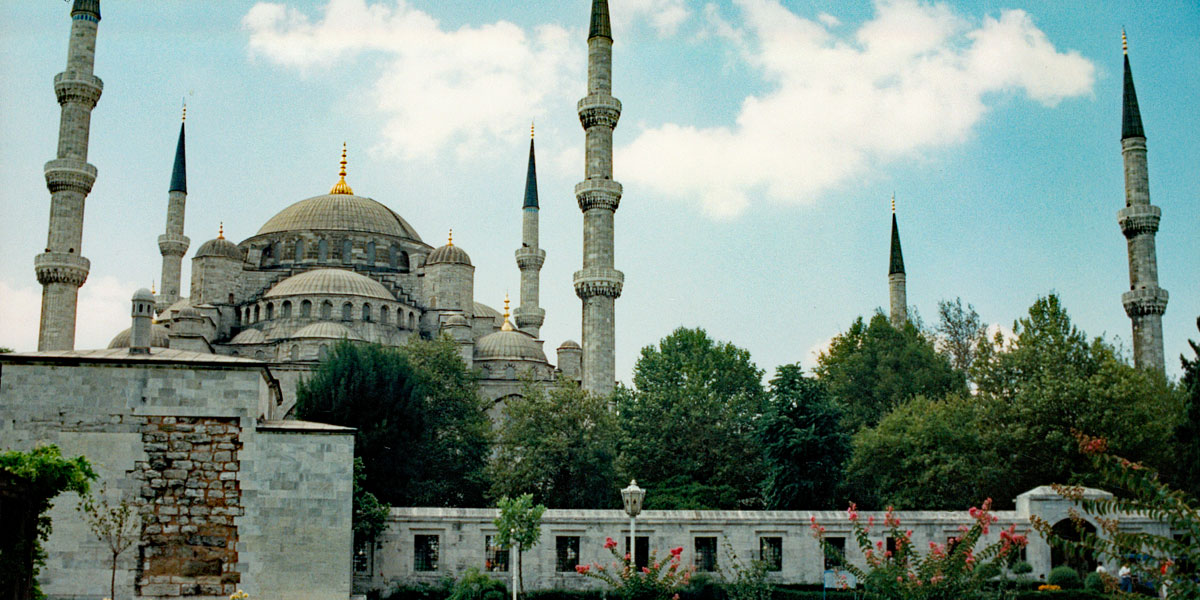
After checking into our hotel in the Old City of Istanbul, we started our tour of the city's fascinating mosques, monuments, and palaces. The various names of this impressive city have changed during the past two millennia — Constantinople, Byzantium, and Istanbul — reflecting the waves of successive civilizations which have left their cultural imprints. We first visited the famed Hagia Sophia. It was built in the sixth century under the direction of the Byzantine emperor Justinian I. With the Muslim conquest in 1453, it was then converted to an Ottoman mosque and subsequently declared a museum by Ataturk in 1935. It was the world's largest building and an engineering marvel in its time with its large dome. Next we visited the Sultan Ahmed Mosque — known as the Blue Mosque for the blue tiles adorning the walls of its interior.
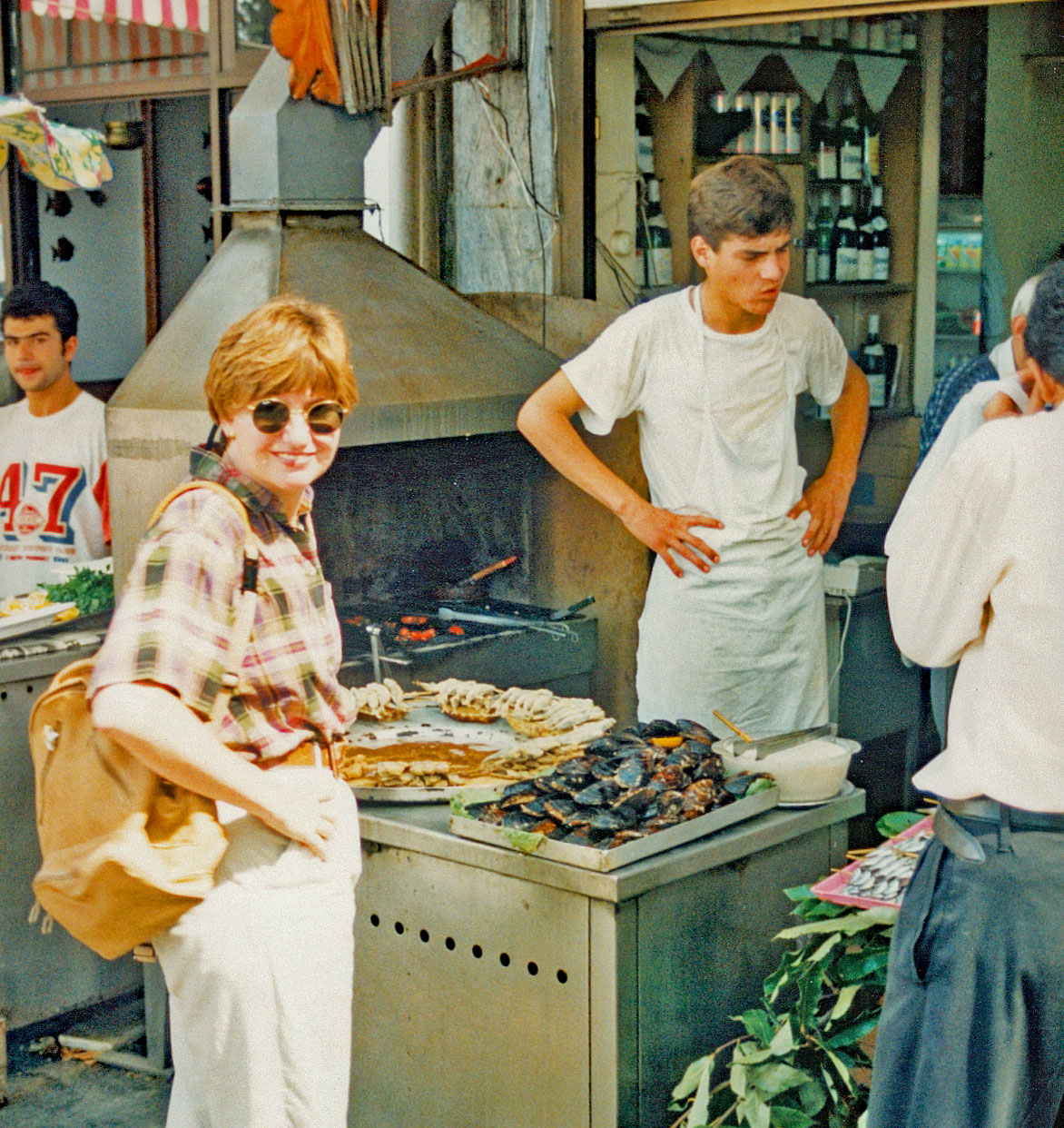
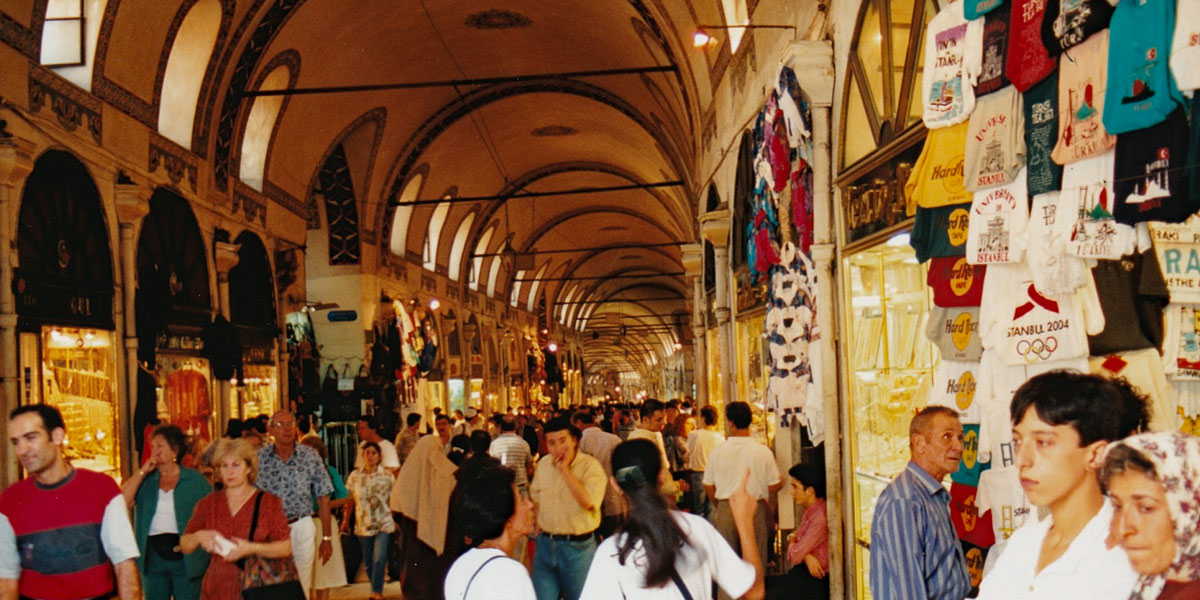
In the afternoon, Peter and I visited the Grand Bazaar which is one of the largest and oldest covered markets in the world — with 61 covered streets and over 4,000 shops. That evening, we took the local ferry to view the coastline along the Bosphorus and stopped at an open-air fish market for dinner.
1 / 8
View of the famous Aya Sofya
2 / 8
The Blue Mosque
3 / 8
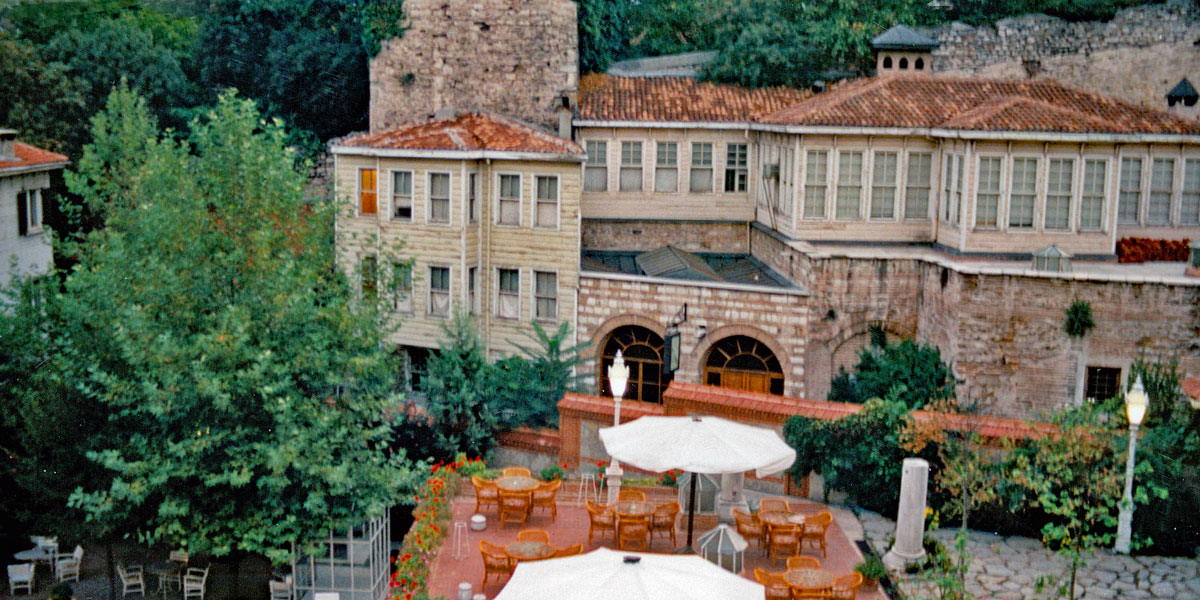
Our hotel in Istanbul — the Ayesofya Pansiyonlari in the Old City
4 / 7
Walking through the 500-year old Grand Bazaar
5 / 8
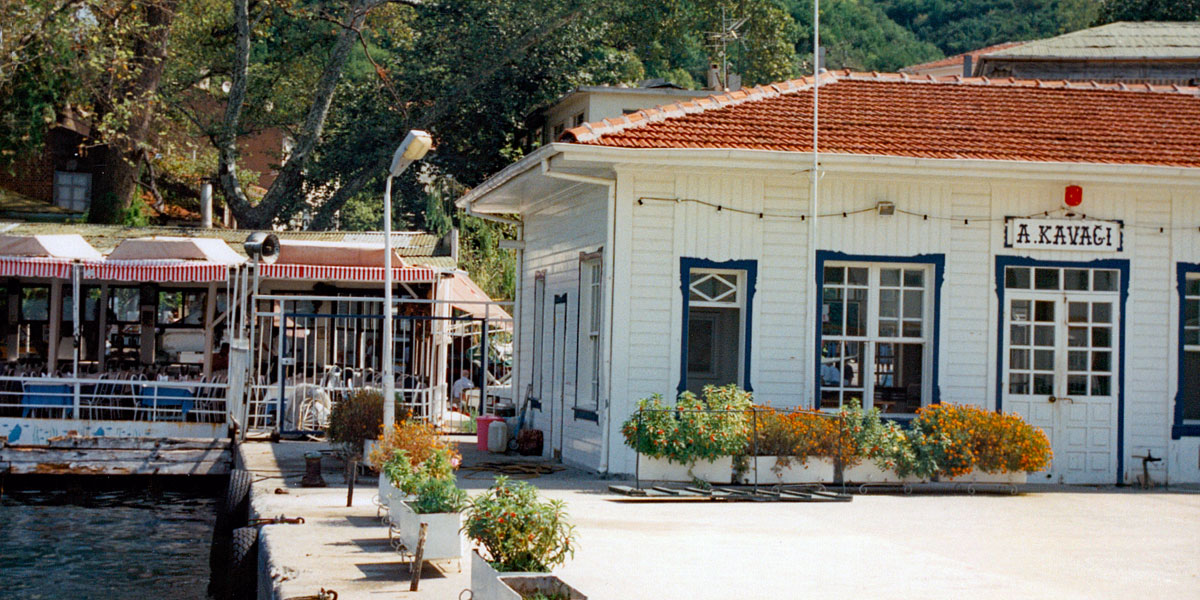
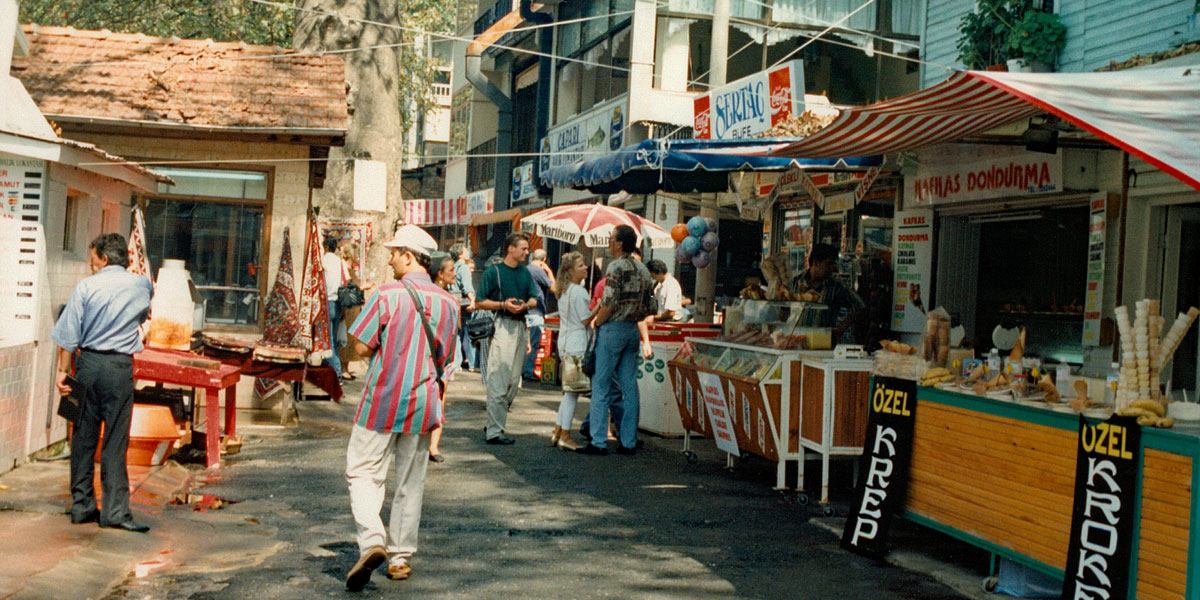
A ferry stop to visit a fishing town on the Bosphorus
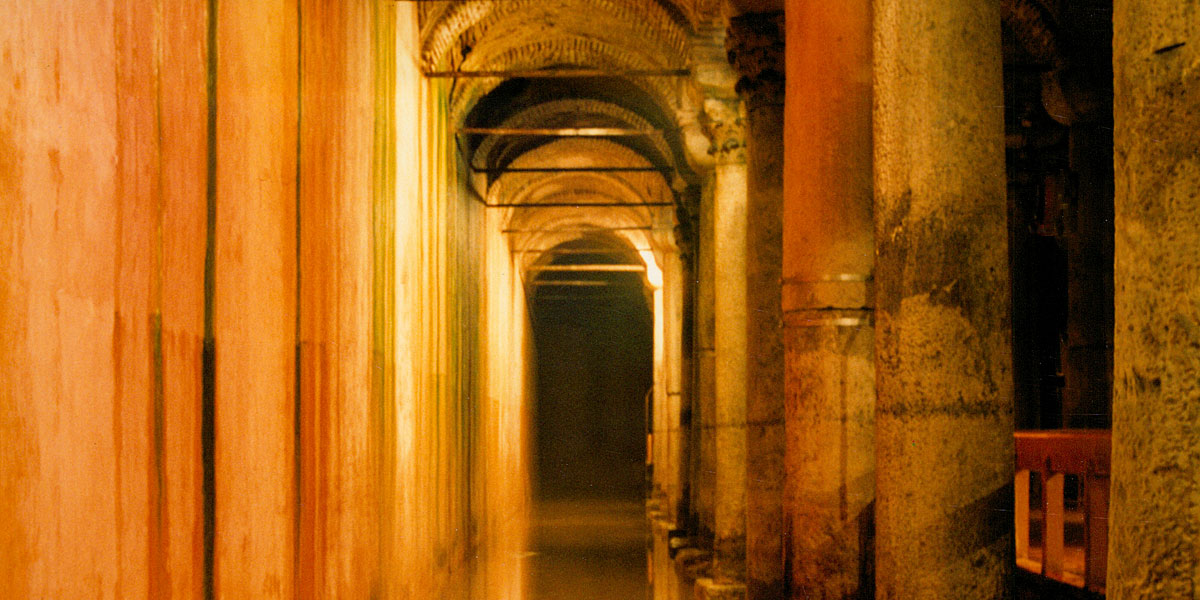
The next day we toured two more landmarks — the Basilica Cistern and the Topkapi Palace. The Basilica Cistern is the largest of several hundred ancient cisterns that lie beneath the city of Istanbul and the Topkapı Palace served as the main residence of the Ottoman sultans in the 15th and 16th centuries and is now a large museum complex.
The Basilica Cistern is the largest of the cisterns that lies beneath the city of Istanbul
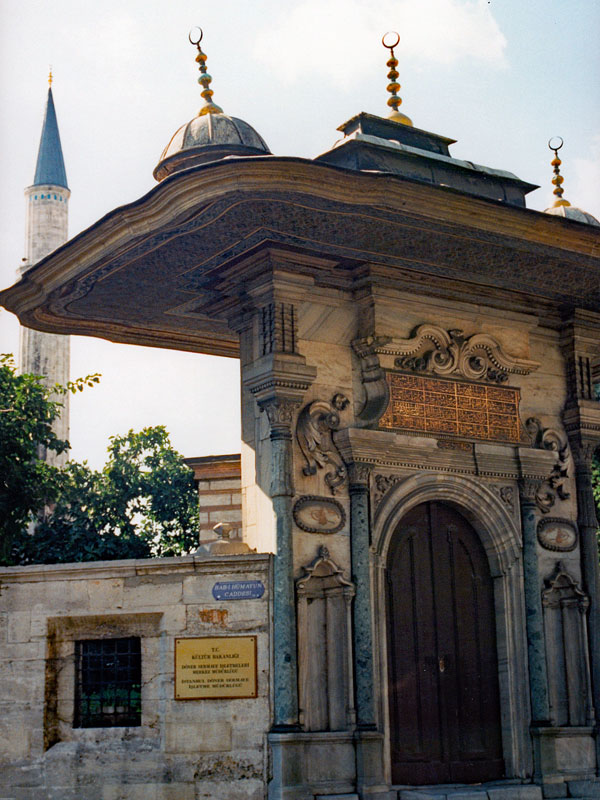
Entrance gate at the Topkapi Palace
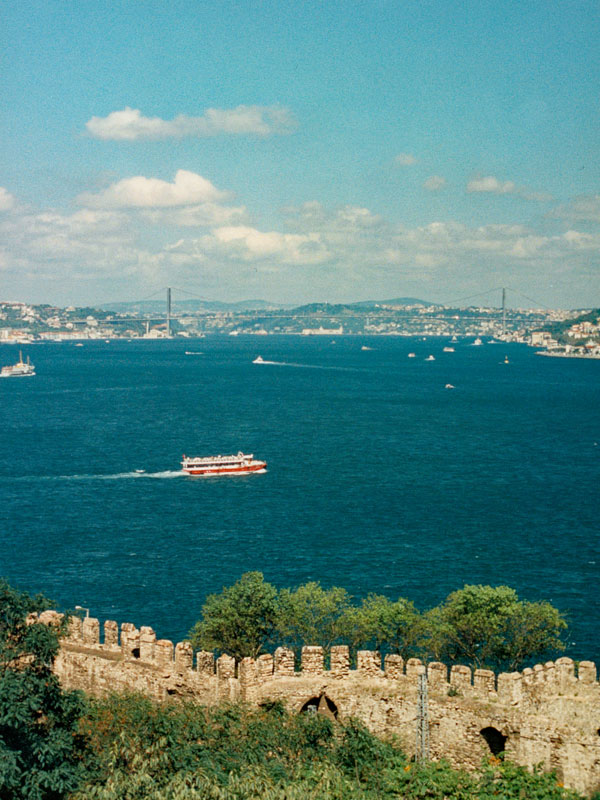
Looking north over the Bosphorus from the Topkapi Palace
Departing for Cappadocia
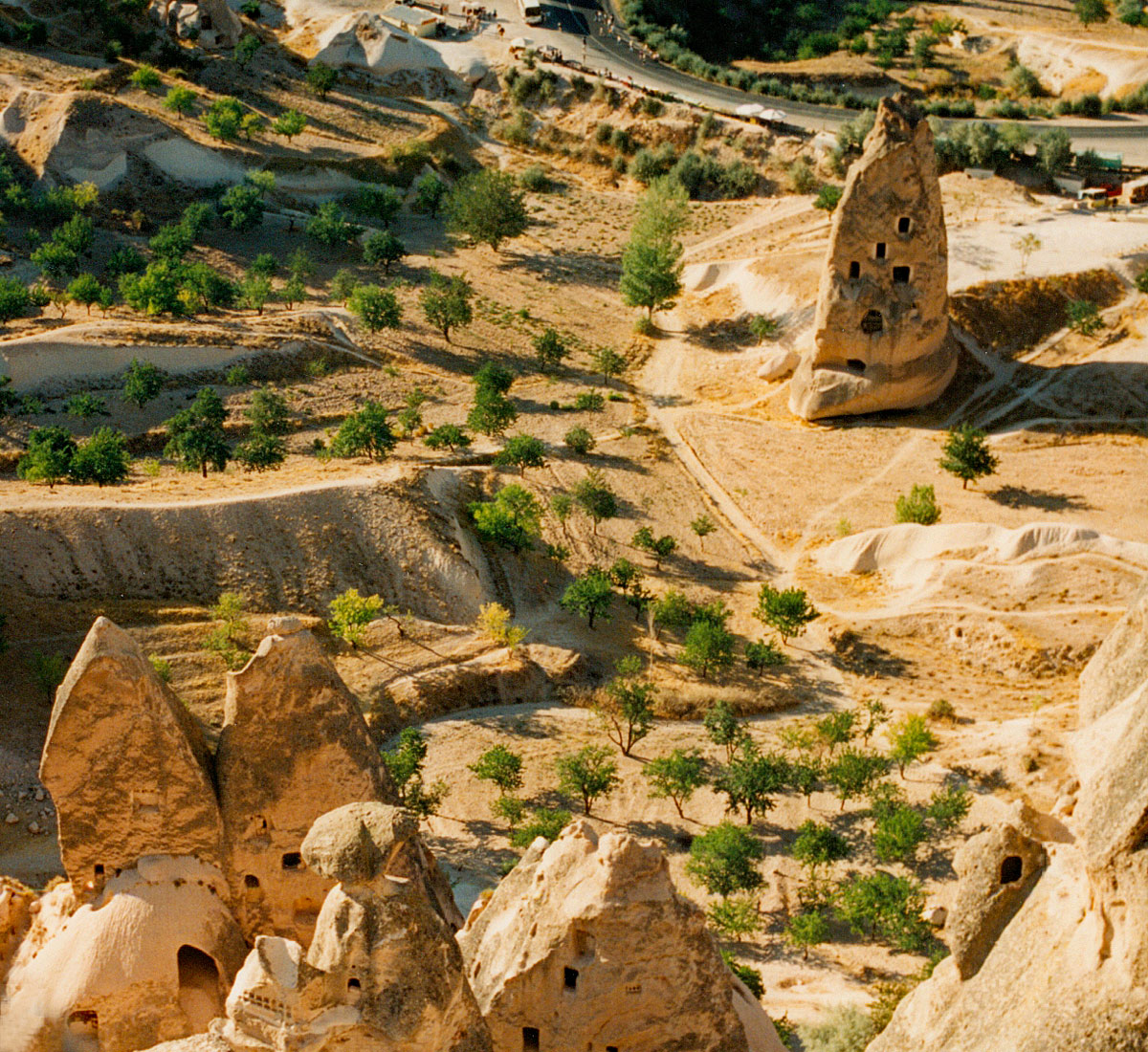
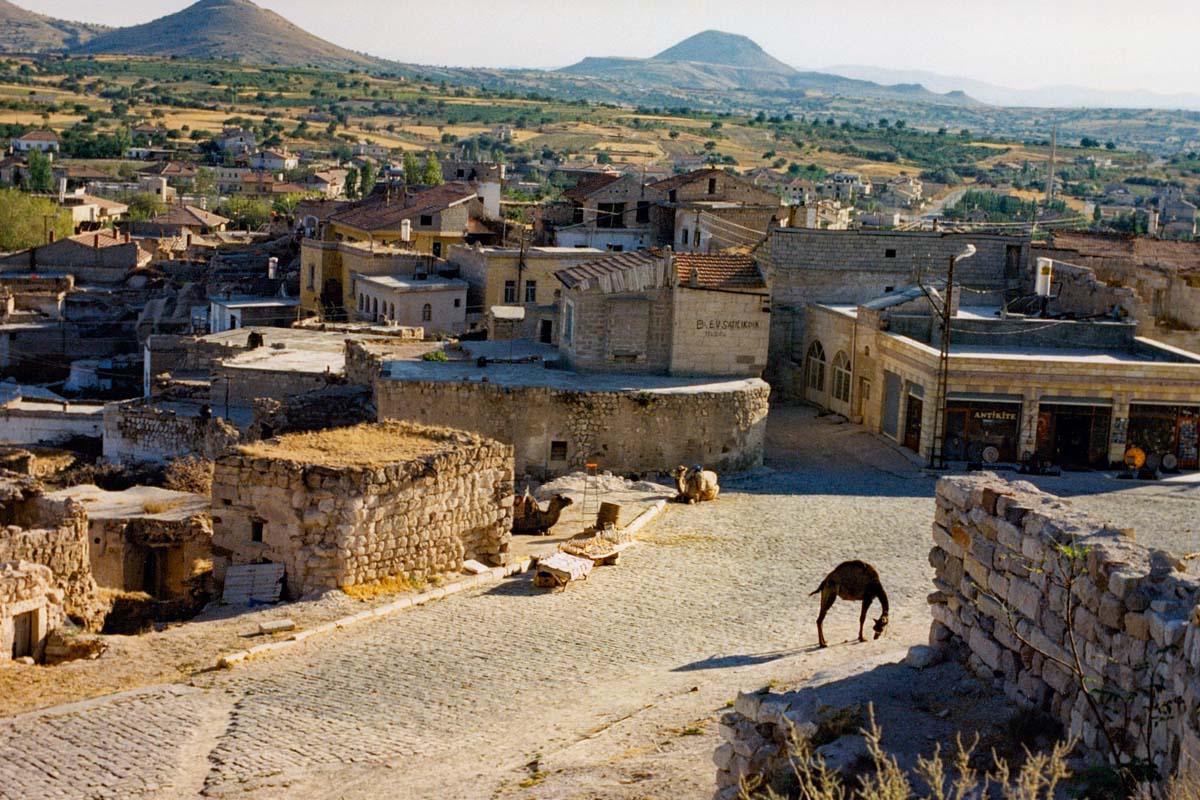
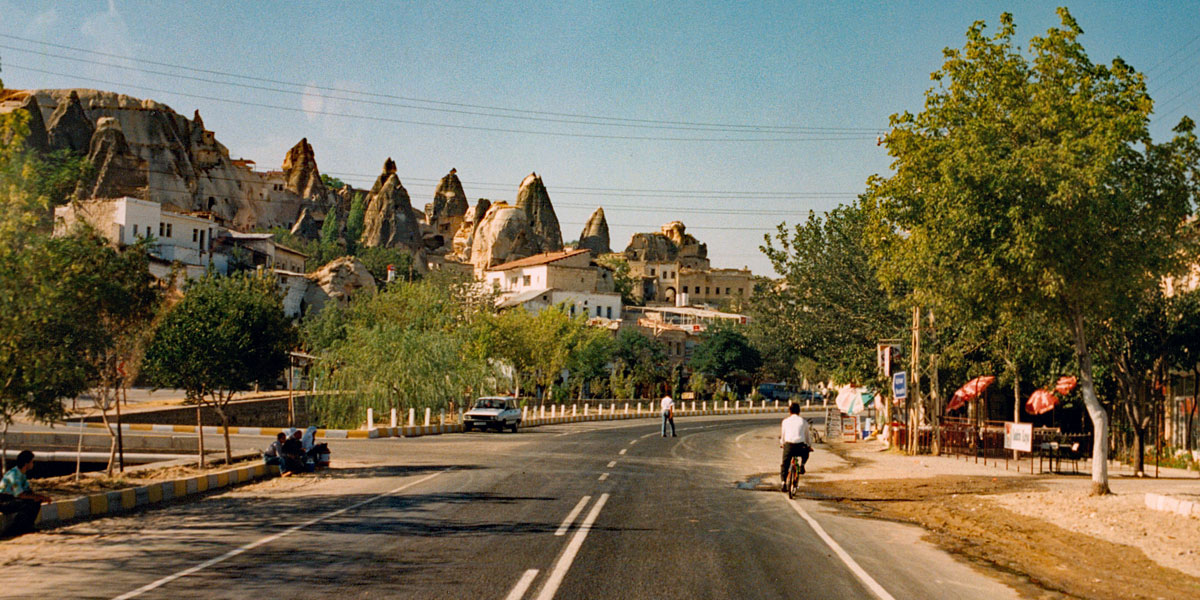
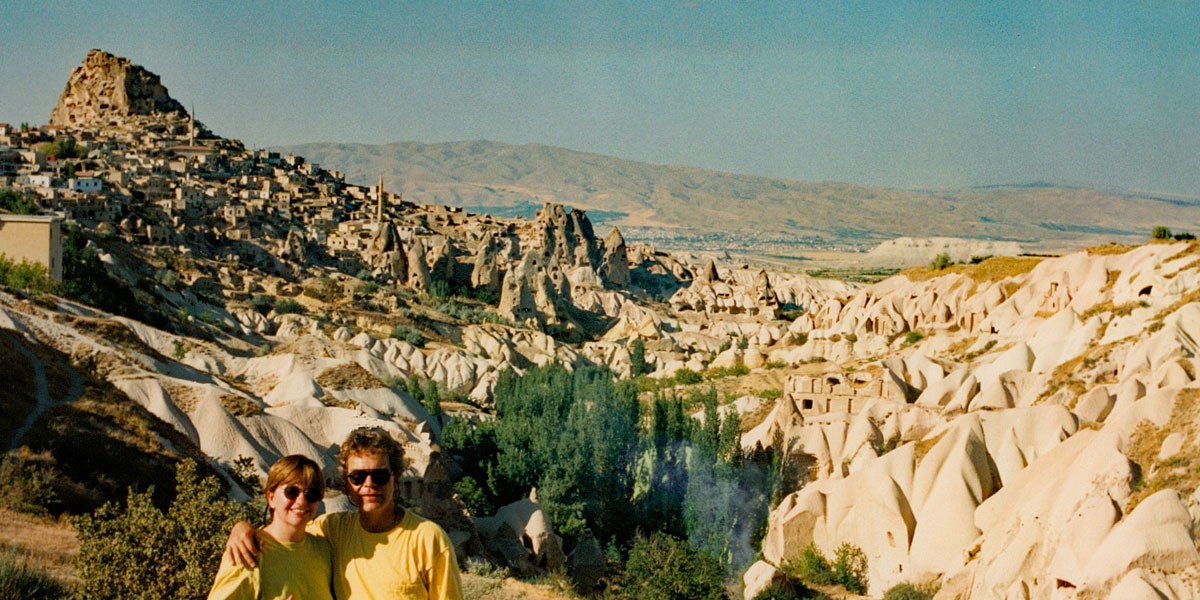
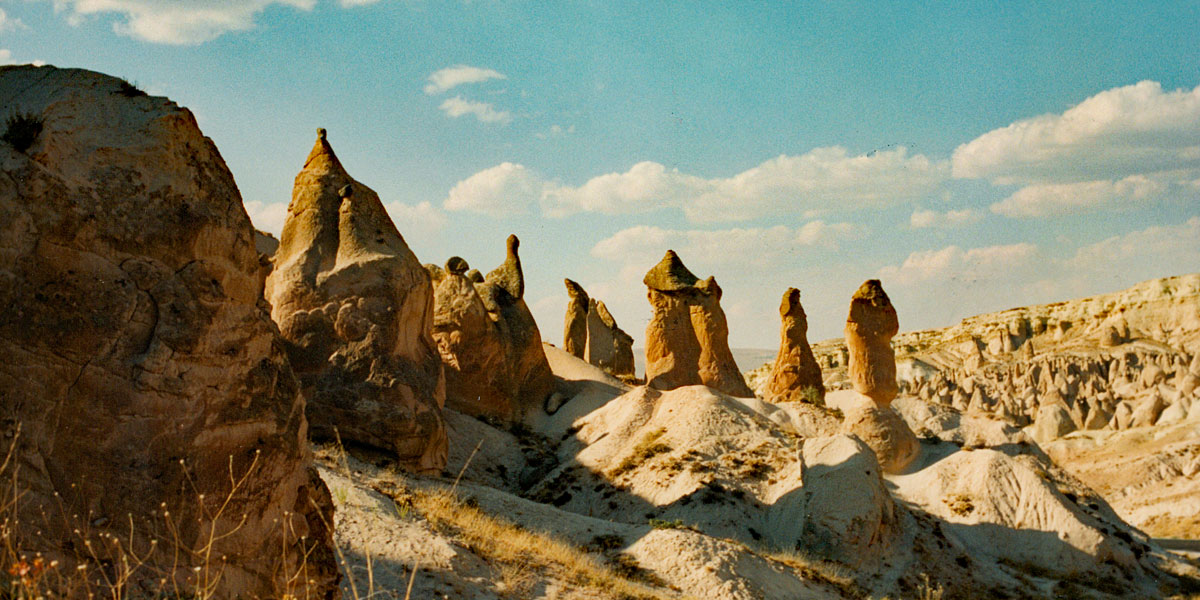
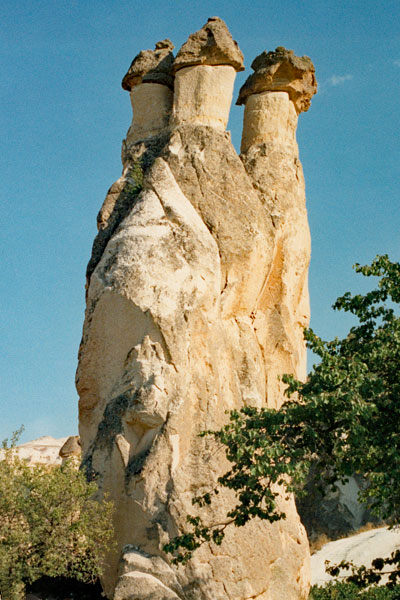
The next day we took and early morning flight to Kayseri from where we drove to the Cappadocia region. Starting a the village of Uchisar, we hiked through this region of fairy castles and fairy chimneys. Later in the day, we visited a local potter in Avanos. Pottery has been produced in the Avanos area for centuries and some of the techniques still used date back to Hittite times to 2000 BC.
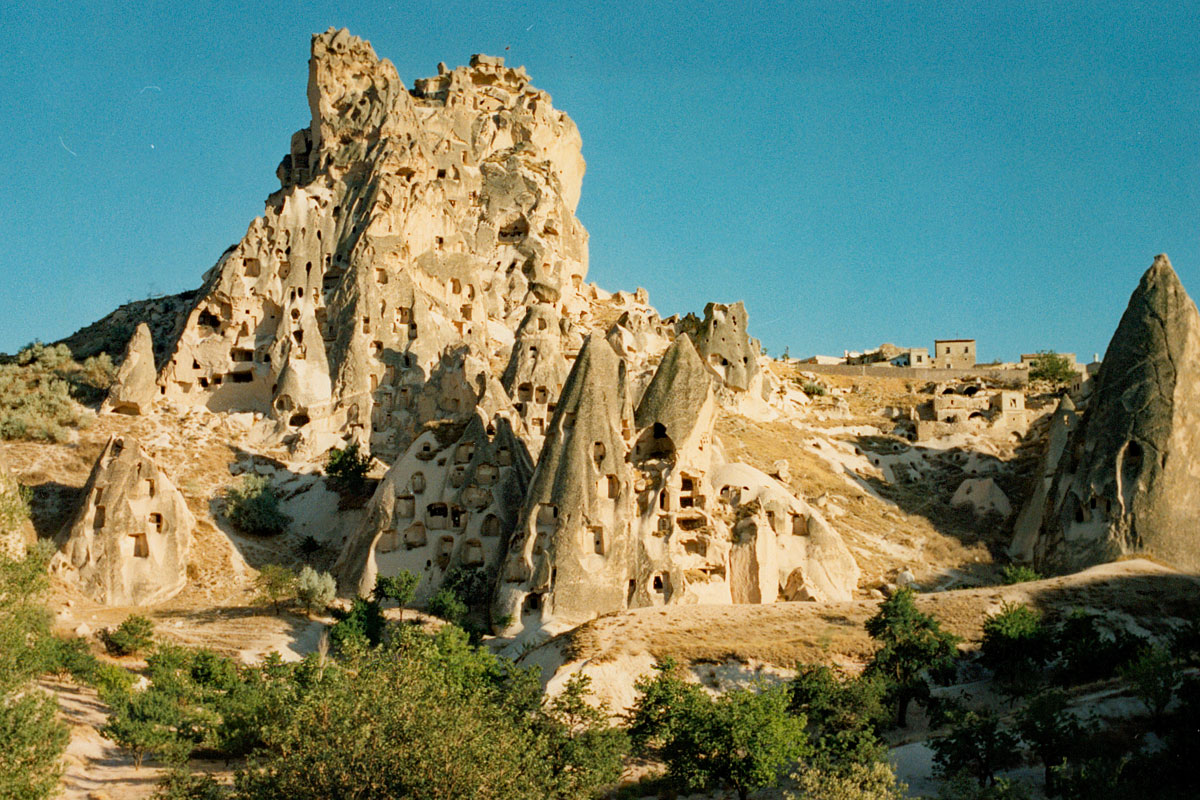
Overview of the fairy chimneys in Cappadocia
Goreme
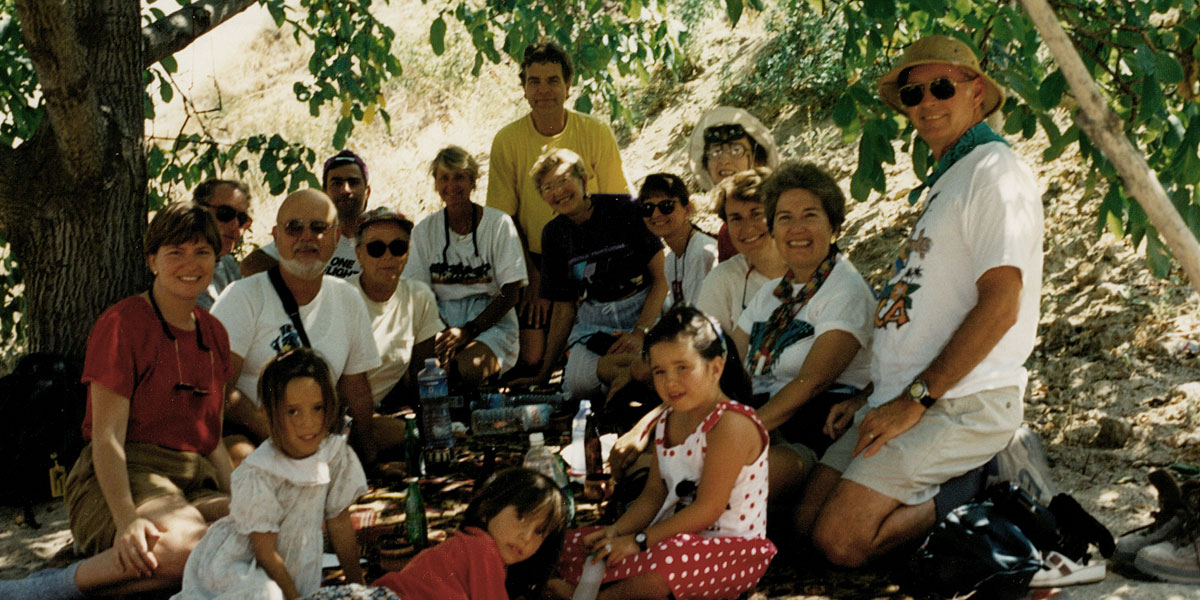
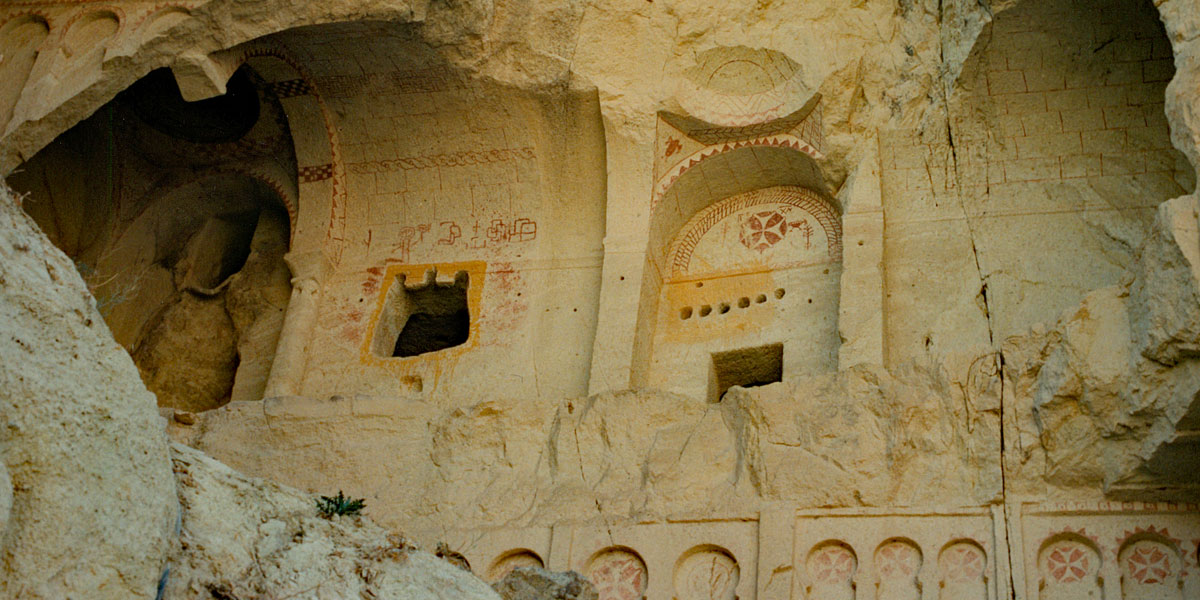
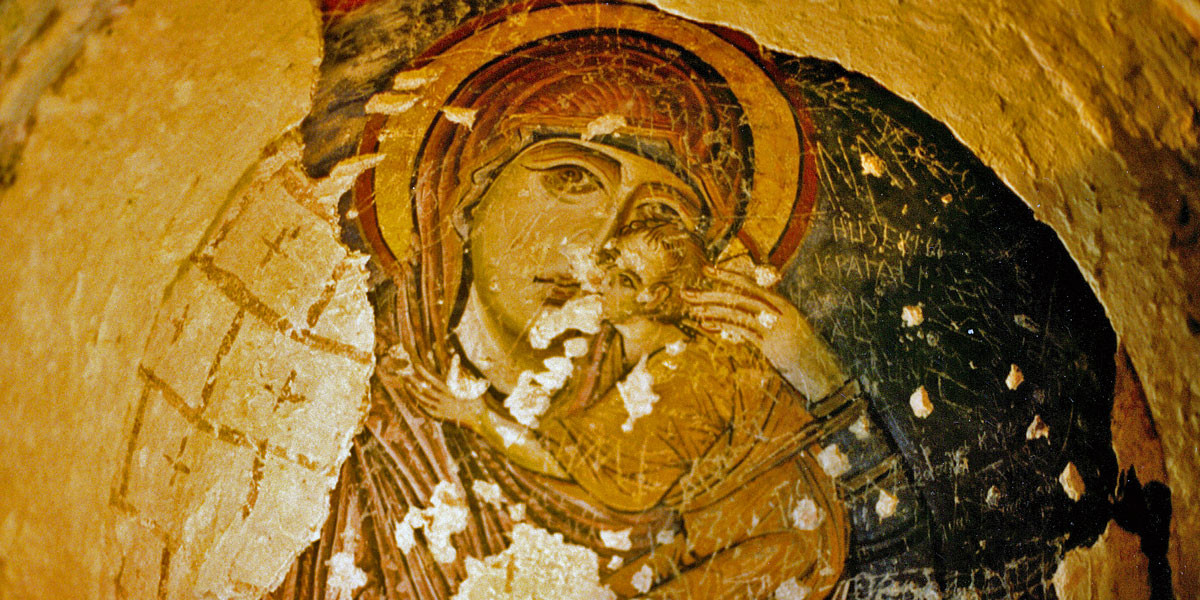
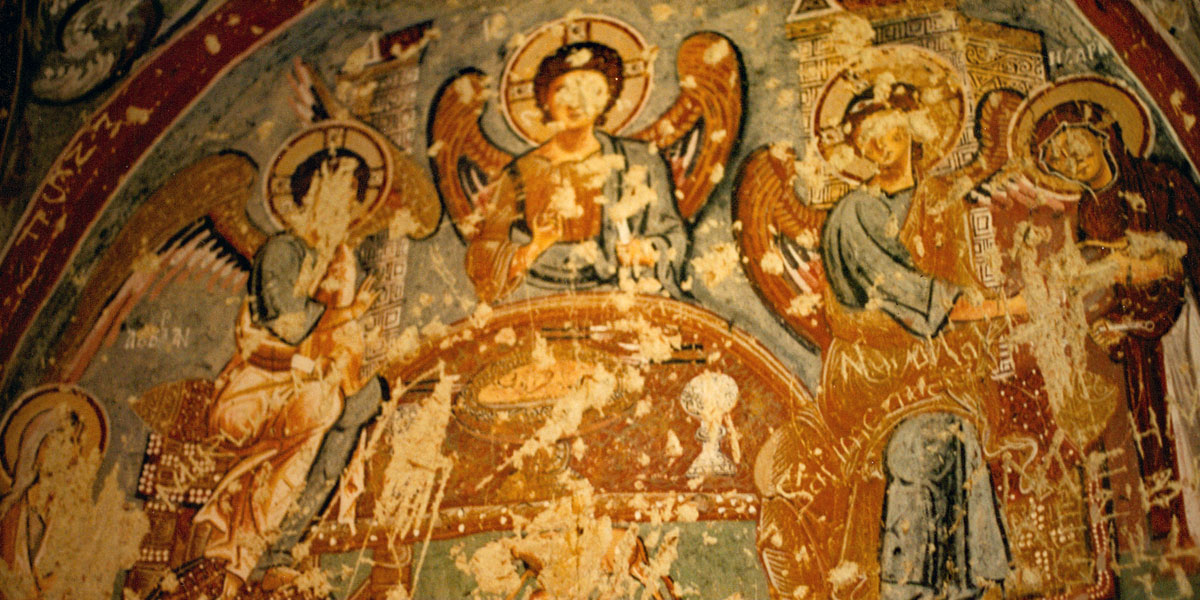
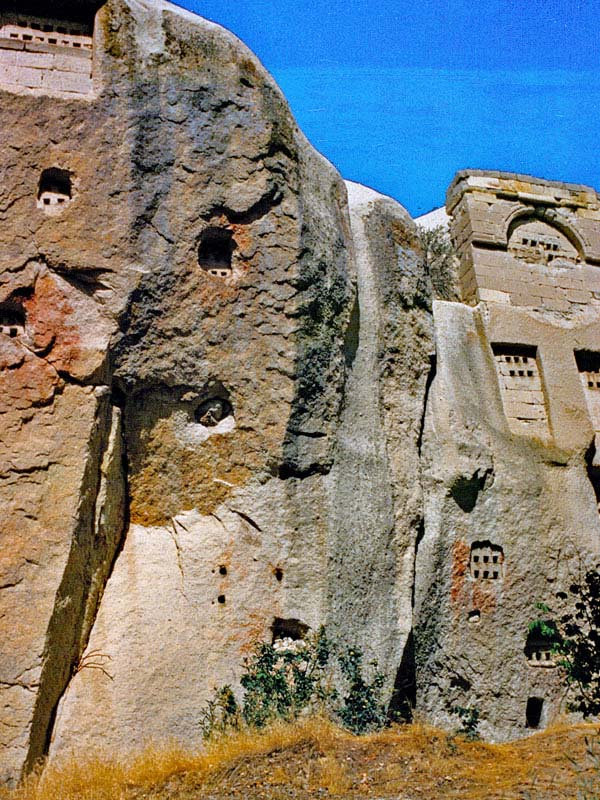
The following day, we visited the Goreme Open Air Monastery Museum — a UNESCO World Heritage Site that contains the remains of many cave dwellings and historic churches carved into the soft volcanic ash called tufa. We viewed several remaining frescoes while exploring the various structures. We took a long hike from the base of the Kodarek Deresi Canyon to Uchisar village and then on to Babayan village for a picnic lunch. After lunch, we hiked on to Ortahisar through tunnels, deep into valleys along natural stone pillars and hidden churches and caves. We had a lamb barbecue for dinner accompanied by folk music.
Beginning our hike in the village of Uchisar
1 / 11
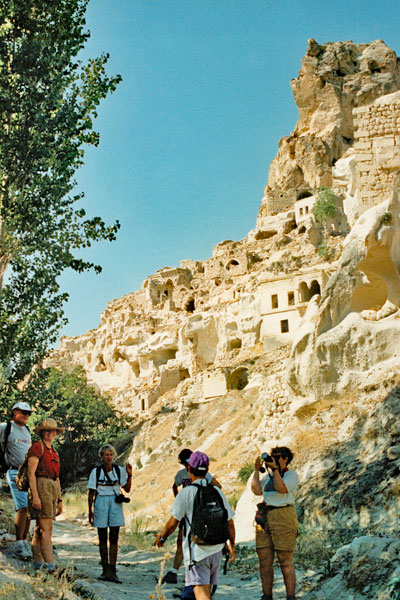
Approaching the fairy chimneys of Cappadocia
2 / 11
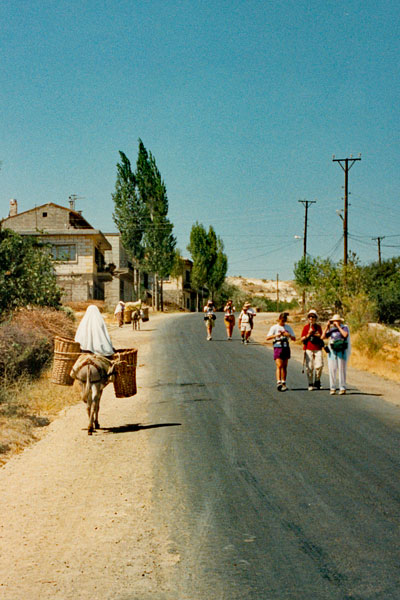
Hiking through Cappadocia
3 / 11
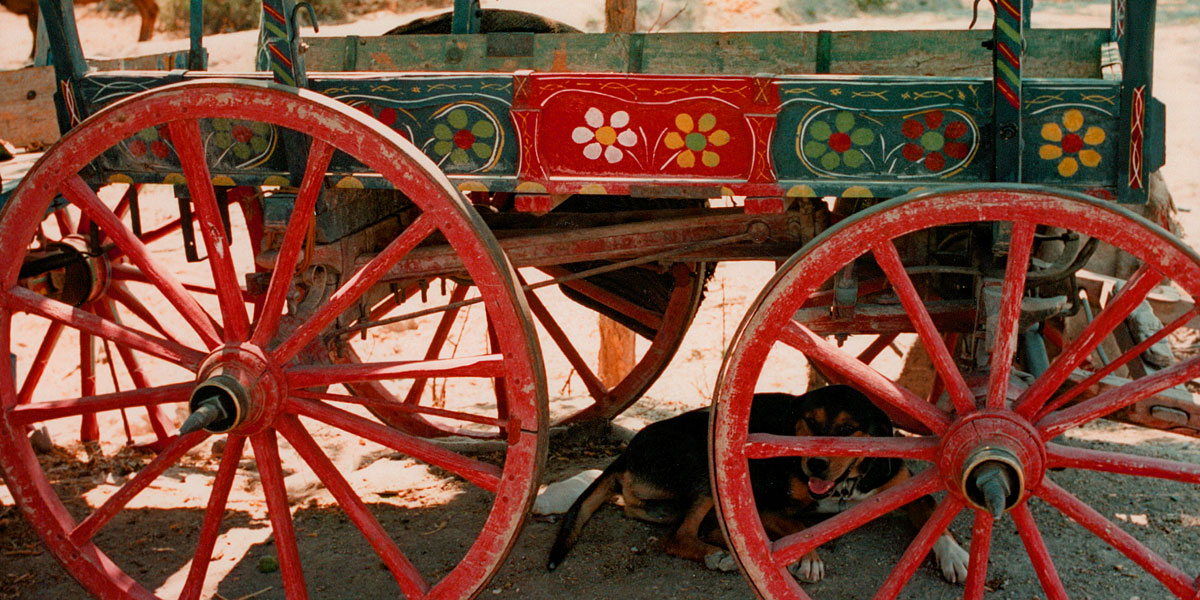
A cute dog taking a midday break under a colorful wagon
4 / 11
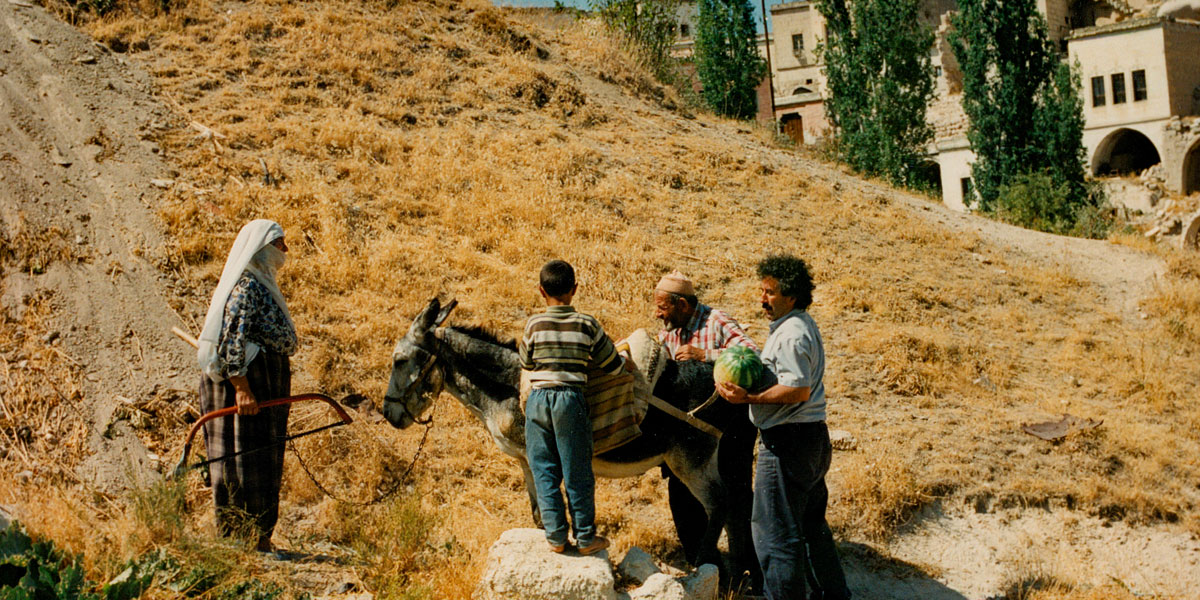
a local potter and his family —friends of our guide — prepare a picnic lunch for our group
5 / 11
Our group of 12 hikers get together for a picnic lunch in the shade
6 / 11
Church of the Virgin Mary at the Goreme Open Air Museum
7 / 11
Fresco of the Virgin Mary inside the Church of St. Mary carved into the mountainside
8 / 11
Another fresco in one of the churches at the Goreme Open Air Museum
9 / 11
Panoramic view of the fairy chimneys of Cappadocia
10 / 11
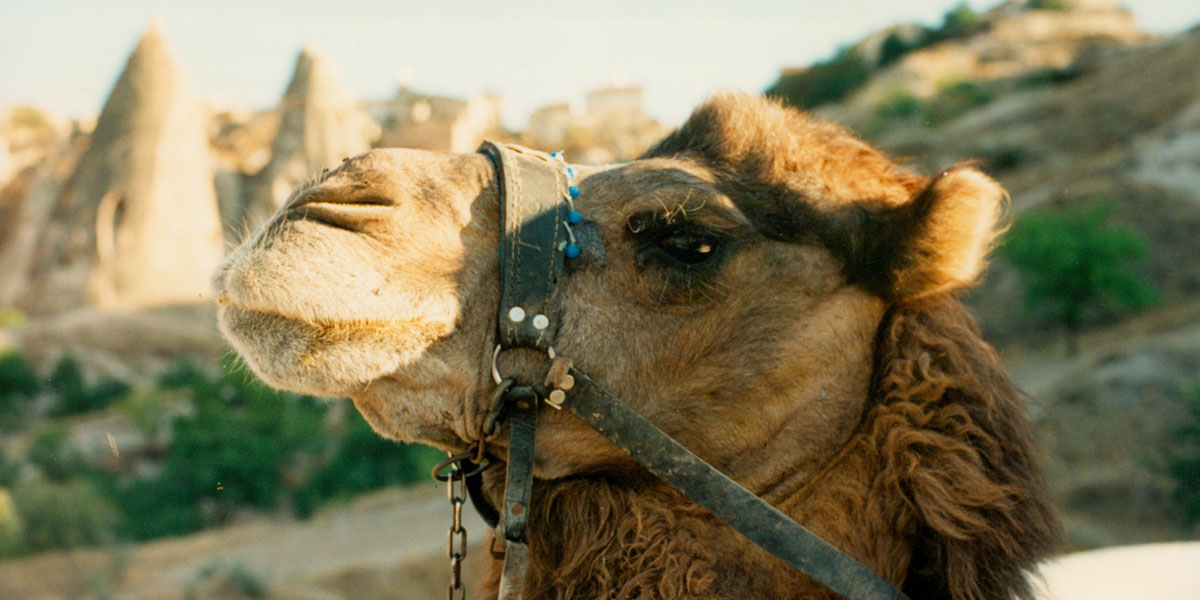
A friendly camel we met along the hike
11 / 11
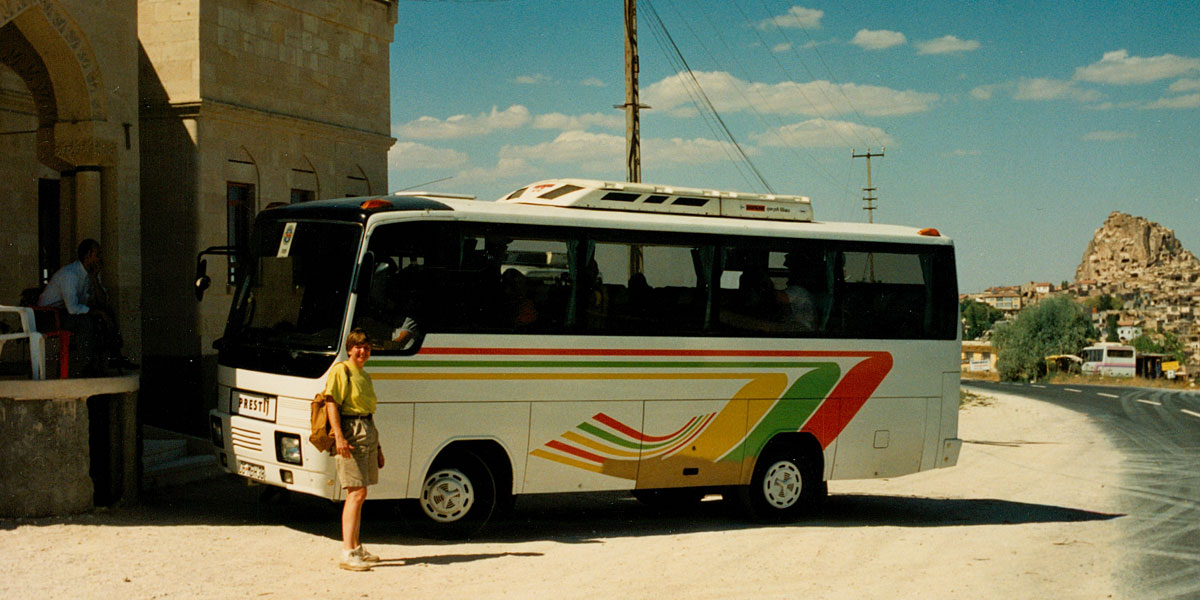
Our bus which transported us between hiking destinations
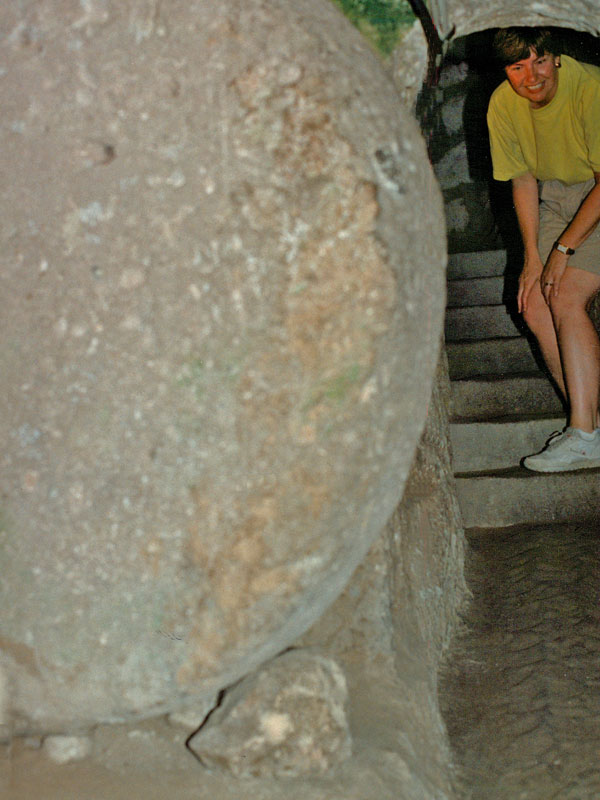
We visited the village of Kaymakli where the people constructed their houses around nearly one hundred underground tunnels. The Kaymakli Underground City consists of eight floors below ground which served as a safe haven for thousands of Christians seeking protection from persecution in the early years of Christianity. We then hiked through the Ihlara Valley, near Mount Hasan and Mount Melendiz (two of the three volcanoes of Cappadocia) to explore the half dozen cave chapels and their frescoes.
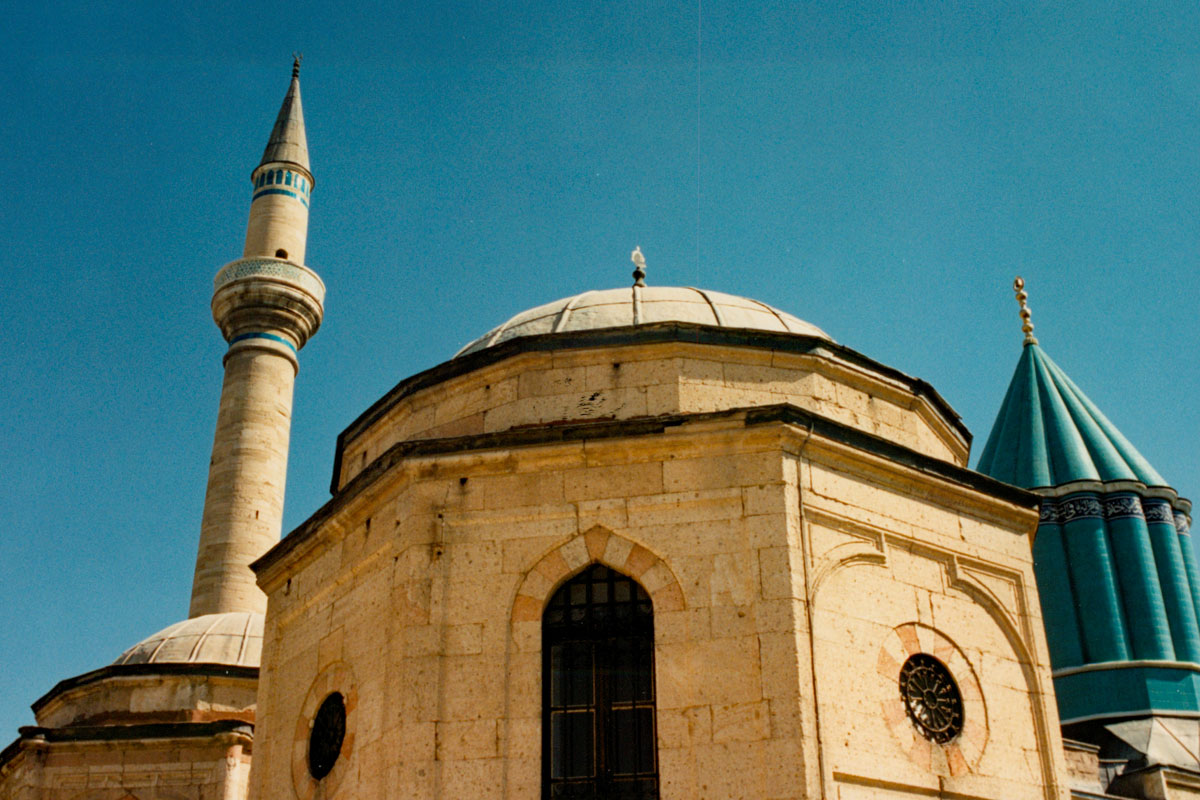
We stayed overnight in Konya at the Balikcilar Hotel across from the Mevlana Mosque. Konya is the home of the whirling dervishes and we visited the museum and tomb of Mevlana Celaleddin-i Rumi ans Seljuk University.
Mevlana Mosque in Konya — home of the whirling dervishes
Village of Kaymakli
Exploring one of the underground tunnels
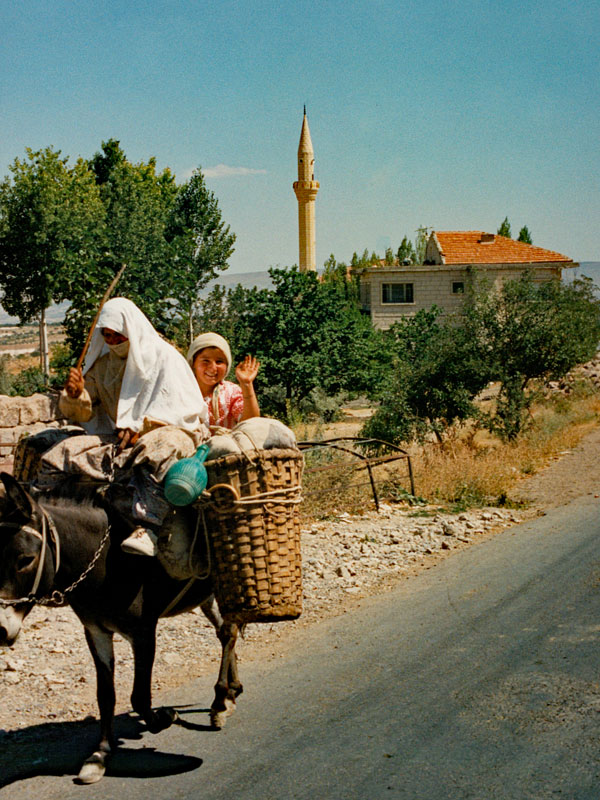
Urunlu Via Beysehir Lake
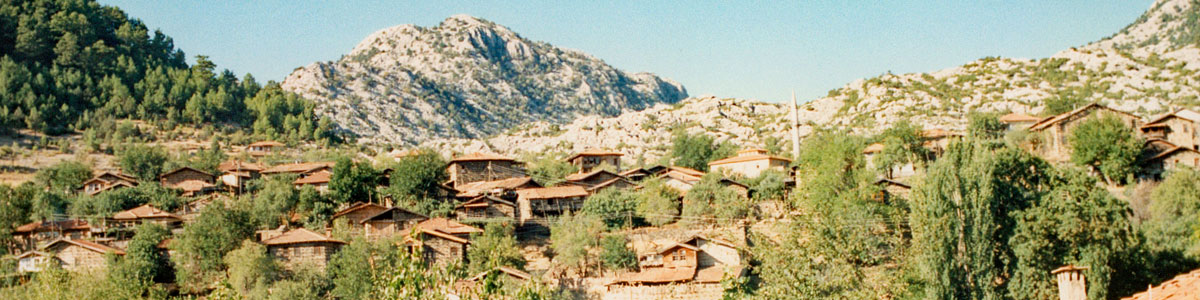
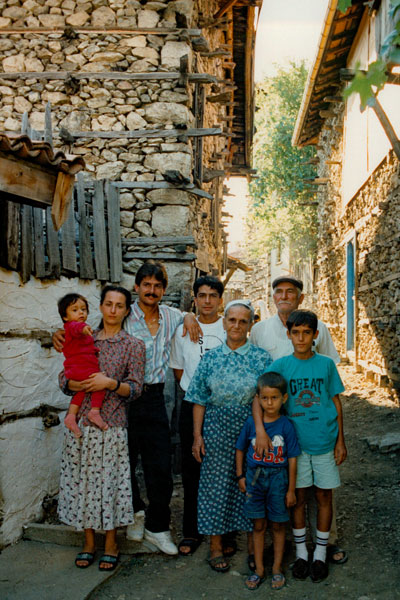
Later we drove to the village of Urunlu (at 3,100 feet) via Beysehir Lake and the village of Derebucak on seldom-used back roads. The black goat-hair yurts of the Yuruk nomads could be seen in the green meadows surrounded by the cedar-covered mountains. We arrived at the village of Urunlu where we stayed with a village family for the next two nights. The women prepared our meals in huge copper urns on open fires.
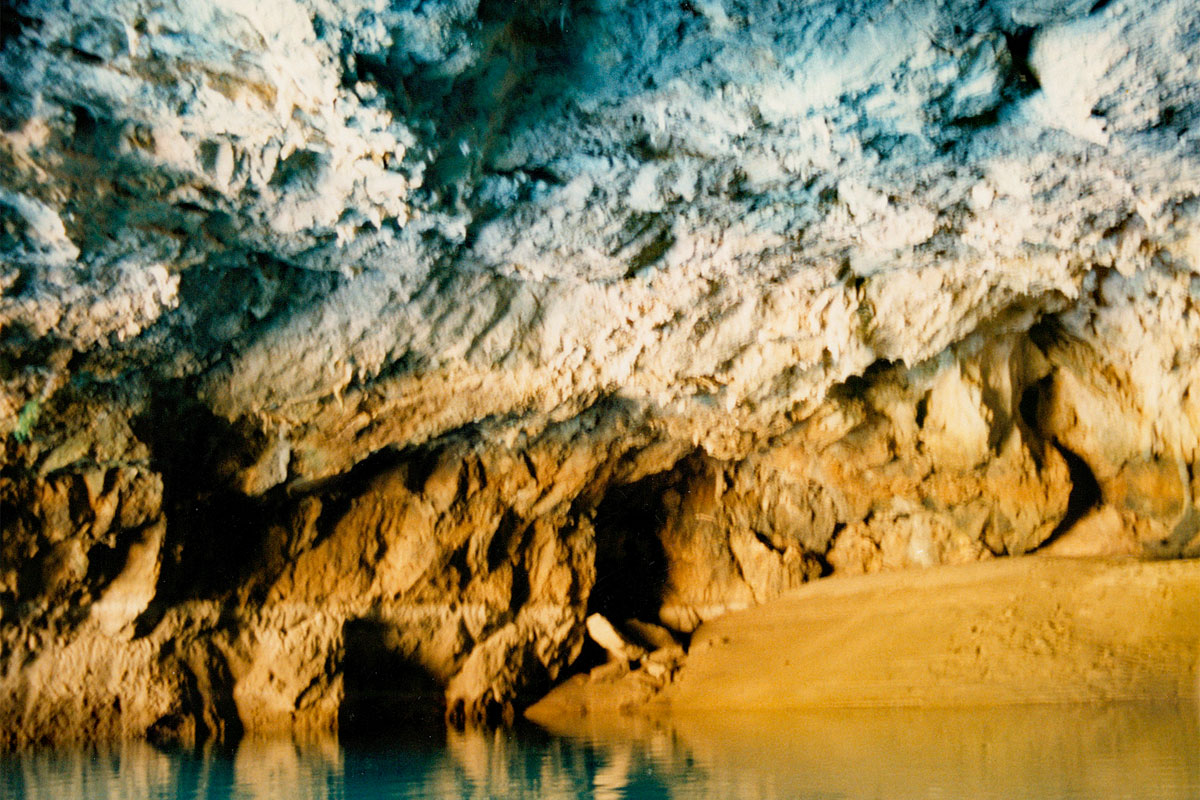
The next day we hiked to the Grotto of the Golden Cradle accompanied by a mule carrying inflatable rafts and a picnic lunch. We explored the cave with its many stalagmites and swam in its fresh water. In the evening, we enjoyed a traditional dinner with our host family.
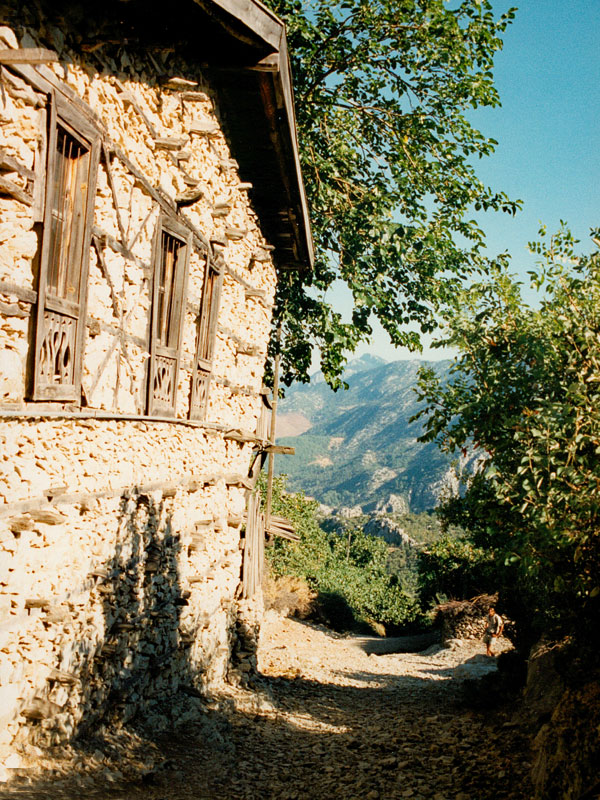
The village or Urunlu at 3,100 feet
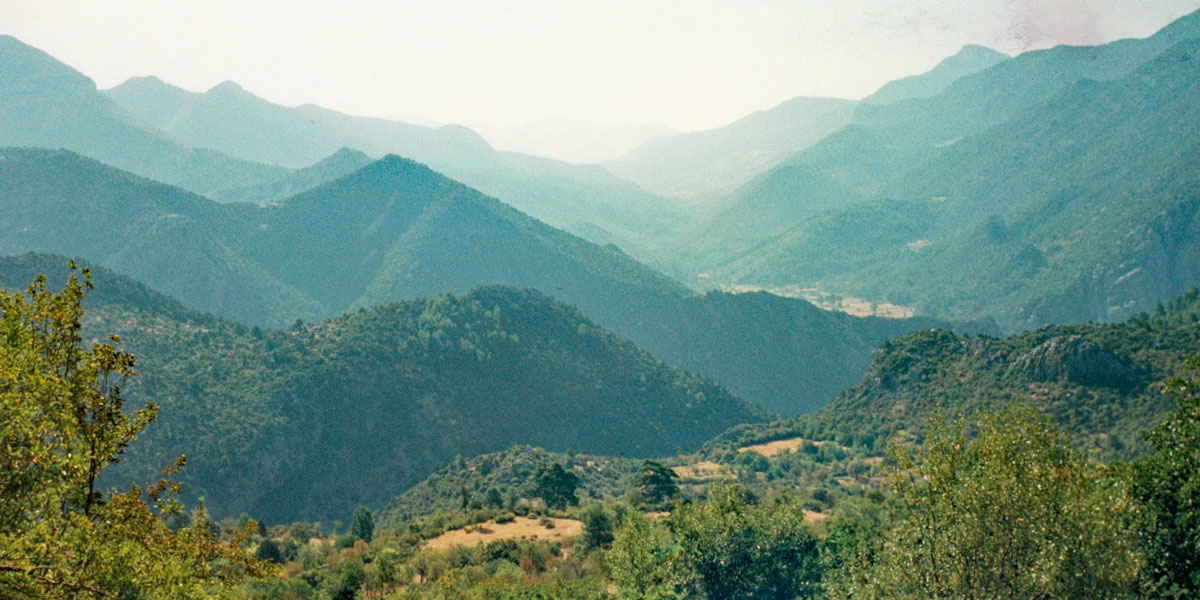
Panoramic view from Urunlu
Our host family in the village of Urunlu
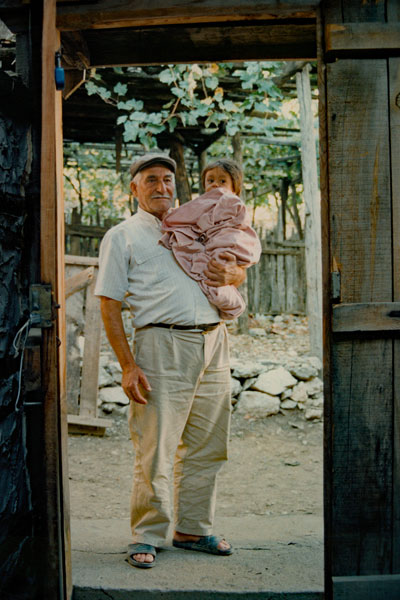
The patriarch with grand daughter
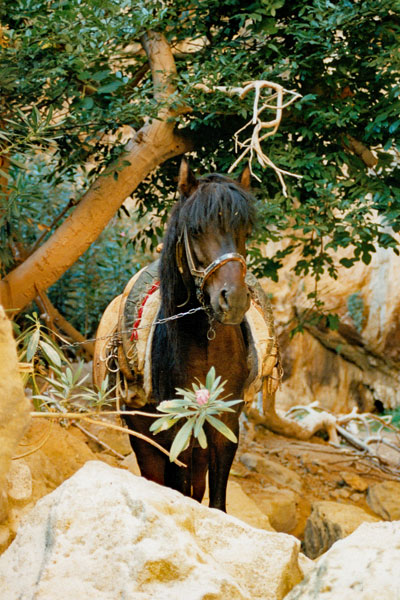
The resident horse
Starting our hike to the Golden Cradle Grotto
Photo before departing Urunlu
The Golden Cradle Grotto
Leaving for the Mediterranean Sea
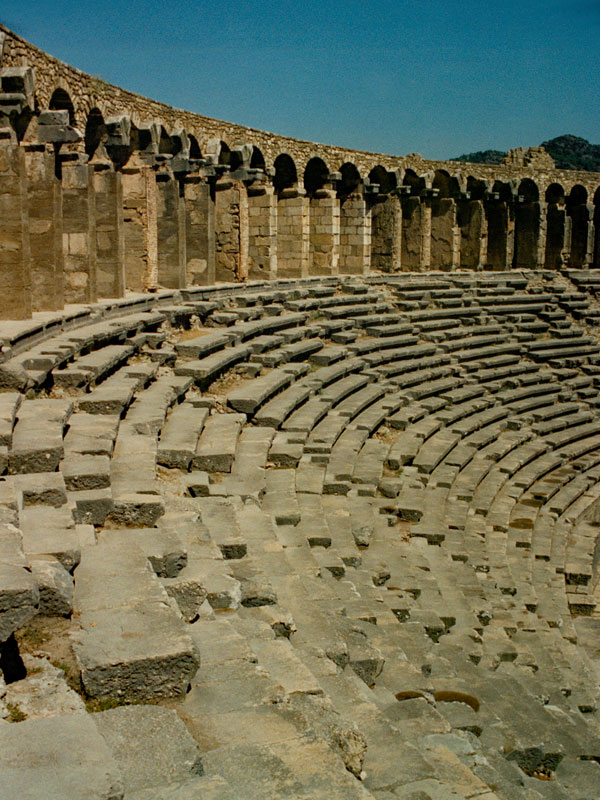
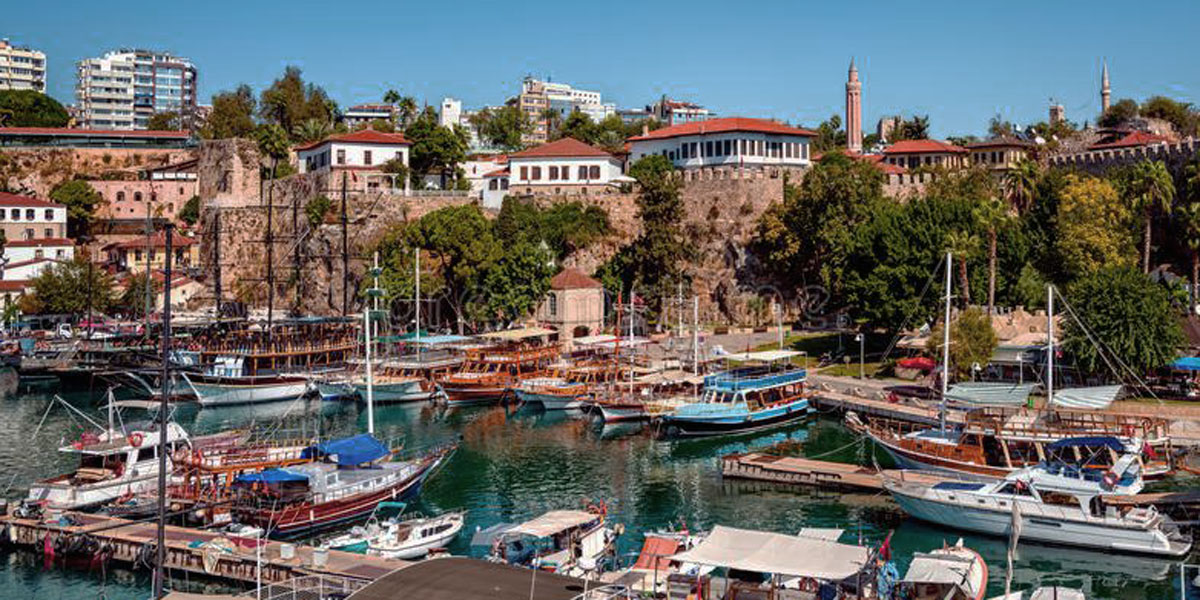
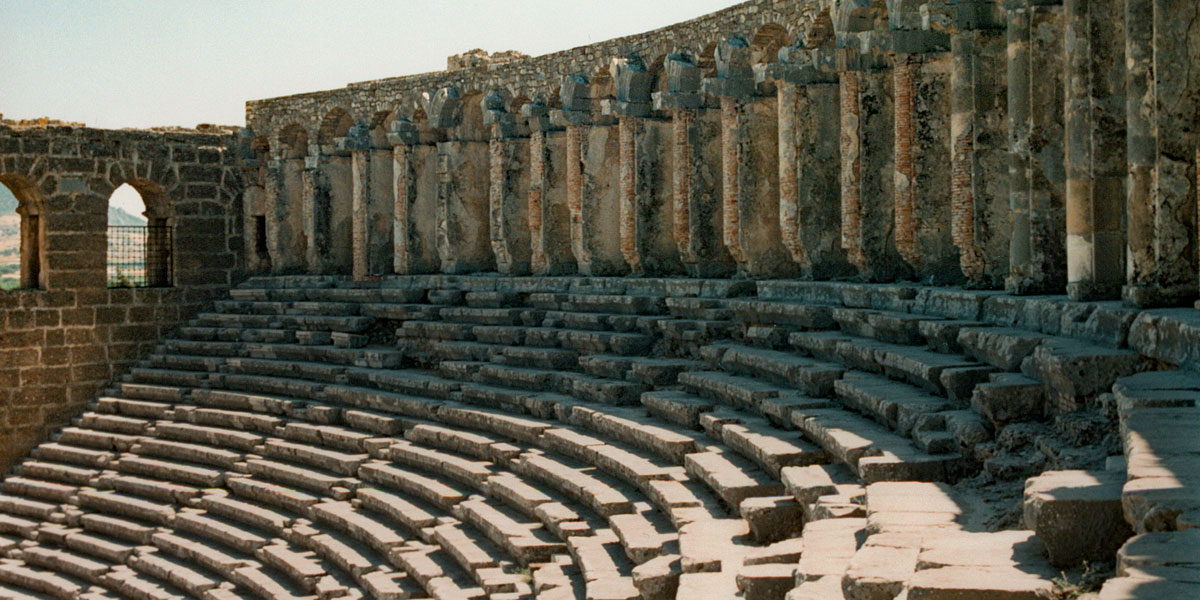
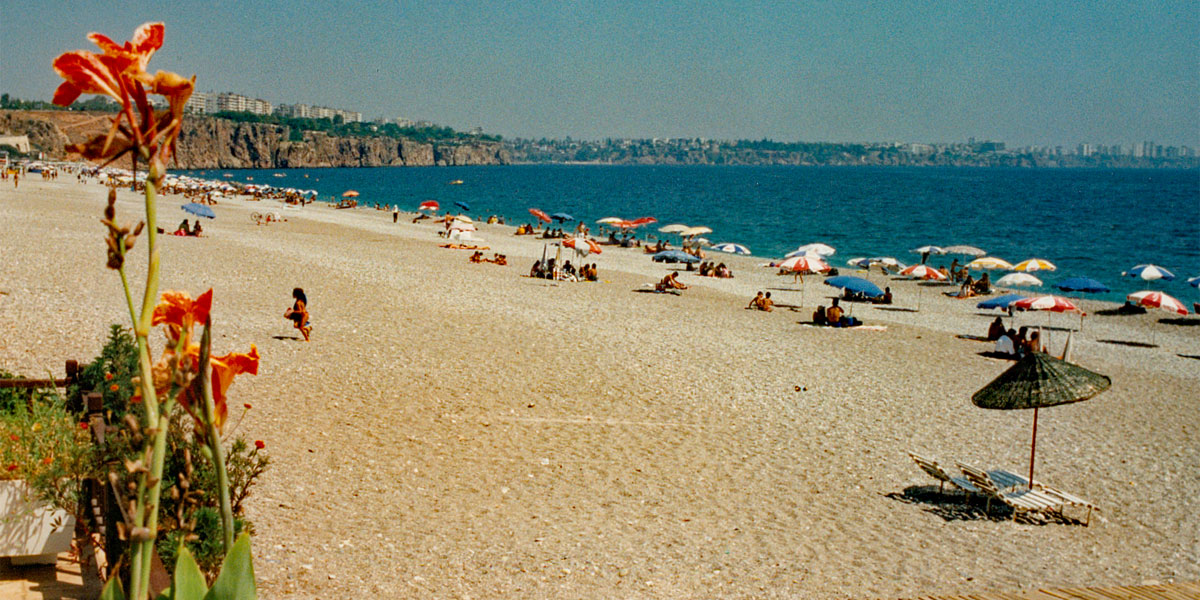
The next day we left Urunlu and headed to Aspendos where we explored one of the best preserved, and largest, Roman amphitheaters in the world. Later we checked in to our hotel in Antalya. We then walked through the old town and explored Hadrian's gate and the local farmer's market. We dined at an outdoor restaurant overlooking Antalya's famous natural harbor full of yachts from all over the world.
Roman Amphitheater at Aspendos
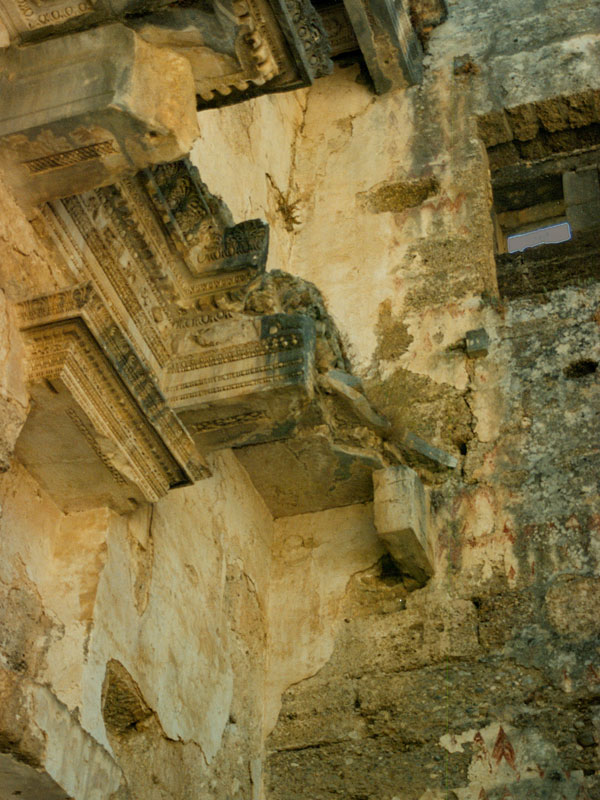
Detail of the ruins at Aspendos
1 / 7
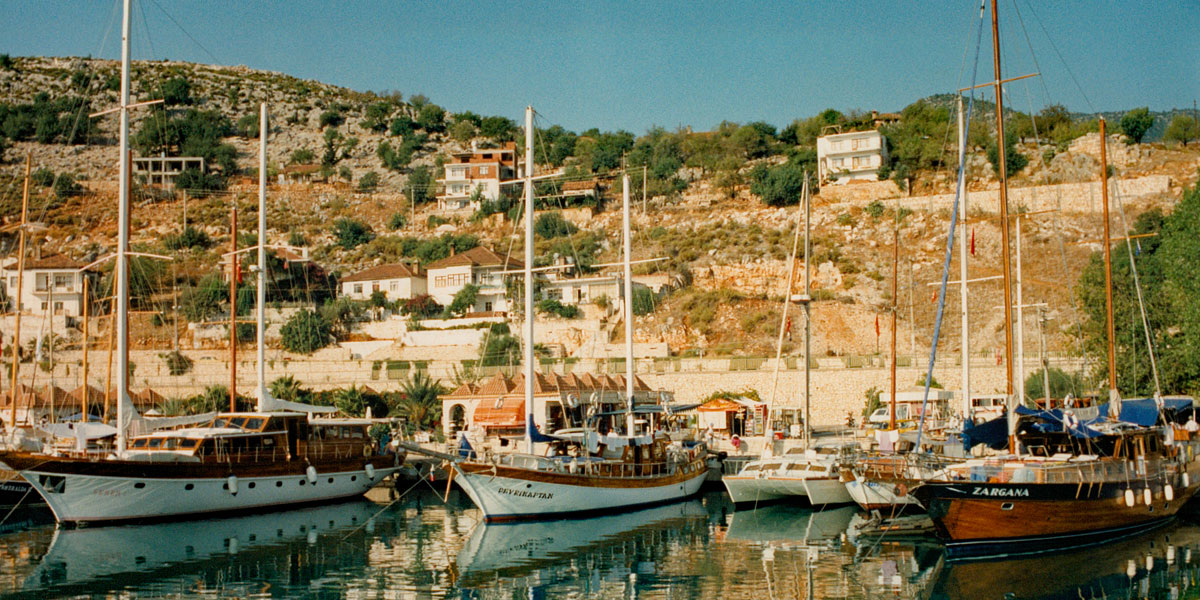
The Antalya harbor
2 / 7
View of the Roman amphitheater as Aspendos
3 / 7
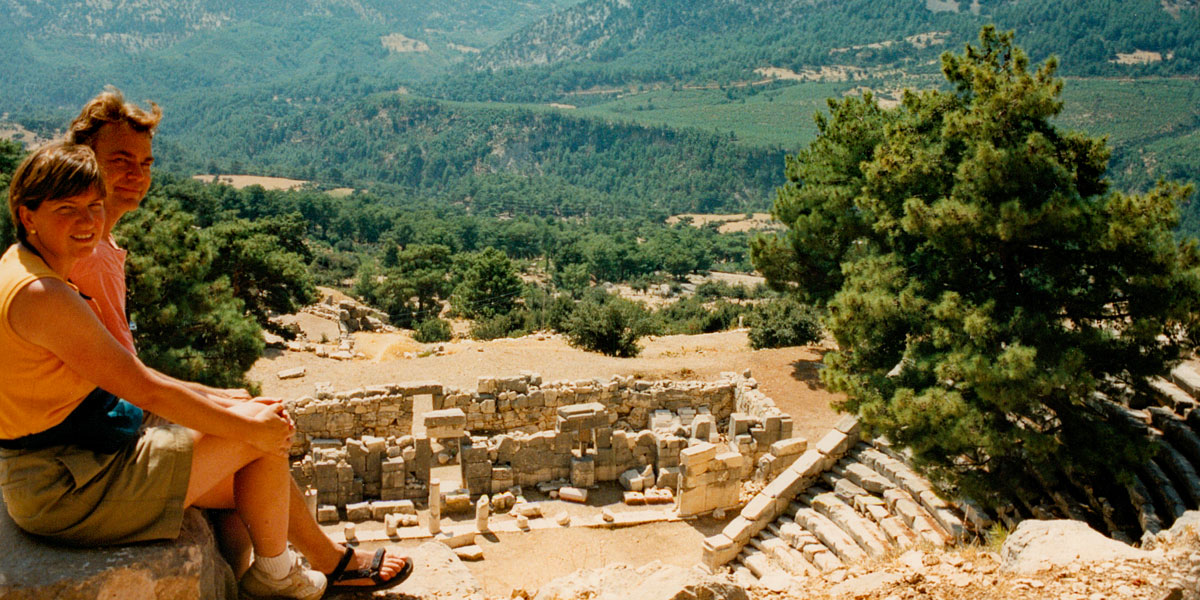
Overlooking the ruins at Termessos National Park
4 / 7
View at lunch at a taverna on the route to Olympos
In the morning, we drove to Termessos National Park where we hiked up to the magnificent Pisidian site of the Solyumi at the foot of towering Mount Gulluk and to see the the Roman Amphitheater and Necropolis. As if that wasn't enough, we also visited Guver Ucurumu Canyon before returning to Antalya for lunch.
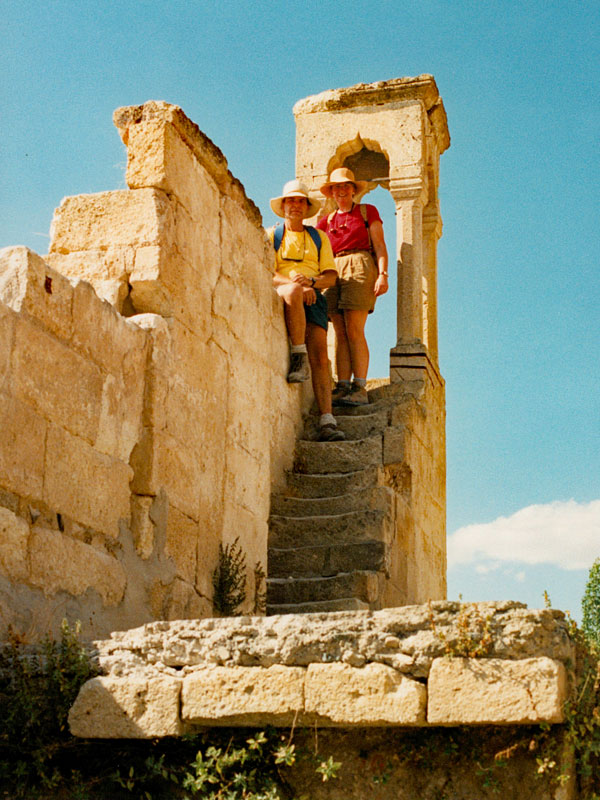
Peter and I hiking at Termessos National Park
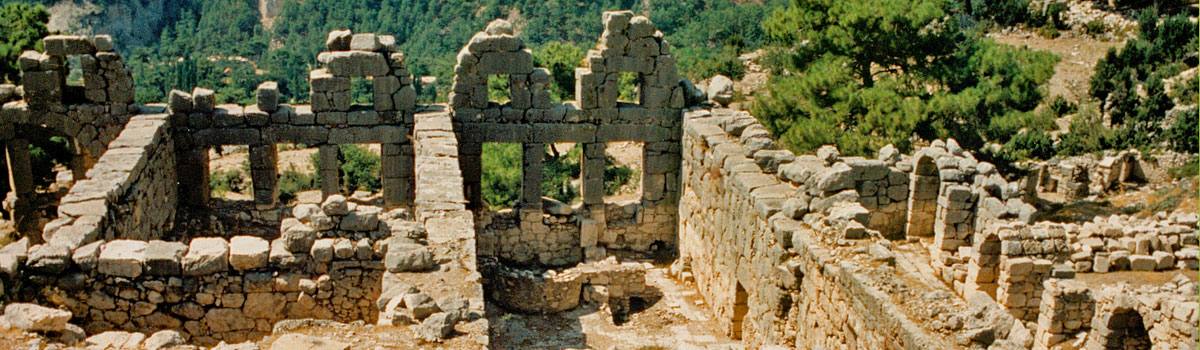
Ruins at Termessos National Park
Eternal Fires of the Chimaera
En route to Olympos, we hiked to the Eternal Fires of Chimaera via a lavender and pine-studded trail. This is the site where the mythological hero Bellerophon, riding his winged white horse Pegasus, killed the monster-like Chimaera which had the head of a lion, the body of a goat, and hindquarters of a serpent. Today, 15-20 flames, produced by gas, burn perpetually from holes in the ground. The photo (to the left) includes a hat and backpack for scale.
Depart for Finike to Board Our Turkish Gulet
At Finike we boarded our Turkish gulet and met our crew. Our two-masted classic wooden sailing yacht, built in Marmaris on the southwestern coast of Turkey, was equipped with six cabins. The crew consisted of our captain, a cook, and a first mate.
Life on Board Our Yacht
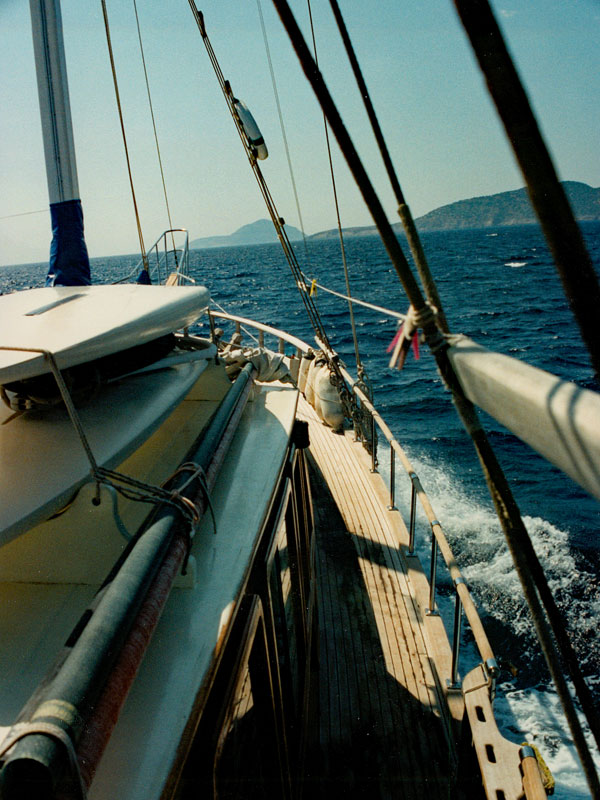
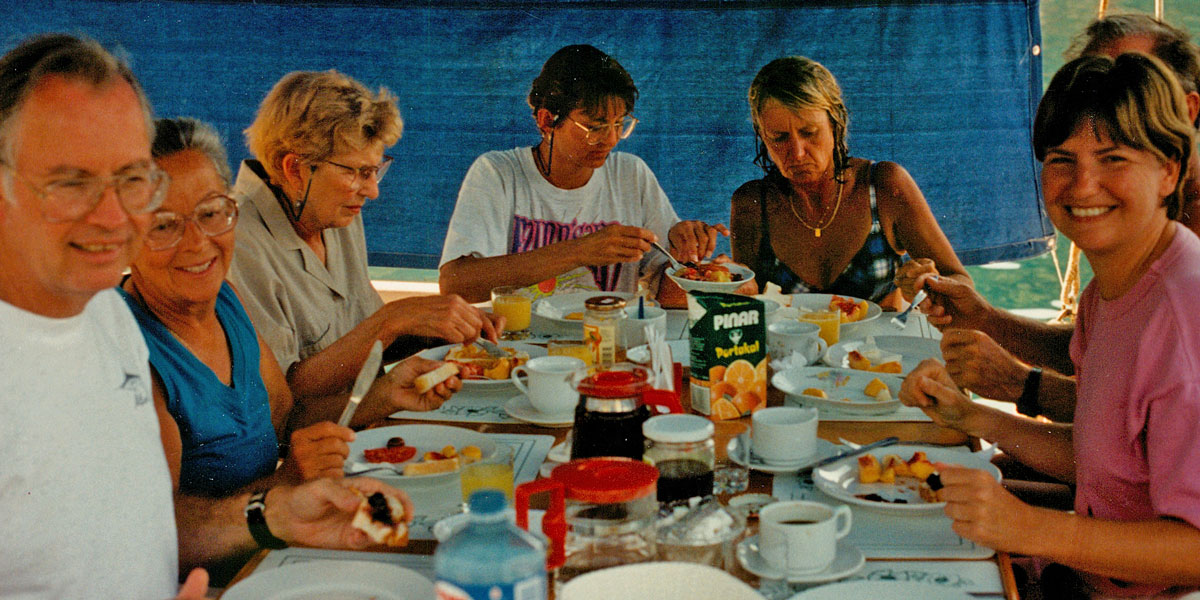
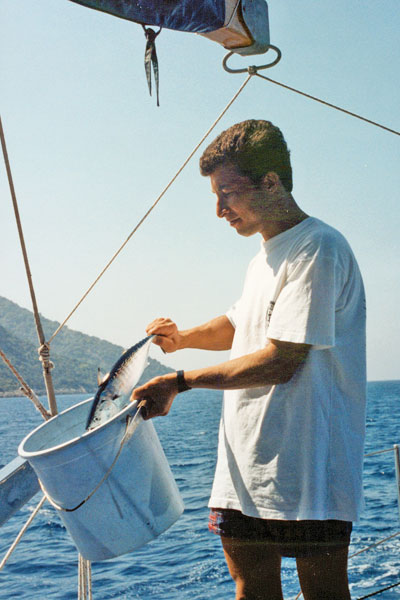
We spent 11 days onboard our gulet visiting new ports or hidden coves each day; awaking for breakfast onboard in a new location. Our breakfast usually consisted of tea, yoghurt, peaches (in season) and fresh bread. Most mornings we had an on shore excursion where we hiked to ancient ruins or explored small ports or villages. Afternoons were usually spent exploring coves and islands with our yacht — exploring historic sites on land, or swimming, snorkeling in the crystal-clear waters, or just relaxing on board.
After departing Finike, major destinations during our cruise included: Salyrangoz Cove near Kekova Island, Andriace, Gokkaya Bay, Kalekoy, Kekova Bay, Kekova Sound, the Ulu Brurn Promontory, Bucak Denezi Island, Kas, Firnazlar over near Kalkan, Oludeniz, Kaya Koy, Soguk Su Cove, Gemiler Island, Fethiye Bay, Haman Cove, Iztuzu Beach, and Ekimcik Cove. We disembarked and said goodbye to our yacht and crew at Marmaris.
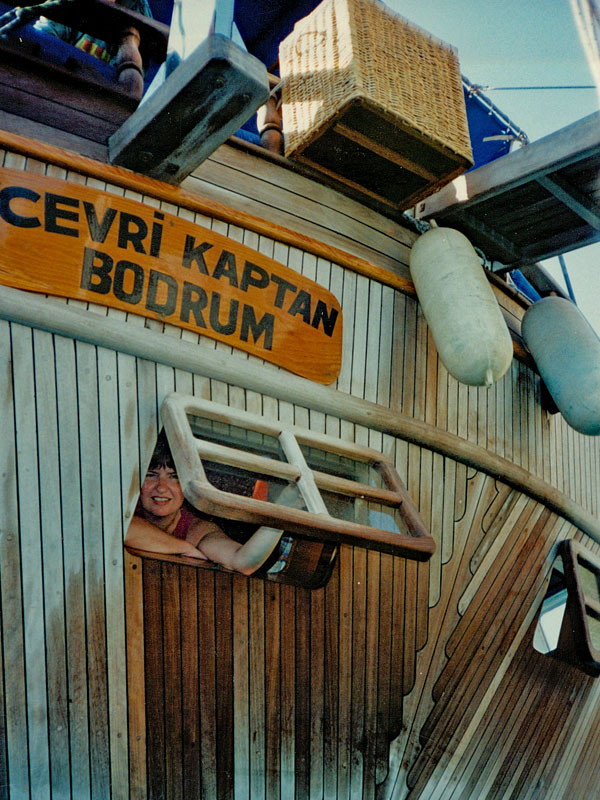
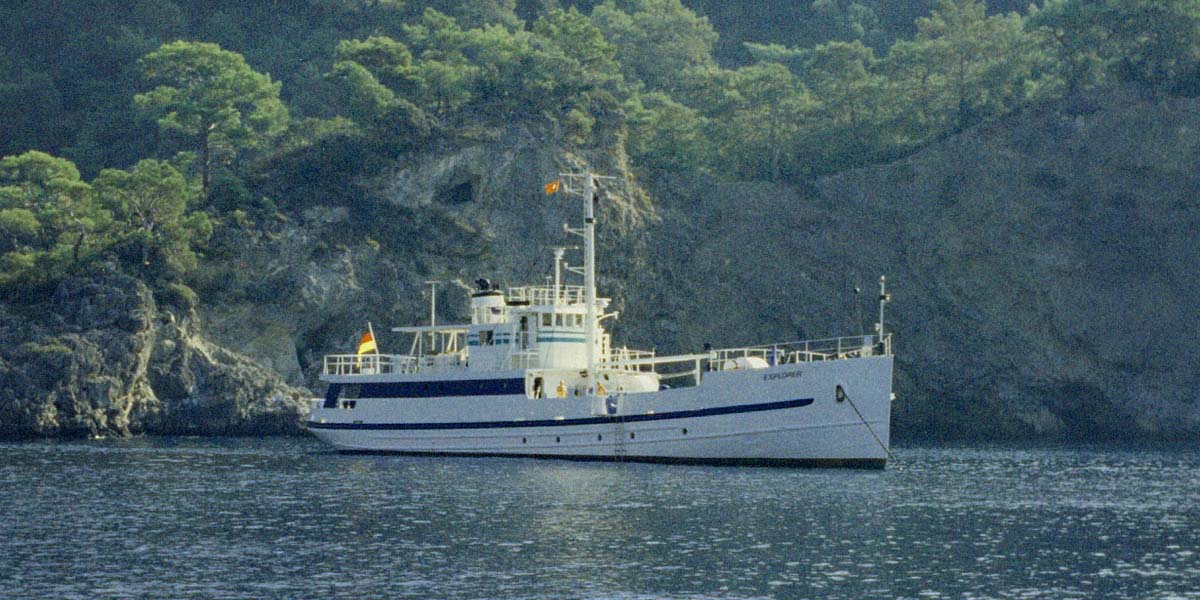
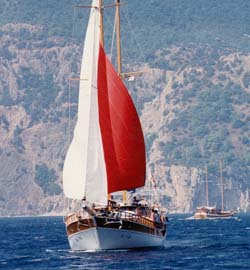
Our Turkish yacht — the Cevri Kaptan — and home for 11 days
Me looking out from our cabin
Departing Finike at the start of our voyage
1 / 9
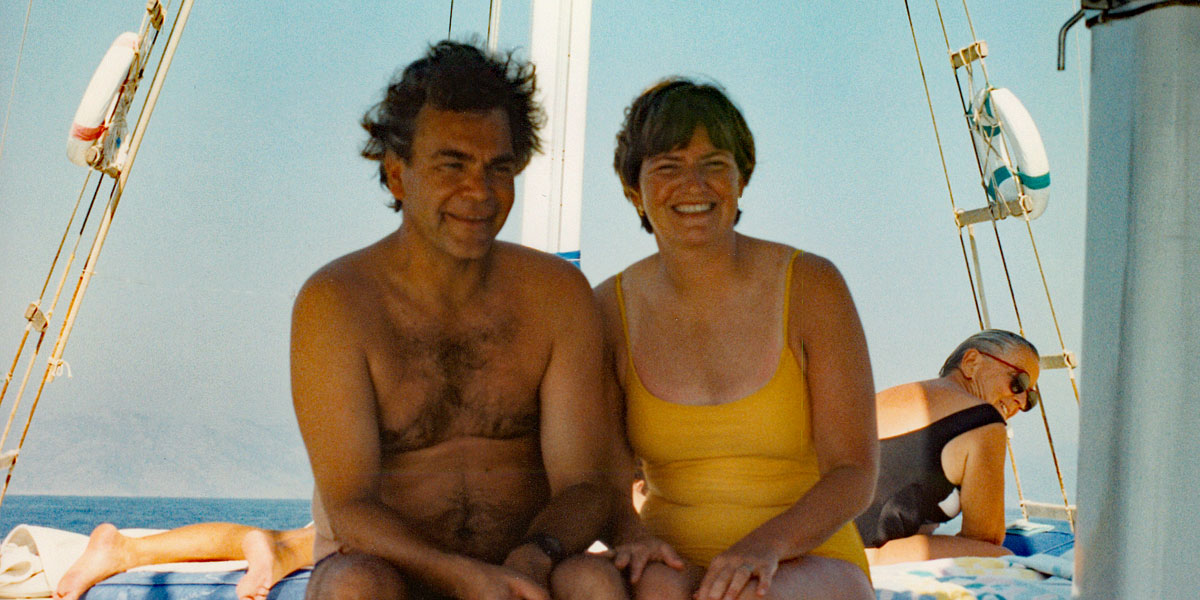
Peter and I on board
2 / 9
We still miss the breakfasts on board each day
3 / 9
Our cozy cabin with buckwheat pillows
4 / 9
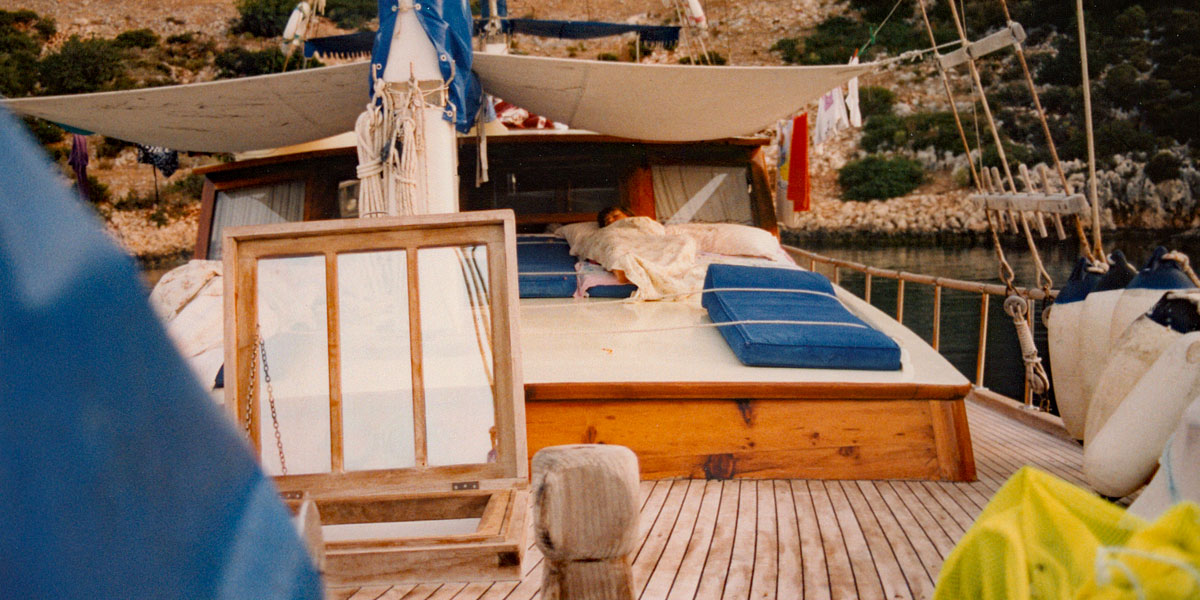
Sleeping on deck under the stars was always an option
5 / 9
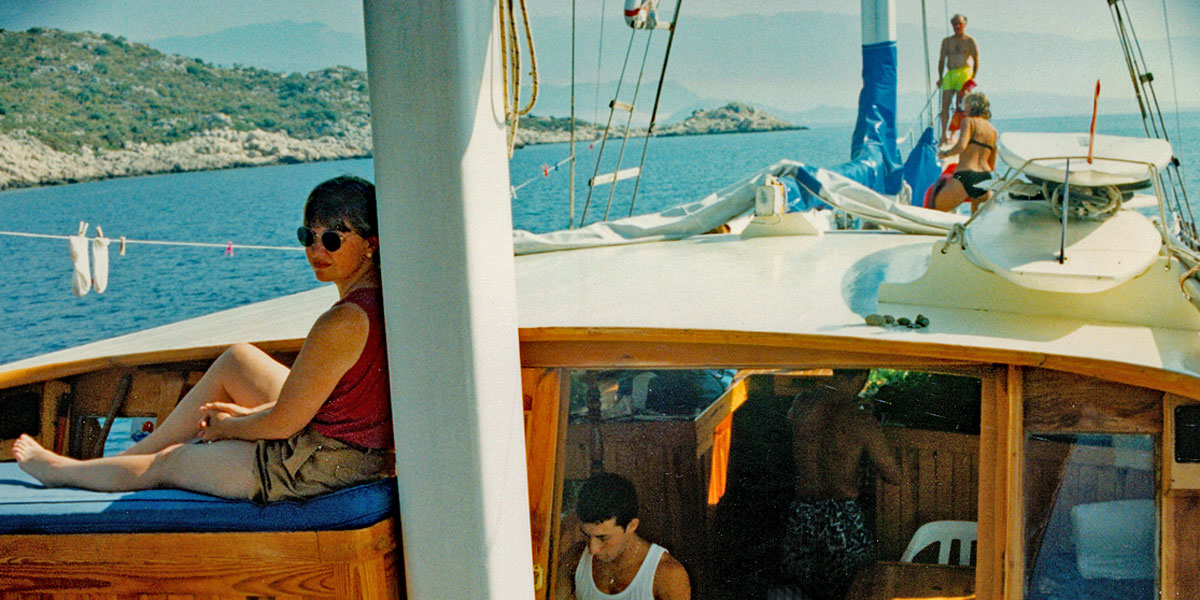
A relaxing afternoon on board after a long hike
6 / 9
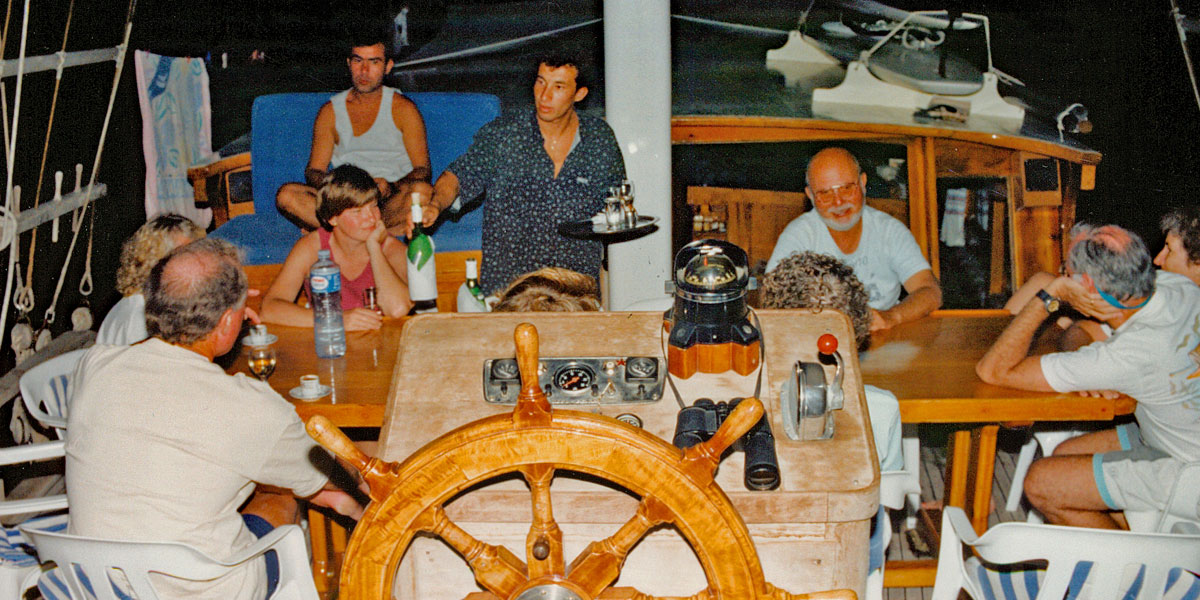
End of a long day
7 / 9
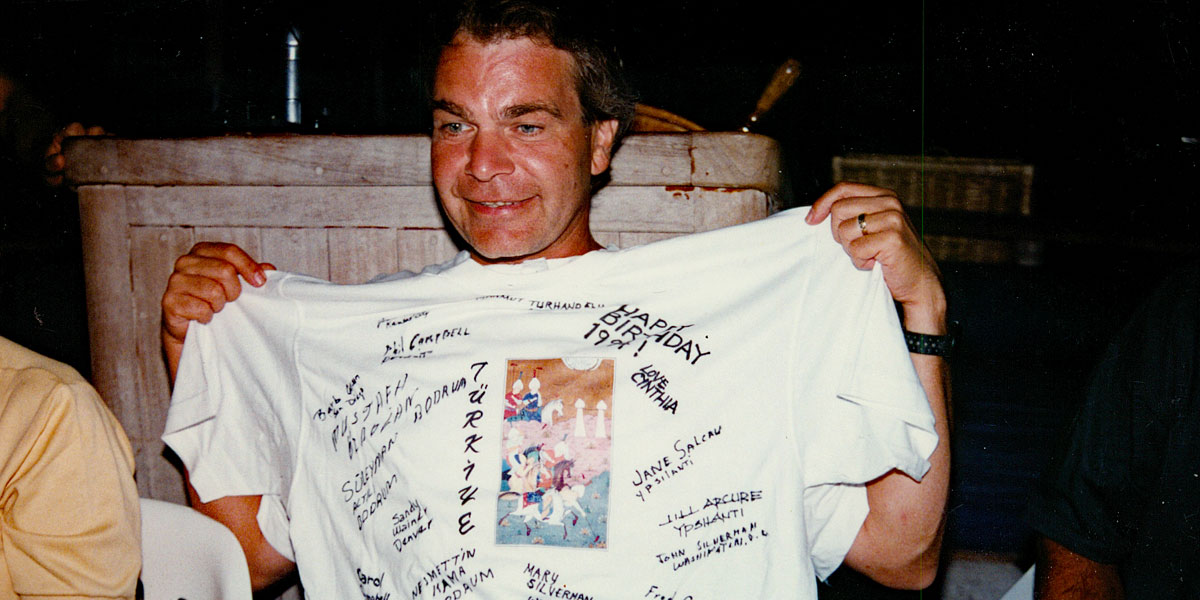
Celebrating Peter's birthday with a gift from the group — a T-shirt signed by all
8 / 9
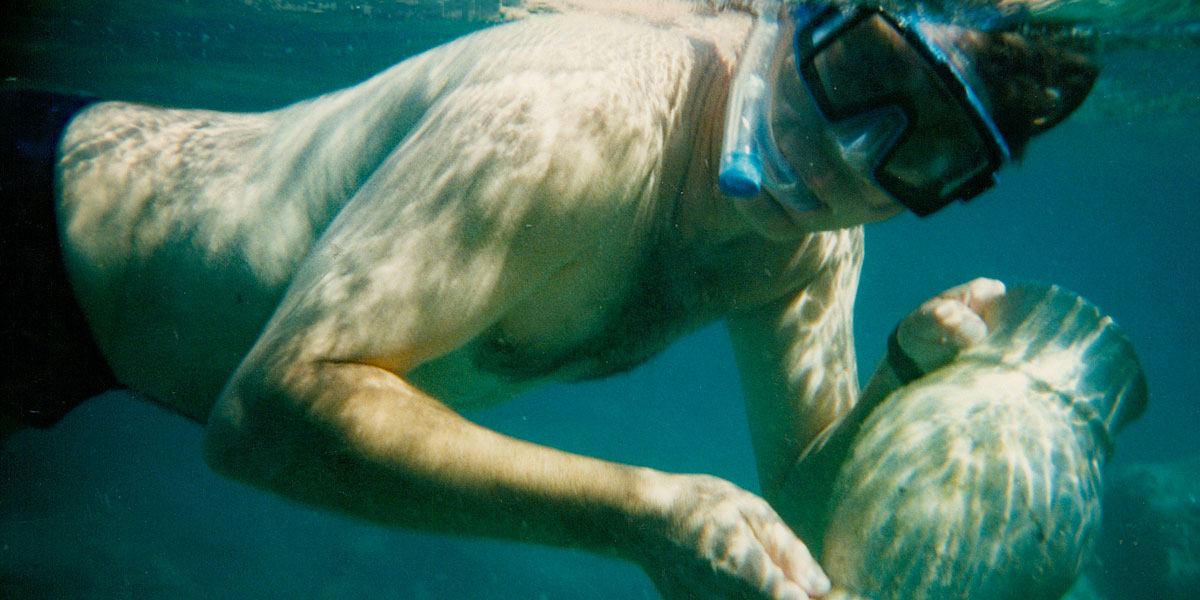
Peter found a treasure while snorkeling — it turned out to be a tin ewer
Morning Drive to Arycanda and Cruise to Kekova Island
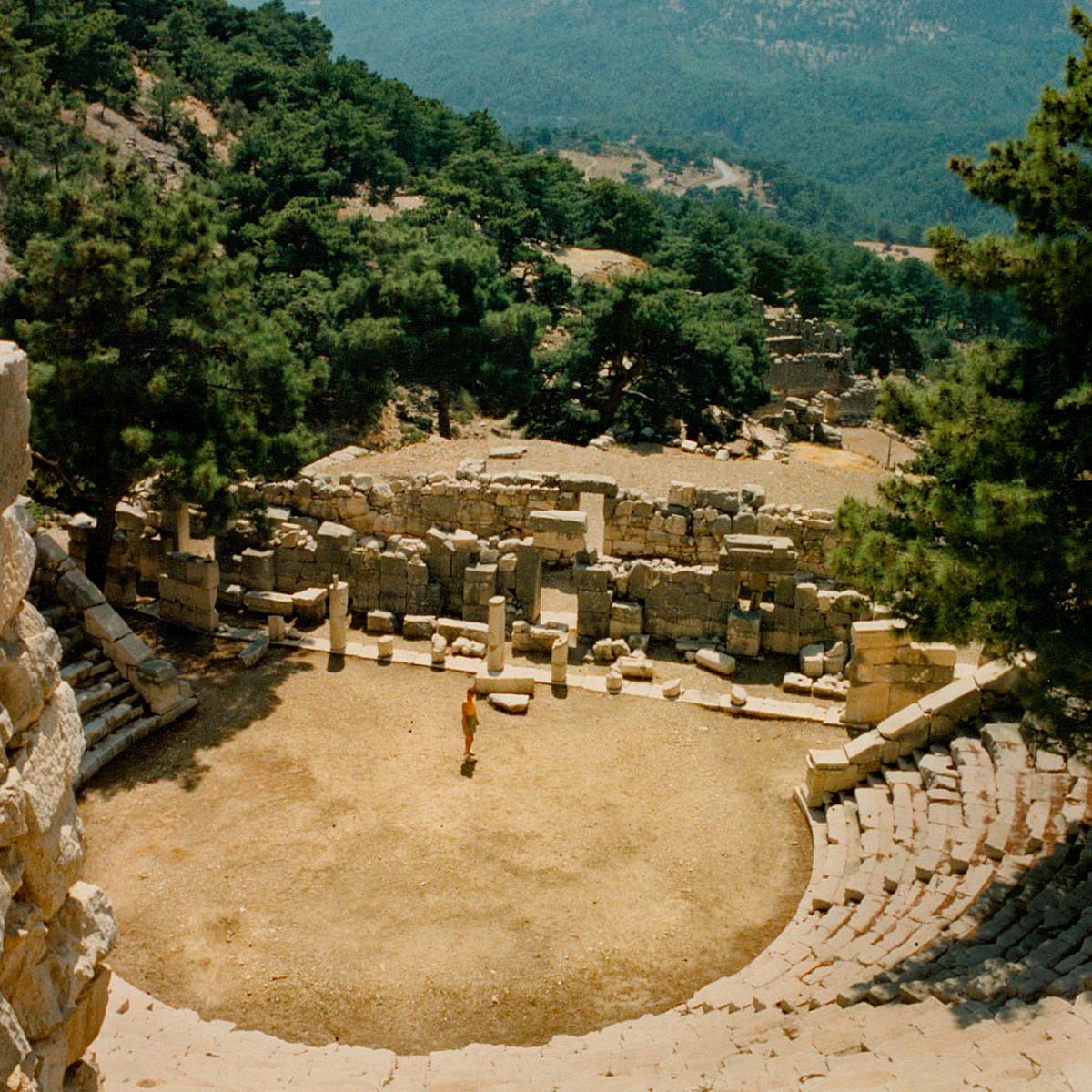
This was one of our favorite ruin sites of our trip — situated off the beaten track, in mountainous terrain. Arycandans were known as a wealthy, self-indulgent people so the Greek Theater, Odeon, and Roman Baths are among the best of their kind, built into the steep and densely-forested mountainside. We enjoyed lunch at a trout farm and then cruised to Salyangoz Cove near Kekova Island in the afternoon.
Me at the ruins at Arycanda — not a tourist in sight
Sail to Myra and Kekova Bay
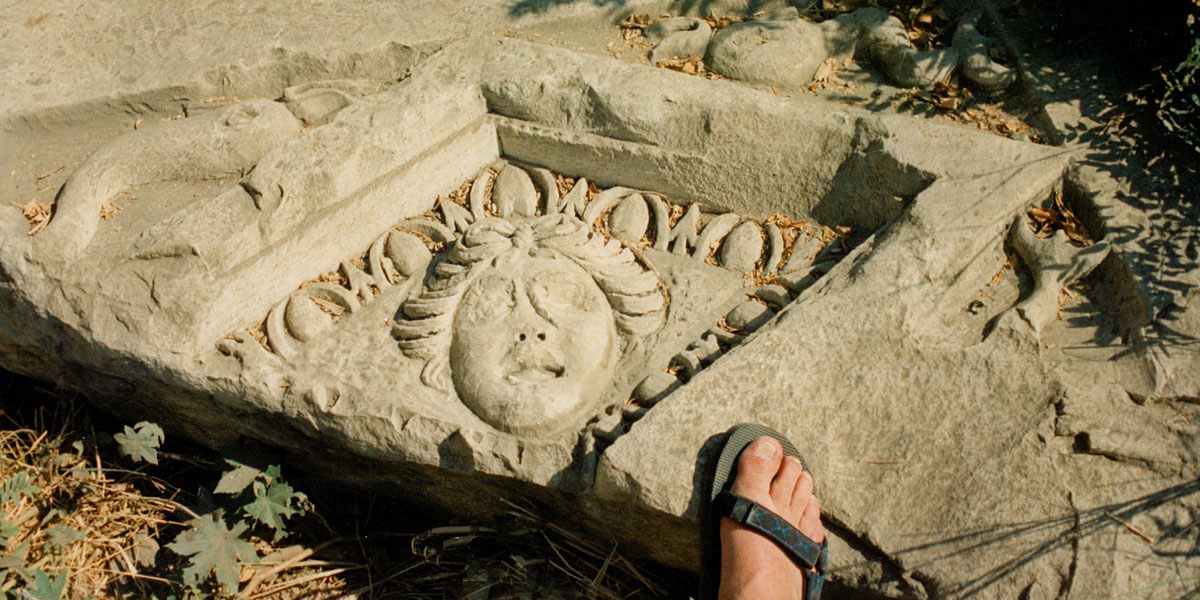
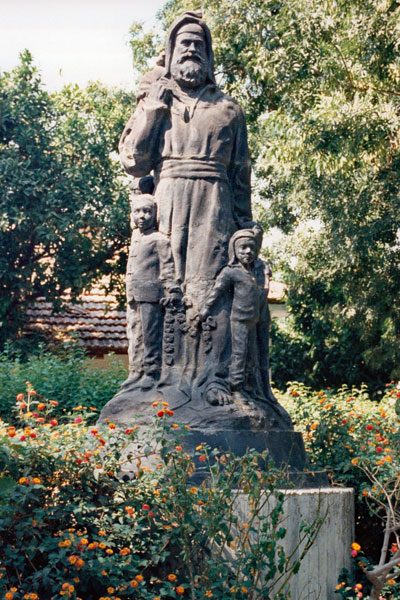
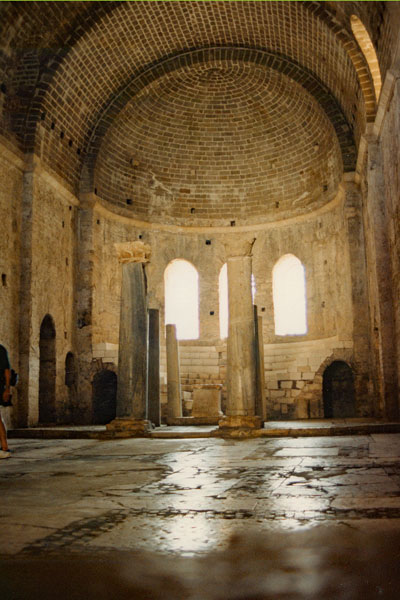
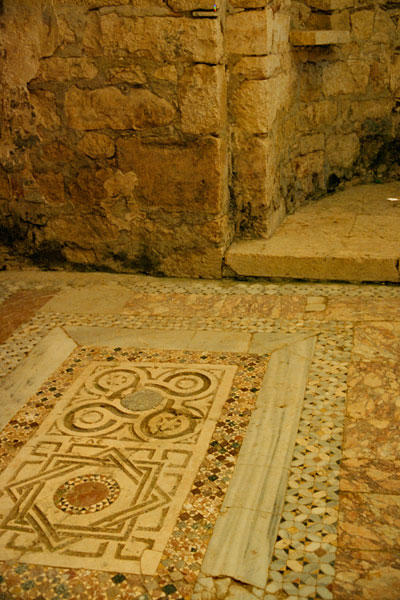
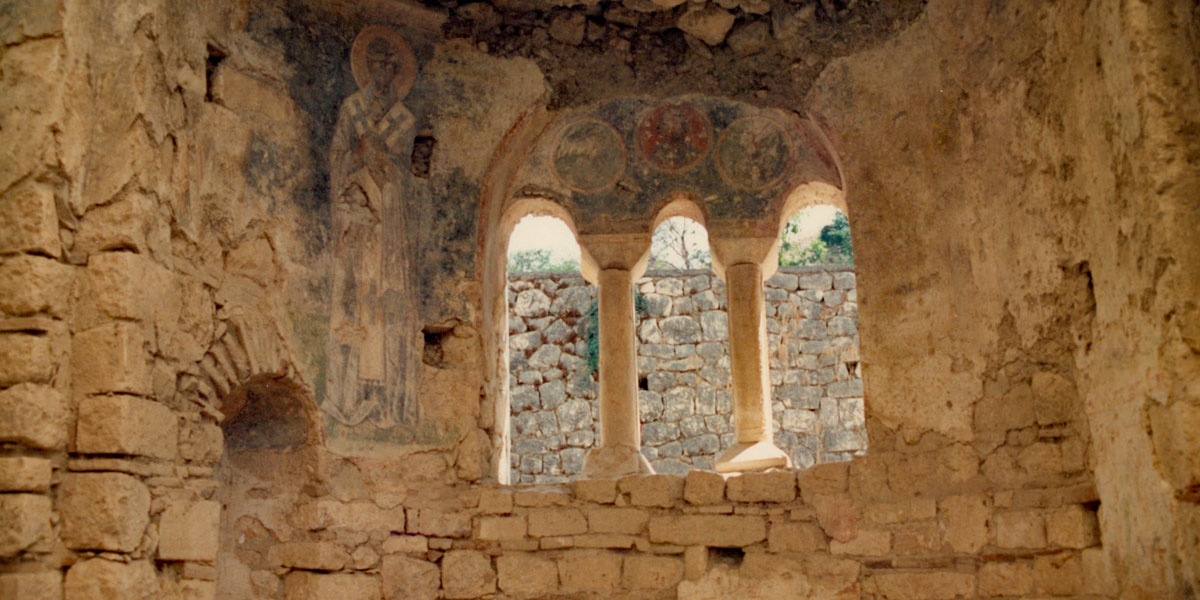
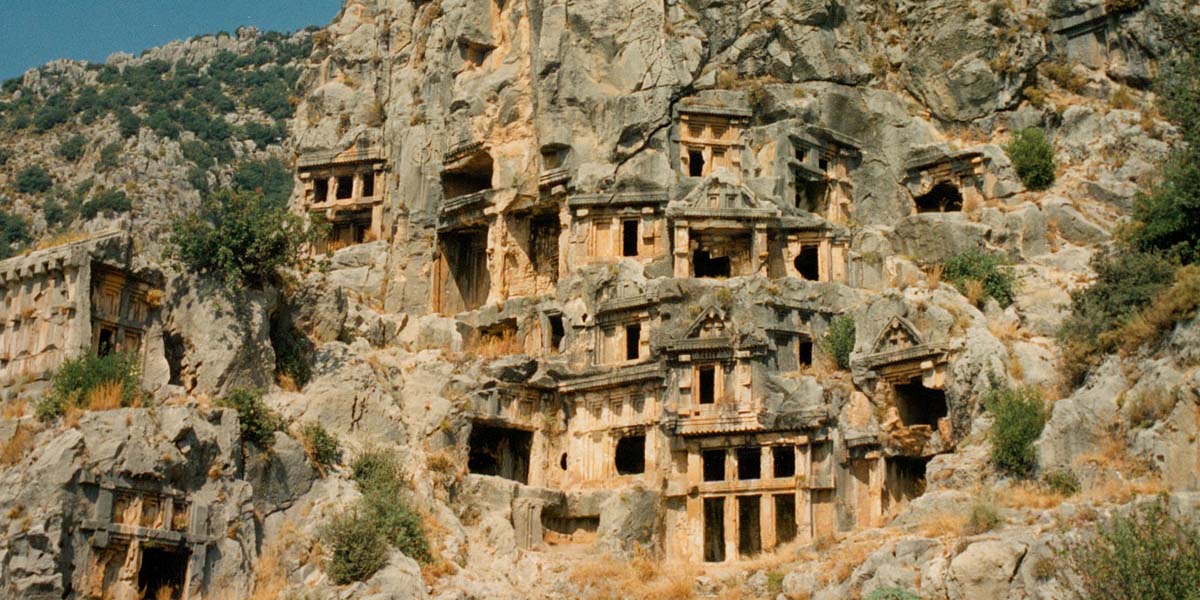
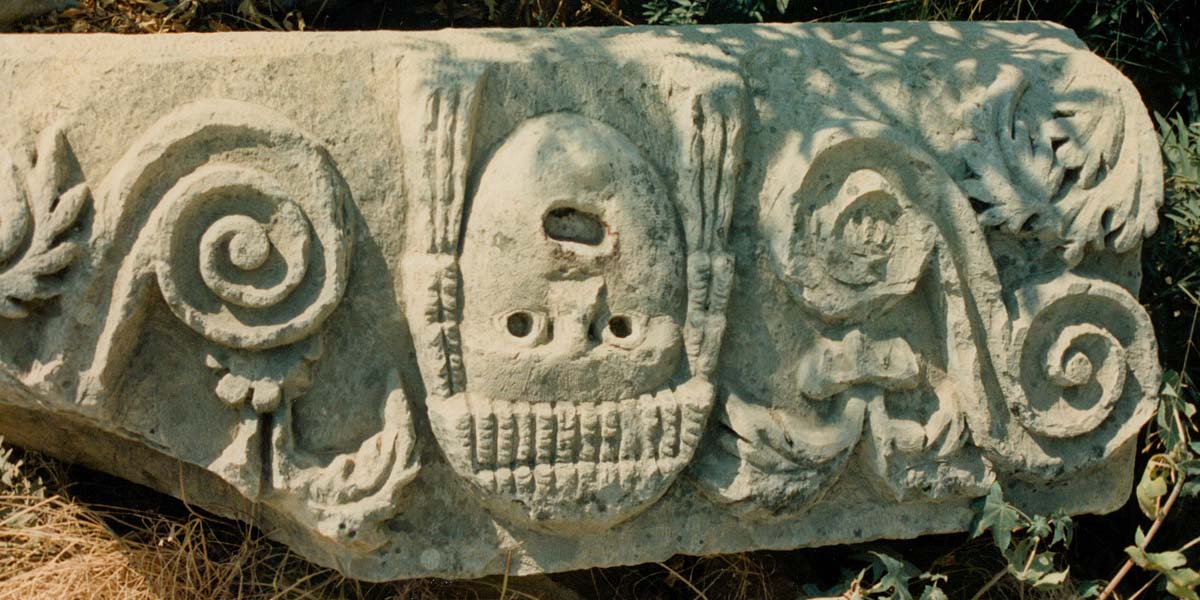
fter sailing to Andriace, we drove to Myra to visit the ruins of the Church of St. Nicholas, built in the 3rd century in honor of the benevolent bishop of Myra, with whom the legends of Santa Claus and Father Christmas originate. Myra boasts another colossal and well-preserved Roman amphitheater, complete with stone carvings of masks laying about while we hiked. A stairway led up a sheer cliff where we explored the 4th century Lycian house-tombs carved out of the rock with richly-decorated facades.
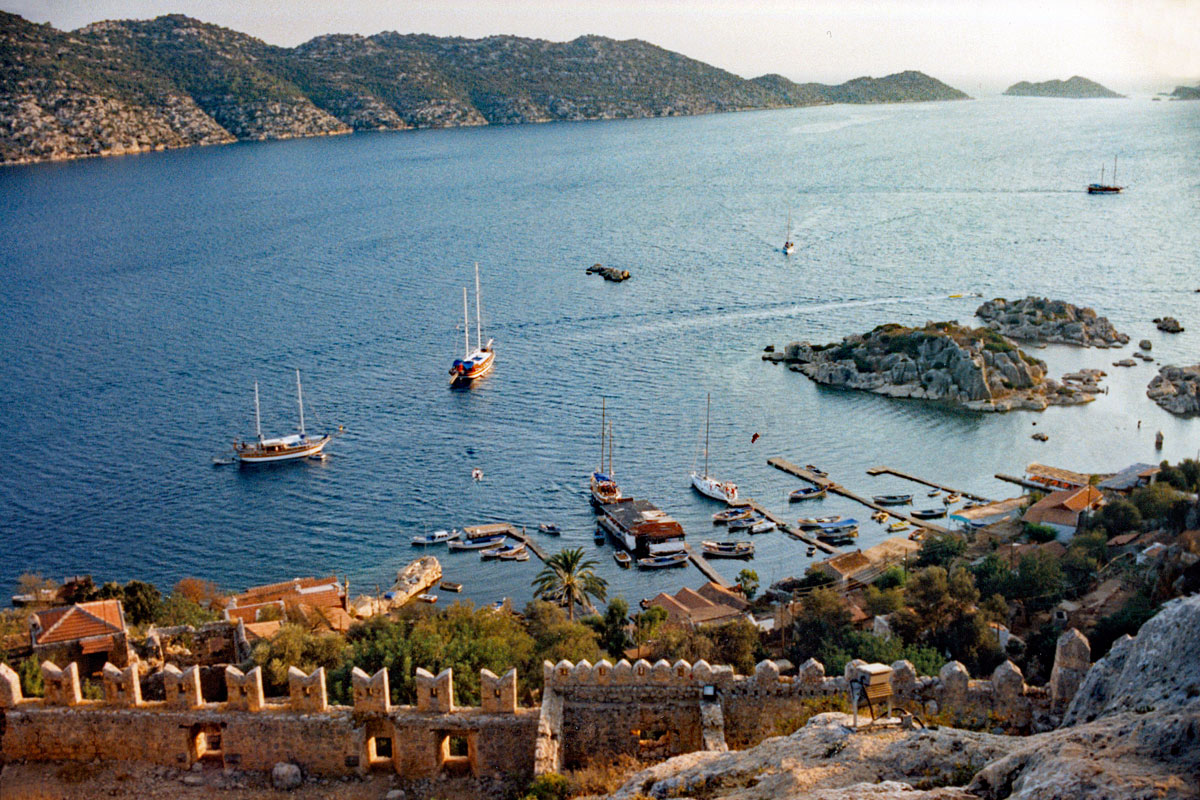
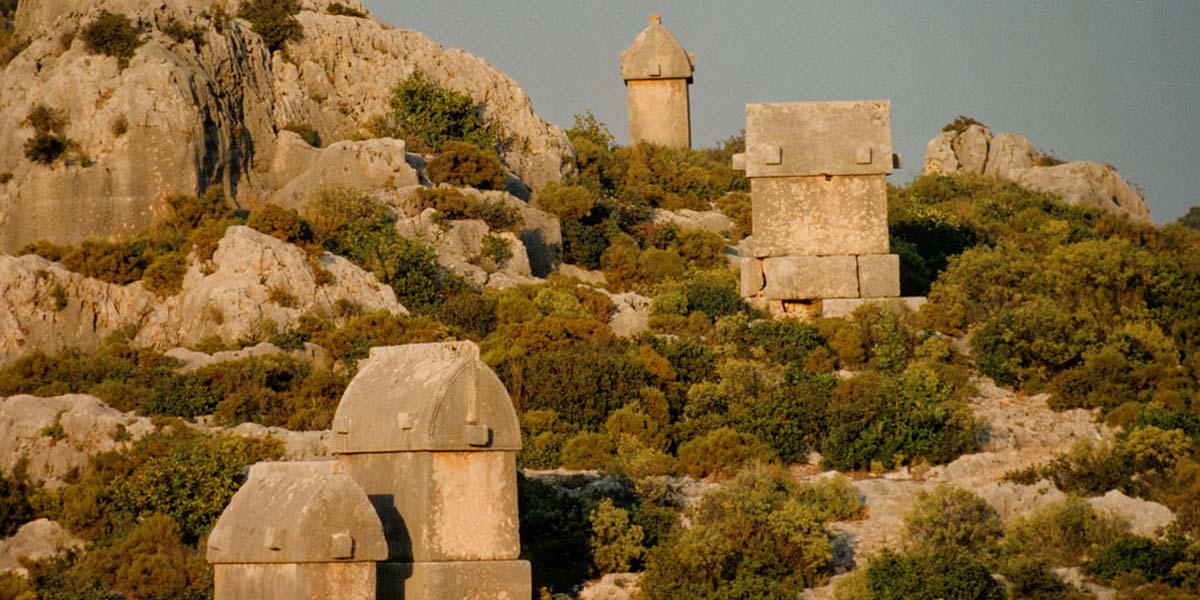
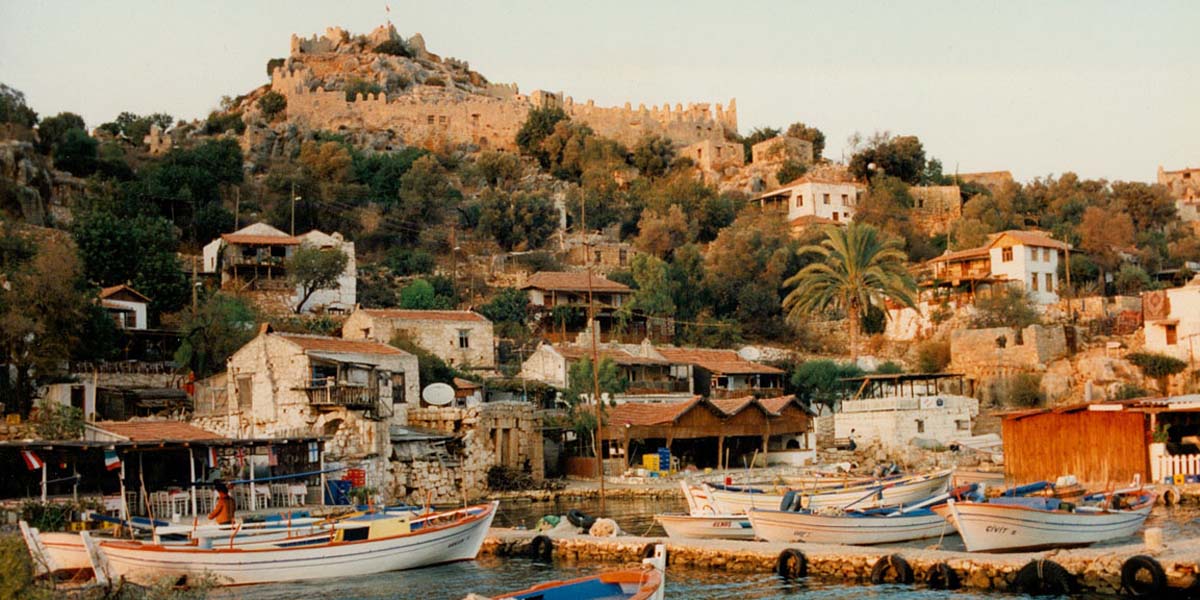
We returned to our yacht for the cruise to Gokkaya Bay for lunch. In the afternoon, we hiked to Kalekov (Simena) for our overnight anchorage. Our hike crossed a flat isthmus under age-old carob and olive trees to the pastoral village of Kalekoy. Its picturesque hilltop skyline is crowned by a crusader castle with dozens of Roman sarcophagi strewn around its base. We then met our yacht at Kekova bay — an entirely enclosed lagoon, nearly deserted, and dotted with historical sites.
Statue of St. Nicholas
Inside the Church of St. Nicholas
Detail of the mosaic floor
Detail of a window at the Church of St. Nicholas
Aperlae Ruins and Kas
After cruising a short distance on Kekova Sound to Sicak Iskelesi past Byzantine ruins scattered about and sunken along the shore, we hiked to Aperlae, an ancient 4th century Lycian city whose walls and sarcophagi are scattered over the hillside. After lunch, we sailed past Ulu Brurn Promontory, the site of the oldest shipwreck in history — a 3,400-year -old Bronze Age Phoenician ship. After stopping at Denizi Island for a swim, we continued on to Kas. This charming town has a well-preserved Greek Theater, narrow streets with bougainvillea flowing over the wooden balconies of white-washed houses, and cafes circling the small fishing harbor.
The Roman Amphitheater at Myra
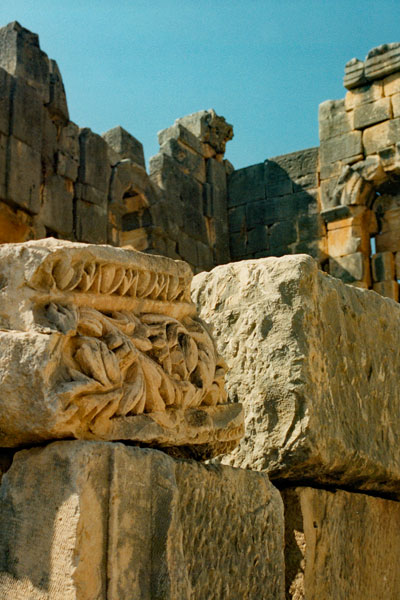
Detail of stone ruins everywhere
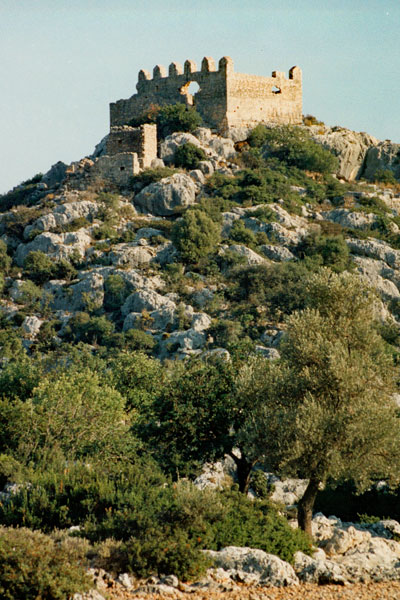
Crusader castle at Kalekoy
1 / 9
The 4th century BC Lycian house-tombs carved out of rock
2 / 9
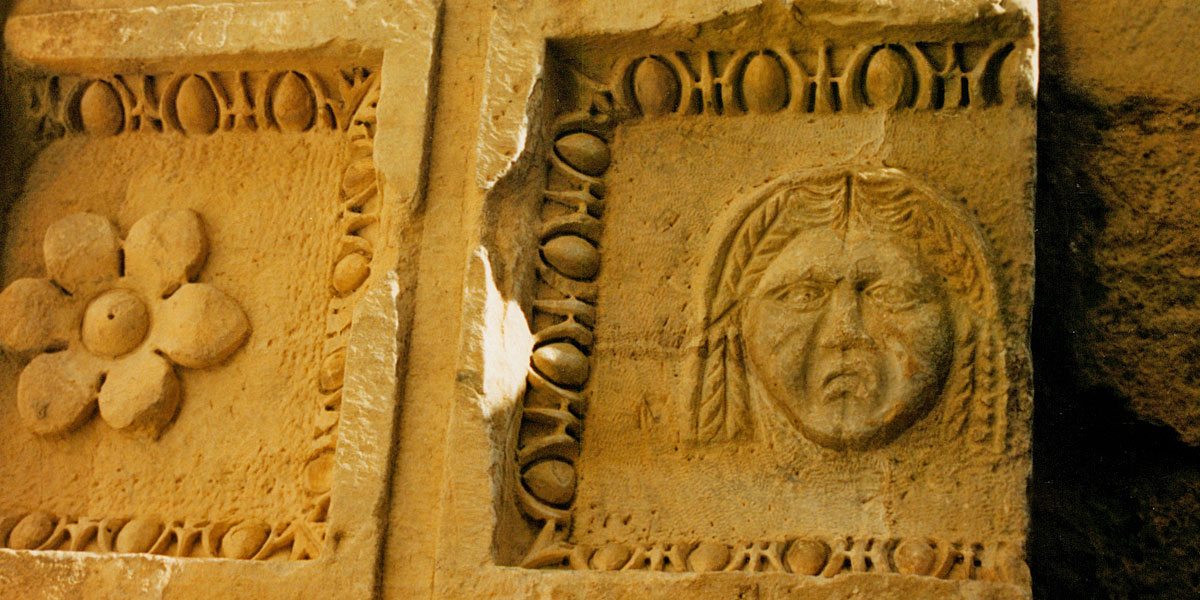
Stone carvings of masks of performers at Myra Roman amphitheater strewn along the hillside
3 / 9
The Crusader castle at Kalekoy
4 / 9
Sarcophagi around the base of the Crusader castle at Kalekoy
5 / 9
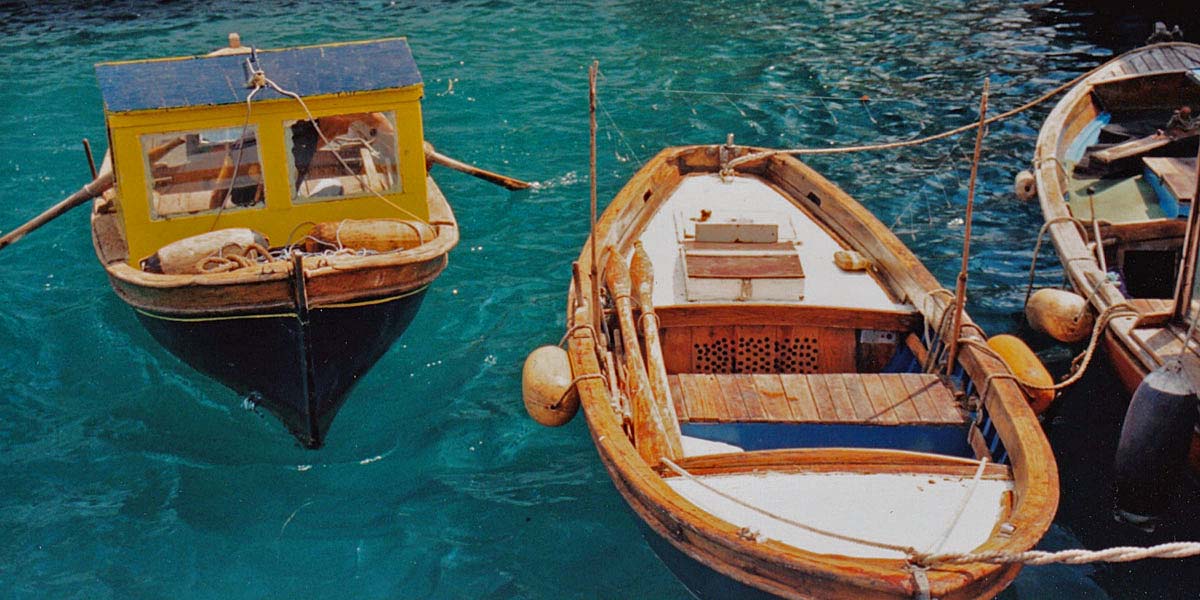
Fishing boats near Kekova Bay
6 / 9
An antique yacht in the harbor
7 / 9
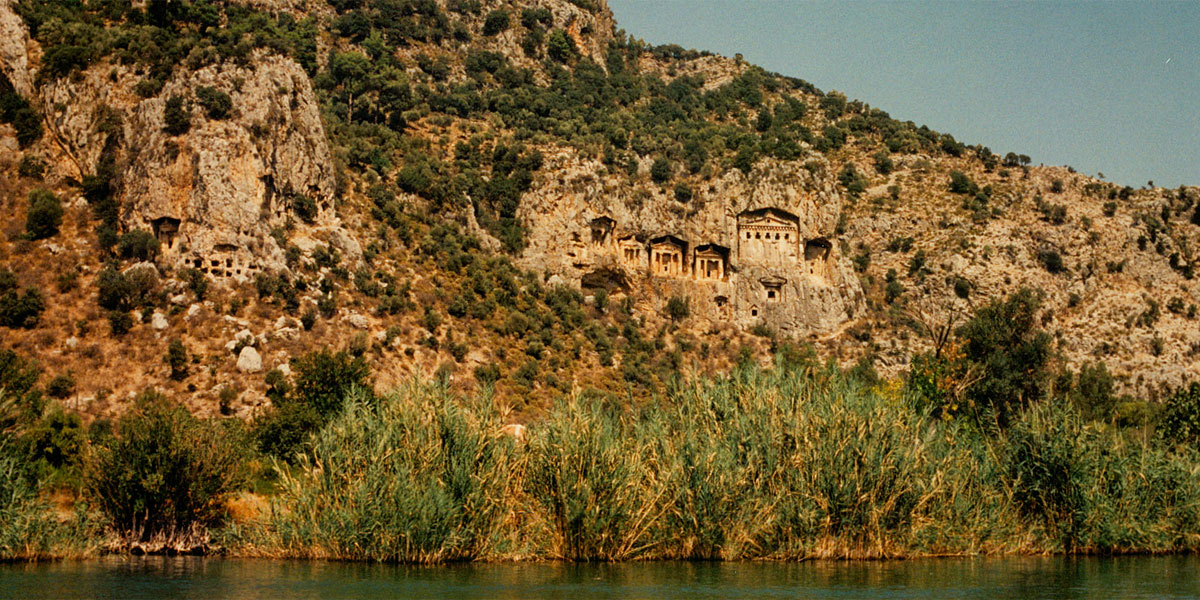
More 4th century BC rock-cut tombs near Caunos
8 / 9
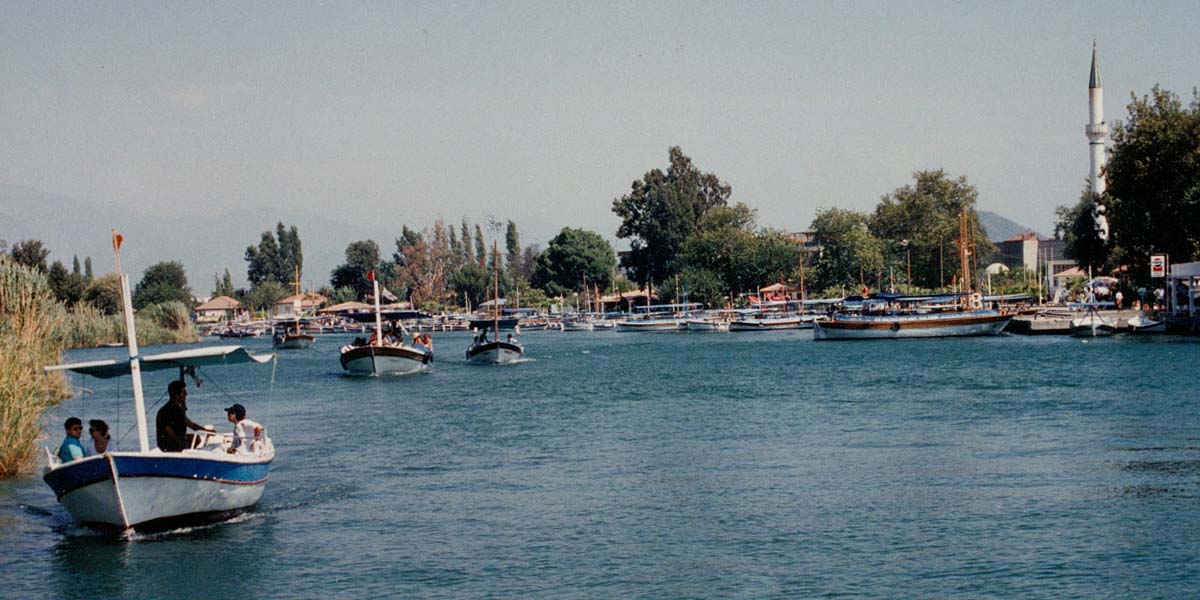
View from our fishing boat cruise down the Dalyan River
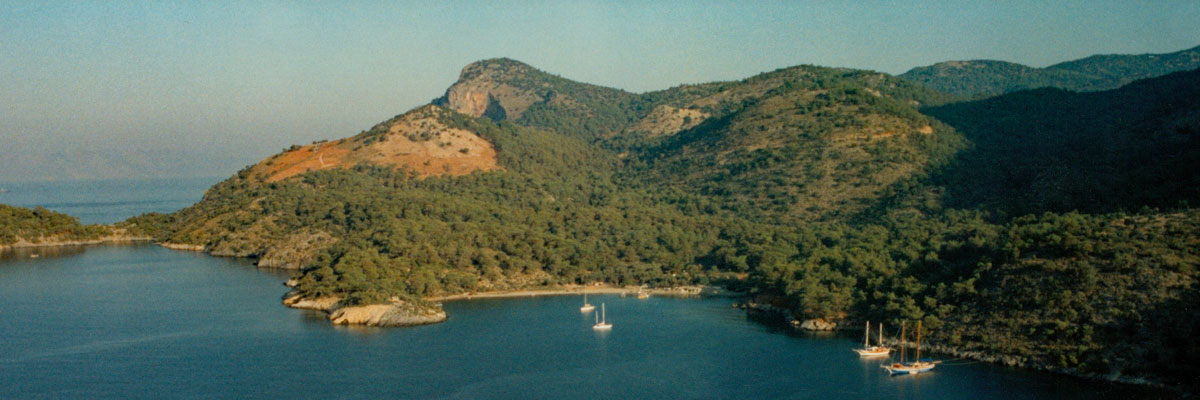
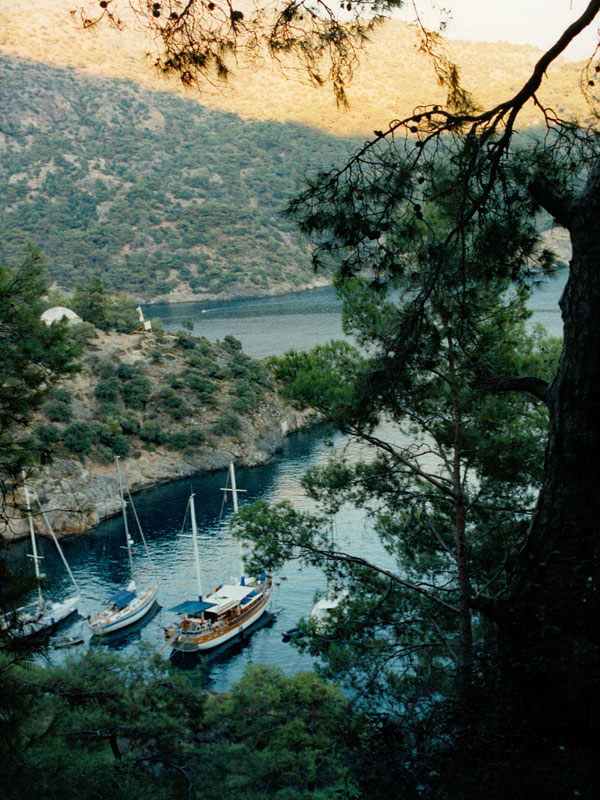
One of the coves where our yacht anchored for the night
Me floating in the Mediterranean
Kaya Koy and Gemiler Island
We sailed to Firnazlar near Kalkan for an early morning swim and breakfast. We continued sailing to Oludeniz, crossing the Seven Capes to hike to the Kaya Koy Greek ghost town. This town has over 600 abandoned homes that once belonged to Greeks who were subjected to a population exchange in 1930. After lunch at Kaya Koy, we met our yacht at Soguk Su Cove for swimming and relaxing on board.
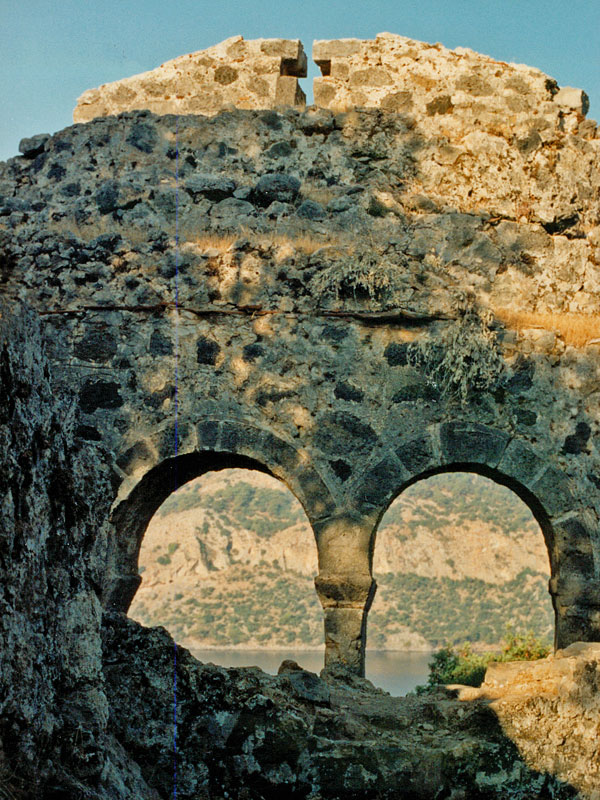
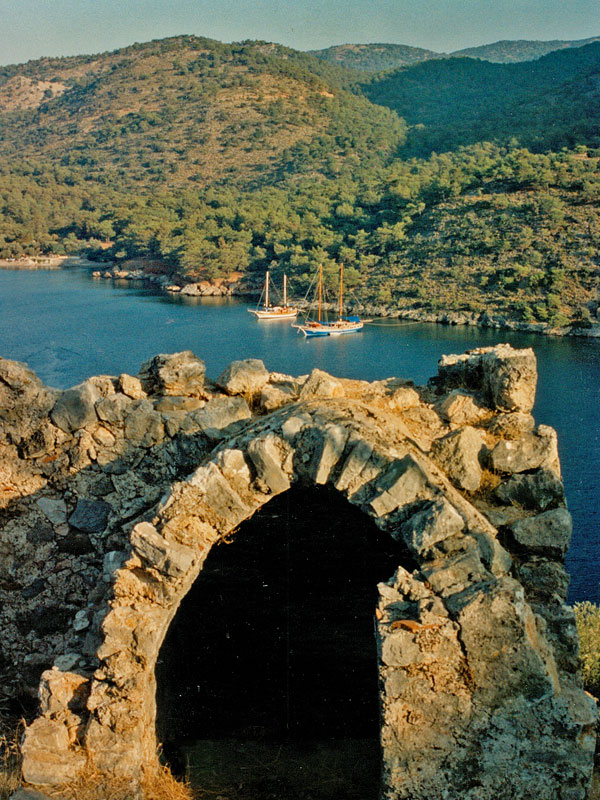
Later, we anchored at Gemiler Island and took an evening hike — circumnavigating the island to see the 6th century ruins of a Byzantine monastic society. We watched the sunset from Gemiler hill overlooking the blue water of the channel below, with Mt. Babadag (7,000 feet) looming to the northeast. We ended a long day with a late evening dinner on board.
Cruise to Fethiye Bay and Hike to Lydae
The next day, we cruised to Turquoise Cove, a beautiful spot near Fethiye Bay (also known as the Sunken baths of Cleopatra). After swimming and snorkeling and lunch on board, we hiked from Hamam Cove to Lydae. Lydae is an ancient Lycian Oracle. Reached only by trail, this was one of the most spectacular treks of the trip. We hiked along the ancient ridge top path with no sign of civilization. We could imagine ourselves on watch for an armada of Persian ships entering Fethiye Bay below. We returned to our yacht for a barbecue dinner on board.
Dalyan River and Caunos
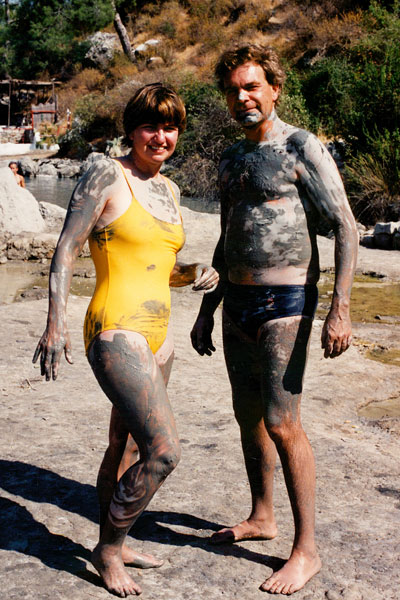
The next day we sailed to Iztuzu beach from where we boarded a fishing boat to explore the Dalyan River which runs through a maze of bamboo and cattails. We stopped at a secluded natural hot sulphur springs to take a warm mud bath. We washed off in the fresh water at nearby Koycegiz and had a seafood lunch at Dalyan. We then climbed
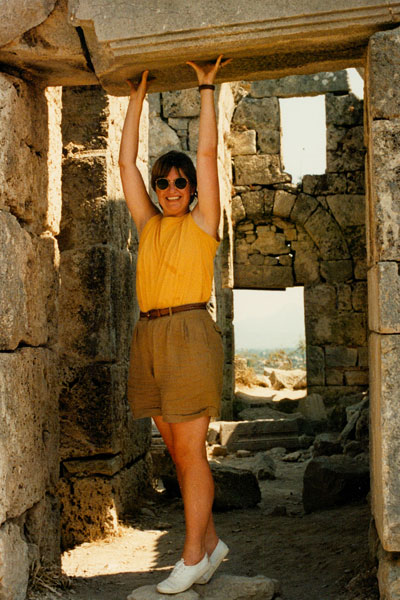
up to the 4th century rock-cut tombs and toured the Carian ruins in Caunos. We explored Roman baths, crumbling temples, an amphitheater, and a hilltop medieval citadel. Our fishing boat returned us to our yacht for an overnight at Ekimcik Cove.
After our mud bath in the hot sulphur springs along the Dalyan River
Me holding up the crumbling ruins at Caunos
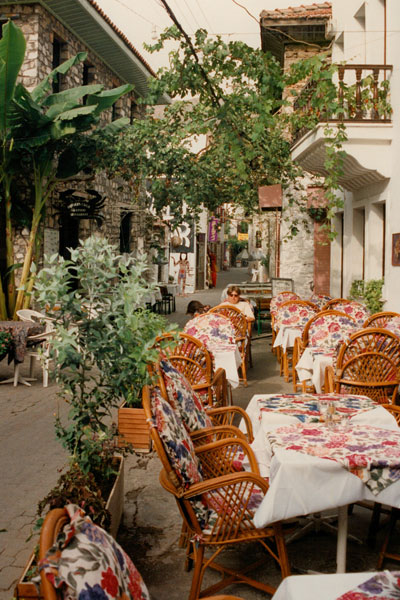
One of the many cafes along the harbor at Marmaris
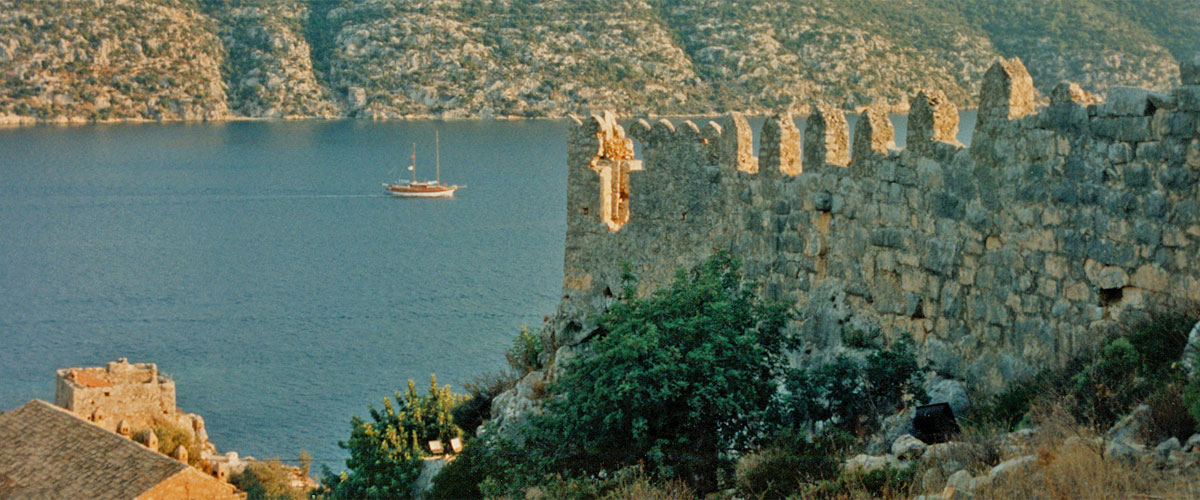
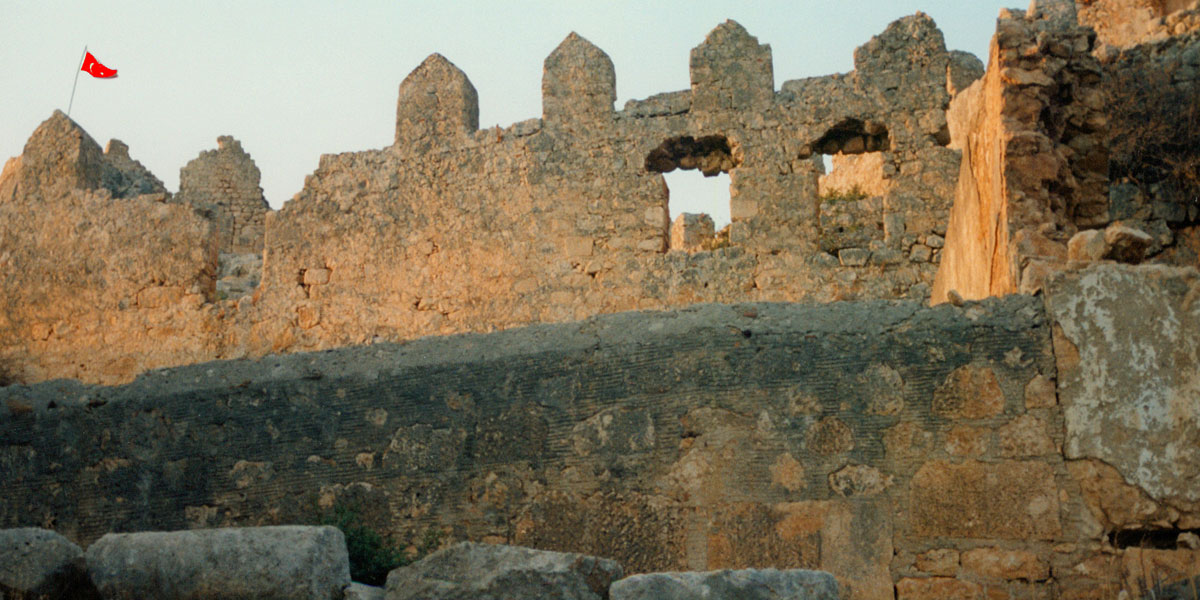
View from the Crusader castle at Kalekoy overlooking Kekova Bay
6th century ruins of a Byzantine monastic society on Gemiler Island
View of the harbor from the top of Gemiler Island
Marmaris
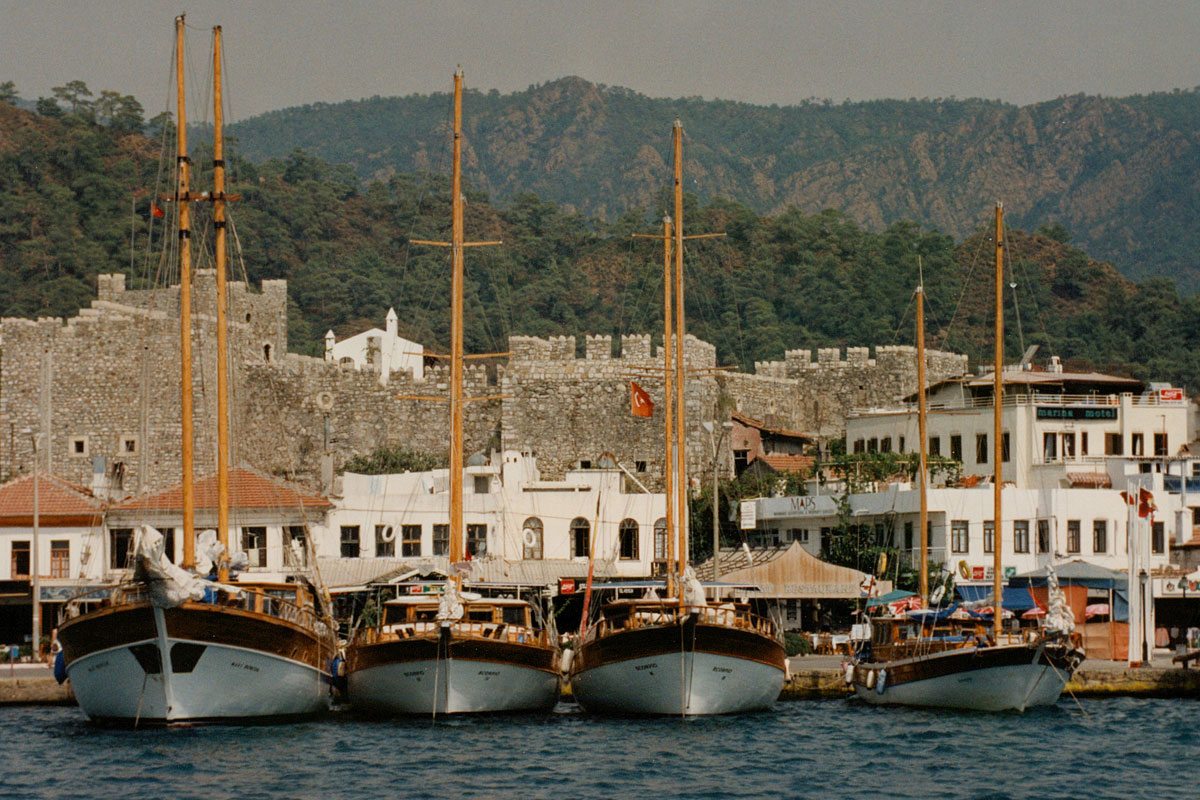
We spent our last morning on the Mediterranean swimming and relaxing before sailing to Marmaris. Our yacht was moored at the natural harbor of this picturesque town with red-tiled roofs and a medieval fortress perched on a hill. After exploring the town, we had dinner at one of the many open-air restaurants along the harbor.
The harbor at Marmaris where we left our gulet
Ephesus
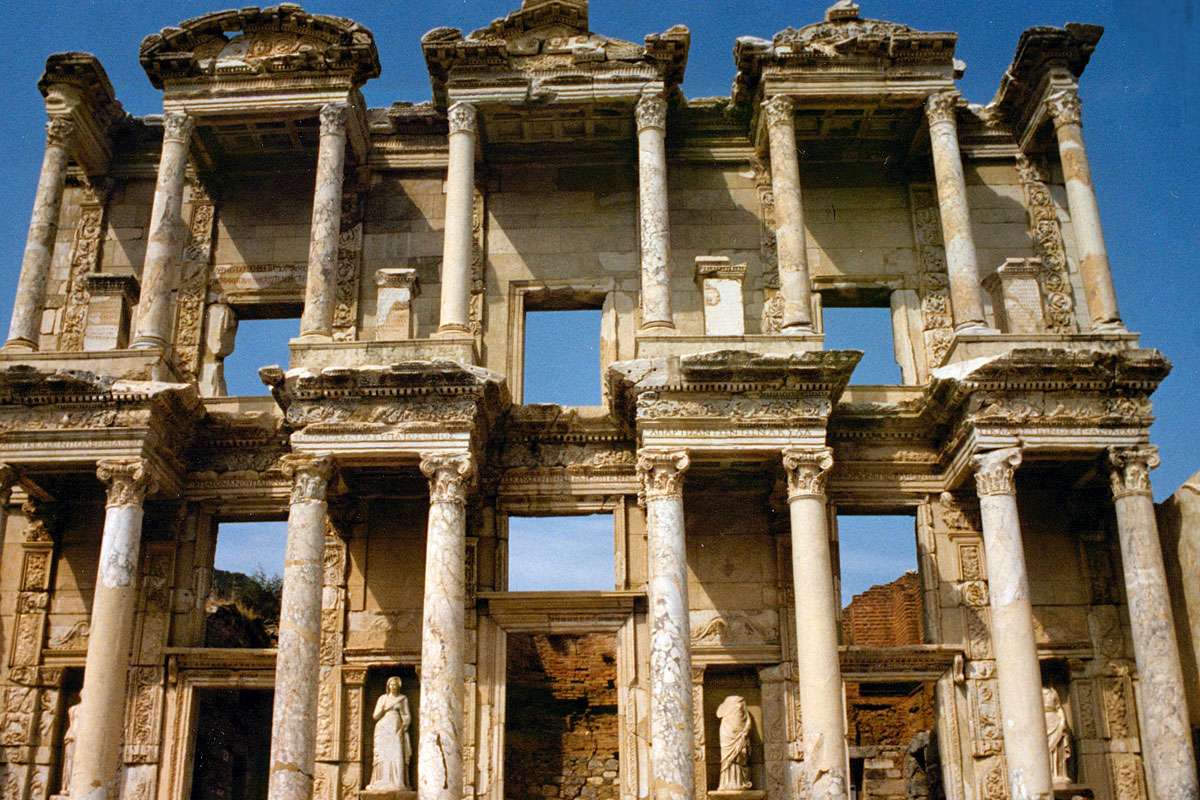
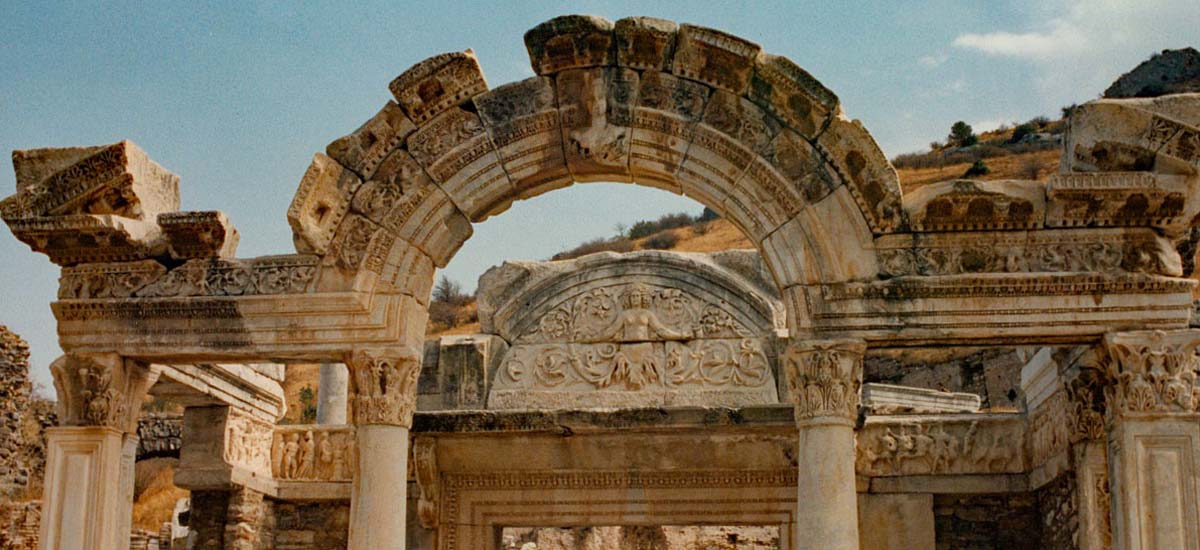
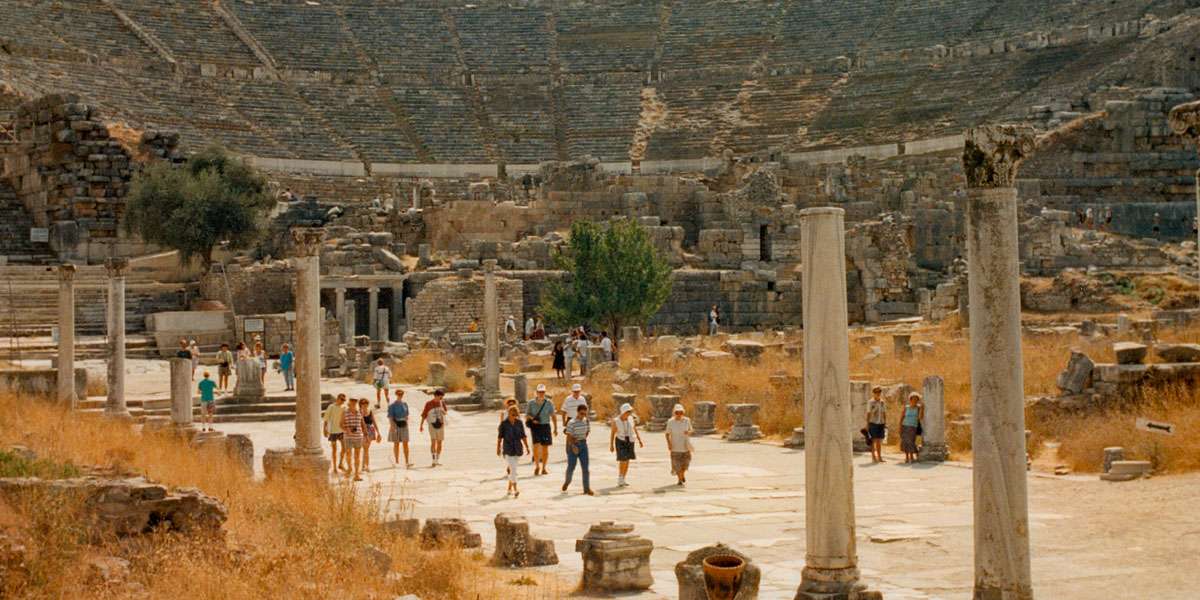
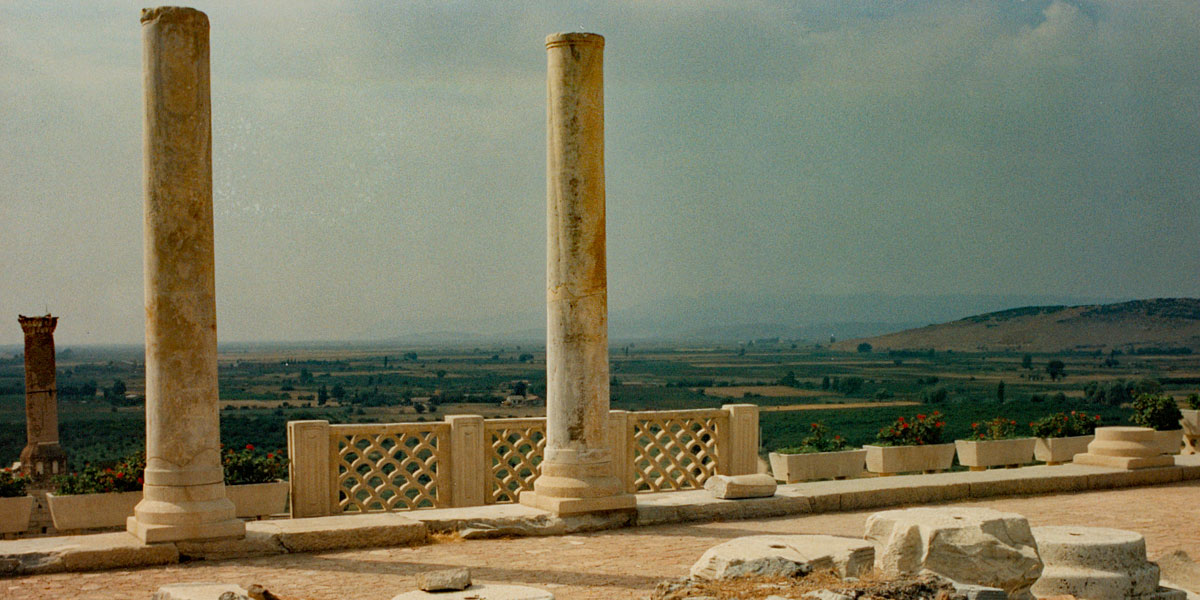
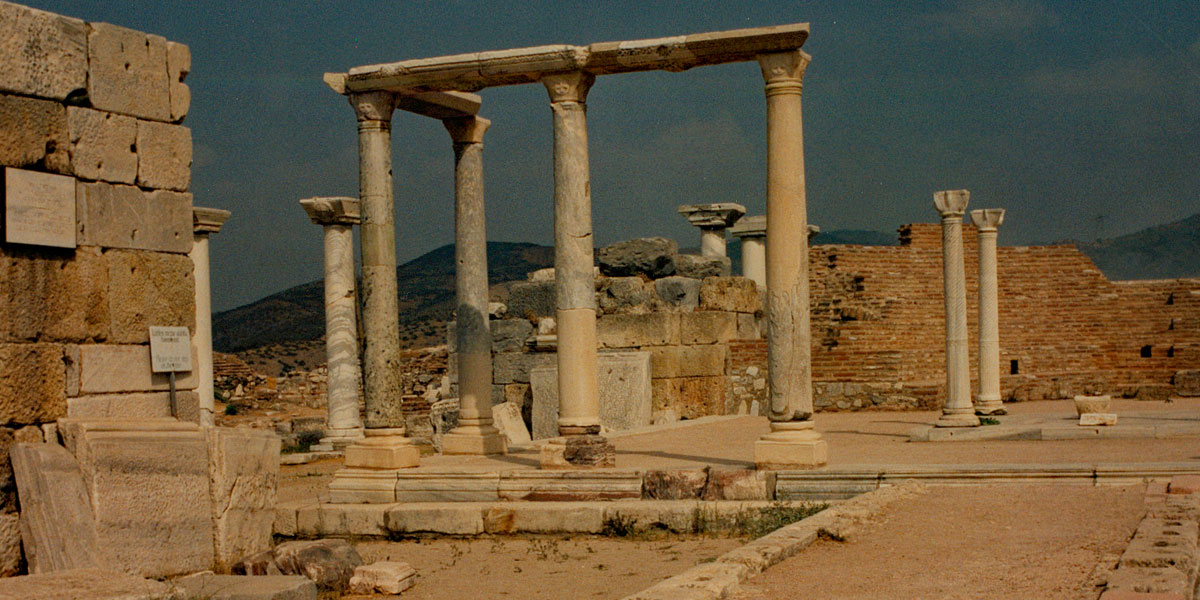
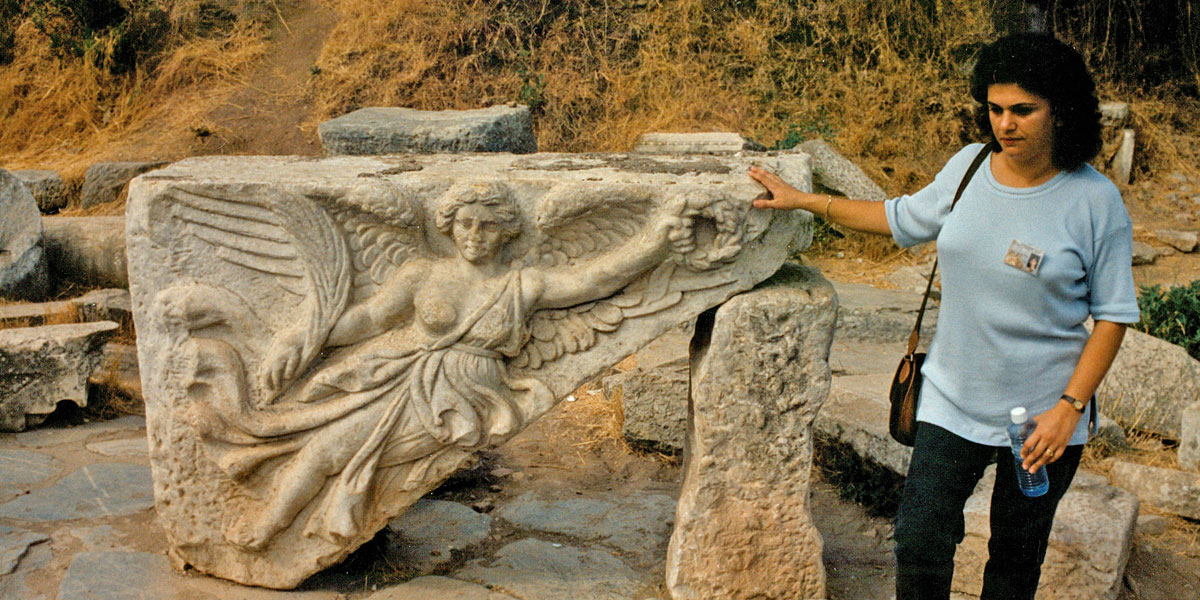
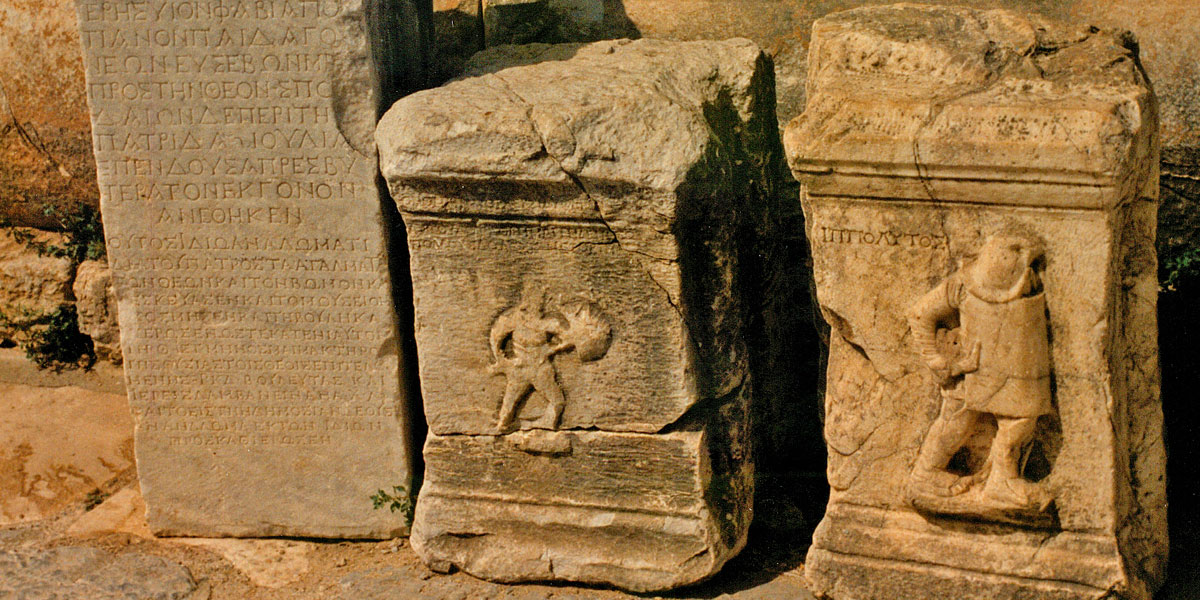
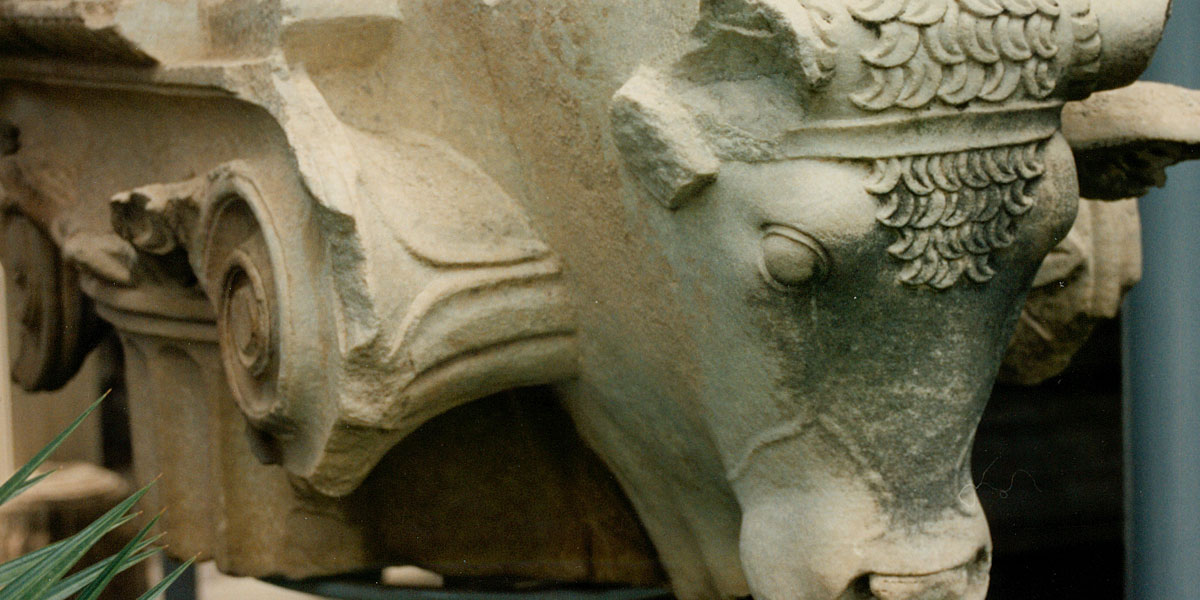
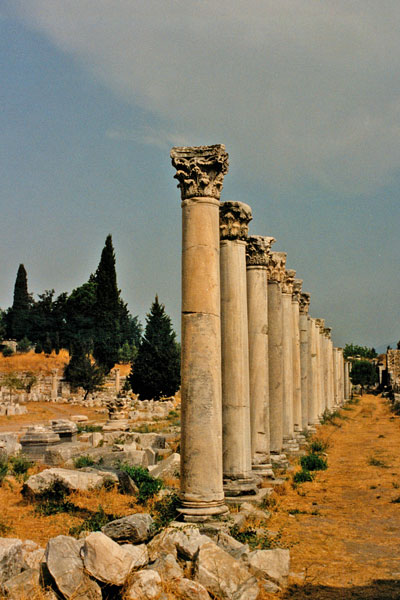
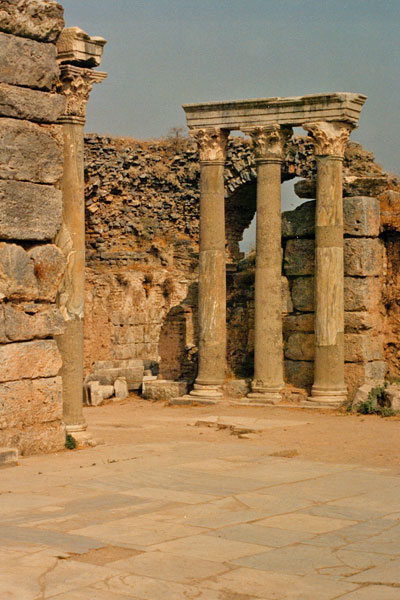
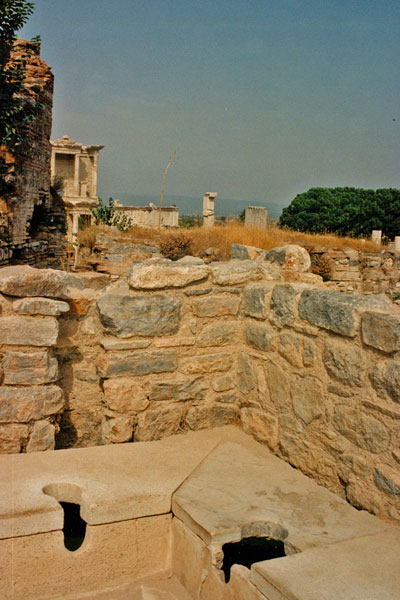
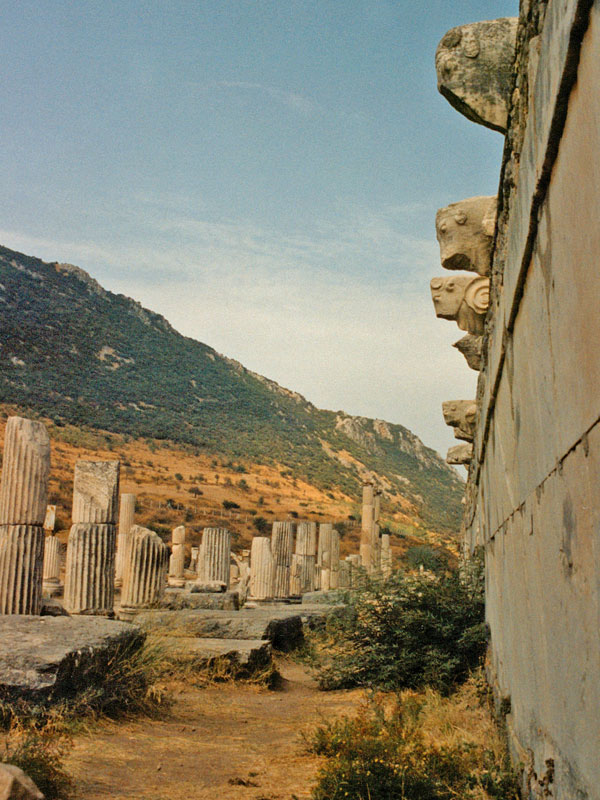
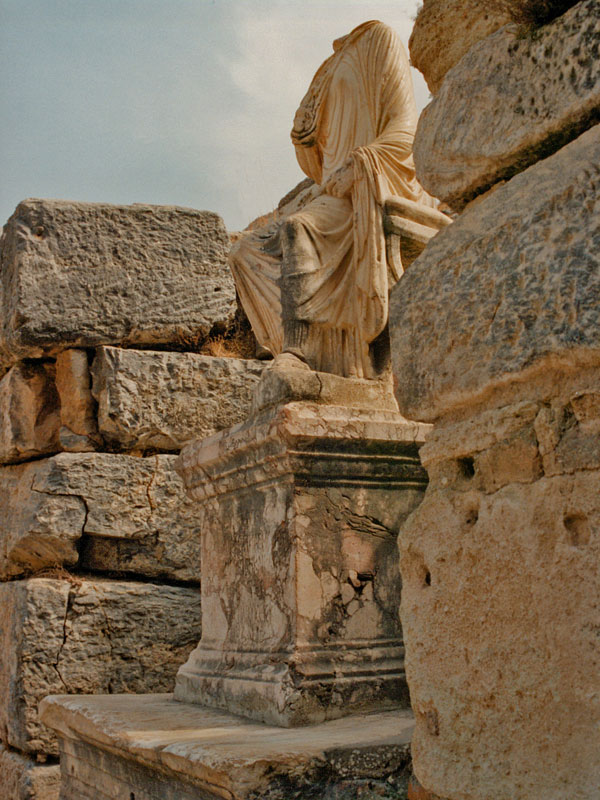
he next morning, our little bus took us to Ephesus. In Seljuk, we visited a museum with Greco-Roman, Byzantine, and Ottoman artifacts spanning nearly three millennia of history. We then toured the ruins of Ephesus with a specialist guide. Ephesus offers a glimpse into the multi-faceted heritage of the myriad civilizations that populated the coastline of the Aegean. Romans of the 1st and 2nd centuries brought the greatest level of prosperity to Ephesus, which became the capital of the Roman world in Asia. The excavated city winds its way up a hillside, with colonnaded avenues, ancient temples, agora, a stadium, shops, and houses, along with the ornate two-story Library of Celsus. After lunch, we drove to Izmir for our flight to Istanbul.
View of Crusader castle wall at Kalekoy overlooking Kekova Bay
Postscript. While we were traveling in Turkey, Tansu Ciller — an academic and economist — served as the first woman Prime minister (from 1993 to 1996) and leader of the True Path Party. We felt very safe, particularly the women in our group. Since coming to power in 2002, President Recep Tayyip Erdogan has overseen a radical transformation of Turkey. Once a pillar of the Western alliance, the country has embarked on a militaristic foreign policy, and its democracy, sustained by the aspiration to join the European Union, has given way to one-man rule.
 In the summer of 1994, a local mountaineering outfitter (Bivouac in Ann Arbor) advertised that they were putting together a small group for a hiking trip across Turkey. Given that we are always enthusiastic about traveling to exotic places, Peter and I signed up for this three-week trip. We departed the U.S. in early September and met ten other people in Istanbul after a short layover in Amsterdam. From Istanbul, we flew to Kayseri from where we began our journey through the Turkish countryside to the Mediterranean.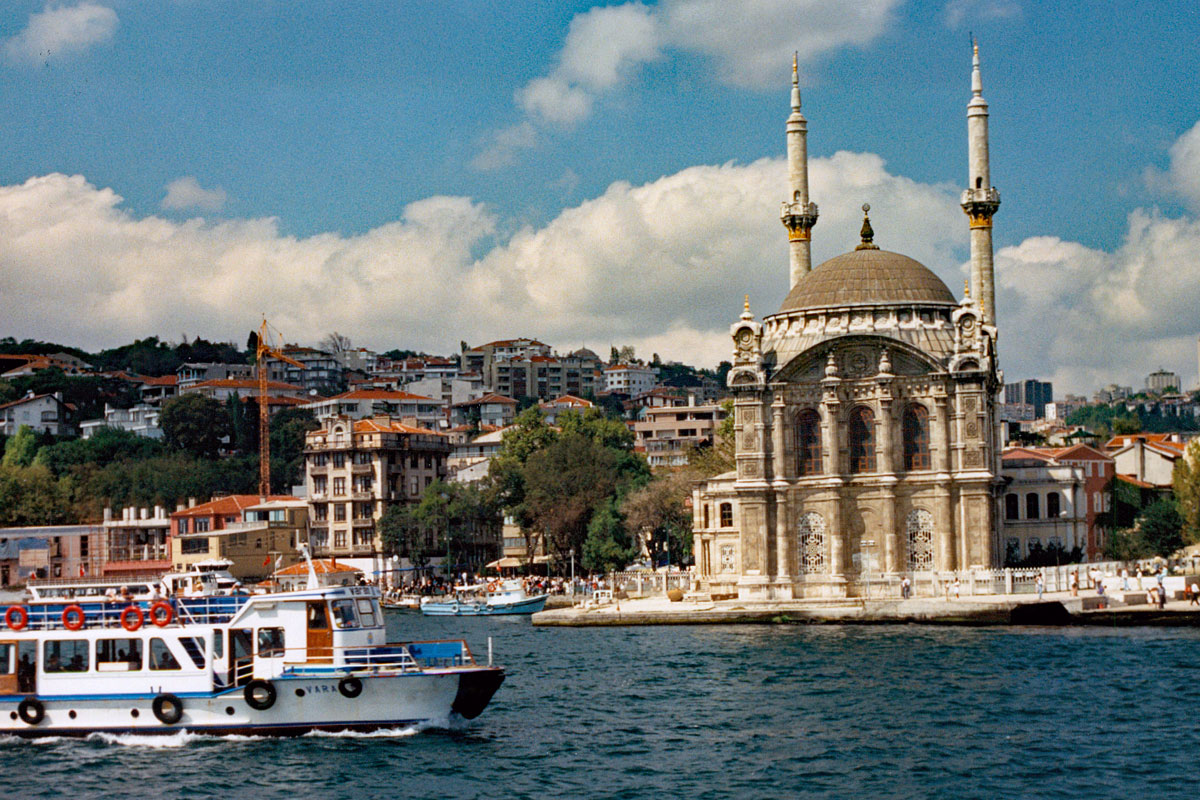
 Efforts to modernize Turkey started during the 19th century. Following the Turkish Revolution at the end of World War I, reforms were initiated by Mustafa Kemal Ataturk — the revolutionary leader and the first president of the Republic of Turkey. Secularism and the establishment of women's rights were among the proudest achievements of the Republic. The first woman Prime Minister, Tansu ciller, was elected in 1993, just a year before our visit, and served until 1996.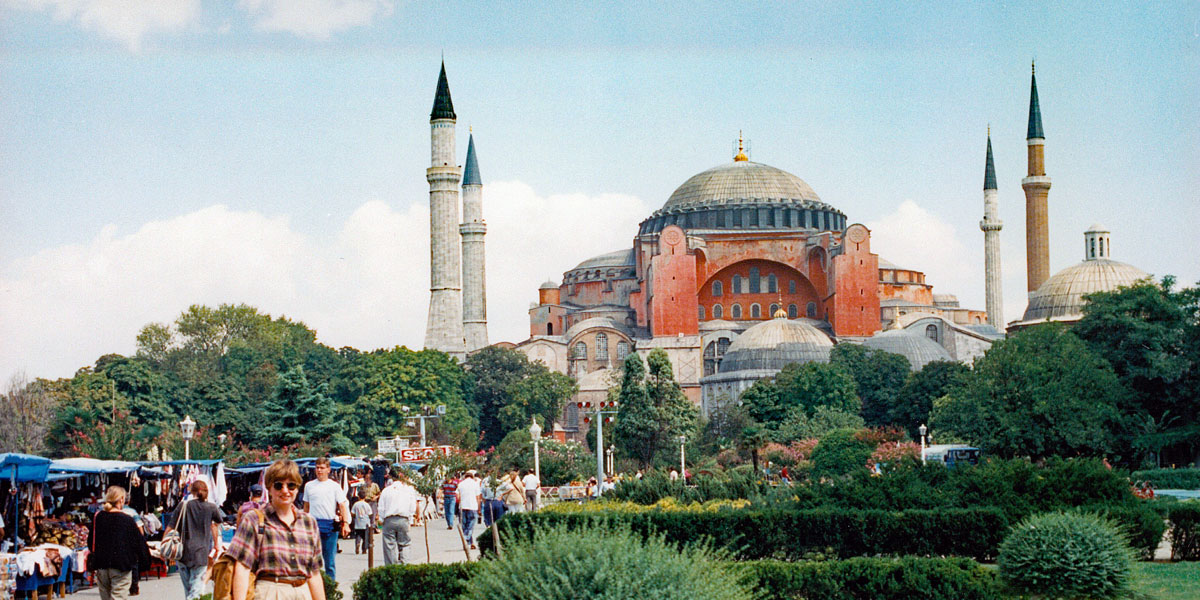


 En route to Olympos, we hiked to the Eternal Fires of Chimaera via a lavender and pine-studded trail. This is the site where the mythological hero Bellerophon, riding his winged white horse Pegasus, killed the monster-like Chimaera which had the head of a lion, the body of a goat, and hindquarters of a serpent. Today, 15-20 flames, produced by gas, burn perpetually from holes in the ground. The photo (to the left) includes a hat and backpack for scale.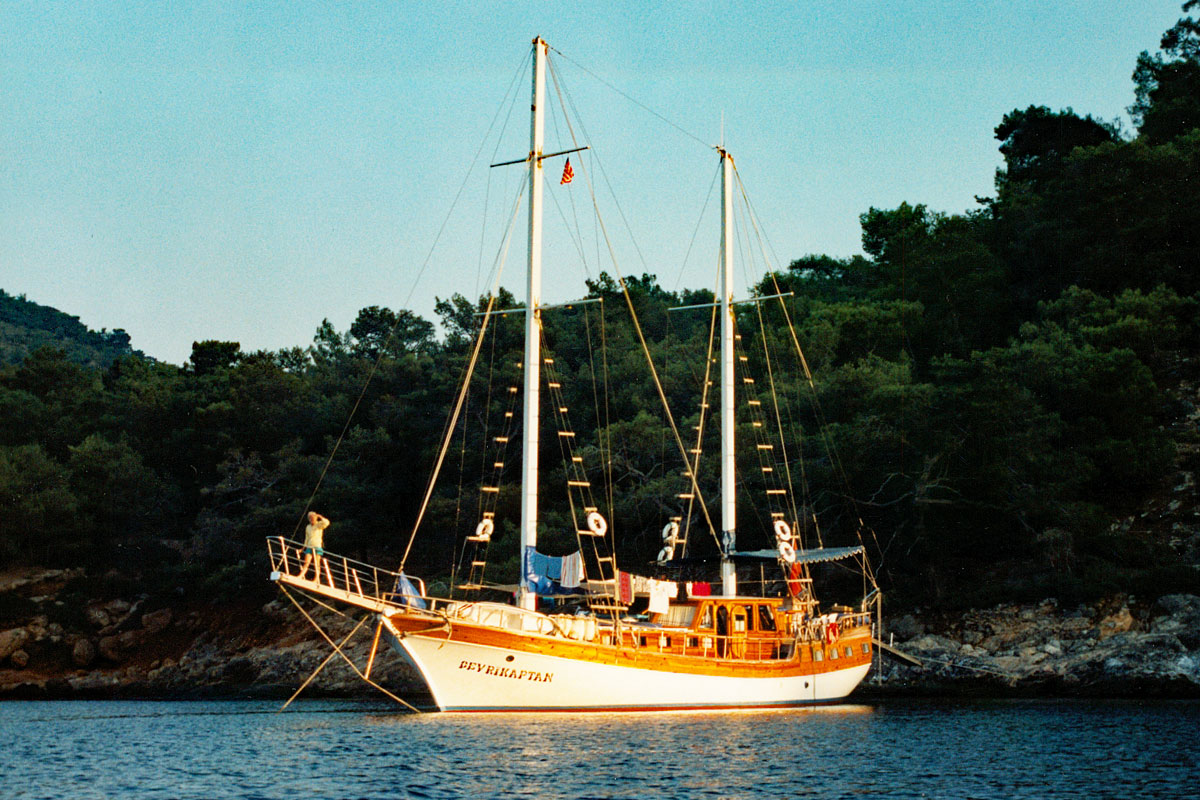


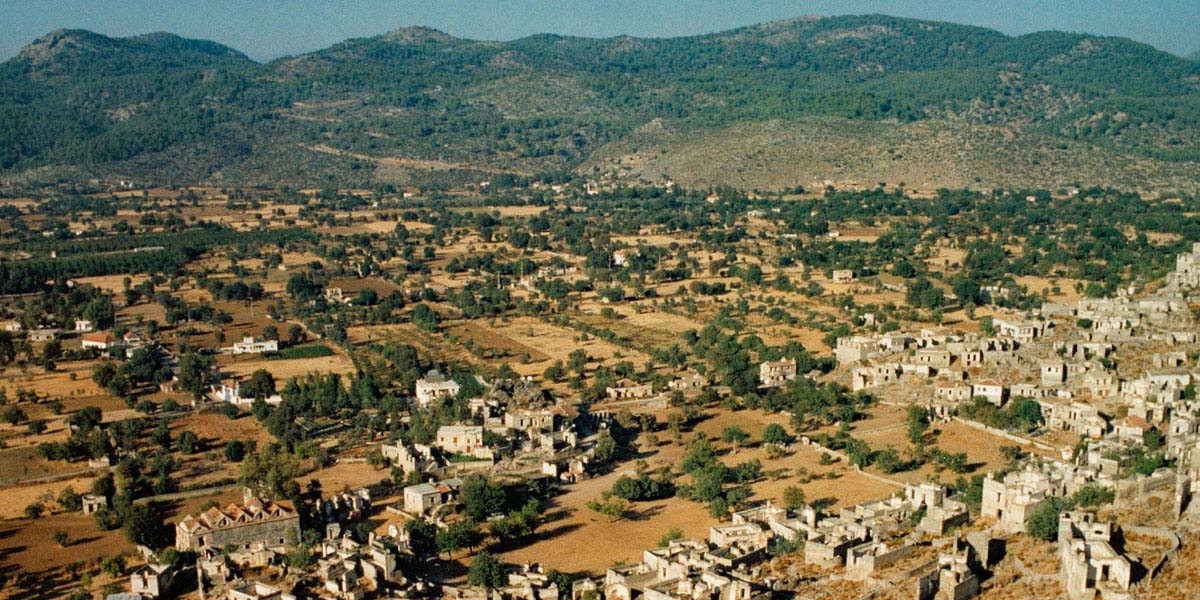

 We sailed to Firnazlar near Kalkan for an early morning swim and breakfast. We continued sailing to Oludeniz, crossing the Seven Capes to hike to the Kaya Koy Greek ghost town. This town has over 600 abandoned homes that once belonged to Greeks who were subjected to a population exchange in 1930. After lunch at Kaya Koy, we met our yacht at Soguk Su Cove for swimming and relaxing on board.