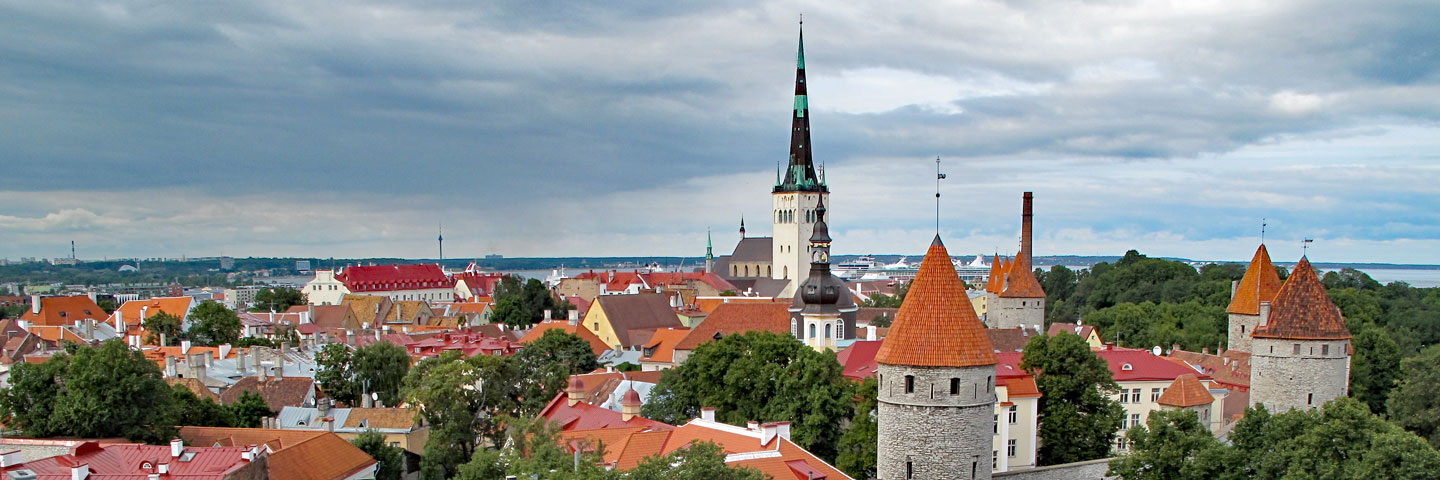
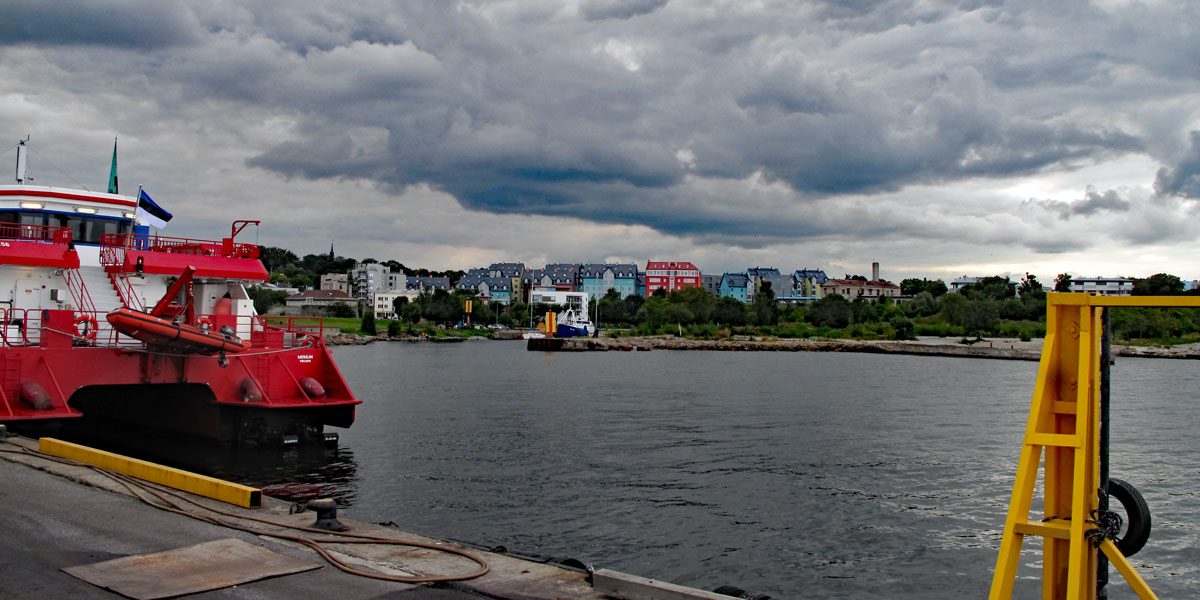
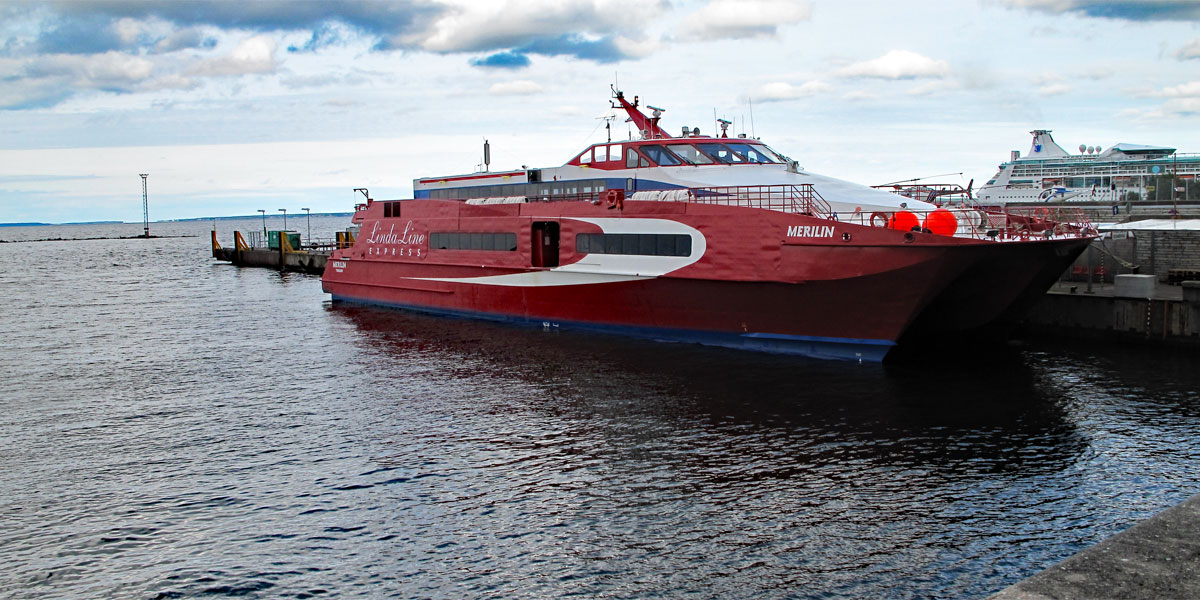
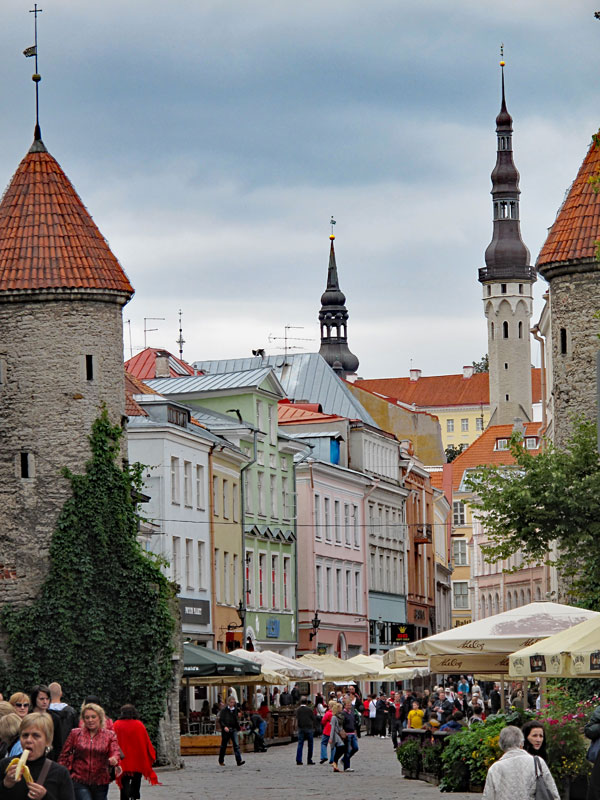
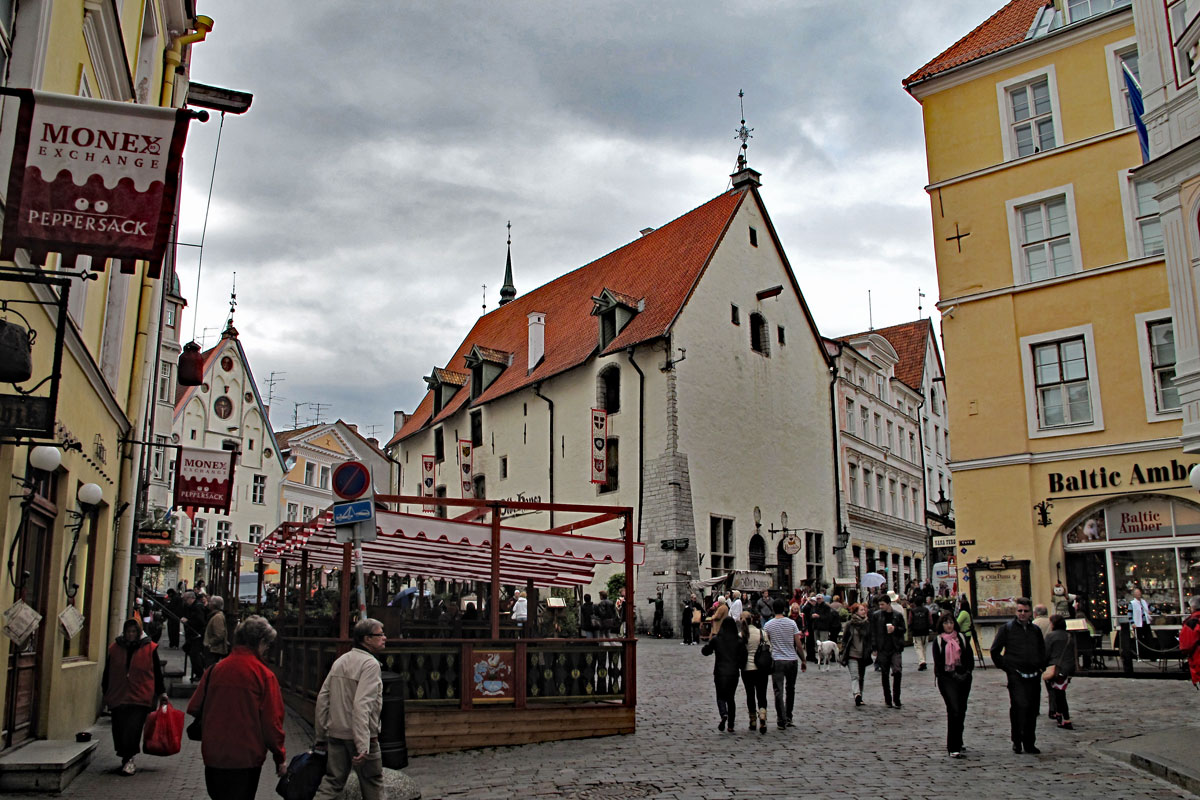
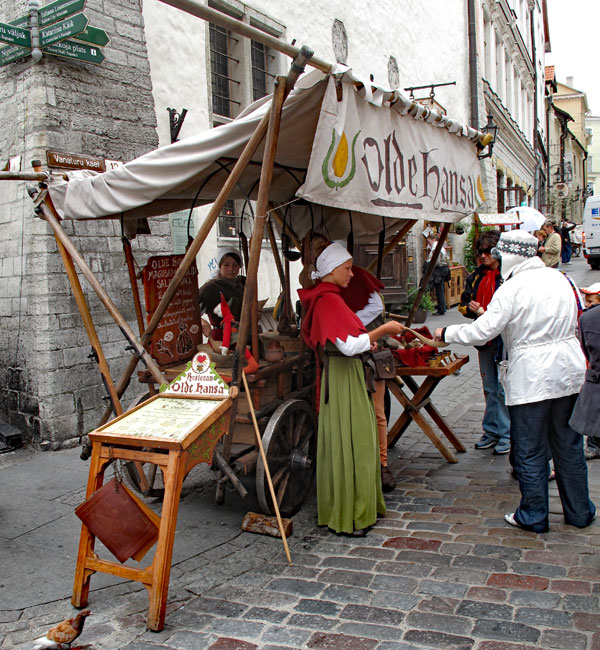
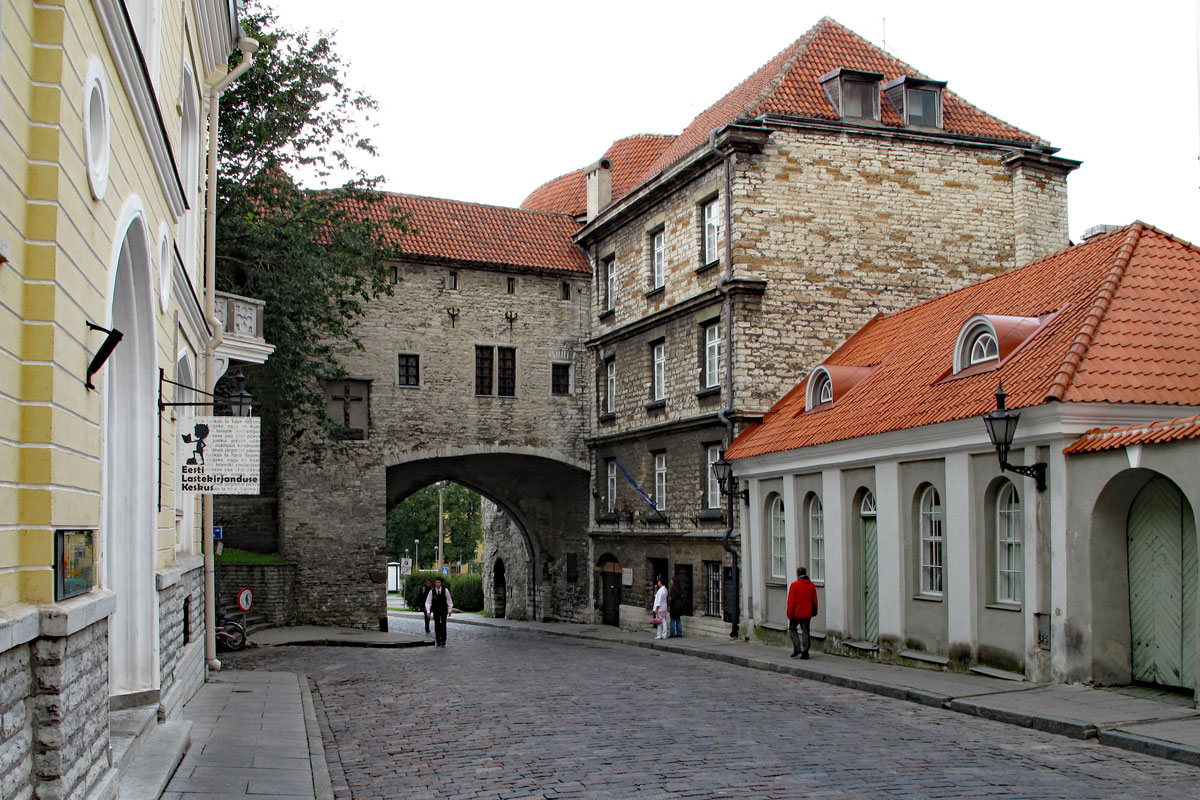
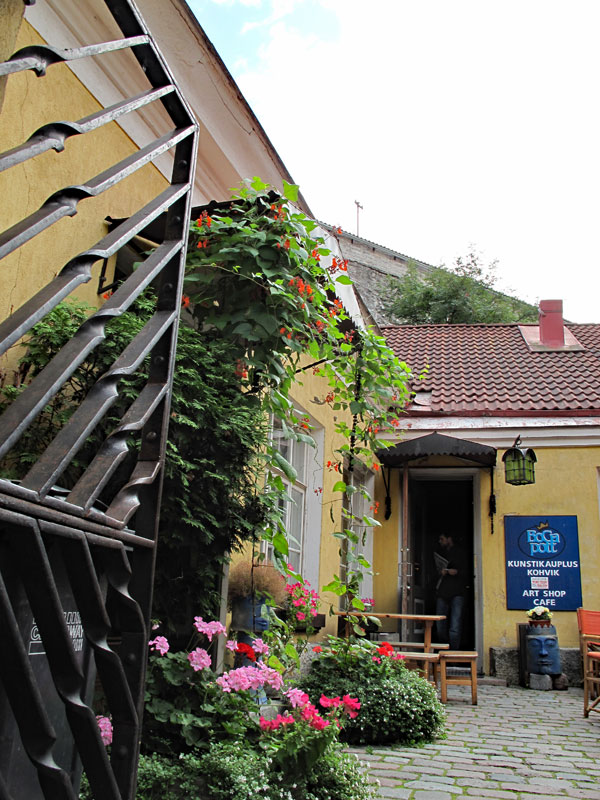
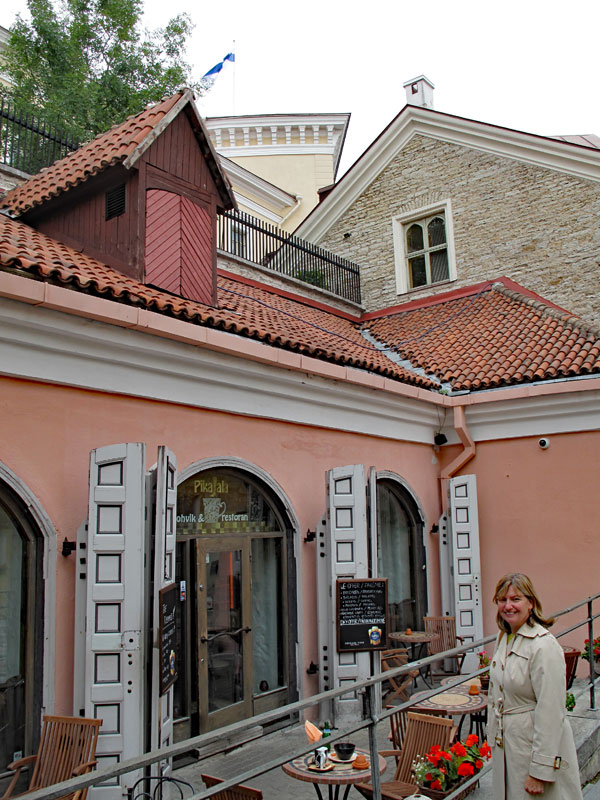
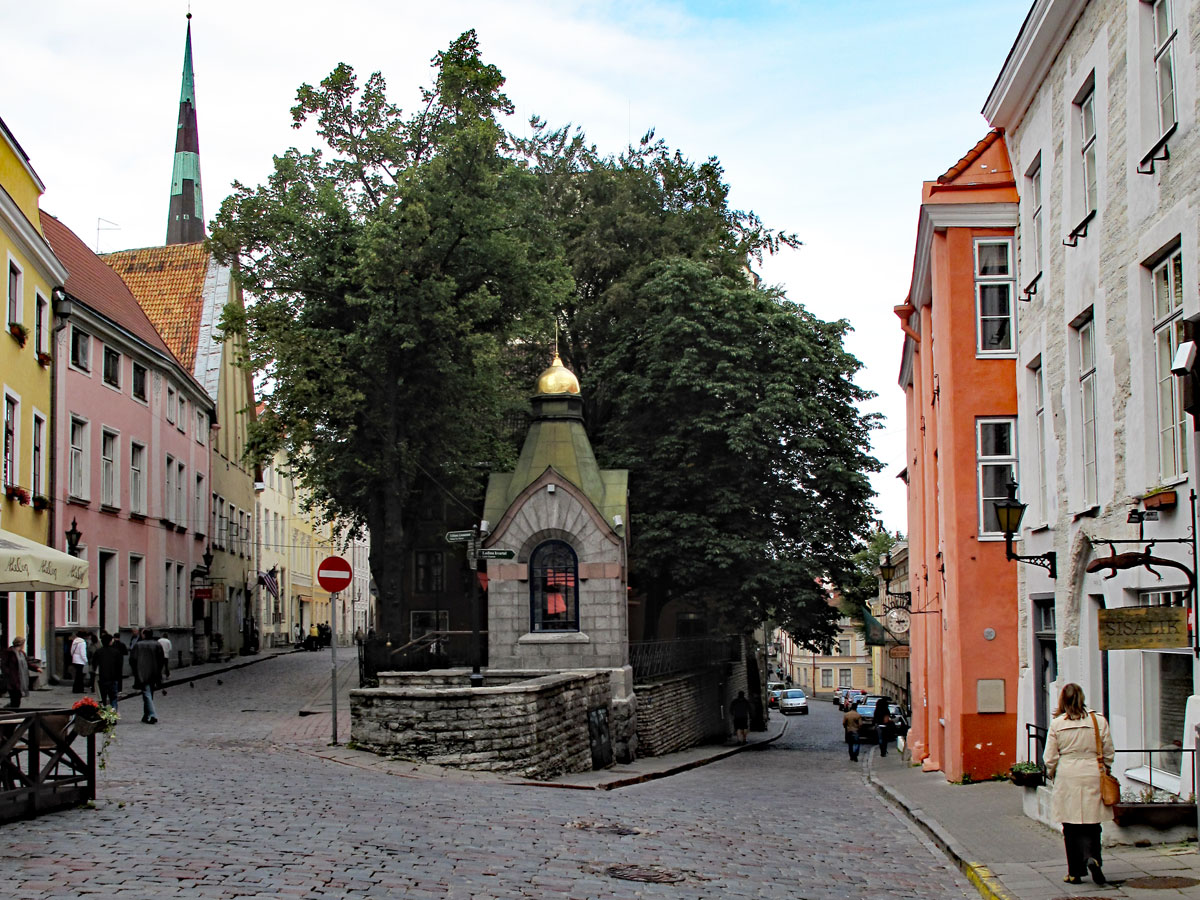
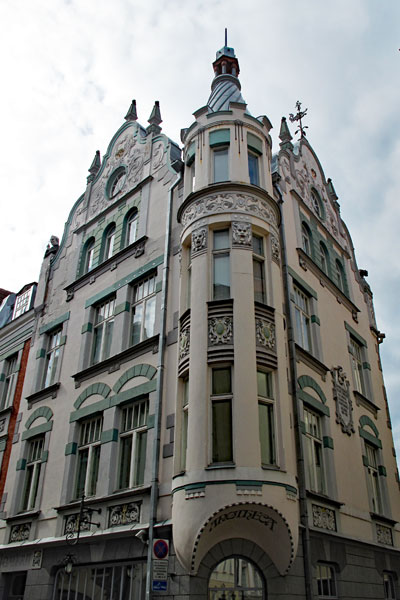
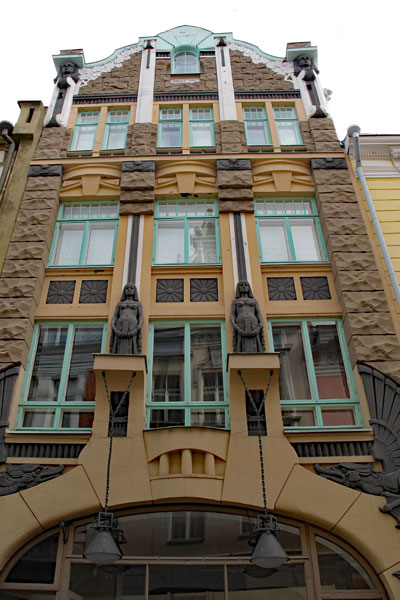
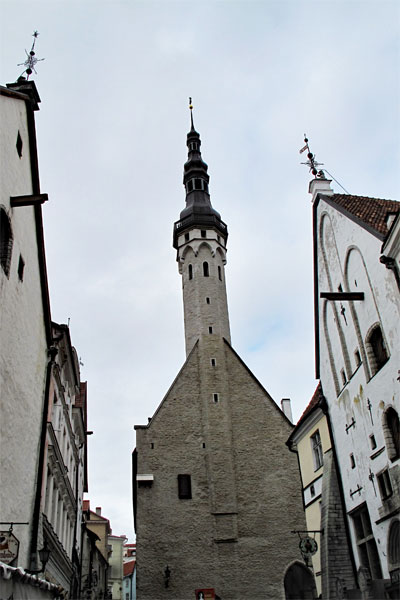
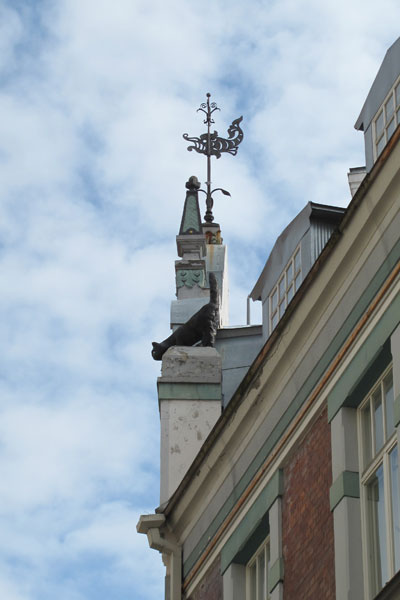
 While we were in Helsinki in August 2010, Peter and I took a two-hour ferry trip to Tallinn — Estonia’s capital city on the Baltic Sea. After arriving at the ferry port, we made our way to the charming walled cobblestone streets of the Old Town, a UNESCO World Heritage Site known for its medieval architecture. Tallinn's mostly intact city wall includes 26 watchtowers, each topped by a pointed red roof. Located about halfway between Stockholm and St. Petersburg, Tallinn is influenced by both Nordic and Russian culture.
Old Town in Tallinn
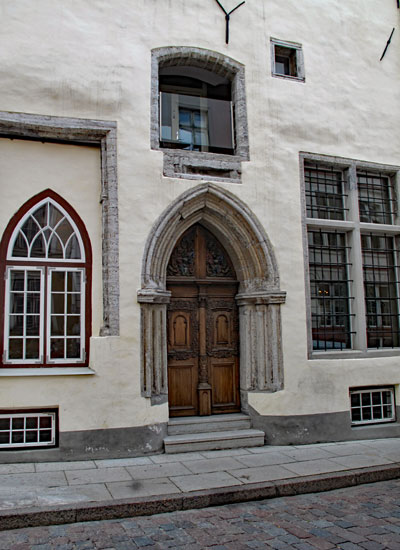
Tallinn once consisted of two feuding medieval towns. The lower of the two, the Old Town, was an independent city, a Hanseatic trading center filled with German, Danish, and Swedish merchants who hired Estonians to do their menial labor. Walking through Tallinn’s central square, we could see some of the homes and warehouses from the medieval traders. The 15th-century town hall dominating the square is now home to the Tallinn City Museum.
Lots of Beautiful Churches
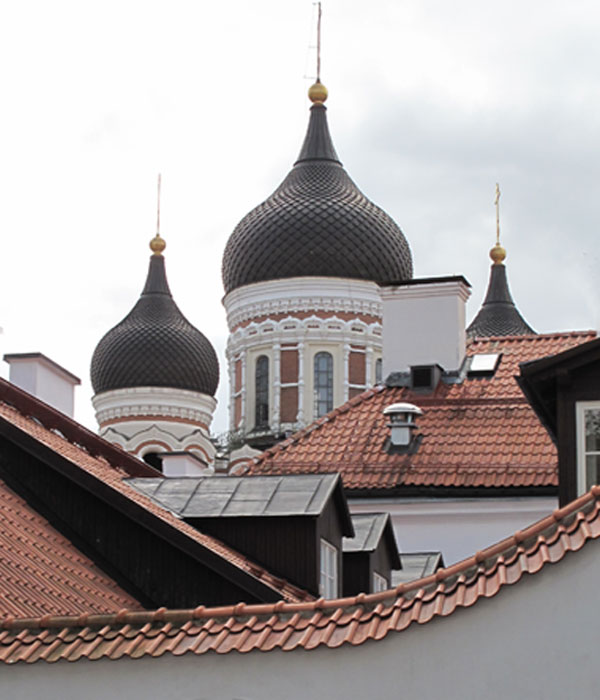
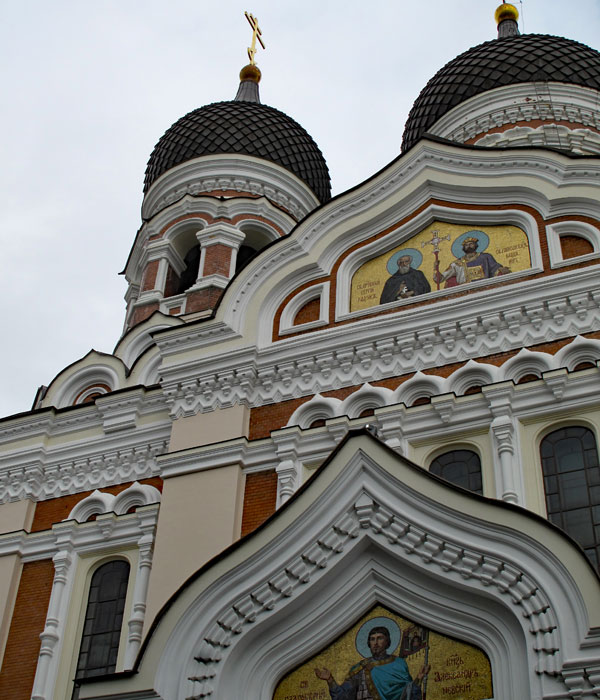
Tallinn also has some beautiful churches. The Alexander Nevsky Cathedral is an exotic Russian Orthodox cathedral completed in 1900 and is the largest cathedral in Tallinn. In comparison, the Church of the Holy Spirit is a very austere medieval Lutheran church constructed in the 13th century. St. Olaf's Church, located in the upper town within the Old Town walls, is the oldest church in Tallinn with parts dating back to the 12th century when it was the center of the city’s Scandinavian community.
Fanciful Building Facades and Roof Tops
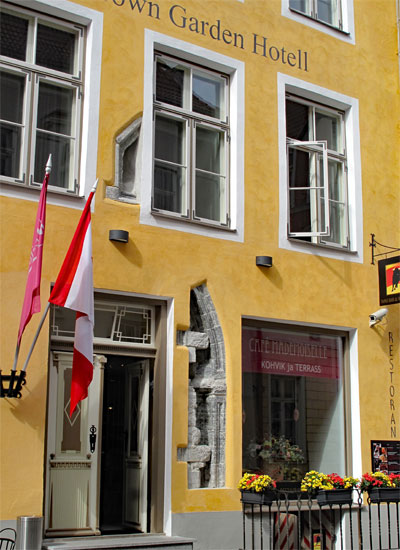
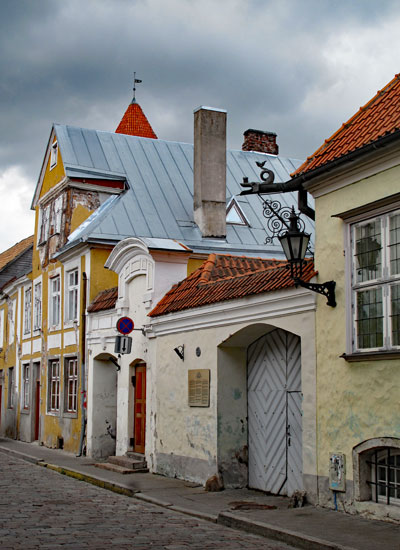
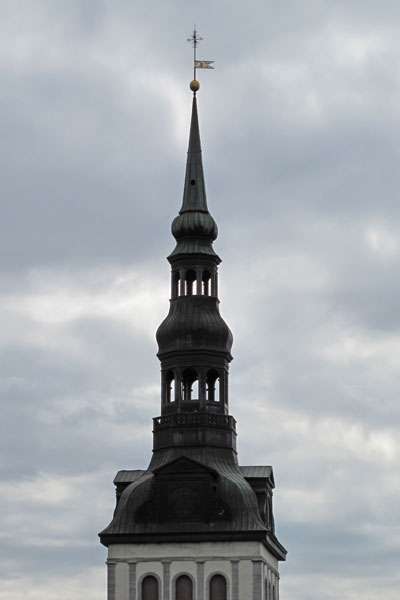
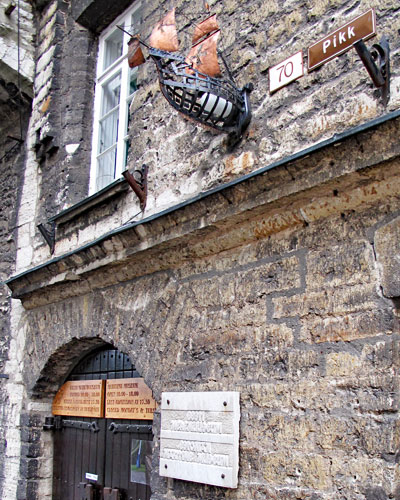
Many of the buildings had decorative facades with beautiful carvings, decorations, and ironwork. There was a variety of fanciful roof tops, watch towers, and onion domes where ever we looked.
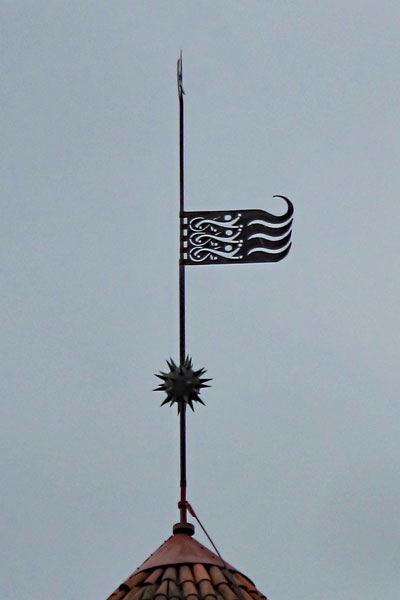
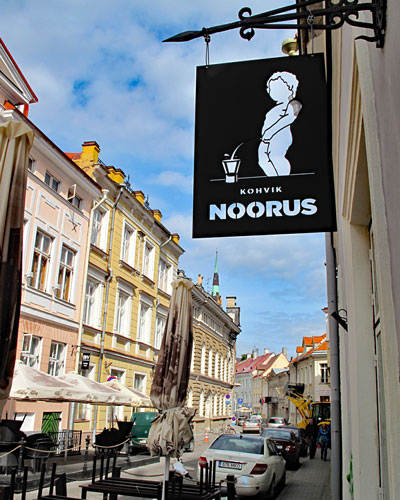
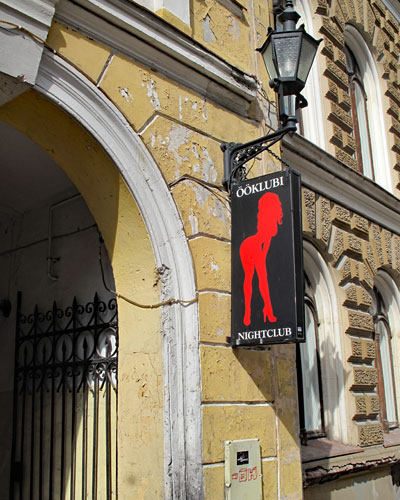
Many of the buildings had decorative finials and weather vanes or other distinctive ornaments on their roofs; many of the shop signs were also memorable.
Heading Back to Helsinki
At the end of the day, lucky that the rain had abated, we headed back across the Baltic Sea to Helsinki.