In May 2004, Peter and I spent a week in Stockholm. He had visited this city in 1982 for business and was excited to go back and explore more of the area. We booked an ultra-modern hotel near the Stockholm Central Station in the Norrmalm district of central Stockholm. Stockholm is a very walkable city with seven central districts, each with its distinct vibe — from Sodermalm's laid back nightlife to Djurgarden's green and serene surroundings to the hectic big-city life on Norrmalm.
Water Everywhere
Stockholm, the capital of Sweden, encompasses 14 islands and more than 50 bridges on an extensive Baltic Sea archipelago. The Swedish capital’s character has been shaped by water over the centuries and life on this scattering of islands continues to be dominated by it. People talk about Venice and Amsterdam as being defined by their canals, but the essence of Stockholm is every bit defined by water. Its landscape was shaped by the last Ice Age, when glaciers compressed soils to below water levels. Over time, the terrain began to re-emerge from the depths, forming the islands that now make up the city.
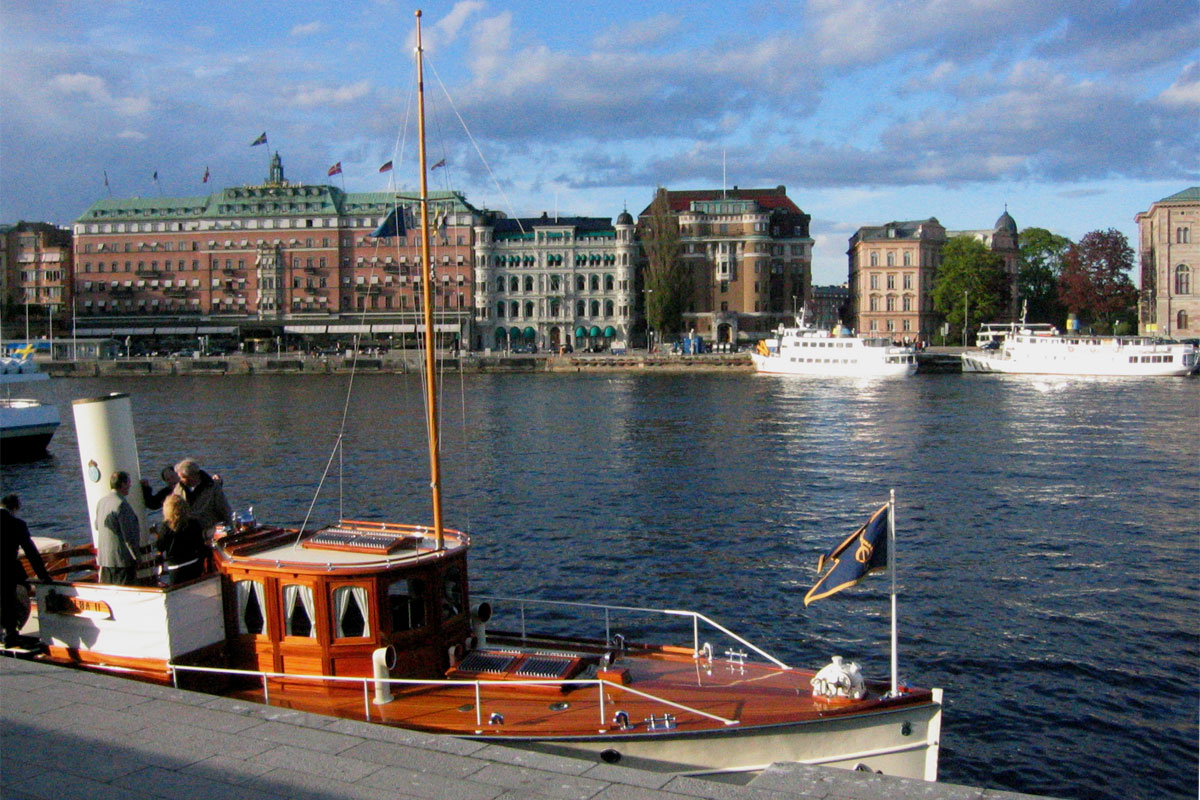
View of the Grand Hotel
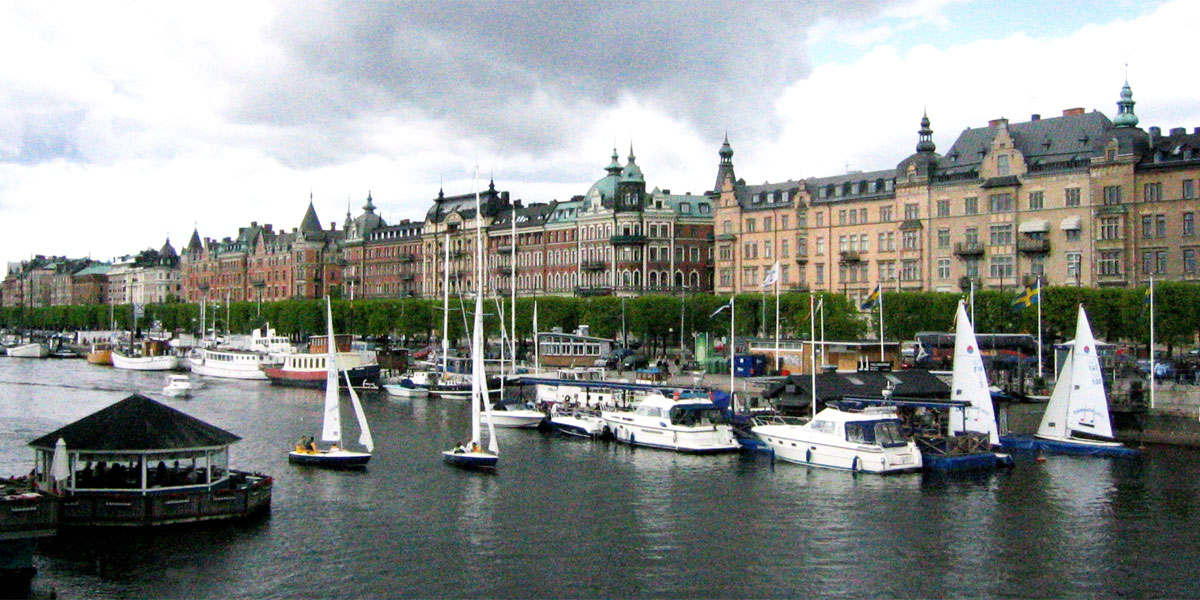
Another view of the harbor
Iconic view of Stockholm
Interesting Architecture, Museums, and Public Art
Like the other Hanseatic cities that we visited, Stockholm has interesting architecture, museums, and displays of public art everywhere.
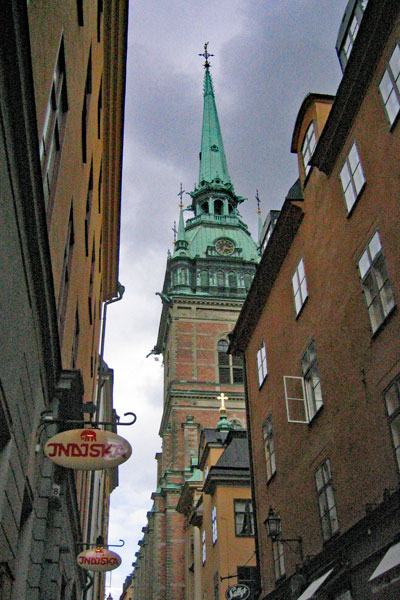
View of St. Gertrude's Church in Gamla stan
The Royal Stables
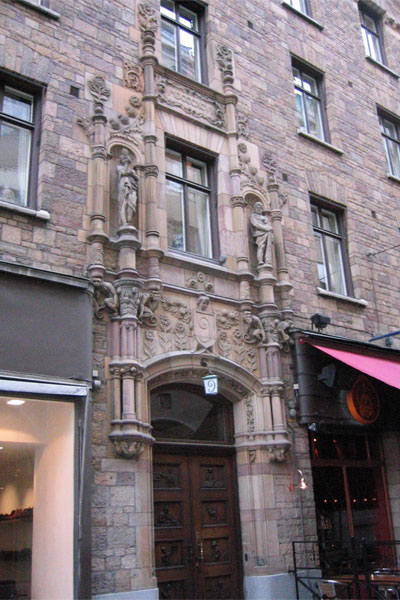
Another interesting building facade
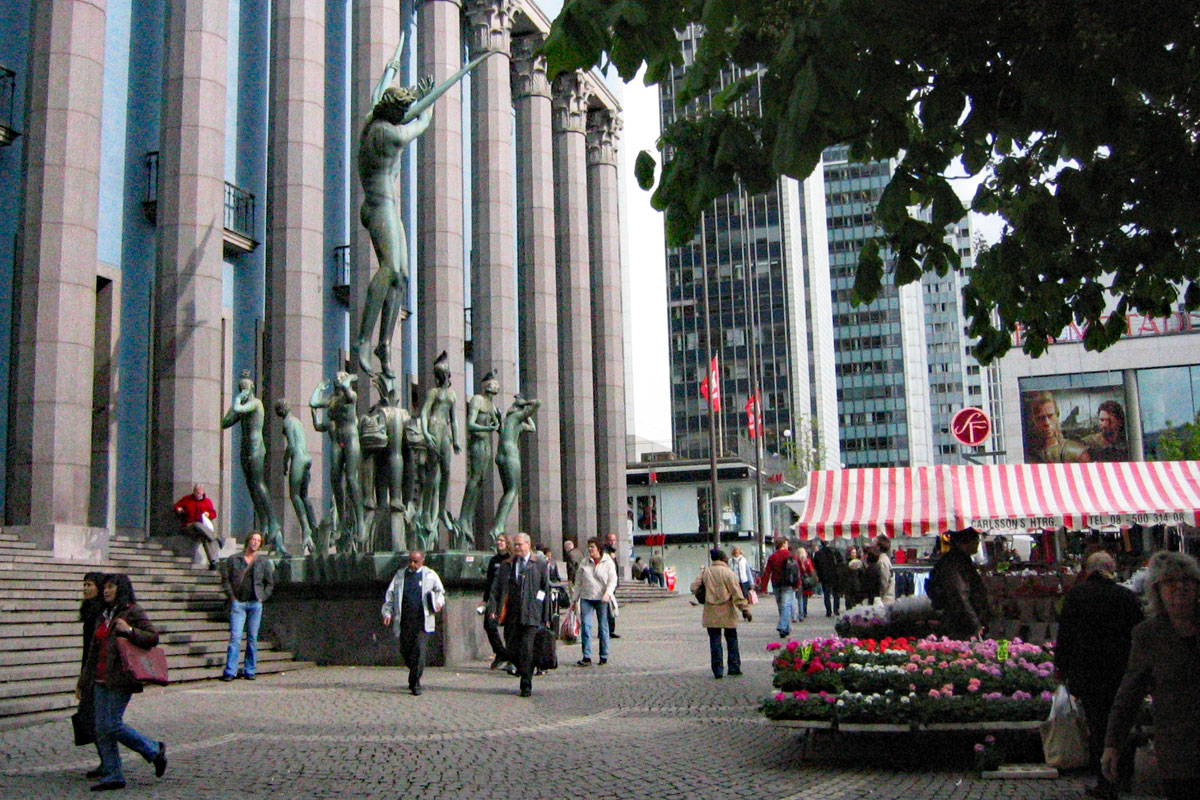
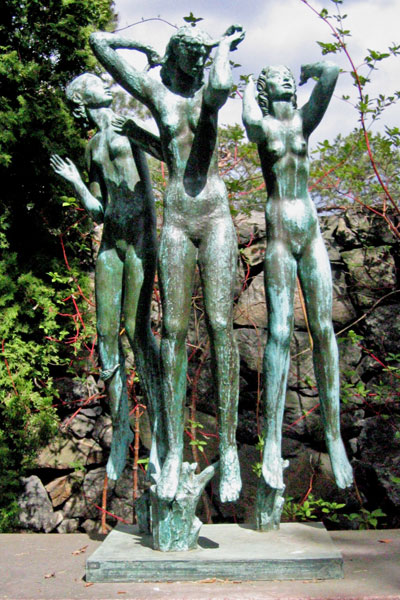
Orfeusgruppen sculpture by Carl Milles in 1936
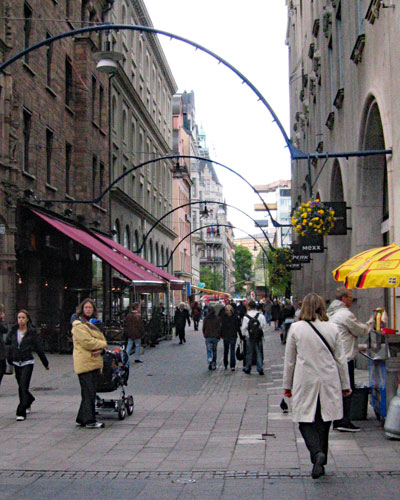
Typical street scene
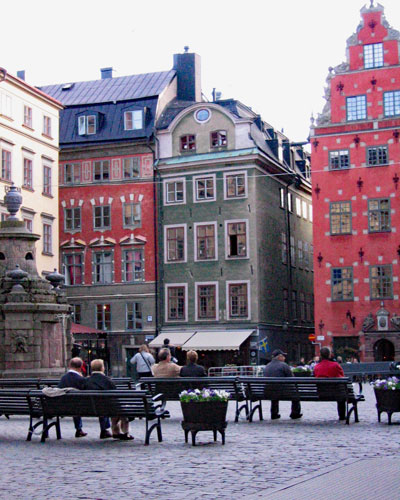
A lovely square
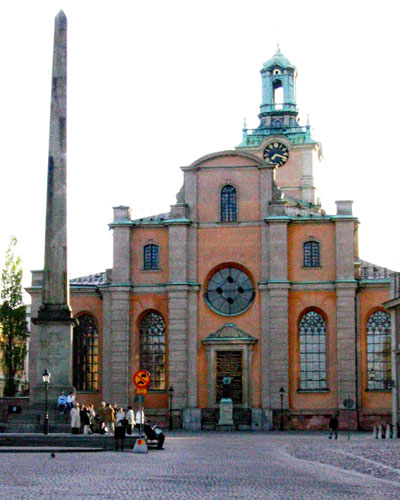
The Cathedral of Stockholm
Everywhere we walked, we encountered beautiful sculptures and fountains. More importantly, all the people we encountered were friendly and happy to help in any way and just about everyone under 50 spoke perfect English.
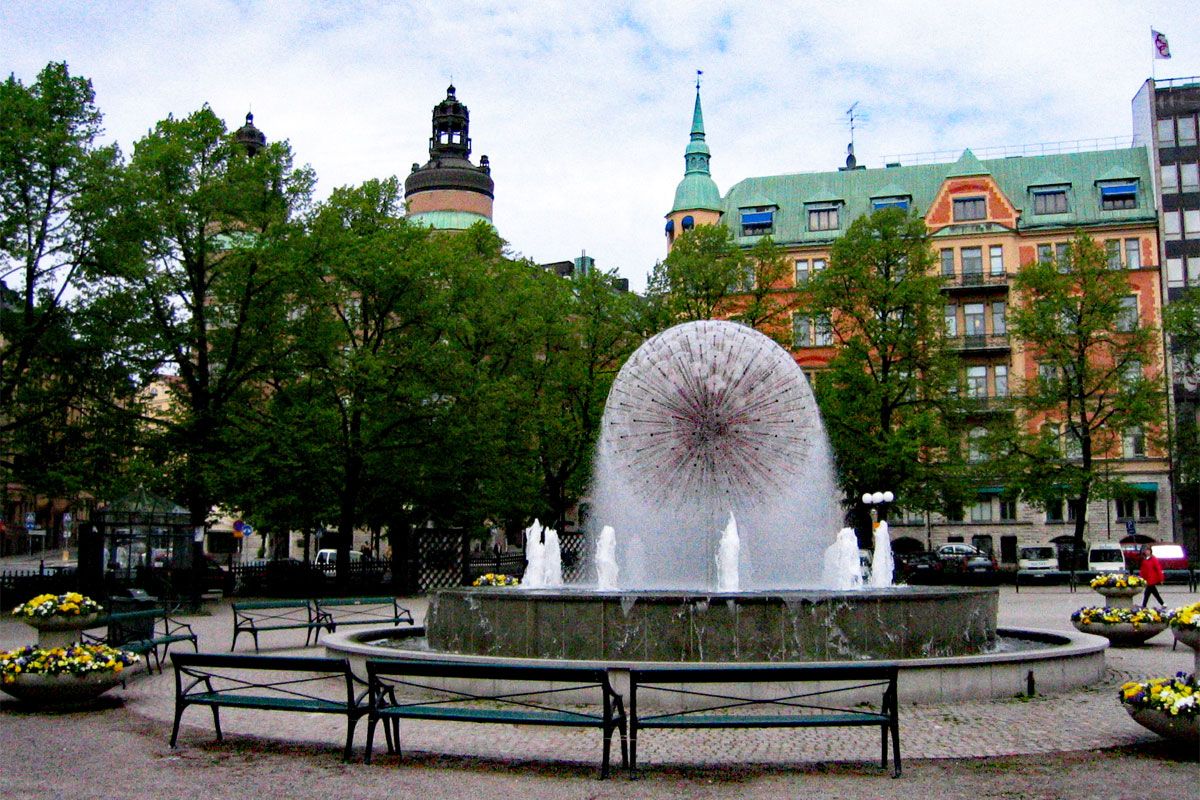
Dandelion Fountain at Norra Latin in Stockholm
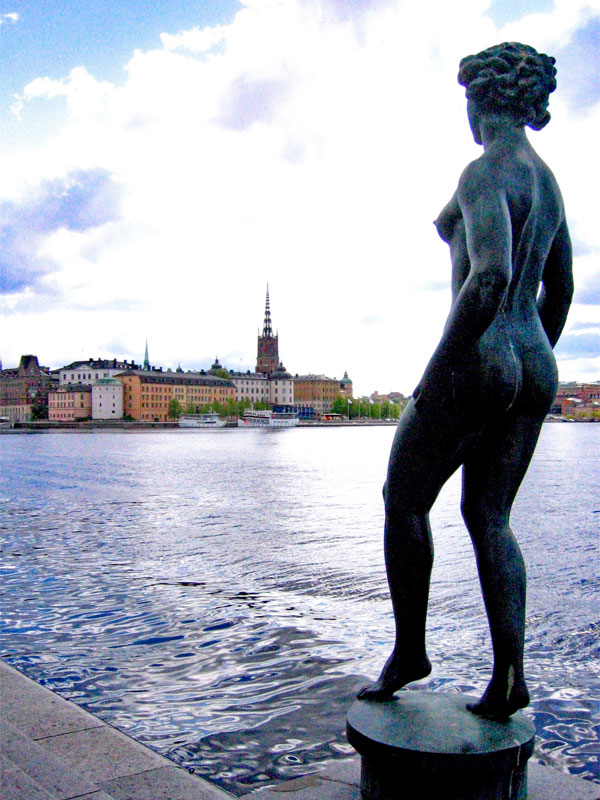
The Danse sculpture by Carl Eldhin by City Hall
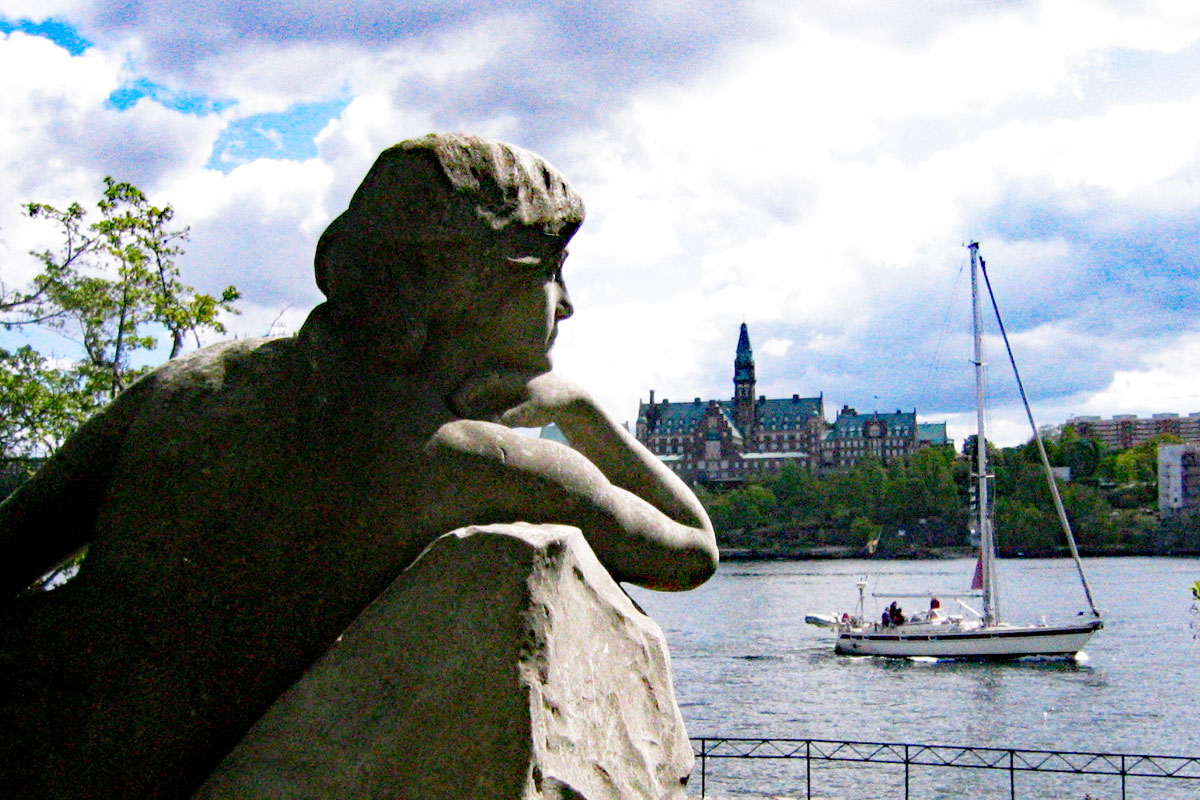
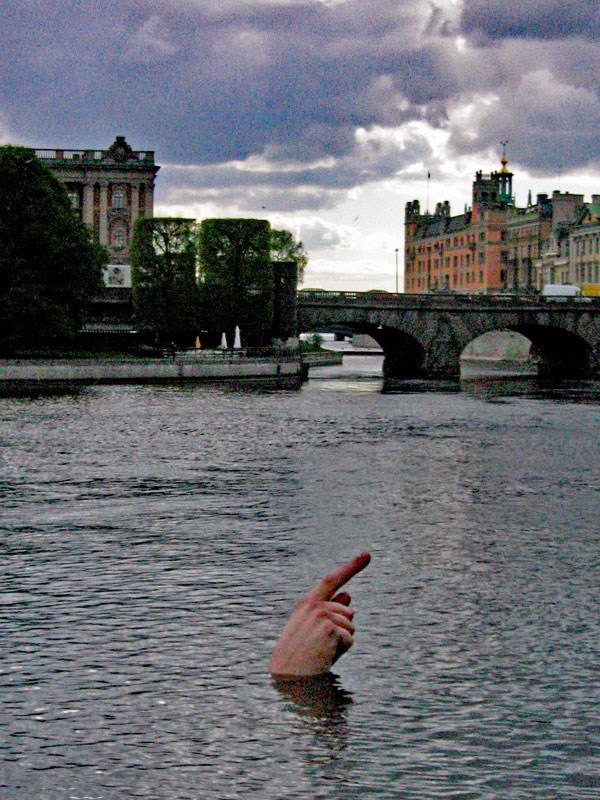
Man in the Water sculpture
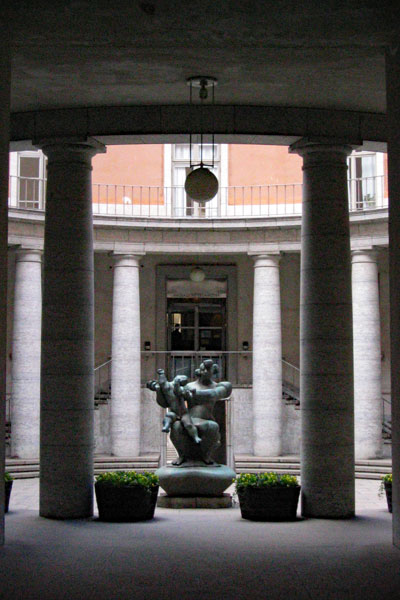
Entrance to the Old Museum
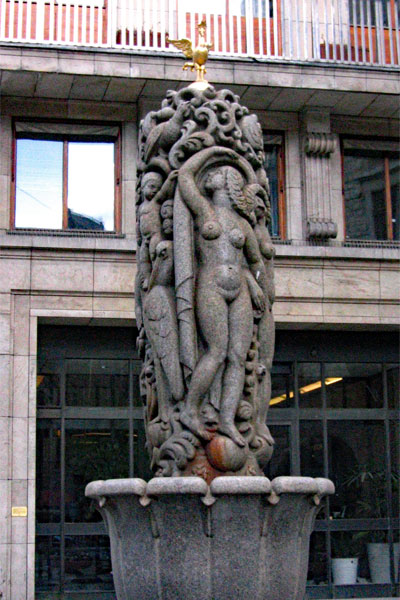
Fountain by Carl Eldhs
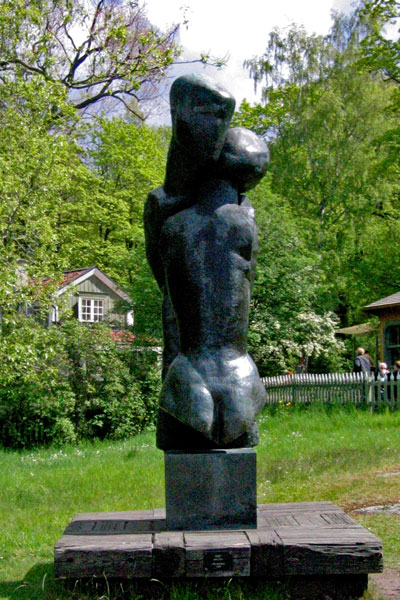
Another unidentified sculpture
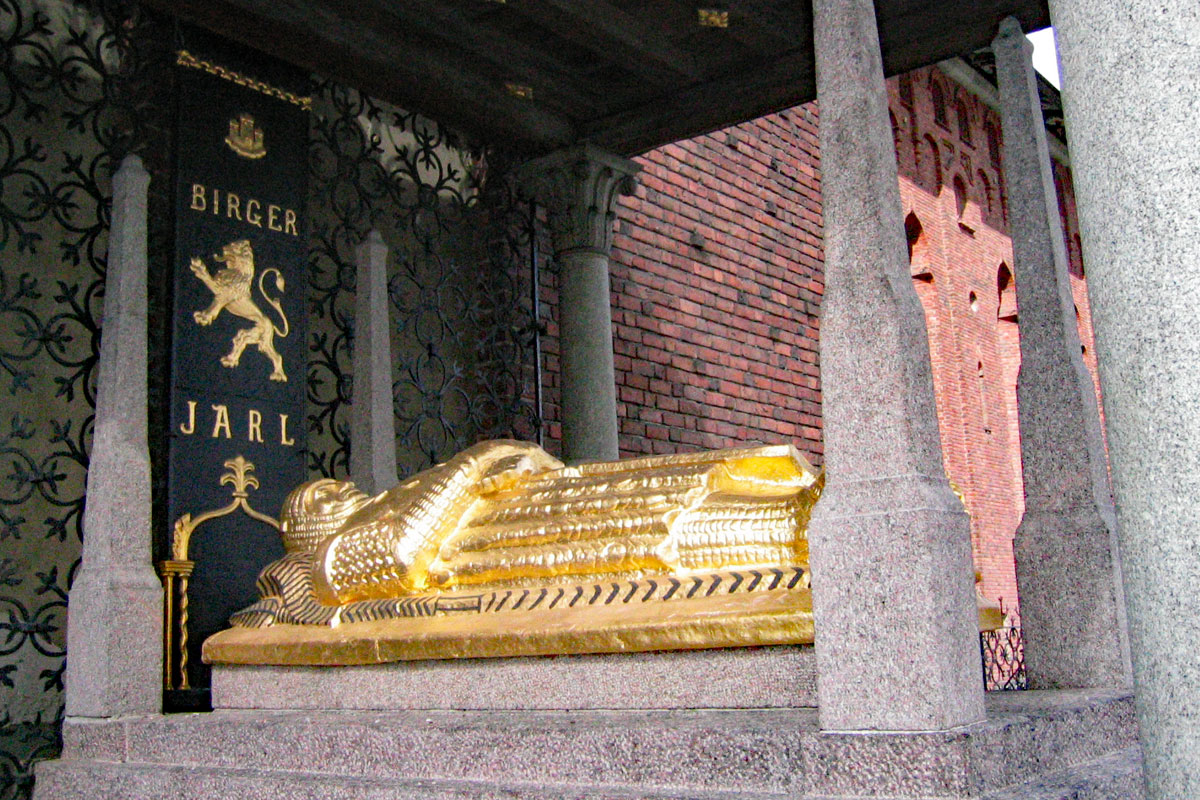
Tomb at City Hall of Birger Jarl — the founder of Stockholm
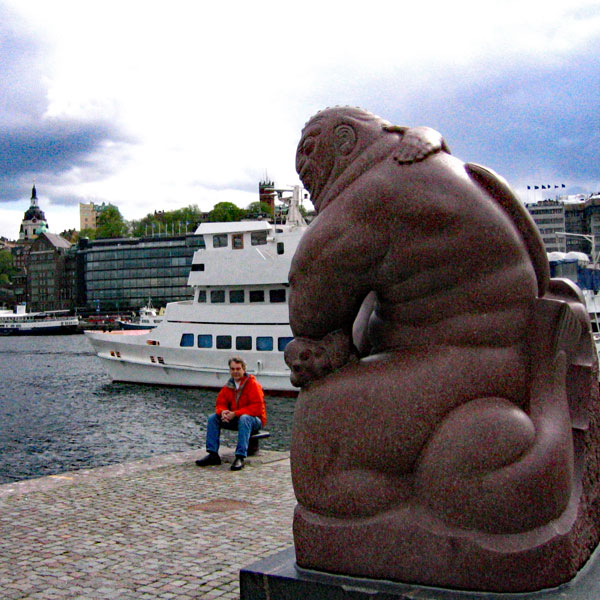
Sea God by Carl Milles 1913
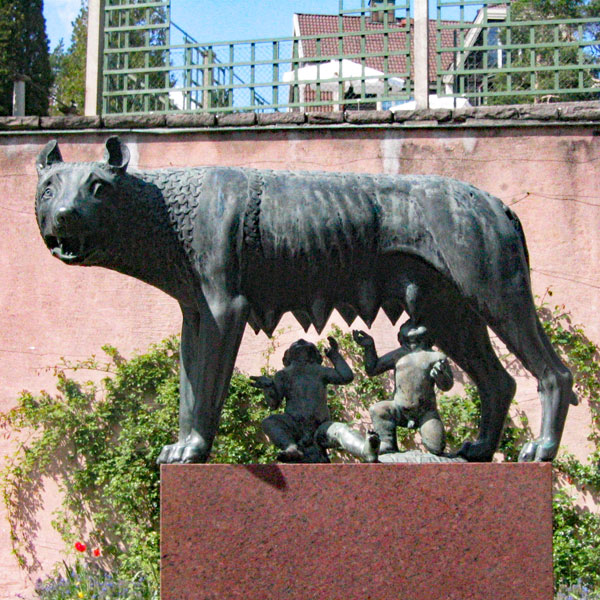
Lupa Capitolina Sculpture by Antonio del Pollaiuolo
Djurgarden Peninsula
We spent a day on the Djurgarden Peninsula hiking around the island. We also visited several museums and stopped for lunch. Known as the “lung” of Stockholm, the island of Djurgarden is a green oasis of 690 acres which can be reached by crossing the bridge south of Ostermalm. Formerly a hunting ground for monarchs, this urban park is today a huge green space dedicated for joggers, cyclists, and families who come to escape the city. Djurgarden is also home to the Nordic Museum and the Vasa Museum.
An elegant stop for lunch
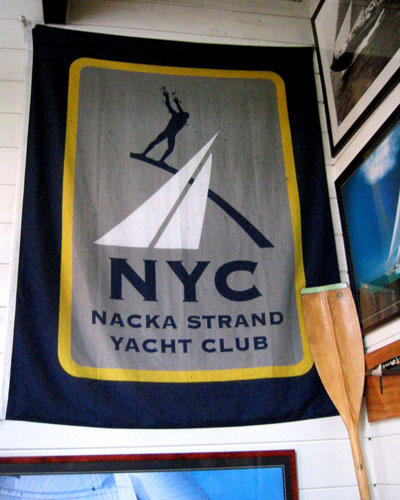
Passing by the Nacka Yacht Club
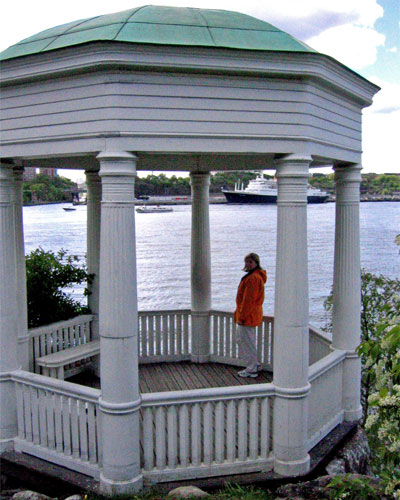
Stopping for a photo at a gazebo
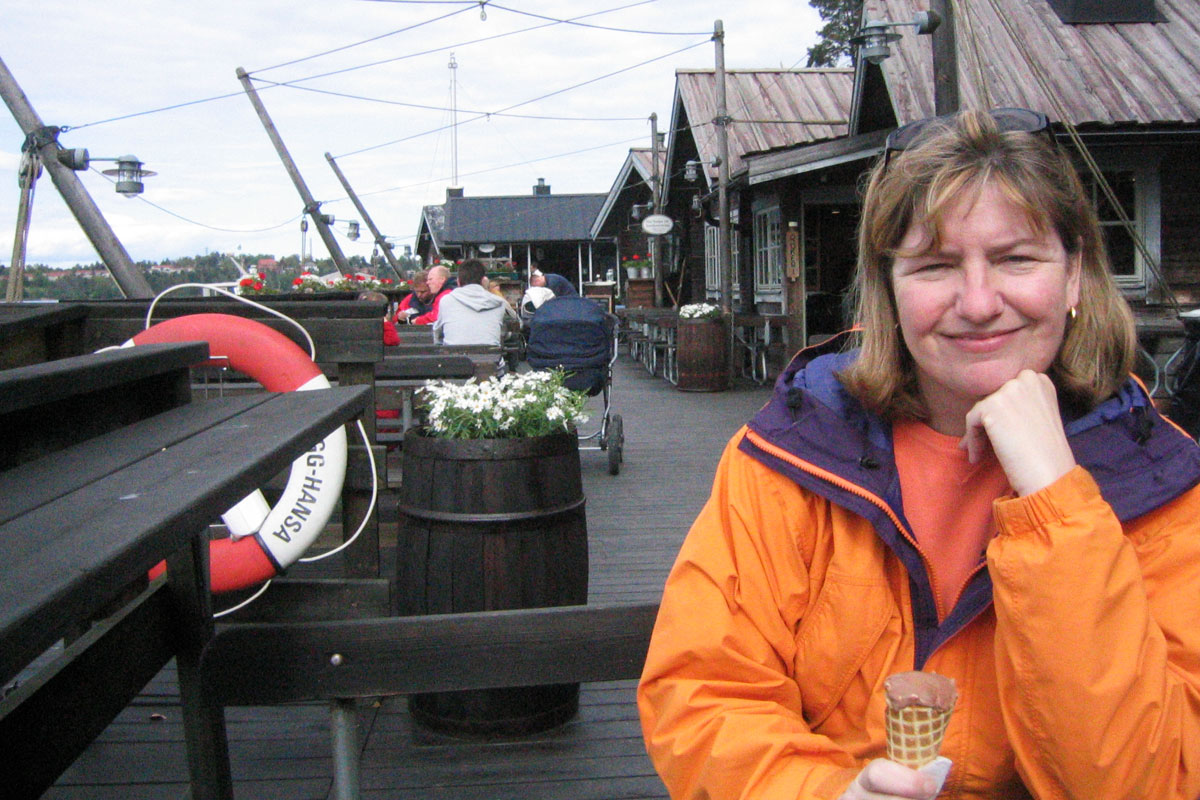
Stopping for an ice cream along the water
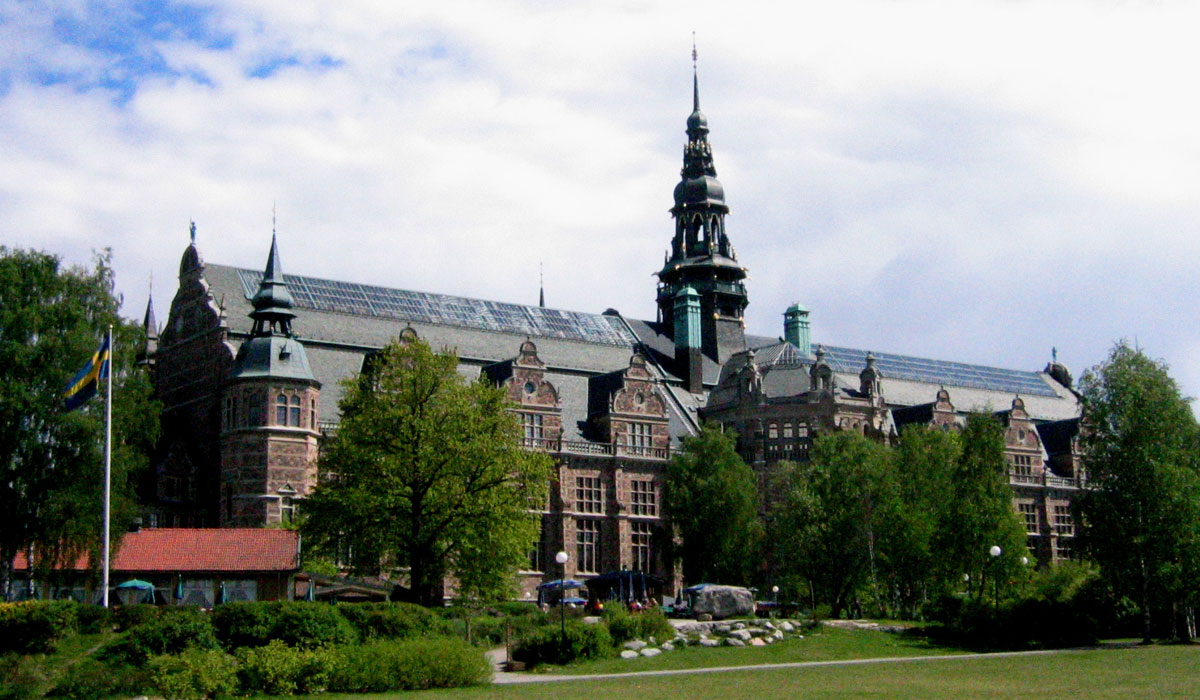
The Nordic Museum is devoted to the cultural history of Sweden from the early modern period to the contemporary period
Vasa Museum
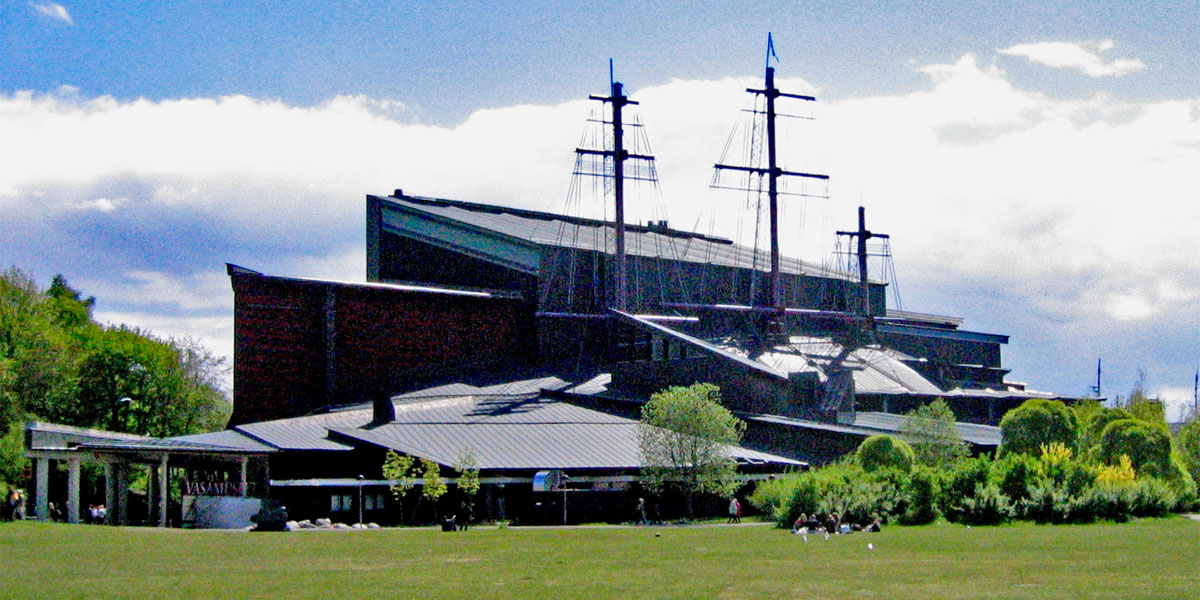
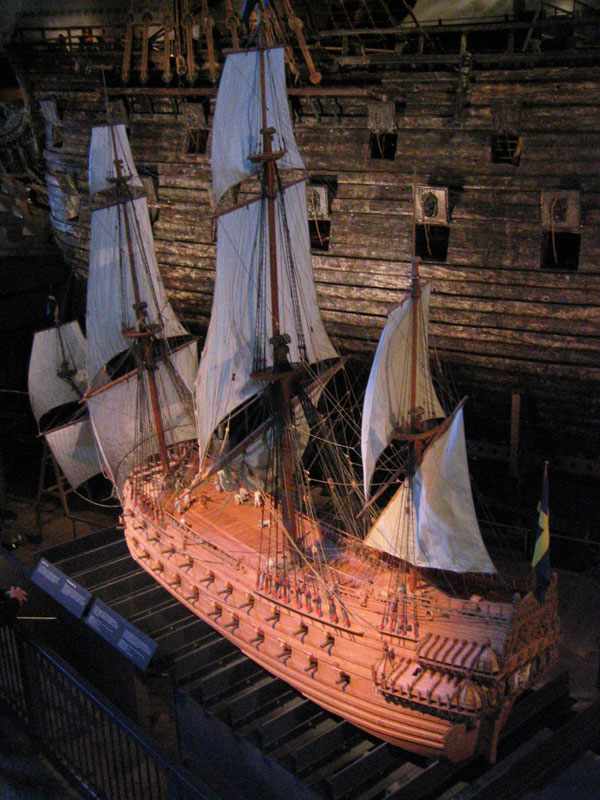
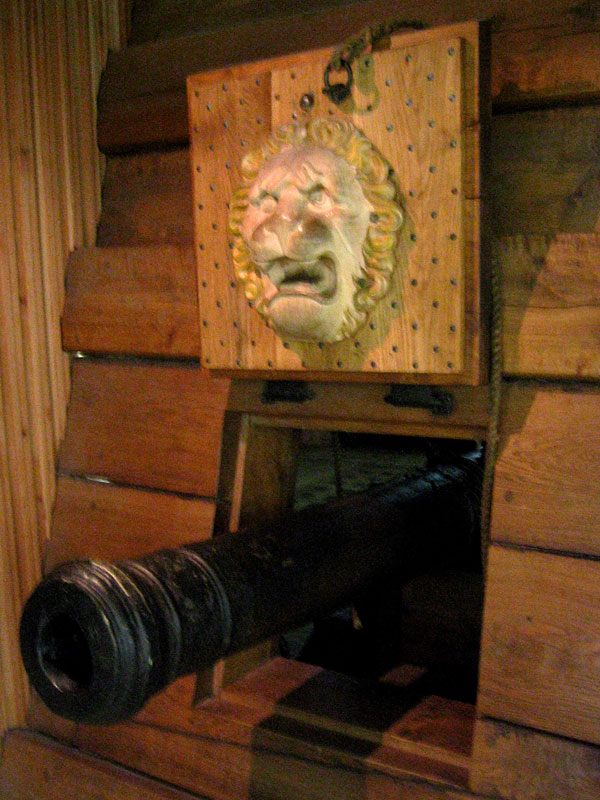
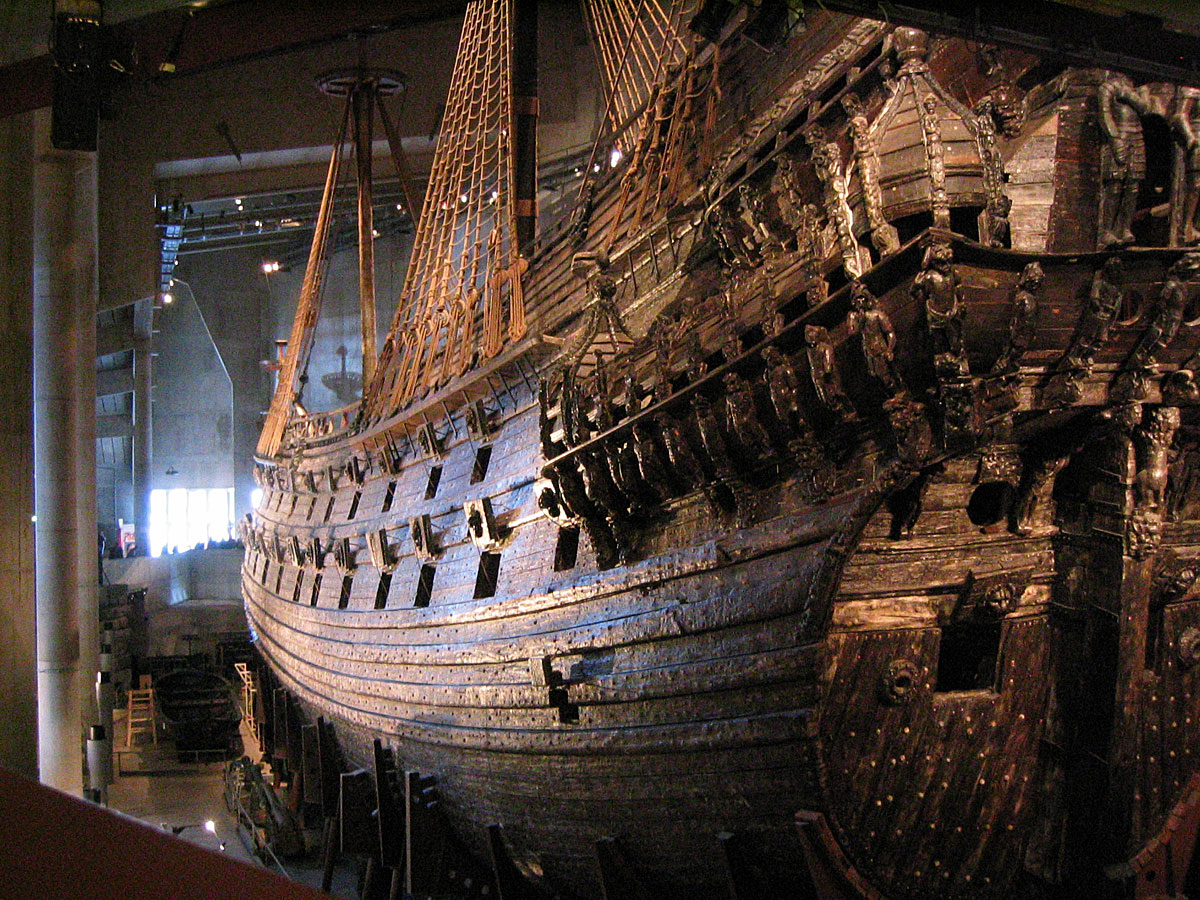
The Vasa Museum is a maritime museum displaying the only almost fully intact 17th-century ship that has ever been salvaged, the 64-gun warship Vasa that sank on her maiden voyage. The flagship of the royal fleet, the majestic Vasa capsized after only a few minutes of navigation during its maiden voyage on August 10, 1628. The adventure of its refloating began in 1956 and the wreck was brought to the surface in 1961, 333 years after its sinking. The immense wooden structure is the centerpiece of the museum, exhibited with the hundreds of objects found in the wreck as well as the skeletons of the sailors who perished on board.
The Vasa Museum
Model of the Vasa
Detail from the Vasa
The resurrected Vasa ship
Visit to Millesgarden
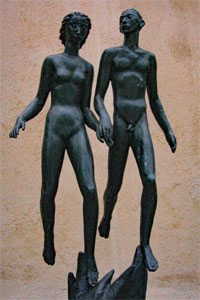
While in Stockholm, one of our top destinations was a visit to the Millesgarden Museum on the island of Lidingo just outside of Stockholm. This museum is located in the home and studio of the Swedish sculptor Carl Milles and his Austrian wife, the painter Olga Milles. Carl Milles became famous in the early 20th century for his bold sculptures and early experiments with fountains in Paris, Munich, Rome, and Sweden. In 1931, Carl and Olga moved to Cranbrook Academy of Art in Bloomfield Hills, Michigan where he served as sculptor in residence from 1931 to 1951. Carl Milles worked from his studio in the U.S. for nearly two decades, creating many sculptures and obtaining numerous American commissions, until the couple moved back to Sweden in the early 1950s.
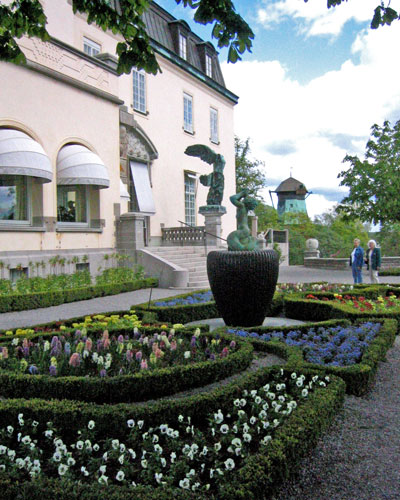
The sculpture garden at the Millesgarten Museum
Model for a future fountain
Another Milles sculpture
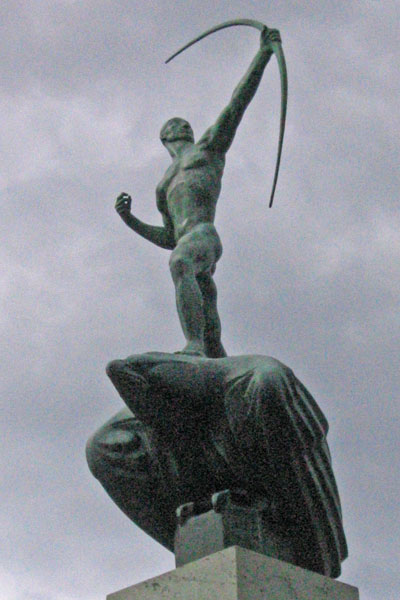
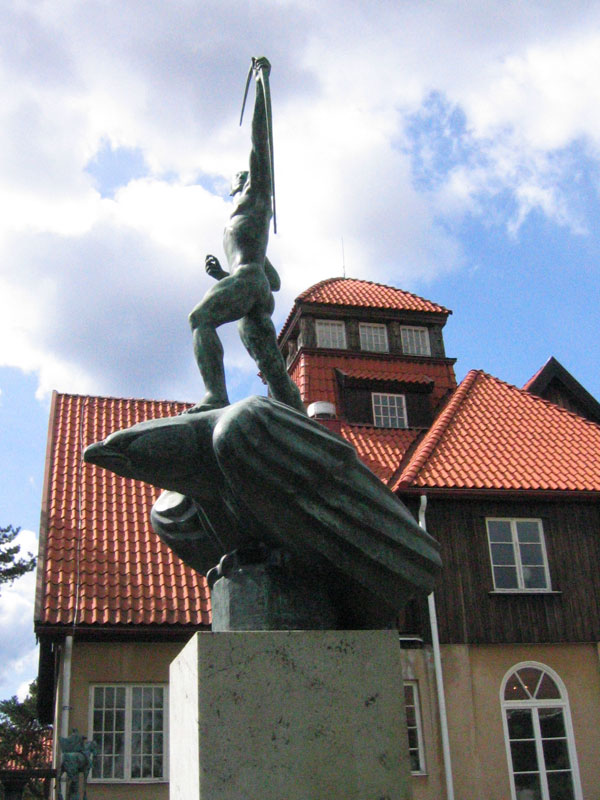
Archer on an eagle
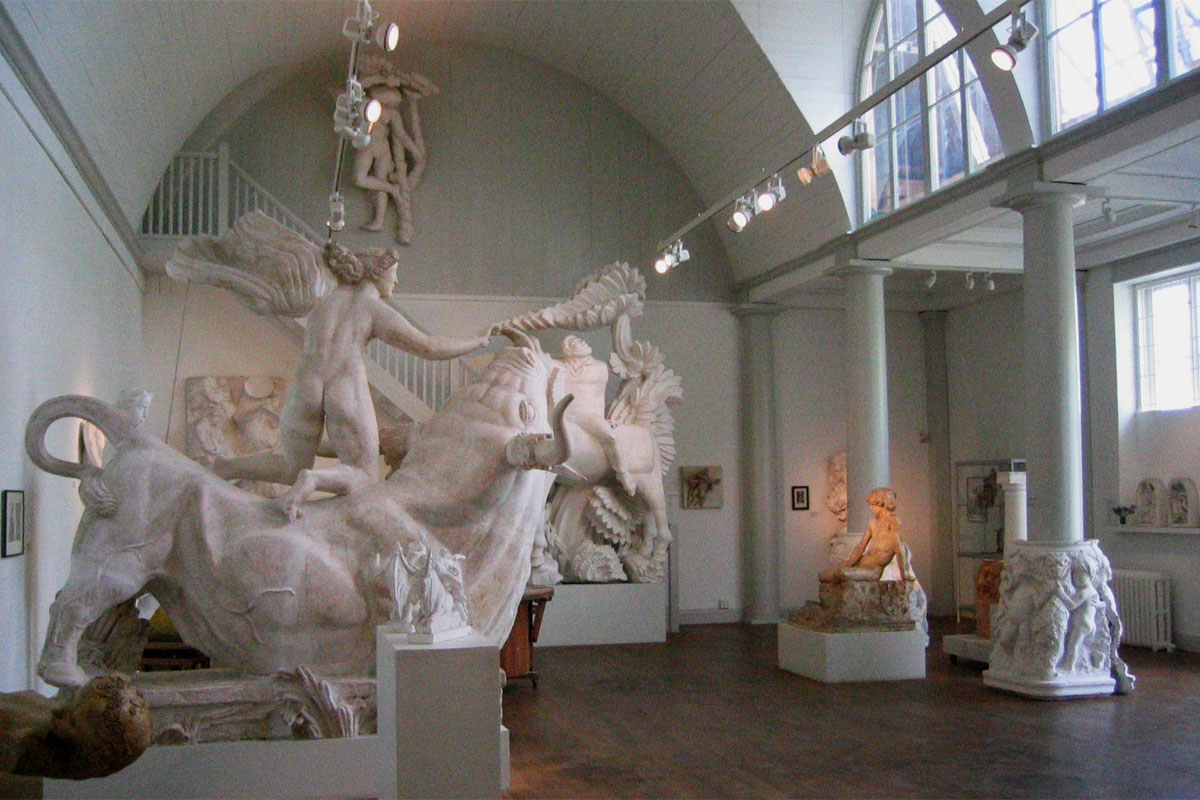
Milles studio at the Millesgarten Museum
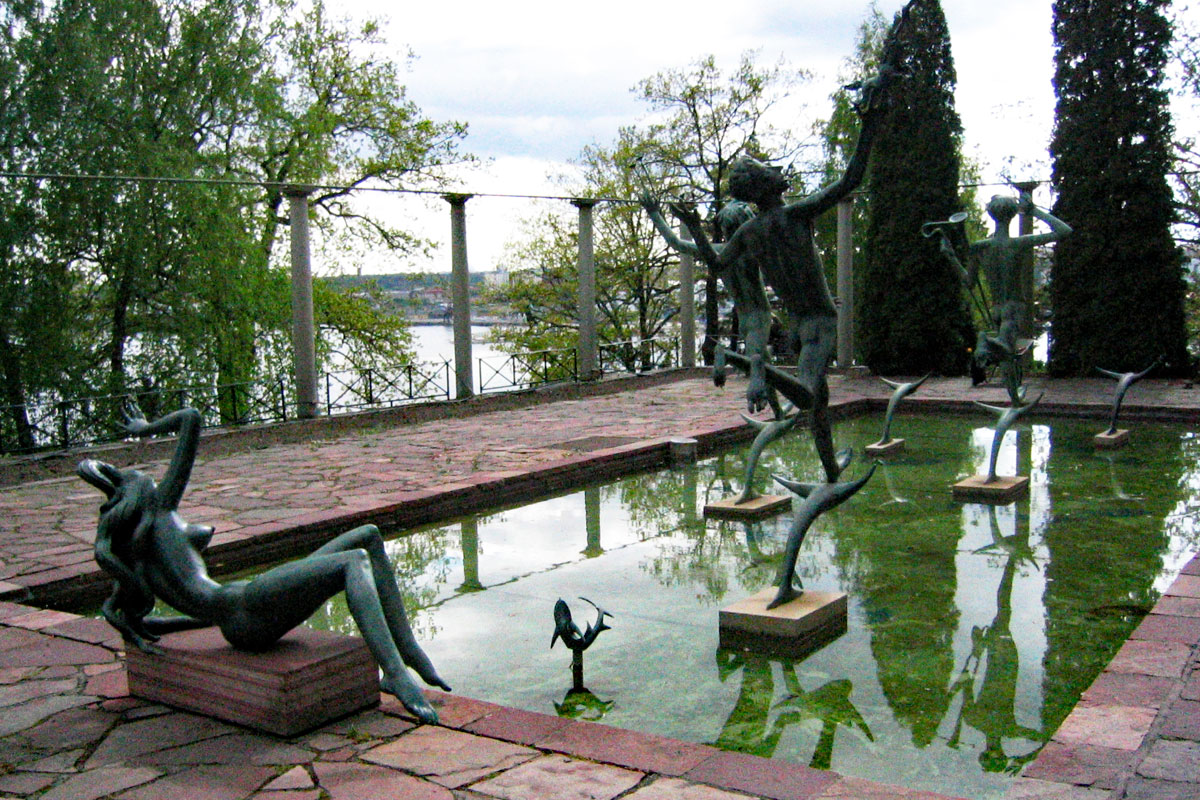
Millesgarden became a foundation in 1936 when it was donated by Carl and Olga to the Swedish people. In anticipation of Carl and Olga's return to Millesgarden, a spacious lower terrace was constructed in the 1950s to house monumental replicas of some of the free-standing sculptures and fountains from Sweden and the U.S.
The pool at the Millesgarten Museum
Another beautiful sculpture
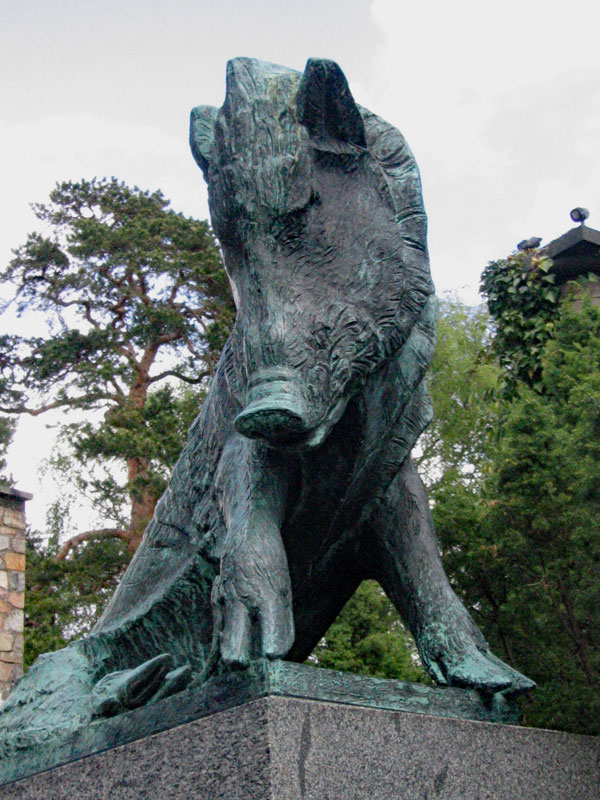
Sculpture of a wild boar
Millesgarden became a foundation in 1936 when it was donated by Carl and Olga to the Swedish people. In anticipation of Carl and Olga's return to Millesgarden, a spacious lower terrace was constructed in the 1950s to house monumental replicas of some of the free-standing sculptures and fountains from Sweden and the U.S.
Fountain With an Extraordinary History
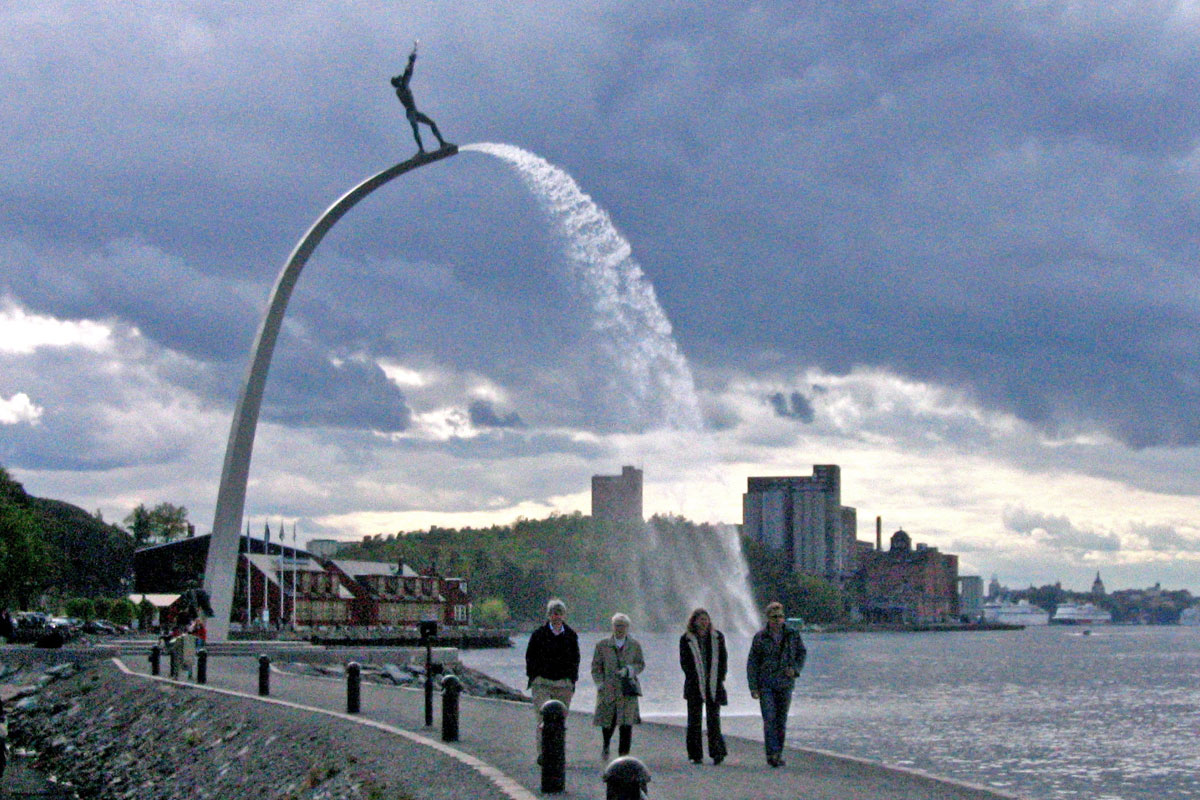
As a tribute to the UN In 1946, when the United Nations was newly founded and its headquarters was planned for Manhattan, New York, Carl Milles conceived a large scale sculpture for the new building as a symbol of peace and a salute to the creation of the UN. It was to be located in the garden outside the headquarters, with the water from the sculpture cascading into the East River. The sculpture was conceived as a symbol of peace and a salute to the creation of the UN. After years of failed attempts at financing, the project was eventually abandoned.
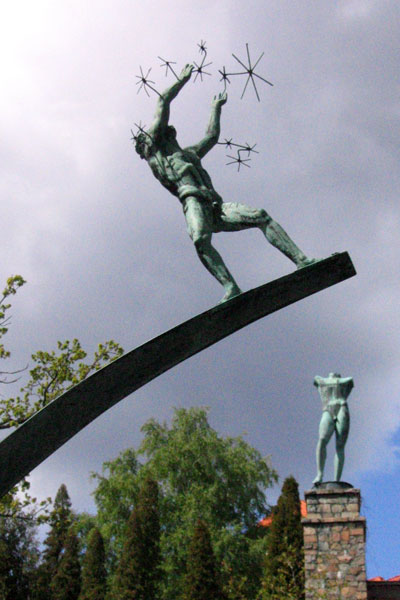
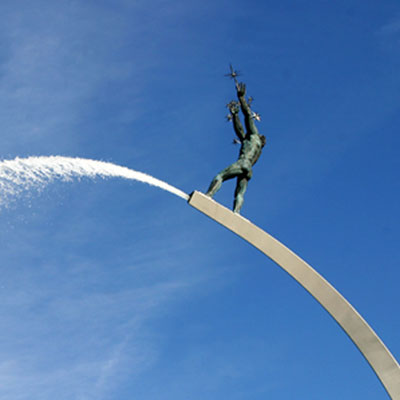
Almost 40 years later, an American sculptor and pupil of Milles, Marshall Fredericks, received the commission to build the sculpture in at Nacka Stand, the inlet to Stockholm from the Baltic Sea. Finished in 1995, this monumental sculpture stands 60 feet high. It shows a naked God balancing at the end of an arch, hanging stars in the sky, tossed his way by an angel at the base of the sculpture. Water cascades from the tip of the arch into the waterway, thus completing a semicircle.
God Our Father on the Rainbow fountain in Nacka Strand
 In May 2004, Peter and I spent a week in Stockholm. He had visited this city in 1982 for business and was excited to go back and explore more of the area. We booked an ultra-modern hotel near the Stockholm Central Station in the Norrmalm district of central Stockholm. Stockholm is a very walkable city with seven central districts, each with its distinct vibe — from Sodermalm's laid back nightlife to Djurgarden's green and serene surroundings to the hectic big-city life on Norrmalm.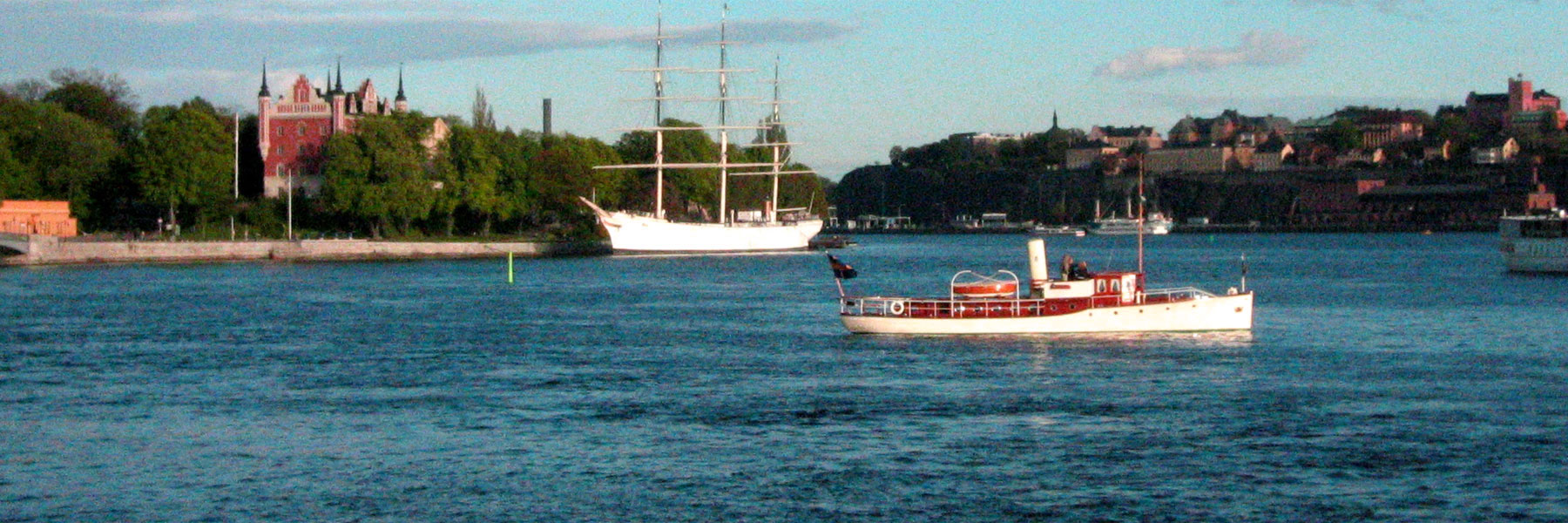

 While in Stockholm, one of our top destinations was a visit to the Millesgarden Museum on the island of Lidingo just outside of Stockholm. This museum is located in the home and studio of the Swedish sculptor Carl Milles and his Austrian wife, the painter Olga Milles. Carl Milles became famous in the early 20th century for his bold sculptures and early experiments with fountains in Paris, Munich, Rome, and Sweden. In 1931, Carl and Olga moved to Cranbrook Academy of Art in Bloomfield Hills, Michigan where he served as sculptor in residence from 1931 to 1951. Carl Milles worked from his studio in the U.S. for nearly two decades, creating many sculptures and obtaining numerous American commissions, until the couple moved back to Sweden in the early 1950s.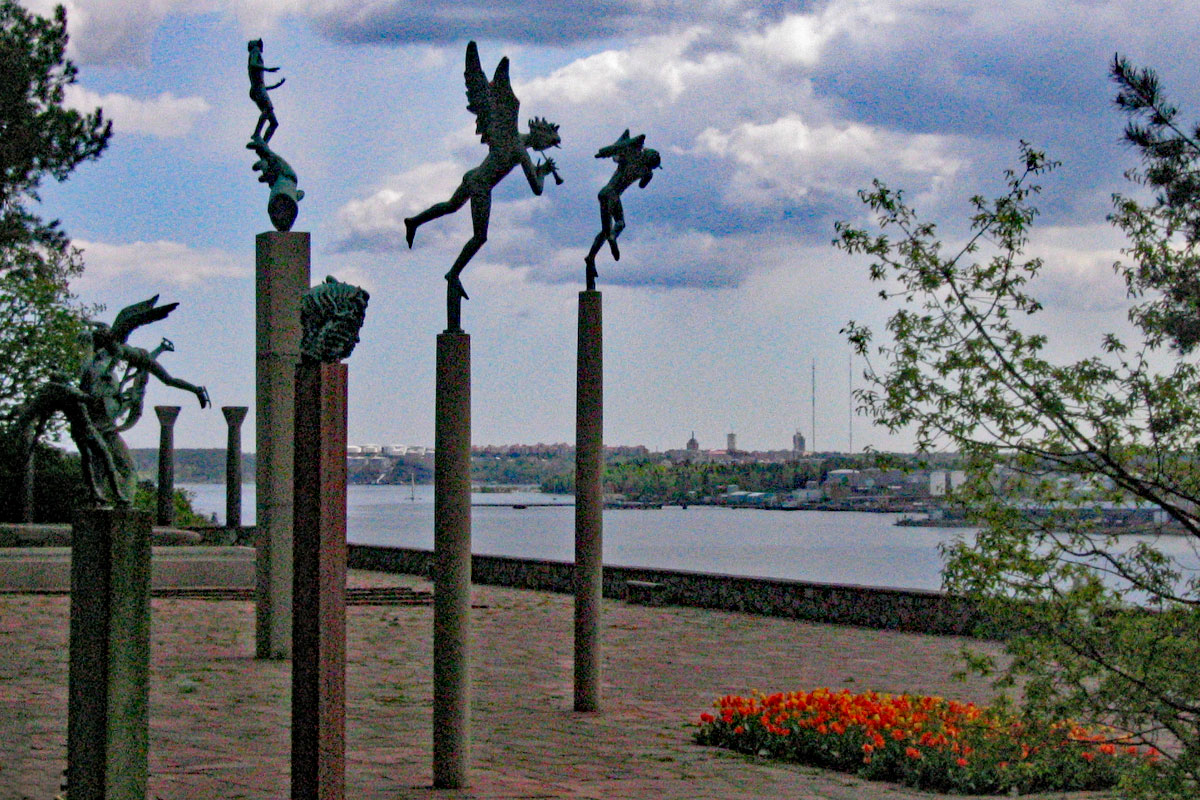
 As a tribute to the UN In 1946, when the United Nations was newly founded and its headquarters was planned for Manhattan, New York, Carl Milles conceived a large scale sculpture for the new building as a symbol of peace and a salute to the creation of the UN. It was to be located in the garden outside the headquarters, with the water from the sculpture cascading into the East River. The sculpture was conceived as a symbol of peace and a salute to the creation of the UN. After years of failed attempts at financing, the project was eventually abandoned.