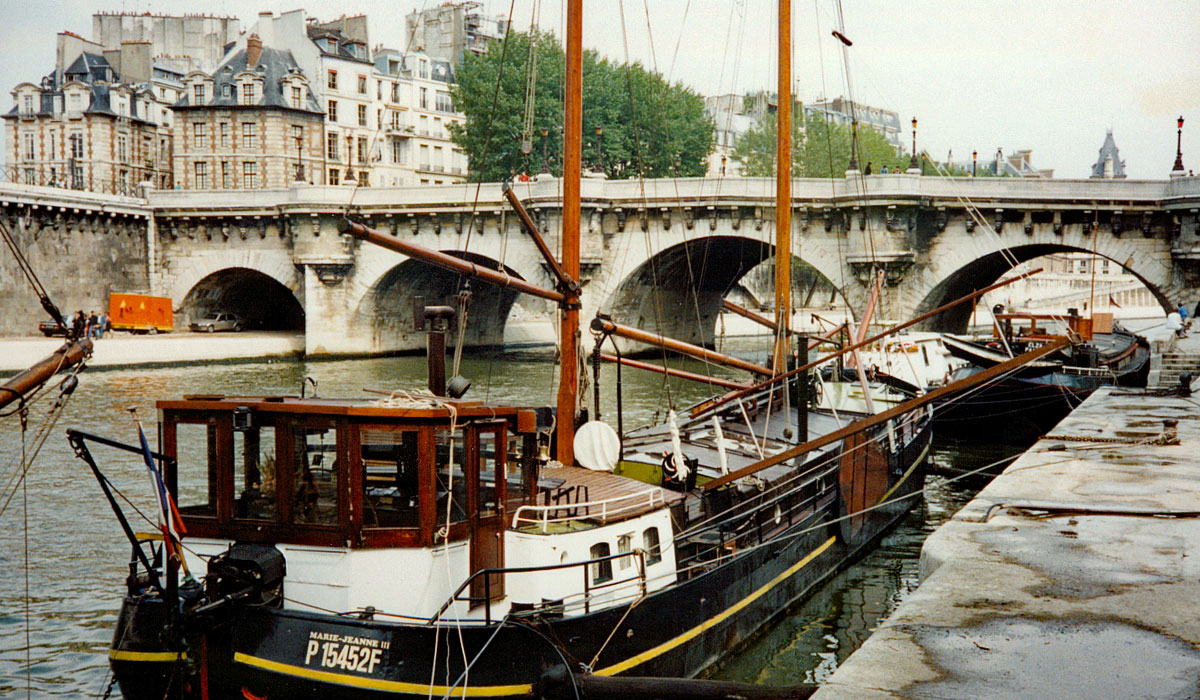
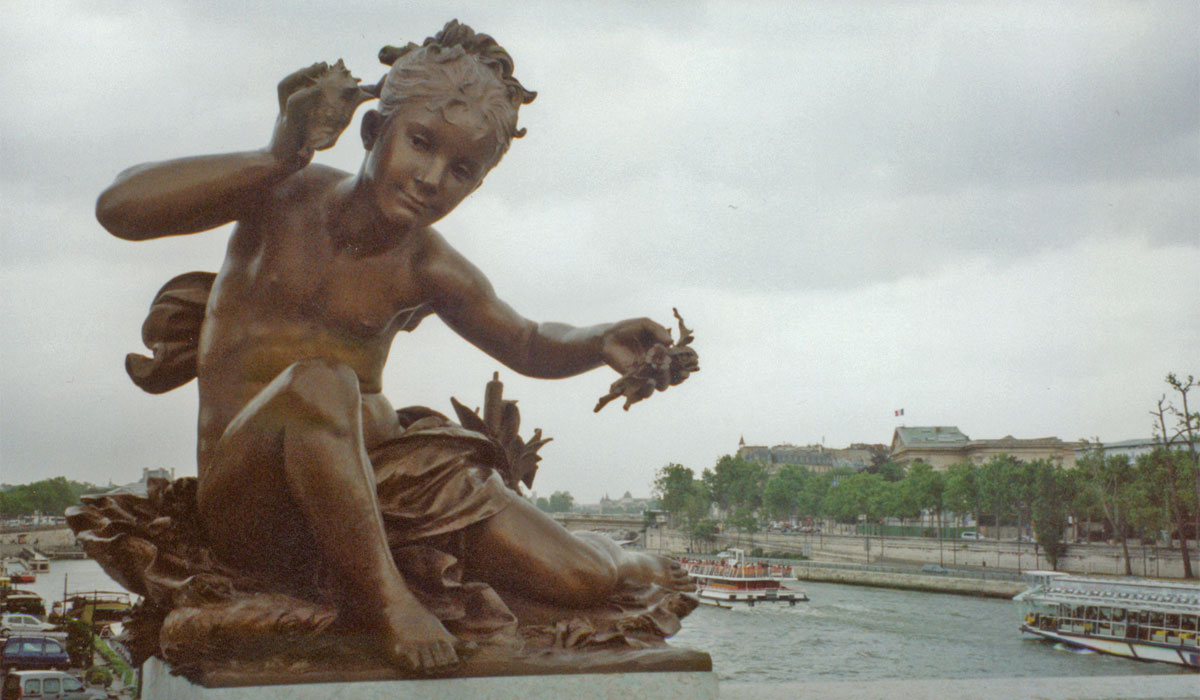
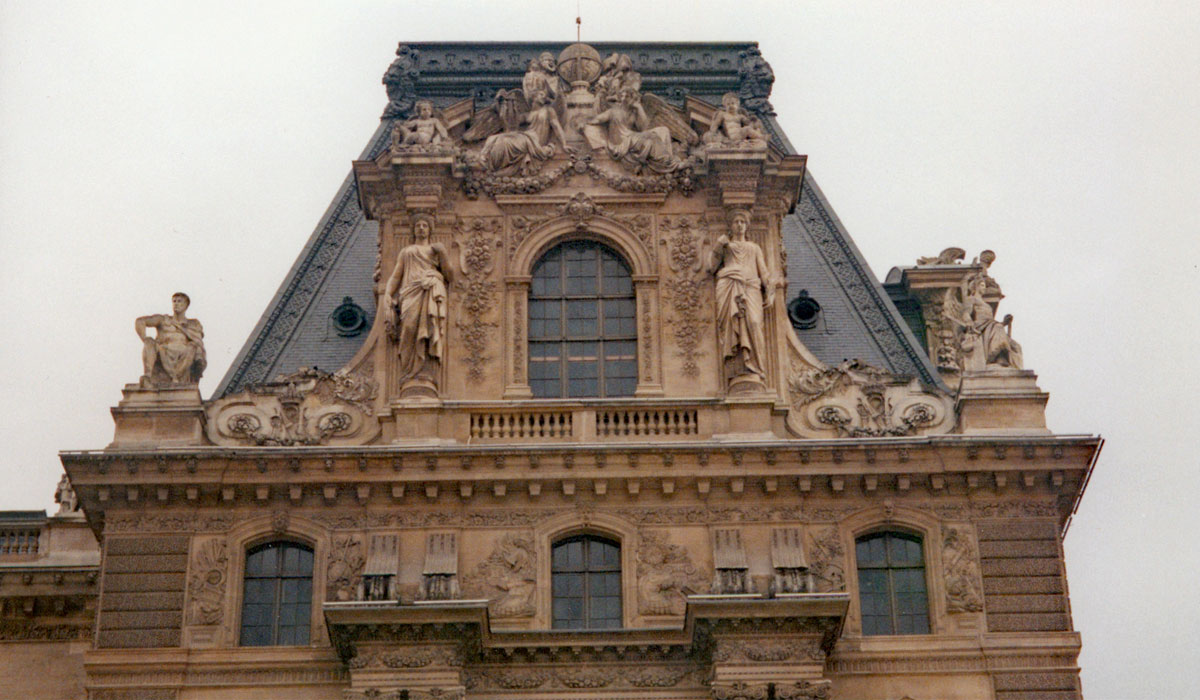
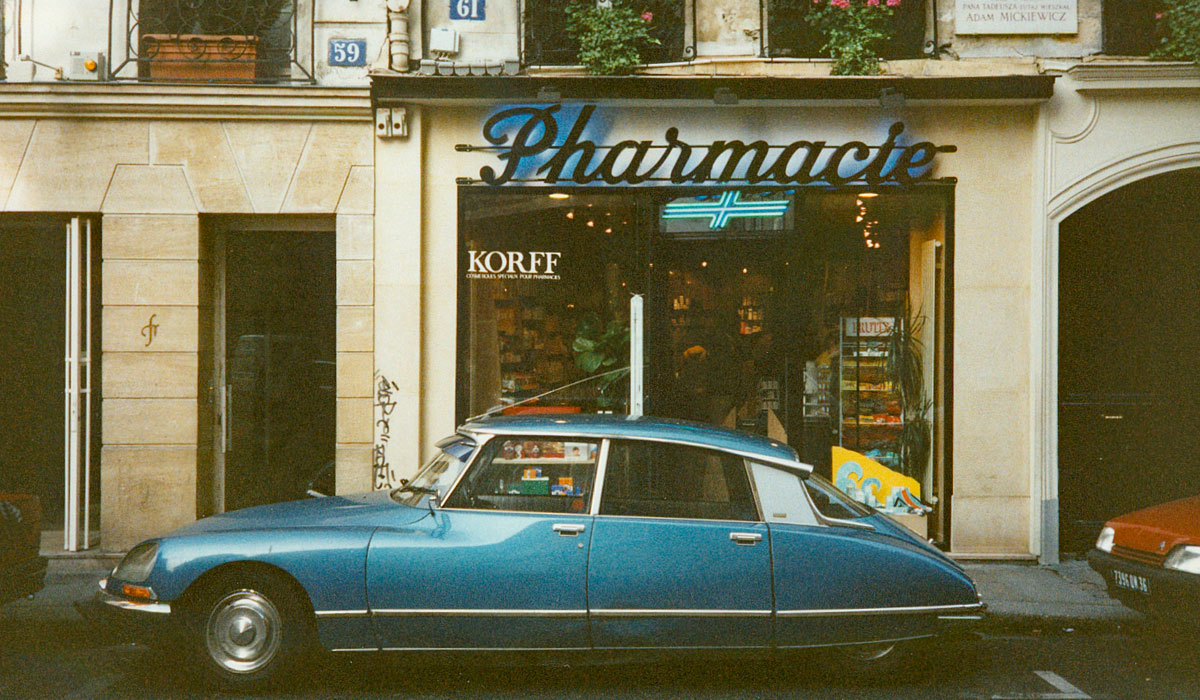
Note that all photos before 2000, were taken with a film camera and were scanned from slides or printed photos.
Peter and I love France and have visited Paris and other parts of France many times since the 1980s. I have been to Paris seven times with additional visits to the Normandy, Alsace, Rhone Valley, and Provence regions of France.
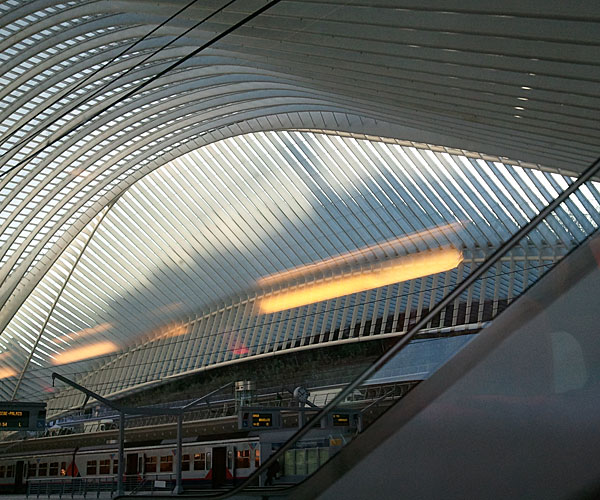
Beginning in 1980, I accompanied Peter on a business trip that started in Paris. From Paris, we took a train to Leuven, Belgium, connecting through Brussels, and then on to Hamburg where Peter was speaking at a conference. In October 1984, I spent a few days in Paris, while Peter was there on business, before I headed to Budapest for a conference. Several years later, in October 1989, my sister and I visited Paris for a week and then took the TGV train to Avignon.
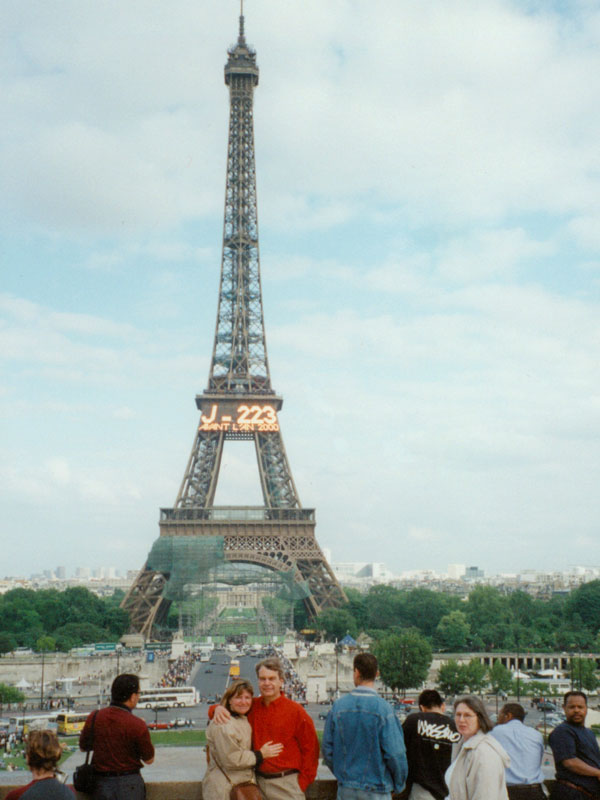
During our kitchen renovation in June 1992, Peter and I returned to Paris and also explored the Normandy region of France with visits to the villages of Giverny, Honfleur, and Deauville. Having accumulated a lot of frequent flyer miles over the years, we returned to Paris for a long weekend in November 1996. In May of 1999, we took the Chunnel train to Paris after visiting the Chelsea Flower Show in London. Our last trip to Paris was in December 2011 after visiting Peter’s mother in Germany.
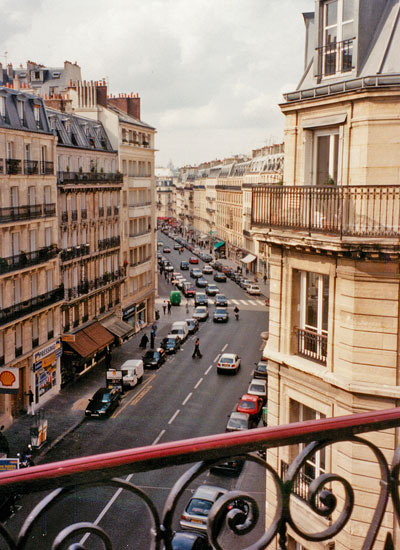
We have mostly stayed at small hotels on the Left Bank during our visits to Paris — including the Saint Germain des-Pres area in the 6th arrondissement and the Latin Quarter in the 5th arrondissement which is home to the Sorbonne University.
Always So Much to Do in Paris
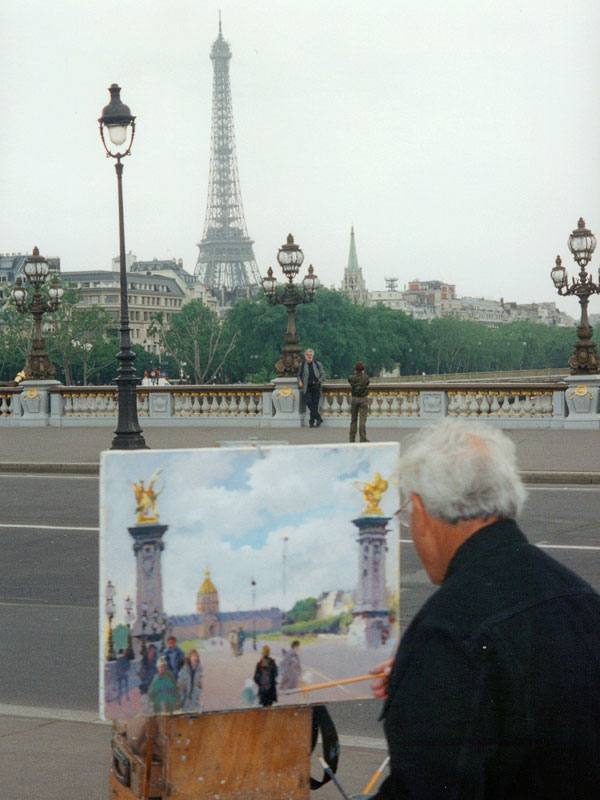
With so many things to see — museums, monuments, and the beautiful bridges over the River Seine — there is never enough time. Paris is a very walkable city and with the Paris Metro, you can easily navigate from one end of the city to the other. Also, with the low-rise scale of the buildings, you can view most of the major landmarks and monuments throughout the city for easy orientation.
Many, Many Museums
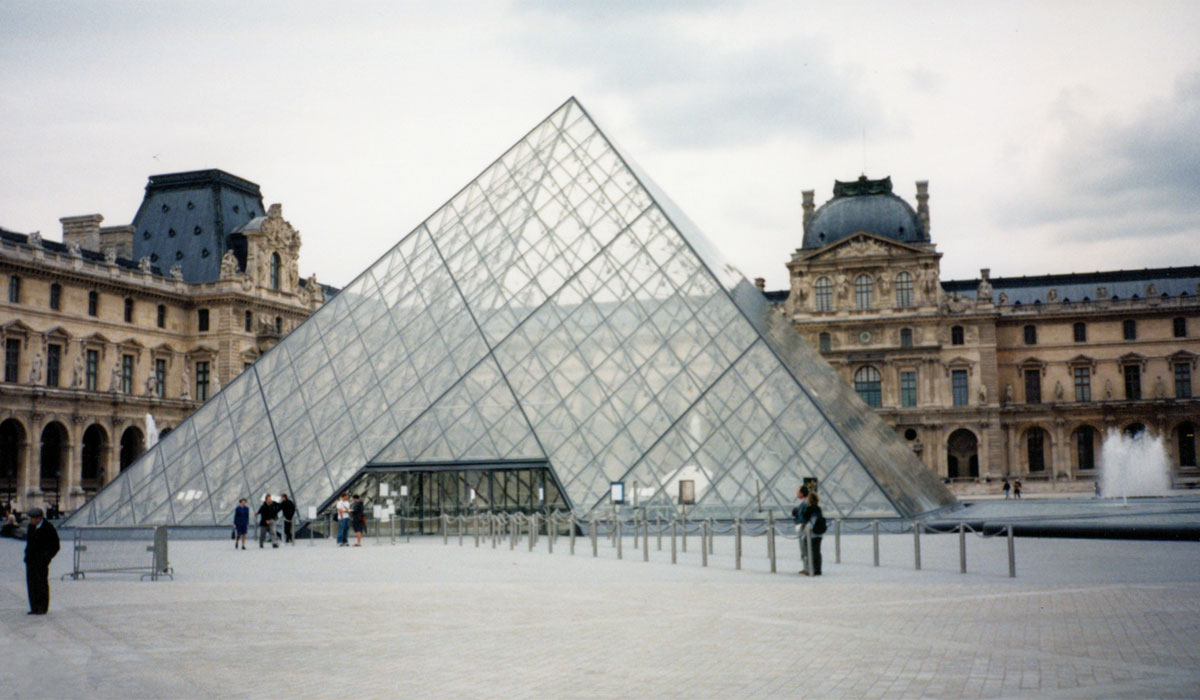
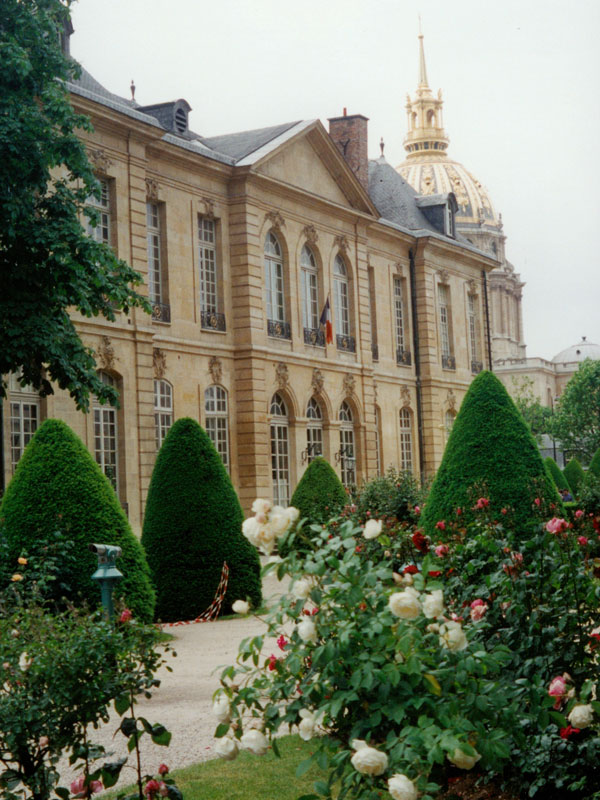
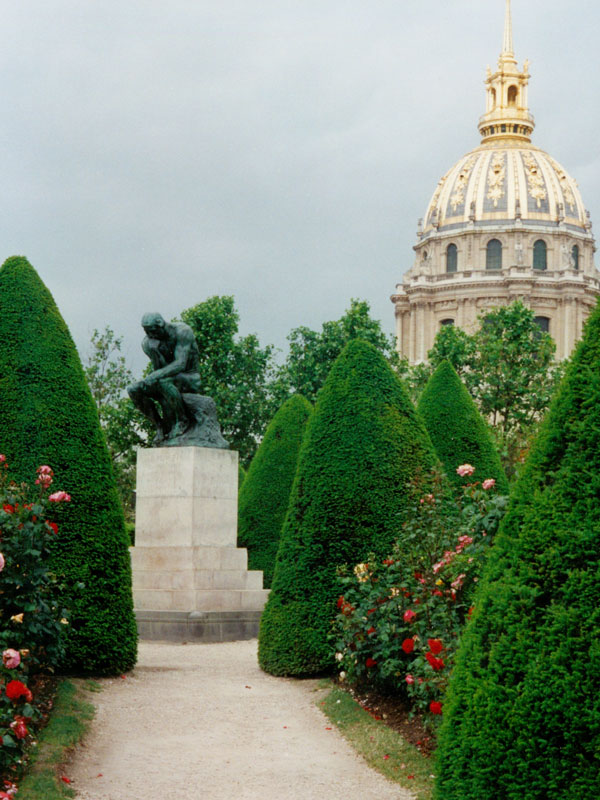
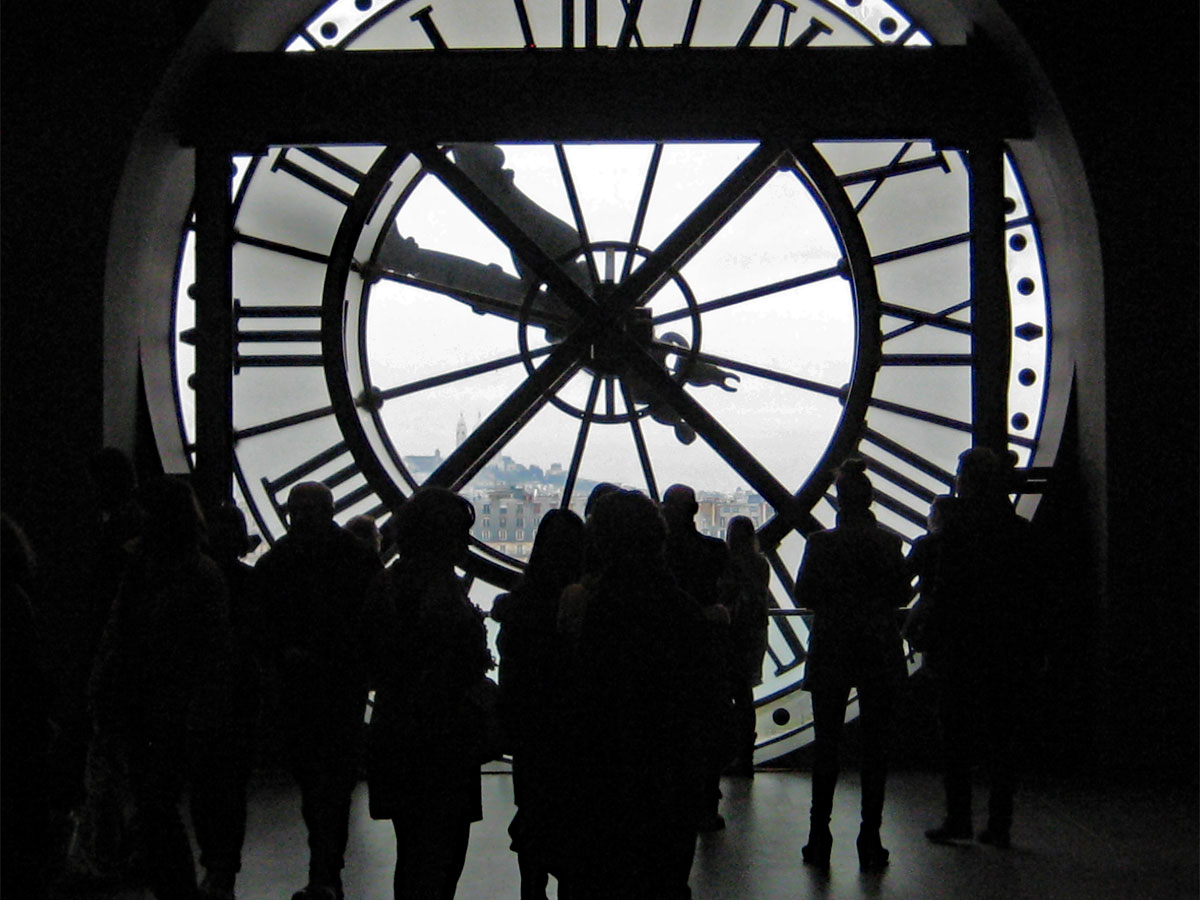
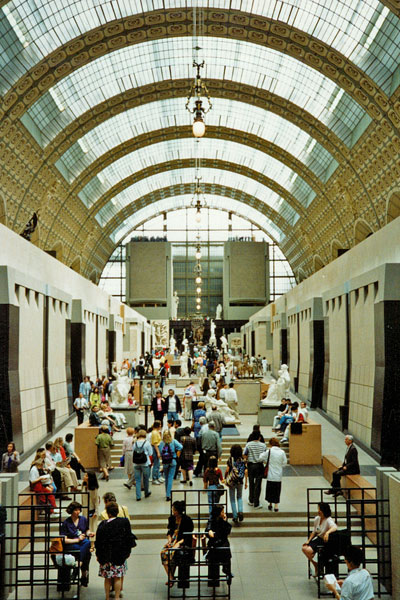
We have visited many museums in Paris over the years starting with the Louvre — of course. Then there is the Musée d'Orsay, Centre Pompidou, and the Musée de l'Orangerie with Monet's large painted murals of water lilies. Other lesser known museums that we like include the Musée d'Art Moderne, the Musée du quay Branly, and the Rodin Museum. The Musée d'Art Moderne has an entire room wrapped in a mural — The Electricity Fairy — created by Raoul Duffy for the 1937 Universal Exhibition. The Musée du quay Branly, designed by French architect Jean Nouvel, features the indigenous art and cultures of Africa, Asia, Oceania, and the Americas. And, you can find Auguste Rodin's famous sculpture — The Thinker — on the grounds of the Rodin Museum. The Musée d'Orsay is housed in the former Gare d'Orsay, a Beaux-Arts railway station completed in 1900, and its clock room is one of the most iconic spots in Paris.
The Iconic Notre-Dame Cathedral
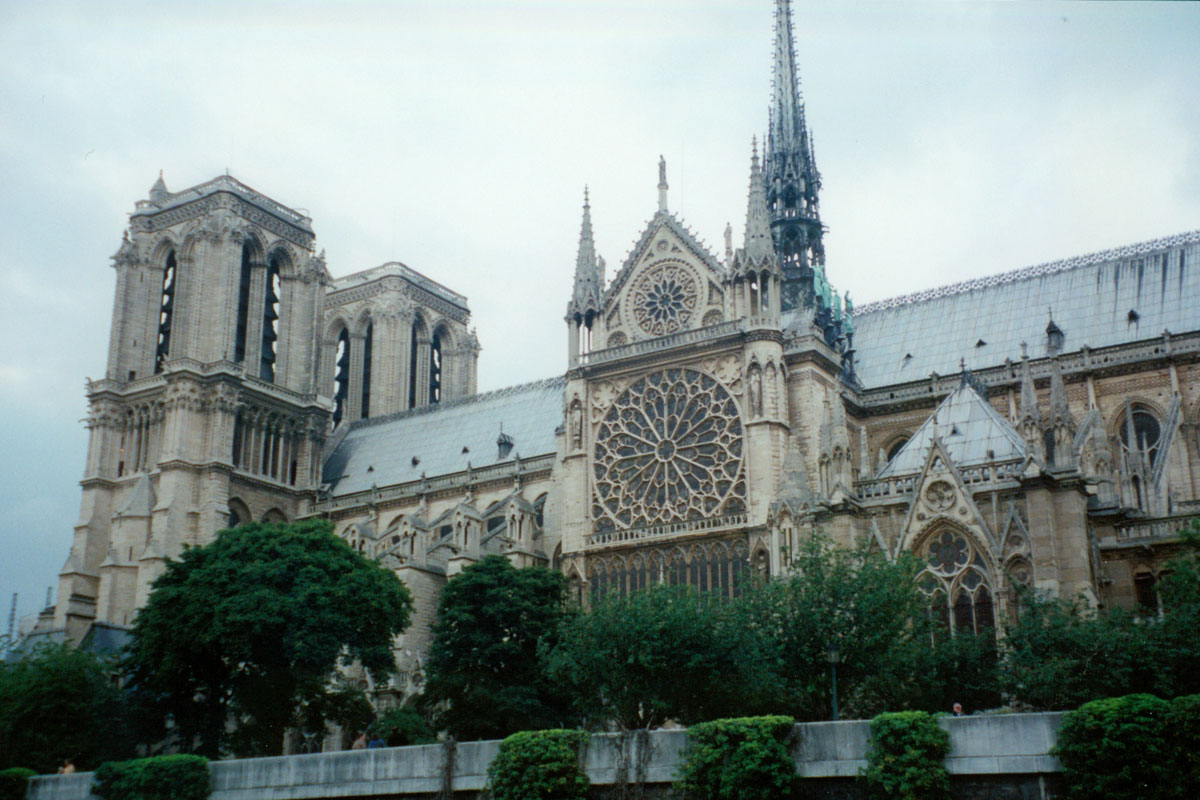
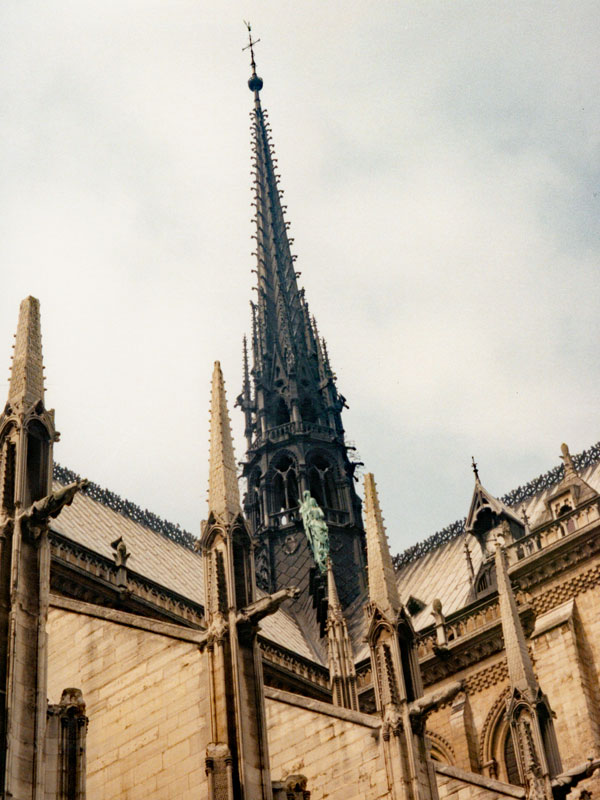
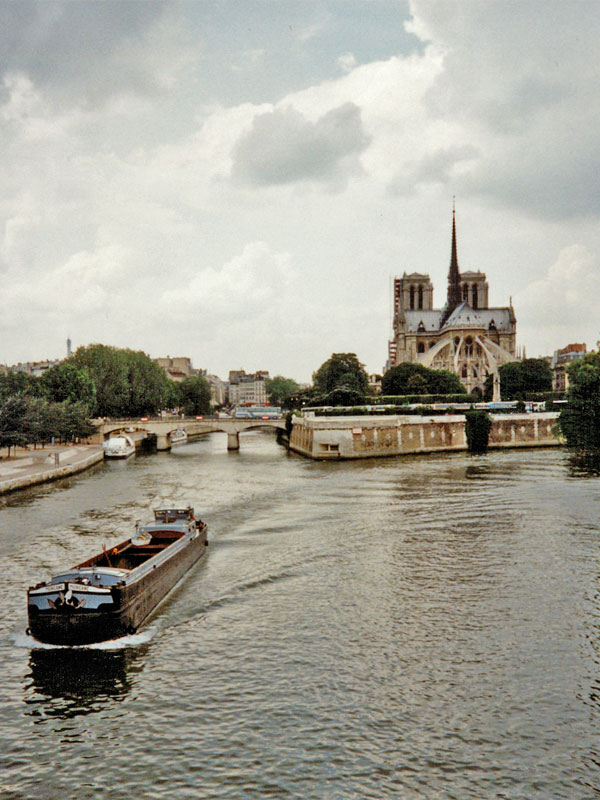
The Notre-Dame Cathedral on the Ile de la Cité in the center of Paris can be seen towering over the city. All of our visits to Paris occurred before the massive fire that overtook the Notre-Dame Cathedral in 2019 causing extensive damage to the building, including the destruction of its roof and iconic spire. Perhaps we will return once its restoration is completed in December 2024.
Les Puces de Saint-Owen
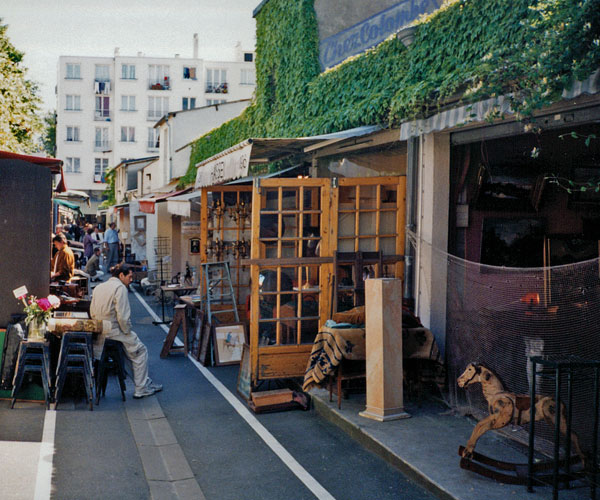
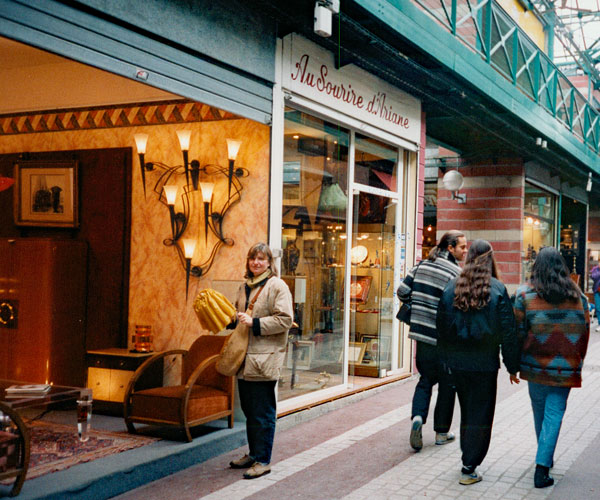
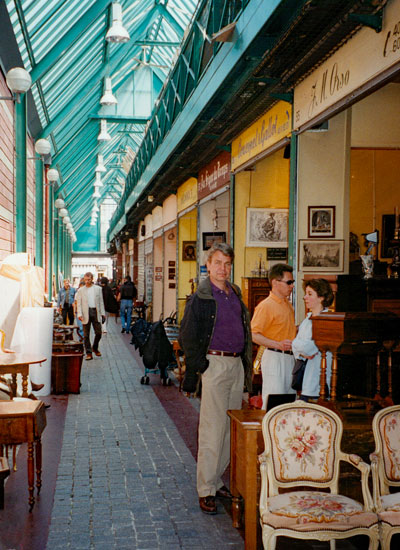
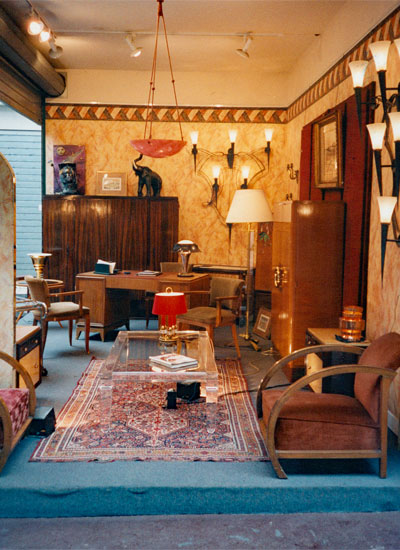
Paris has many flea markets, including the world's largest, Les Puces de Saint-Owen at the Porte de Clignancourt, which we have visited several times. It covers 17 acres and is only open on weekends although some vendors also open on Mondays.
June in Paris and Normandy
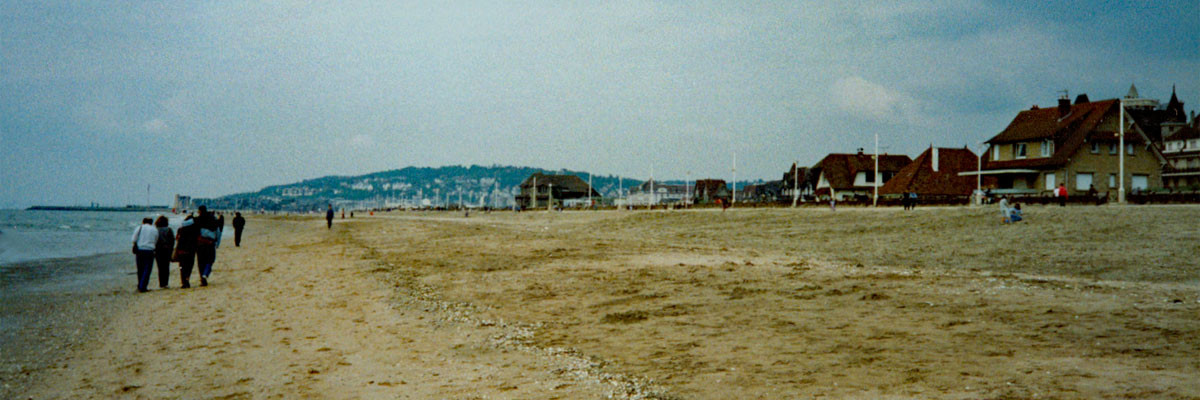
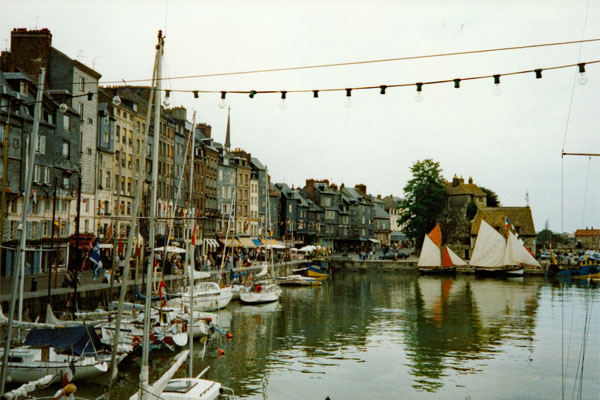
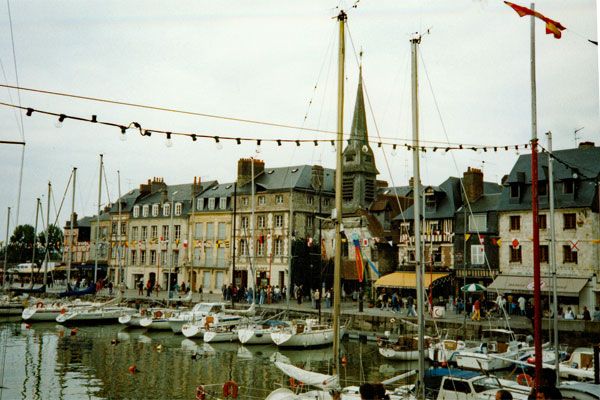
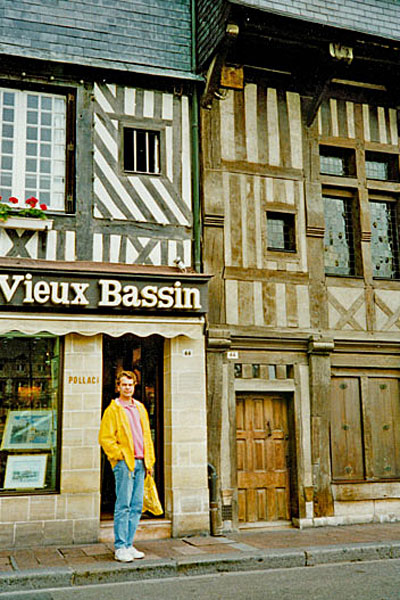
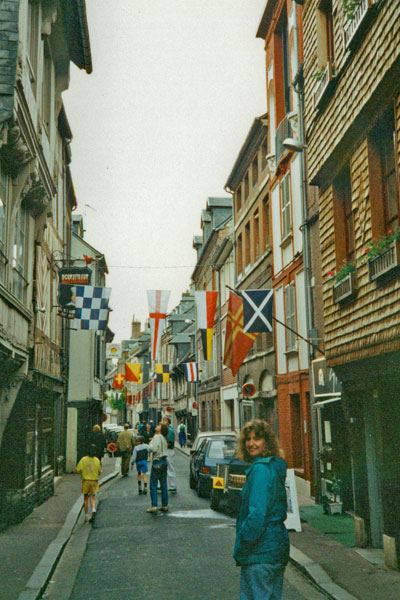
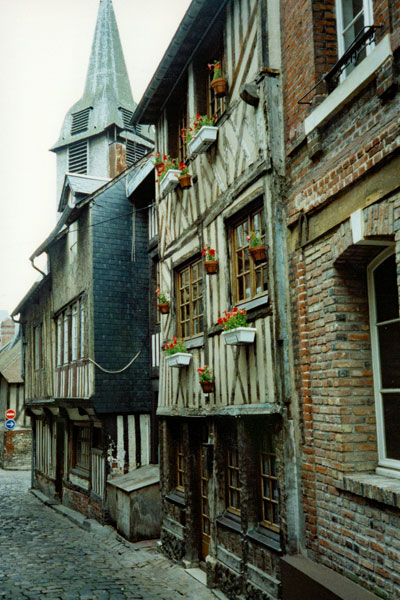
Along with our trip to Paris in June 1992, we visited the Normandy region, northwest of Paris, with stops in the villages of Honfleur, Deauville, and Giverny. Giverny is on the way to the coast where Honfleur and Deauville are located. Honfleur is distinguished by its old fishermen’s houses, the largest all-timber church in France, and cobblestone streets lined with half-timbered houses. Deauville is a short drive from Honfleur and has a more traditional beach (with sand versus rocks).
Visit to Giverny
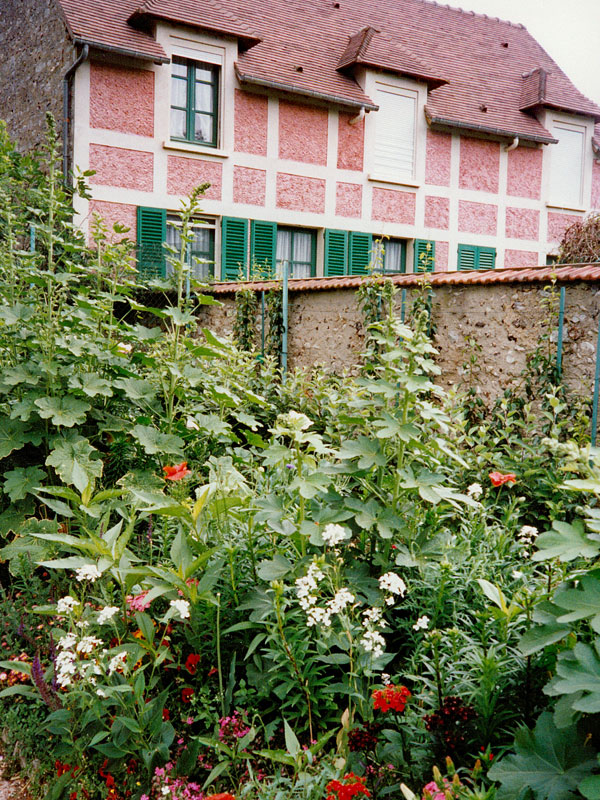
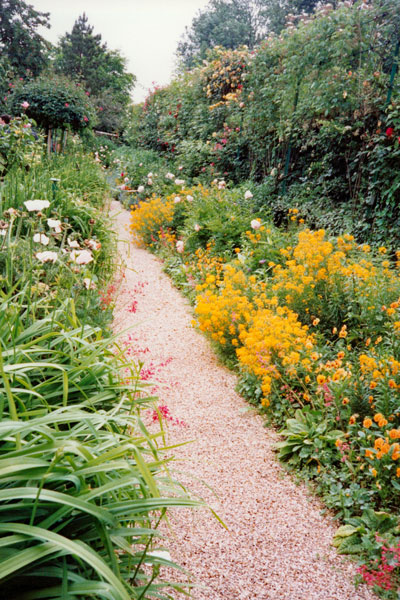
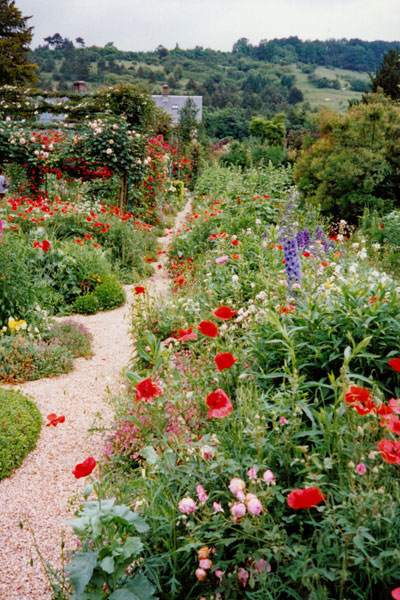
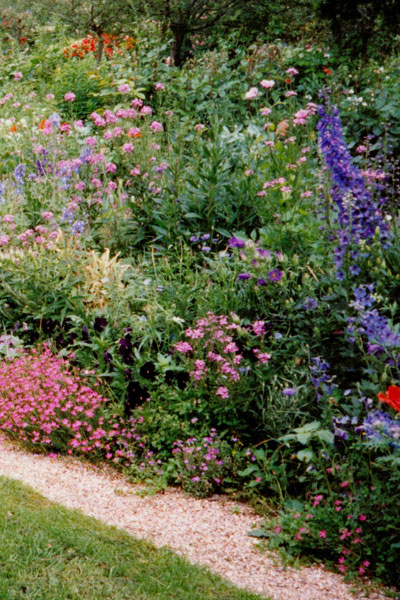
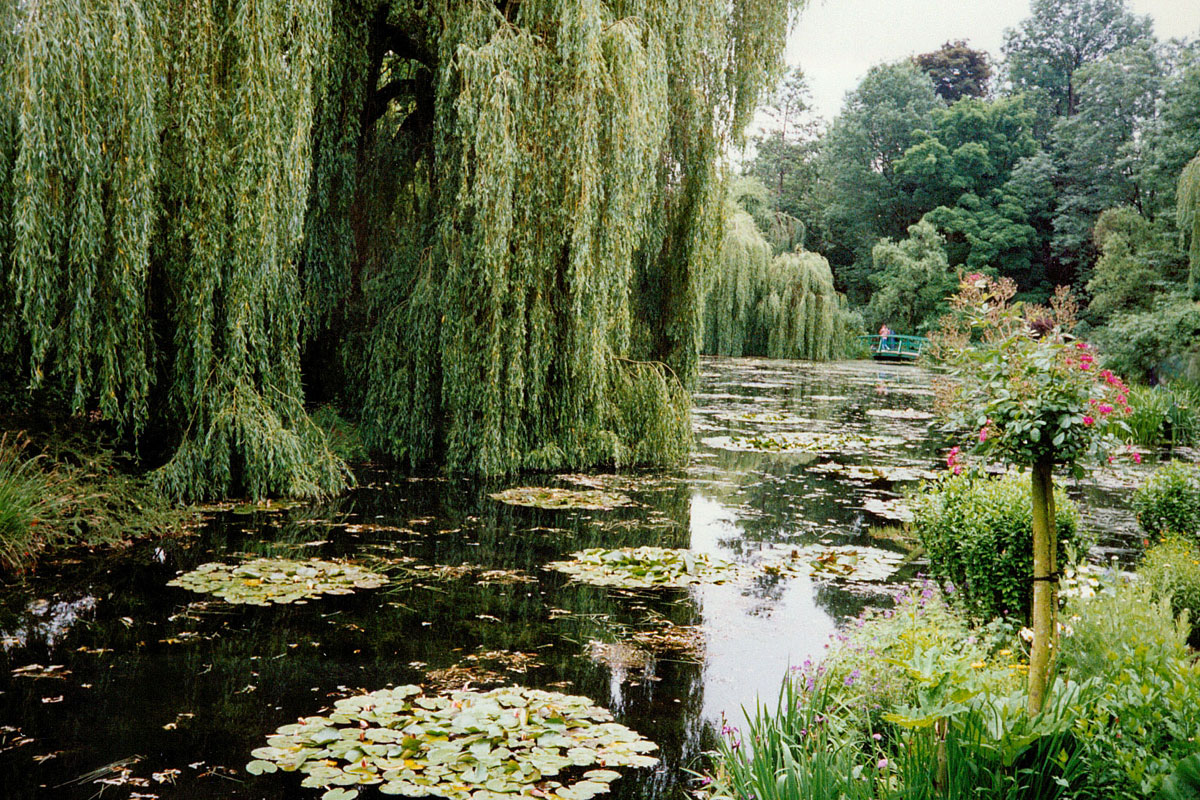
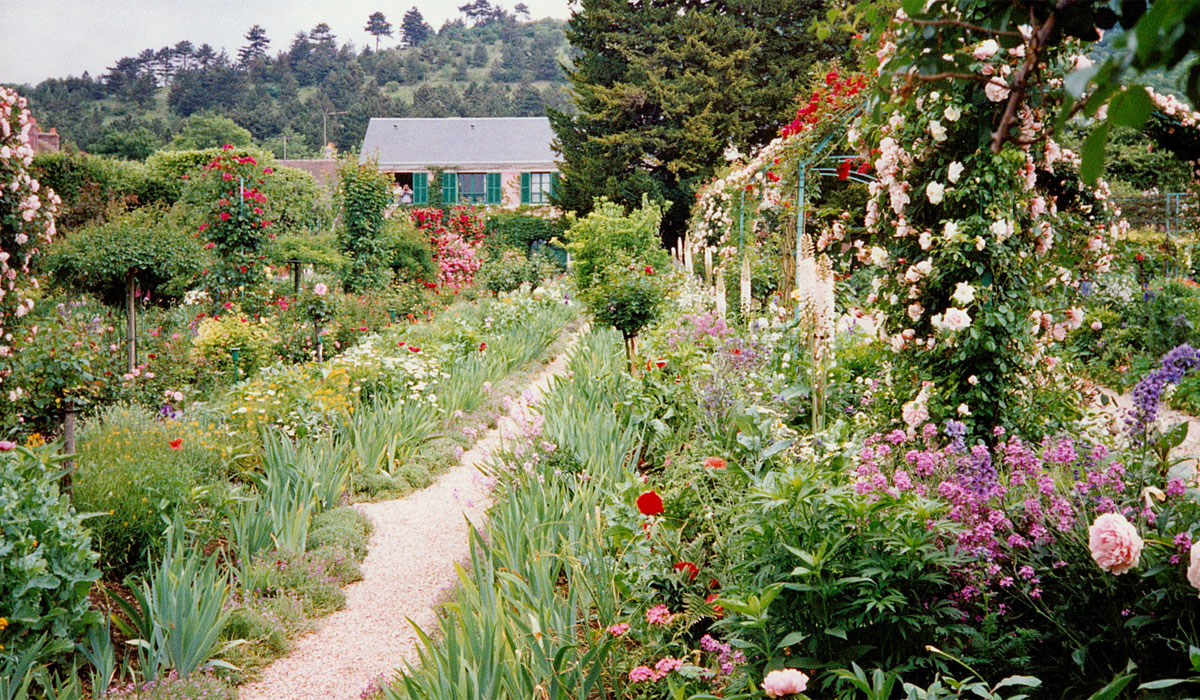
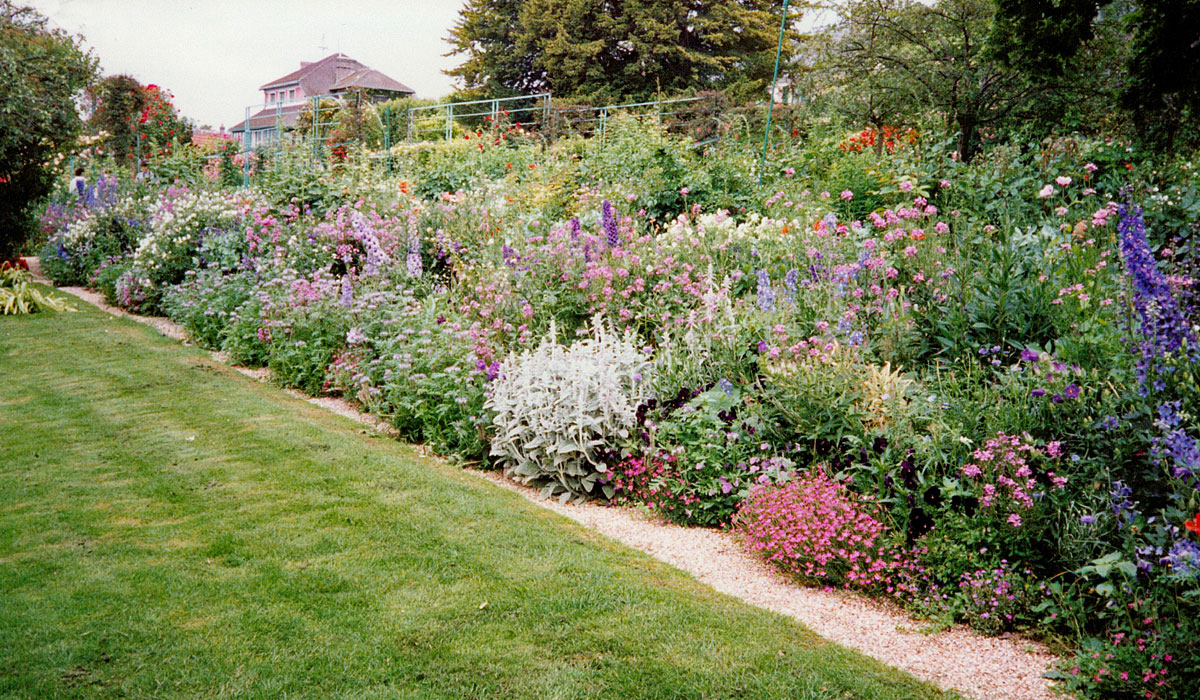
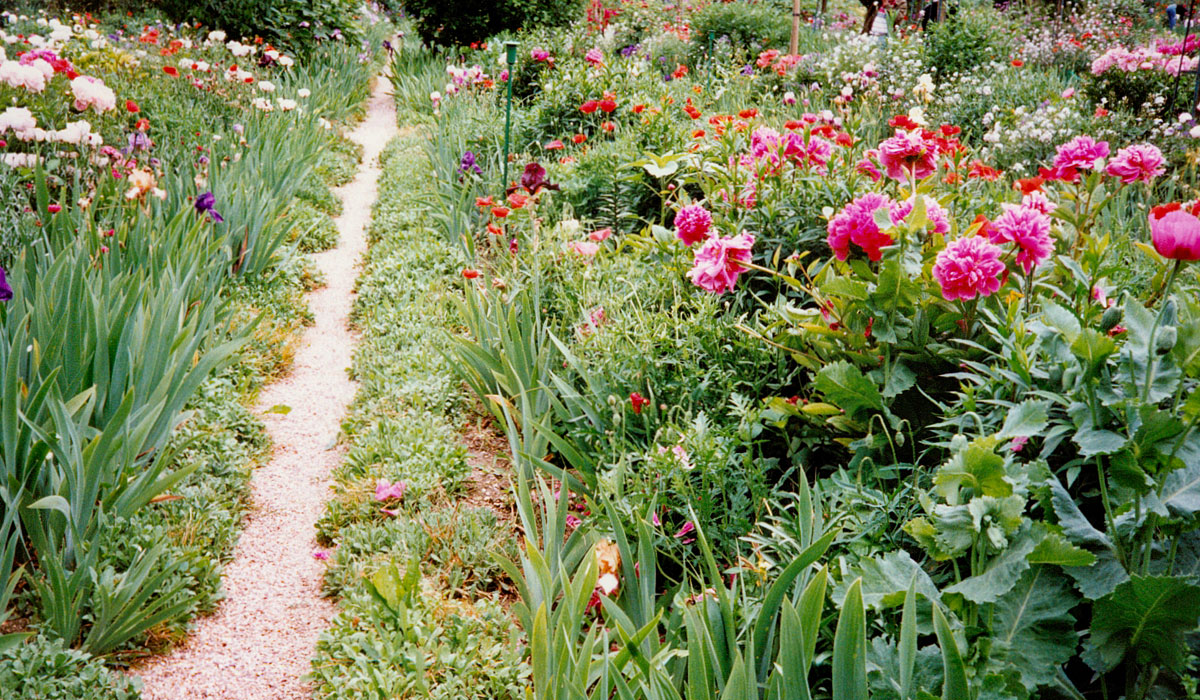
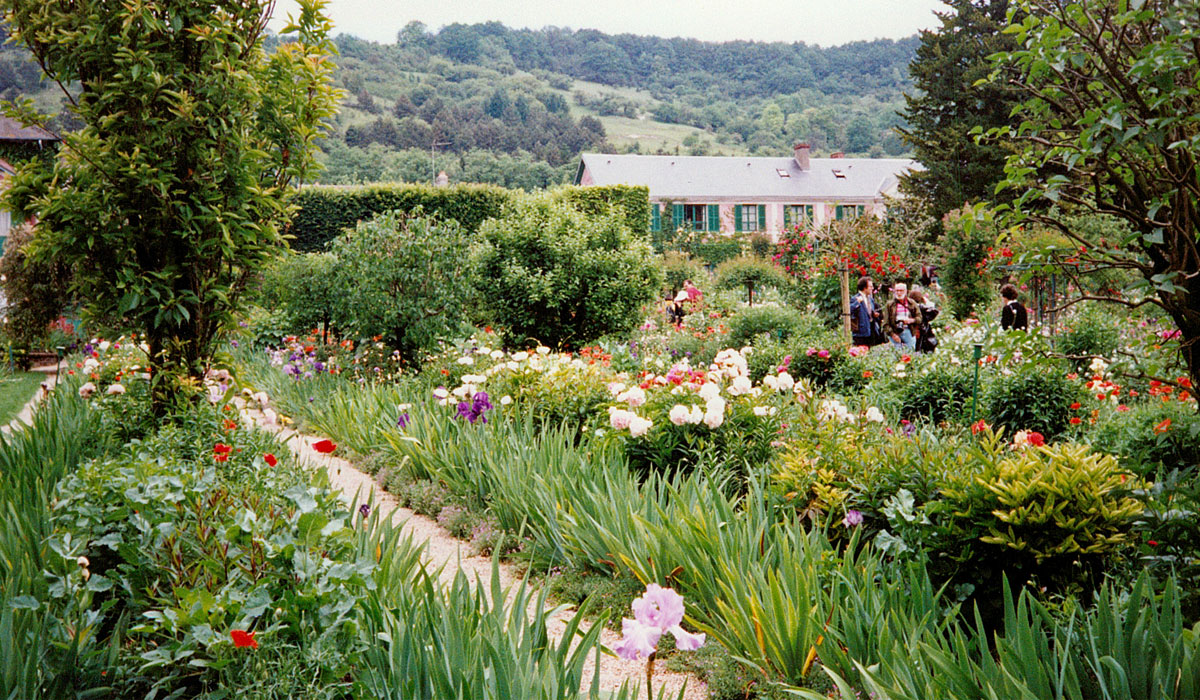
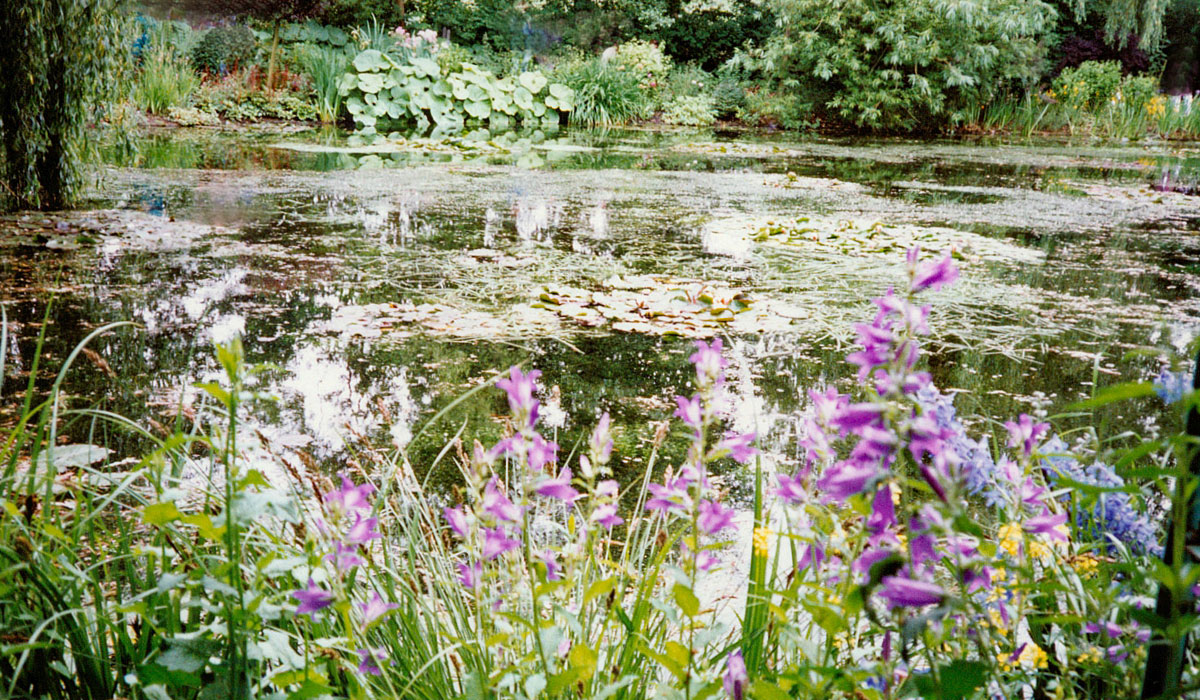
The village of Giverny is 50 miles northwest of Paris and is located on the Right Bank of the River Seine at its confluence with the River Epte. The village is on the way to the coast and best known as the location of Claude Monet's garden and home. Monet bought his house and the surrounding land in the village in 1890 and set out to create the magnificent gardens that he wanted to paint. Some of his most famous paintings were of his garden in Giverny, famous for its archways of climbing plants, colorful flowers, and the water garden with water lilies and a Japanese bridge. Several American Impressionist artists also settled in Giverny, drawn by the landscapes, the overall atmosphere, and the presence of Monet.
Long Weekend in the Fall of 1996
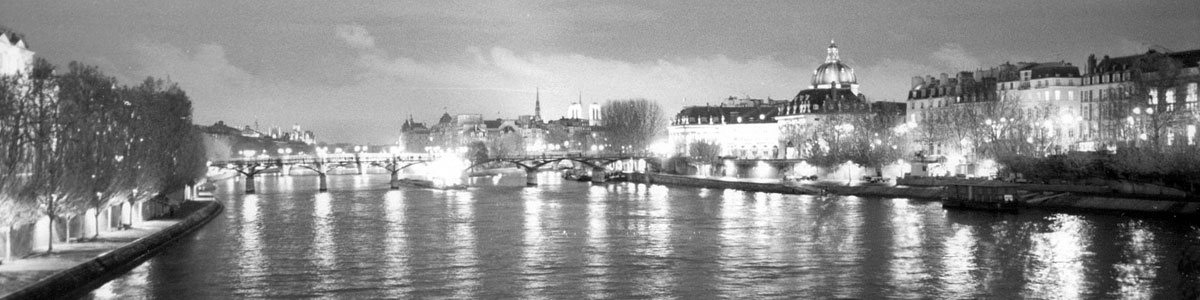
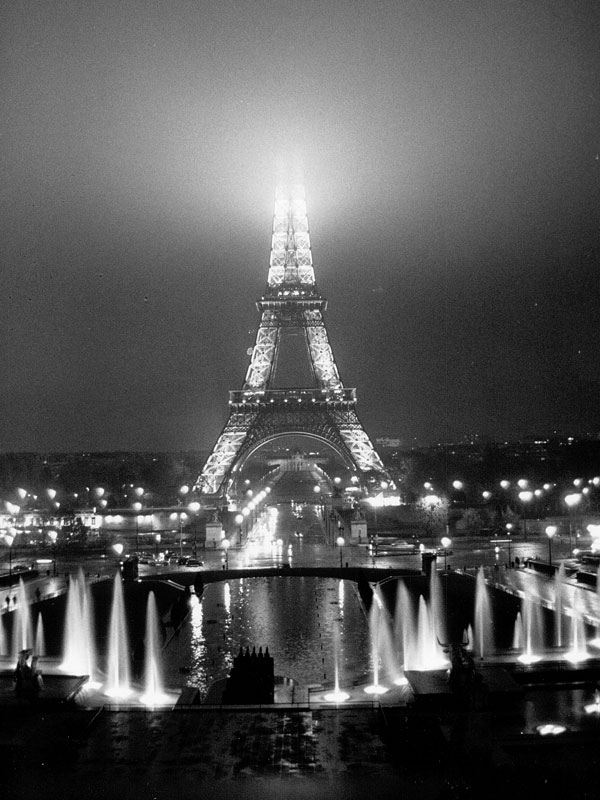
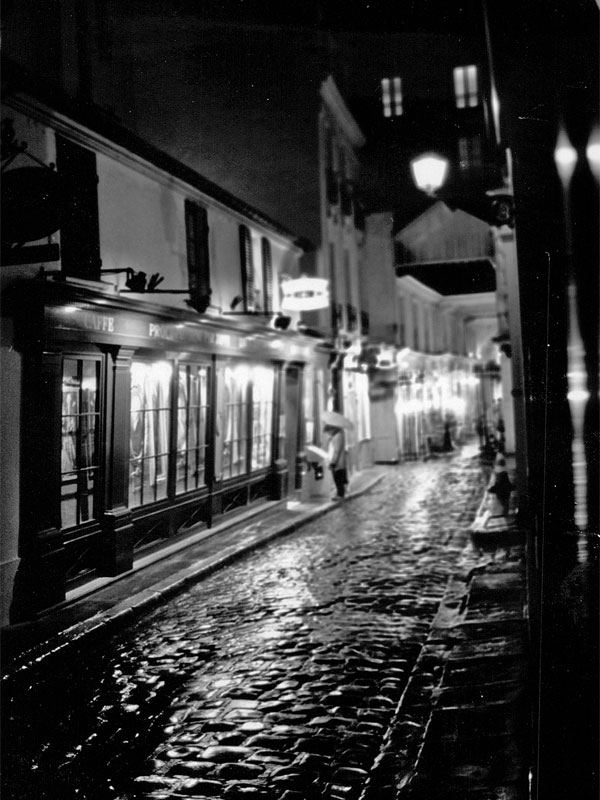
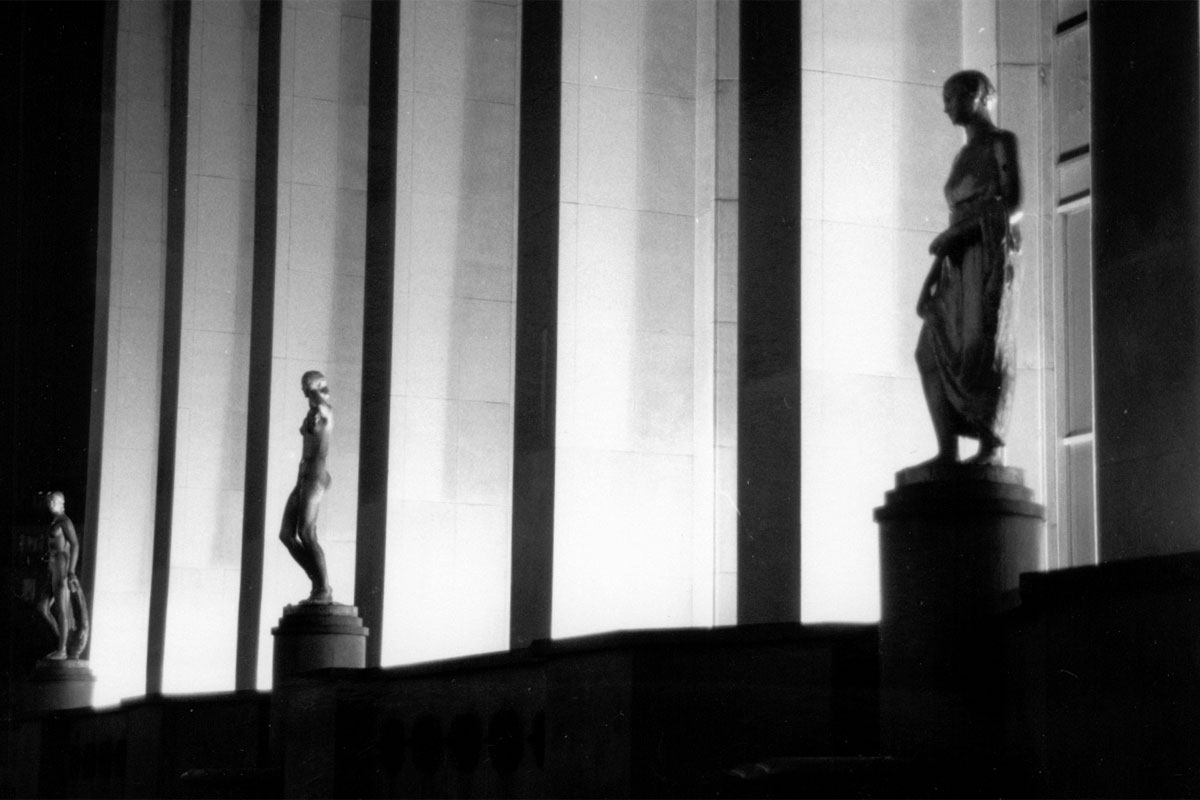
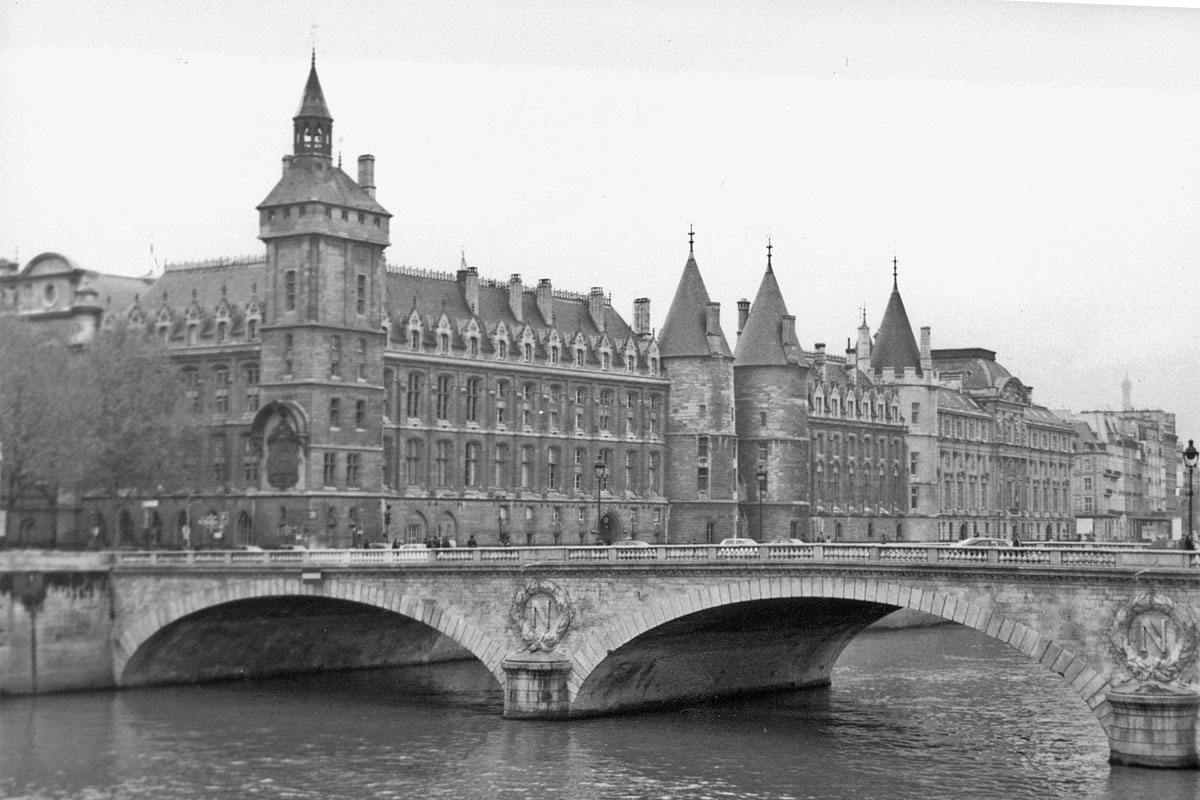
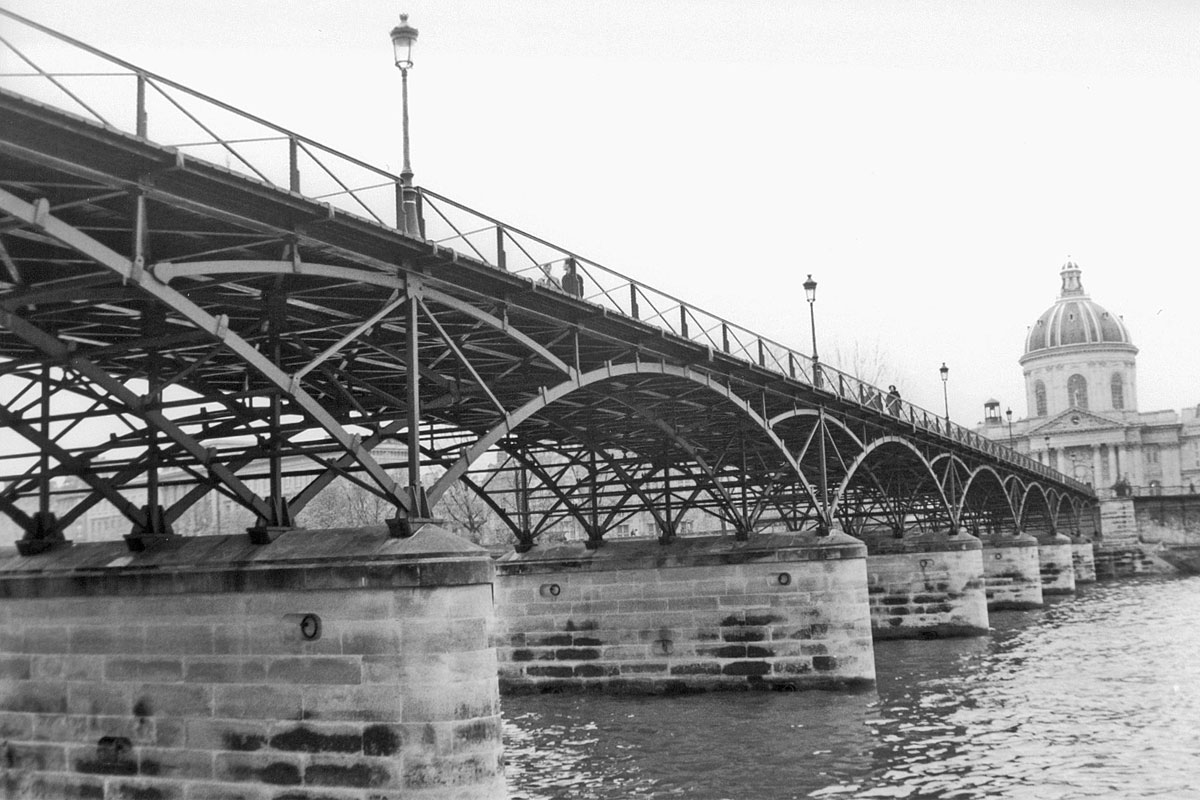
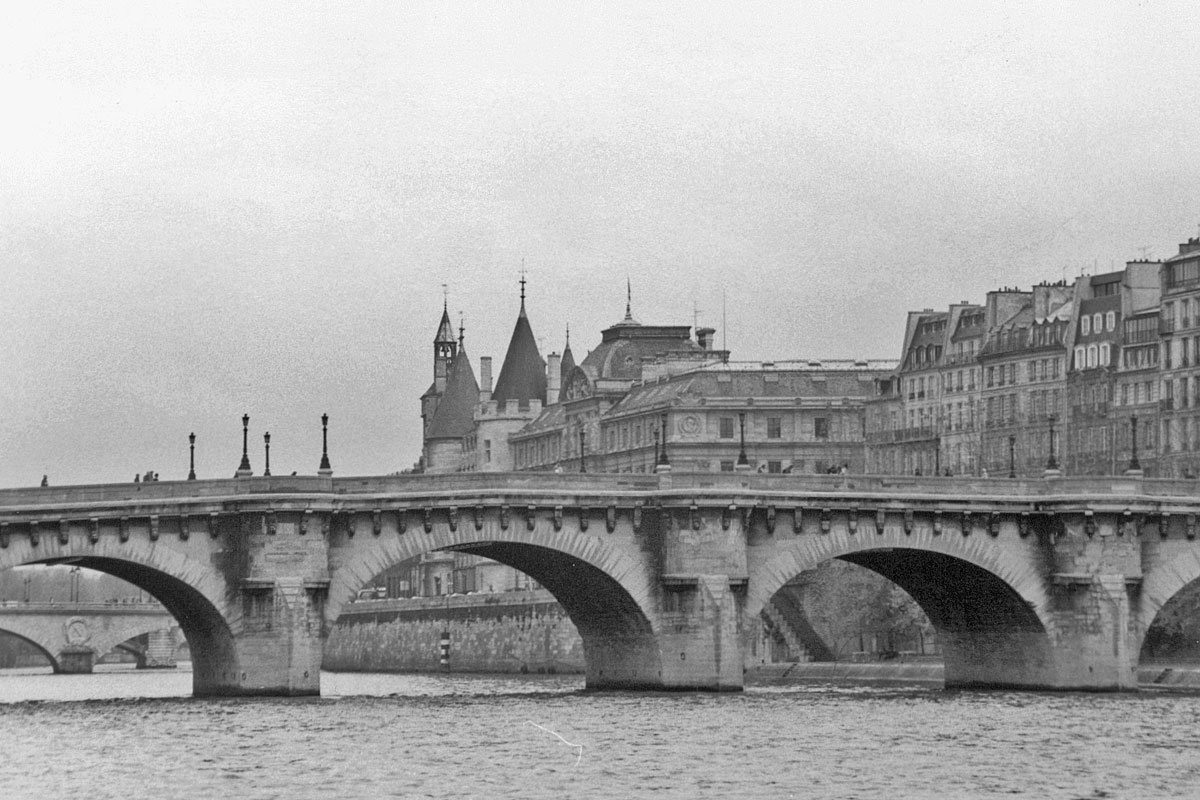
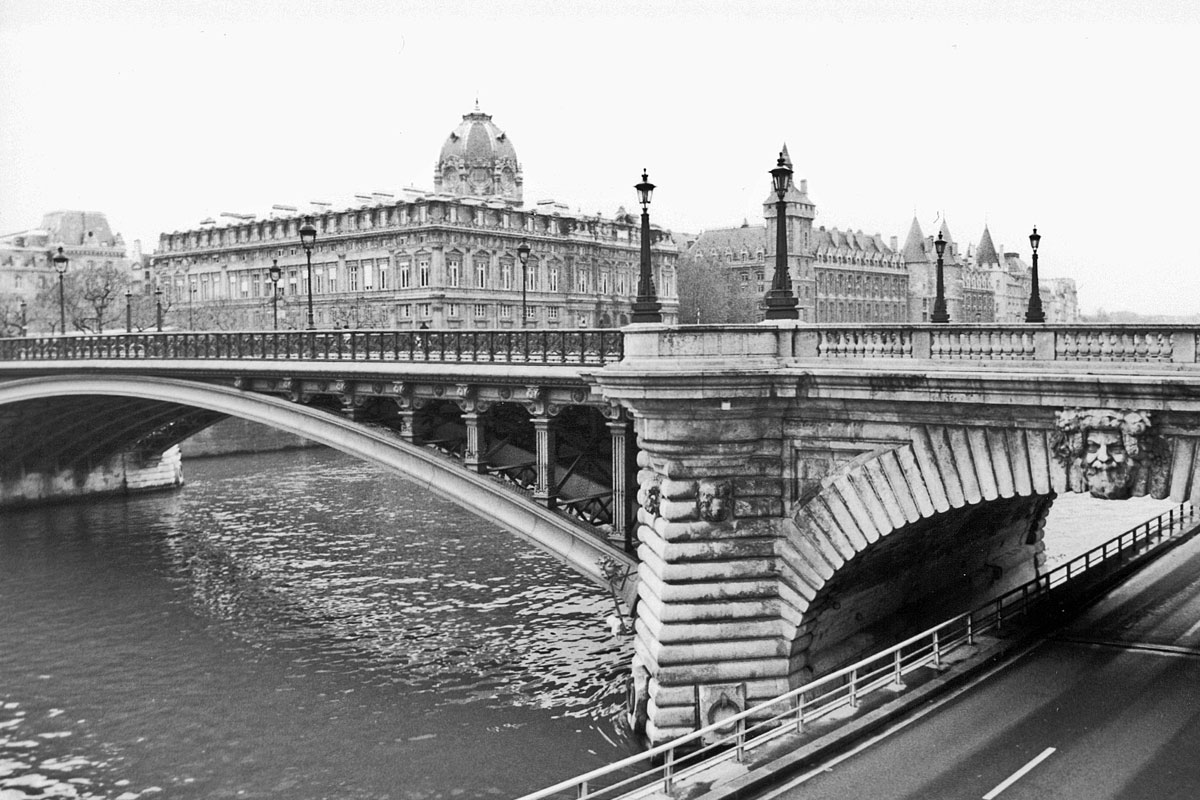
We returned to Paris for a long weekend in November 1996 — using some of the many frequent flyer miles that we accumulated during our business travel. Prior to digital photography and given the weather in November, we decided to focus on taking black and white photos of many of the beautiful bridges on the River Seine on this trip.
Paris in December
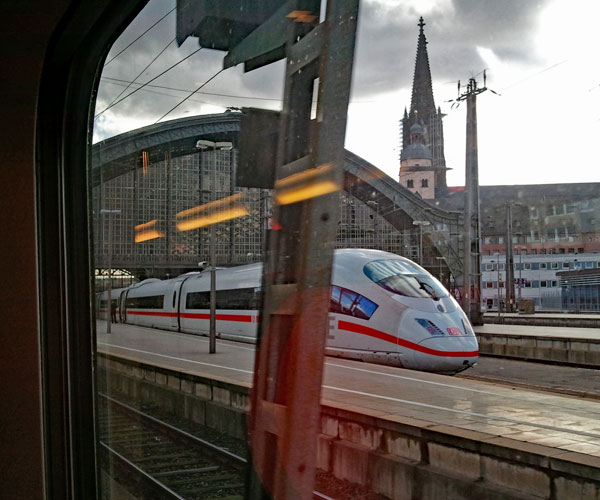
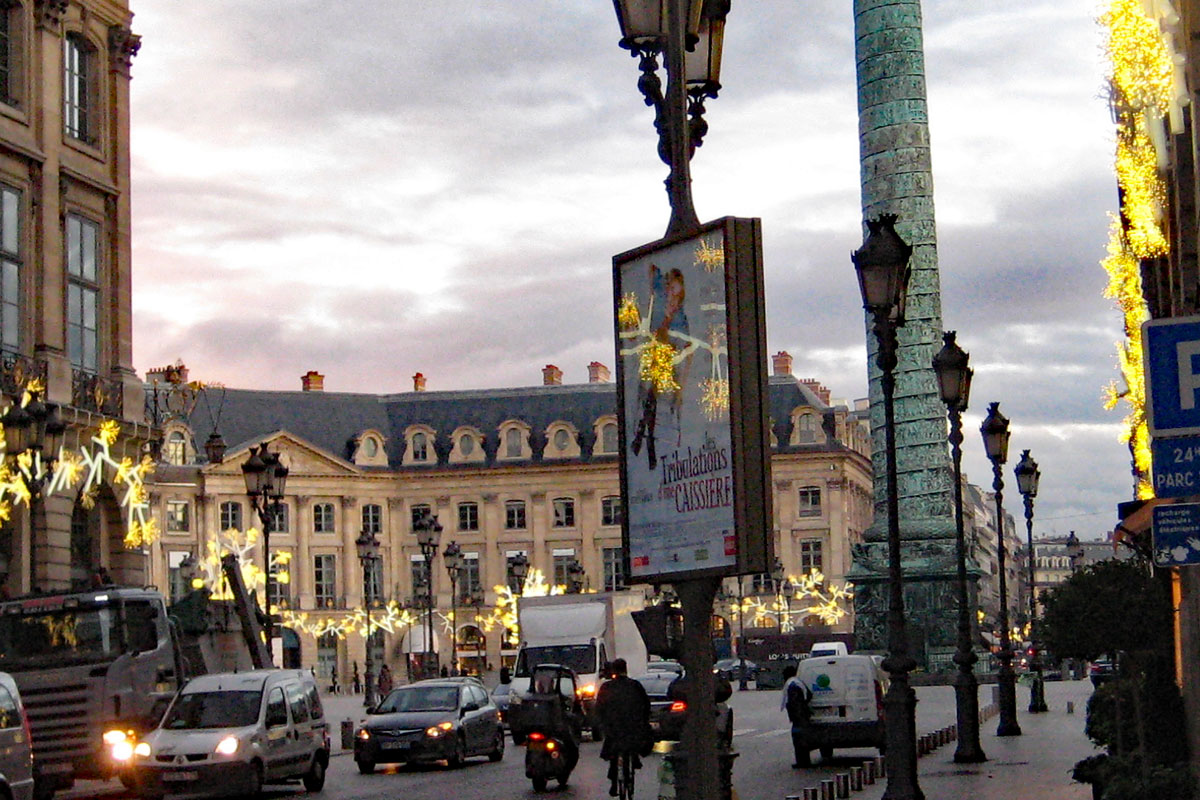
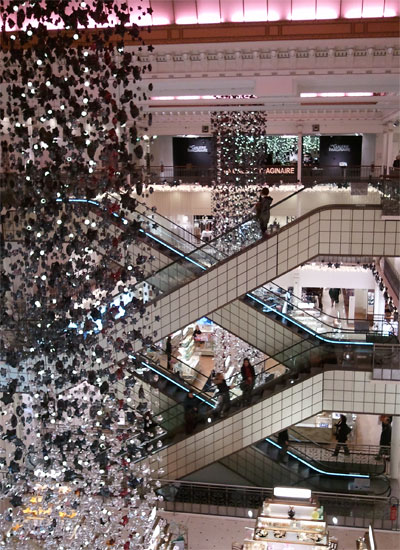
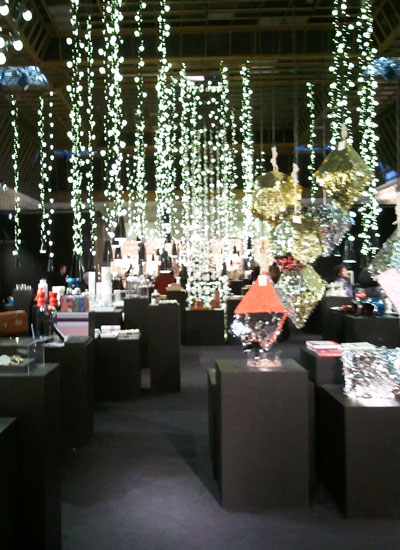
After visiting Peter's mother in Germany in December 2011, we took the Eurostar train from Cologne to Paris. It was nice to see the “City of Lights” lit up for the Christmas holidays. Although we typically have stayed on the left bank of the Seine, this time we stayed on the right bank.
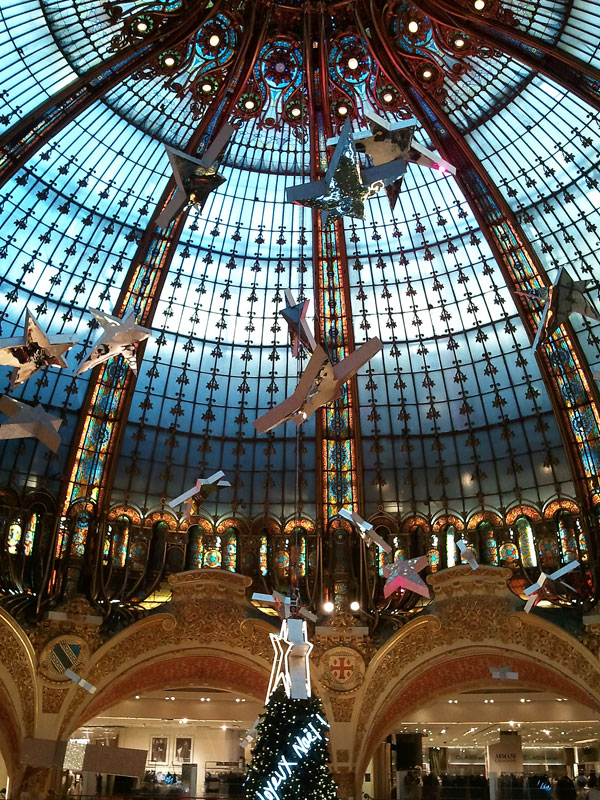
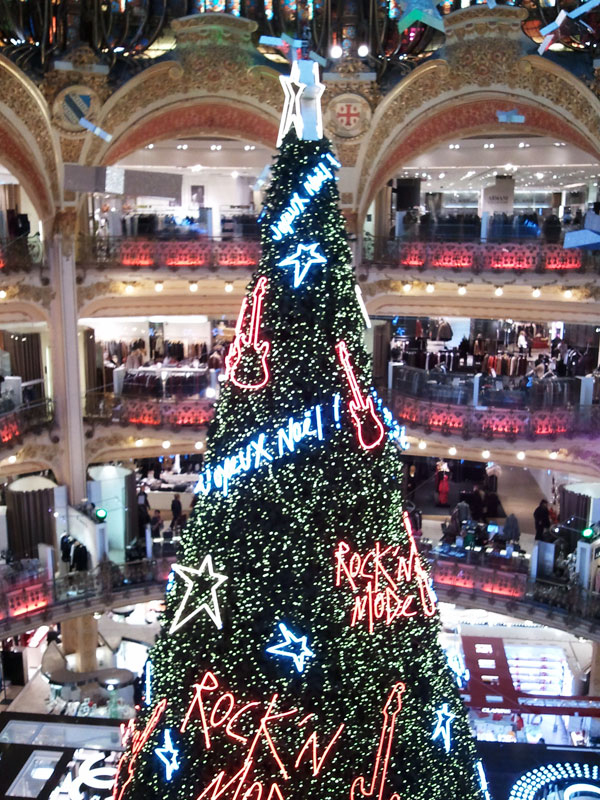
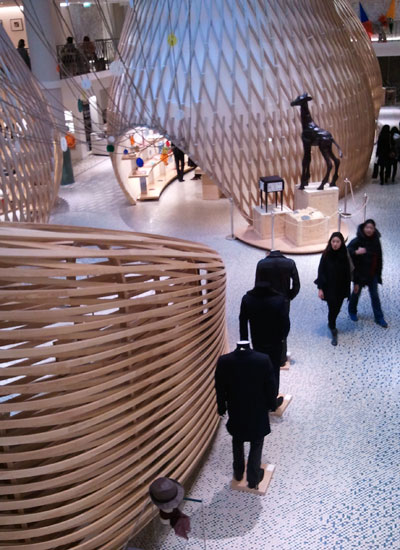
We had fun viewing all the shop windows and store decorations — particularly inside the famous Galleries Lafayette department store.