In August 2010, Peter and I spent a week in Helsinki, Finland’s capital city, before visiting his mother in Germany. Despite its somewhat severe city scape and chilly northern latitude, Helsinki has a bustling harbor front and a sophisticated design culture with a quirky east-meets-west mashup of cultures. The city has some stunning 19th to 21th century architecture with a blend of neoclassical, modern, and Nordic design. Located north of Tallinn, east of Stockholm, and west of Saint Petersburg — Helsinki has significant historical connections with these three cities. While in Helsinki, we also took a day trip to Tallinn, Estonia.
Helsinki was founded in 1550 as a Swedish port to rival other ports on the Gulf of Finland but remained a small fishing village for over two centuries. Its importance increased in the mid-18th century when the Swedish Kingdom constructed a fortress, originally known as Sveaborg, at the entrance to the harbor. While intended to protect Helsinki from Russian attack, Sveaborg ultimately surrendered to Russia during the Finnish War and was incorporated into the Russian Empire in 1809. Russia then moved the Finnish capital from Turku to Helsinki and the city grew dramatically during the 19th century. Finnish independence from Russia in 1917, a civil war, and three consecutive conflicts associated with World War II made Helsinki a site of significant political and military activity during the first half of the 20th century.
Long Summer Days and Many Things to See and Do
Helsinki is a very walkable city and our hotel was in a central location to everything. We mostly stayed in the city center. However, on one day, we took a train to visit one of the largest cultural centers in Finland on the western edge of Helsinki. On another day, we took a tour of the Arabia Factory.
We arrived in late summer during the annual Helsinki Festival which is the largest arts festival in the Nordic countries. The festival’s aim is to make art accessible for all — featuring classical and world music, theatre, dance, circus, and visual arts as well as a range of urban events. As we walked through the city, we encountered various musicians and performers in obscure public places. It was not unusual to look down an alleyway and see a quartet of tuba players or acrobats performing a stunt.
Interesting Architecture, Museums, and Public Art
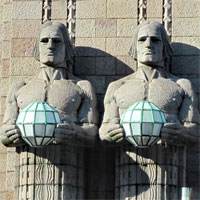
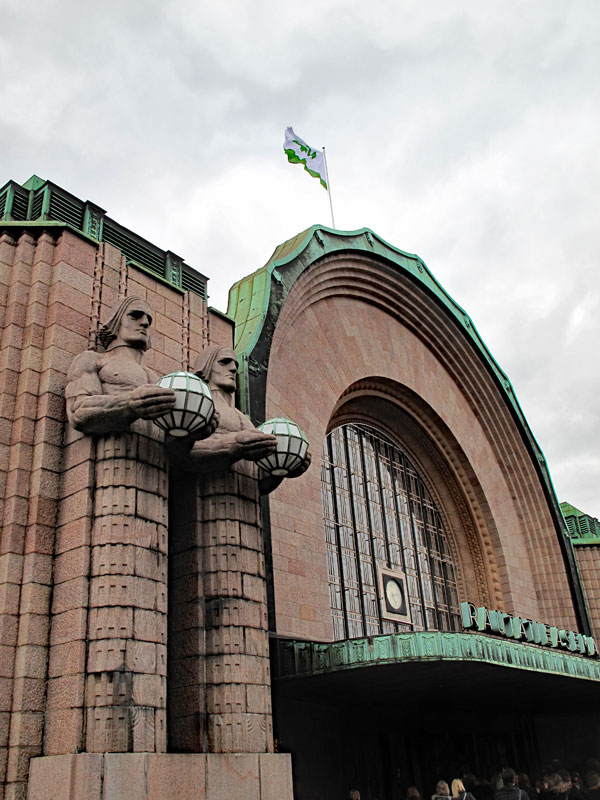
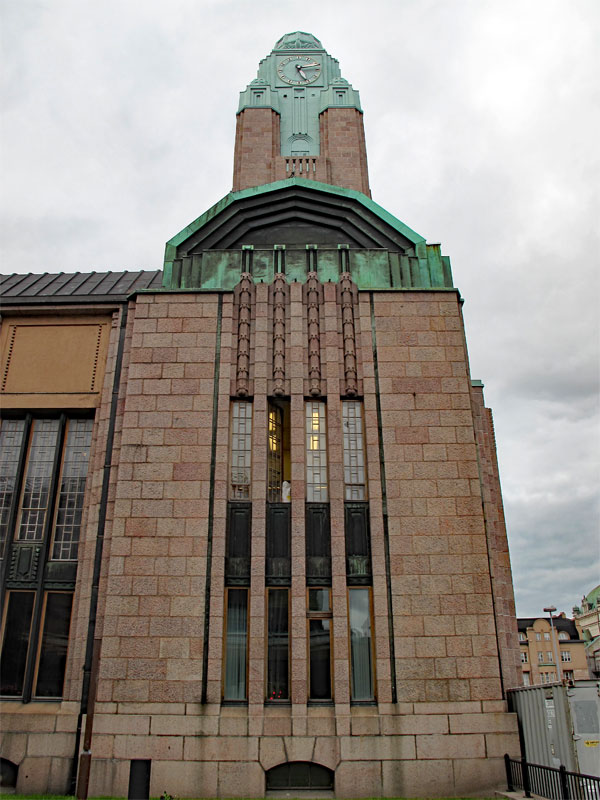
In the center of Helsinki, the famous and mythical stone giants guard the main doors of the Central Railway Station. Built in 1919 and widely considered one of the most beautiful railway stations in the world, it represents the Finnish National Romantic style with a modern twist. Designed by noted Finnish architect Eliel Saarinen, it is noted for its use of Finnish granite and beautiful clock tower with intricate copper detailing.
Central Railway Station designed by Eliel Saarinen
Mythical stone giants at the entrance
Beautiful clock tower
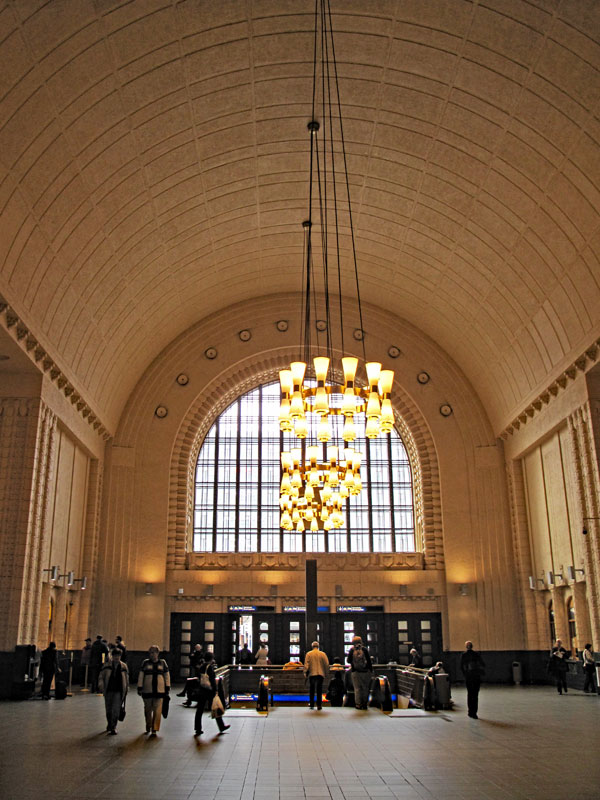
View of the main hall
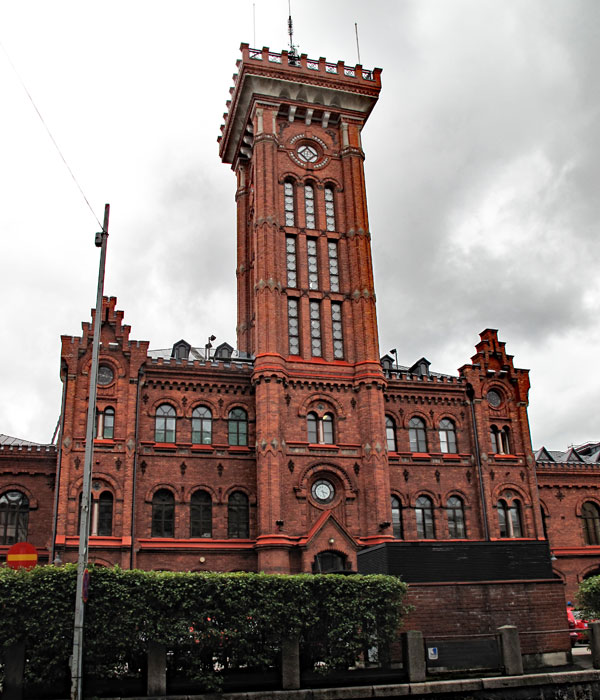
The Erottaja Rescue Station was built in 1891 and is the oldest operating fire station in Helsinki. Its architect Theodor Hoijer was the leading Finnish architect in the late 19th century. Another iconic building is the Finnish National Theater which was completed in 1902 and designed in the Romantic architecture style. At this point in history, the whole country was undergoing a cultural movement, which came to be known as Romantic Nationalism, as the people sought to preserve their cultural identity against outside pressure.
Erottaja Rescue Station
Finnish National Theater
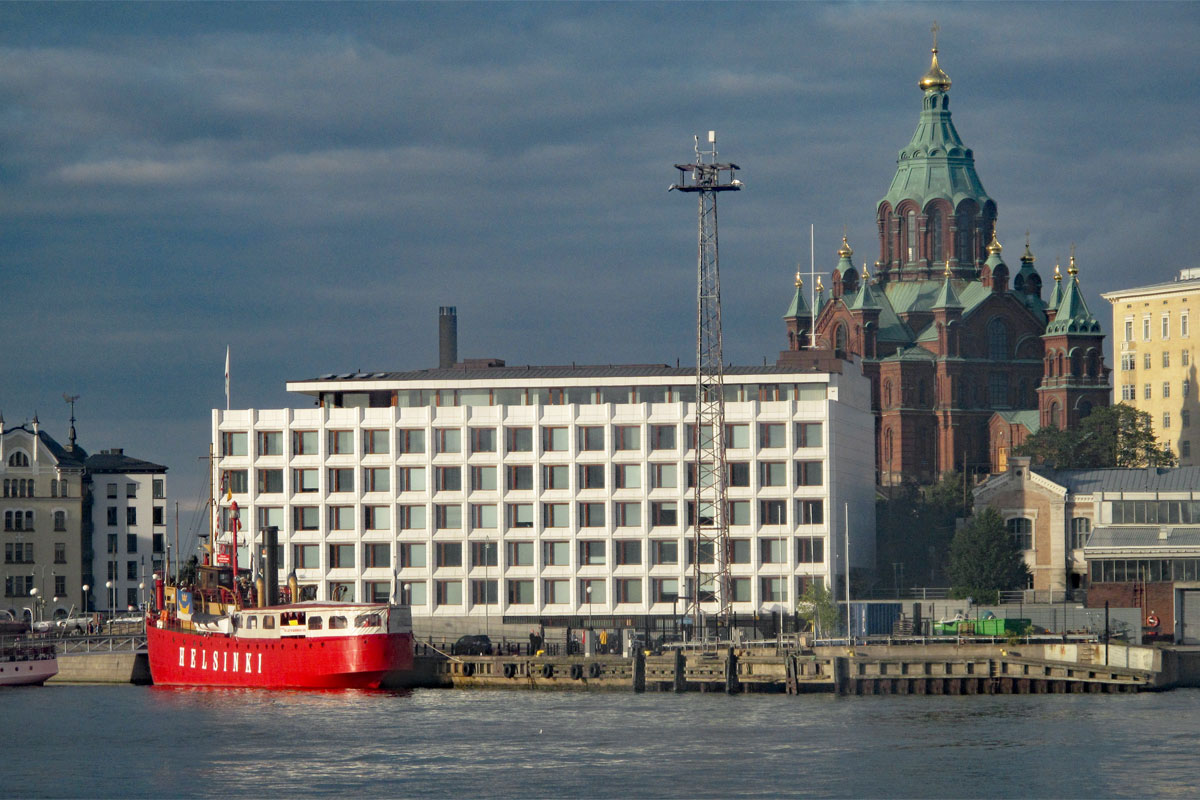
The Enso-Gutzeit Headquarters building, designed by Alvar Aalto and completed in 1962, sits on a prominent site by the South Harbor. Another Helsinki landmark is the Uspenski Cathedral, the main cathedral of the Orthodox Church of Finland, which opened in 1868.
View of the Uspenski Cathedral sitting behind the Enso-Gutzeit Headquarters
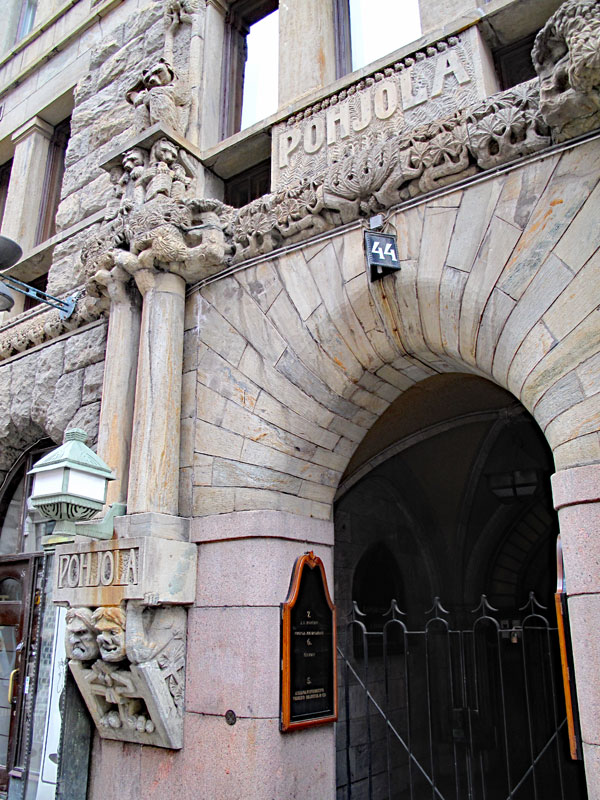
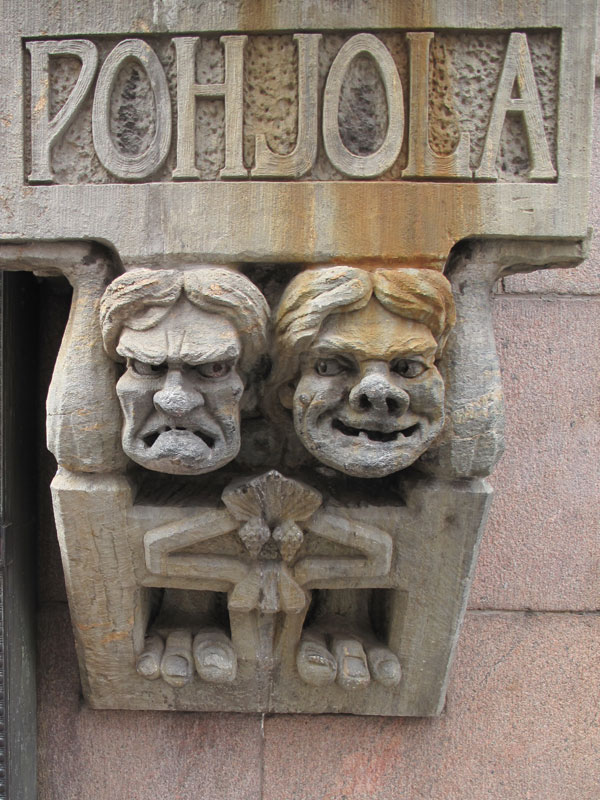
The Pohjola Insurance building, designed by Gesellius, Lindgren, and Saarinen in 1901, is another prominent example of Finnish National Romantic architecture.
The fanciful facade of the Pohjola Insurance Building
A detail of the gargoyles — seems appropriate for an insurance company headquarters
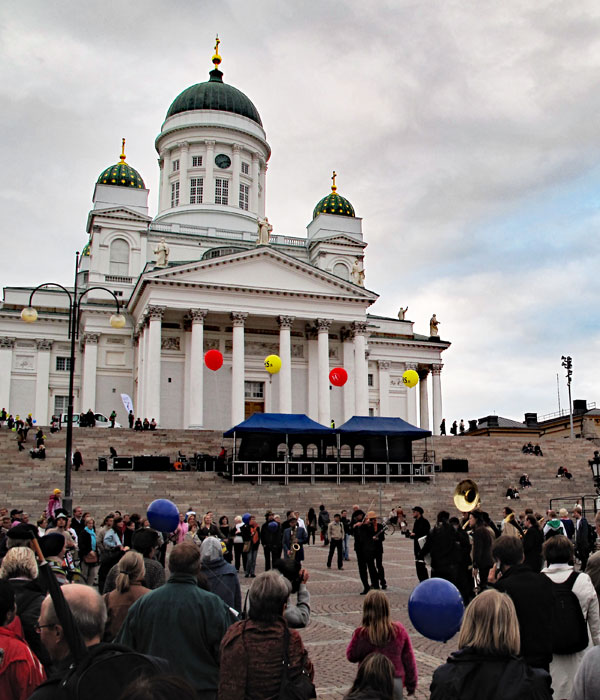
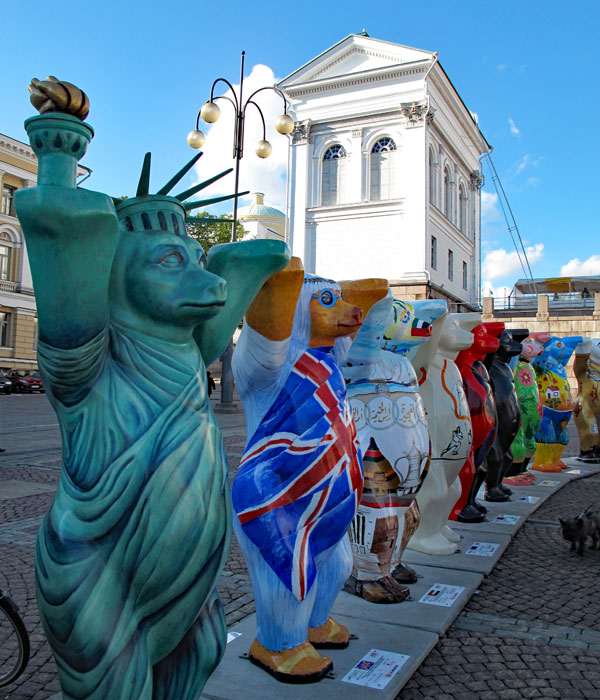
The Evangelical Lutheran Helsinki Cathedral is located in the center of Helsinki at the Senate Square. The church was designed by architects Carl Ludvig Engel and Ernst Lohrmann in the Neoclassical style and completed in 1852 as a tribute to Nicholas I who was the Grand Duke of Finland and Emperor of Russia. During the Helsinki Festival, there was a travelling exhibit from Berlin entitled “United Buddy Bears — The Art of Tolerance” involving dozens of colorfully painted life-size bears encircling the cathedral.
Setting up for a concert on the steps of the Helsinki Cathedral
United Buddy Bears exhibit encircling the Helsinki Cathedral
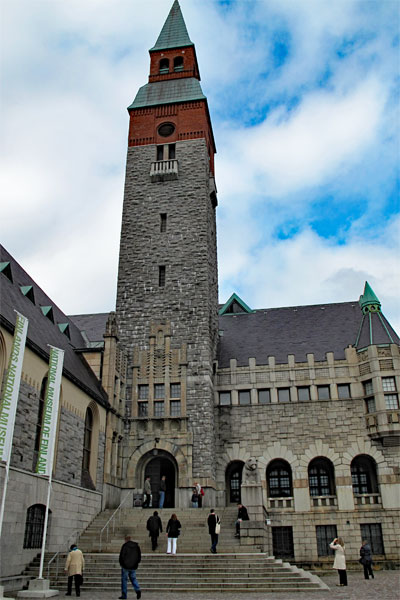
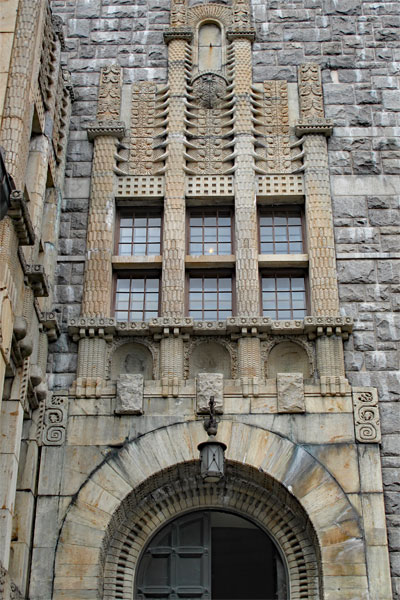
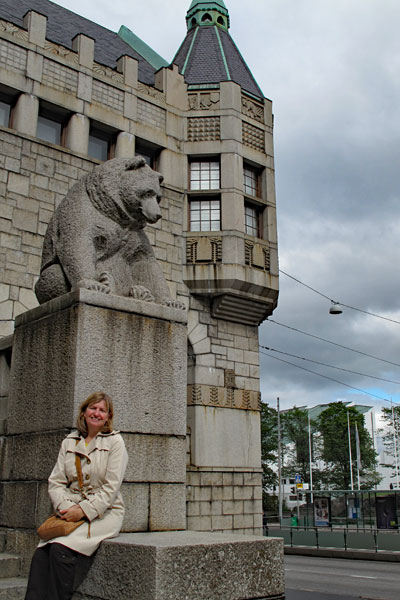
The National Museum of Finland presents Finnish history from the Stone Age to the present day through objects and cultural history. The building was designed by the architectural firm Gesellius, Lindgren, and Saarinen in the Finnish National Romantic style with an Art Nouveau interior; its appearance also reflects Finland's medieval churches and castles. The museum was opened to the public in 1916 and named the Finnish National Museum after Finland's independence in 1917. The iconic bear statue at its entrance was designed by Emil Wikström in 1910. The entrance hall has ceiling frescoes were painted by Akseli Gallén-Kallela and are based on the frescoes he painted for the Finnish Pavilion of the Paris World Fair in 1900.
Entrance to the National Museum of Finland
Detail of the ornate facade
Me sitting in front of the bear statue
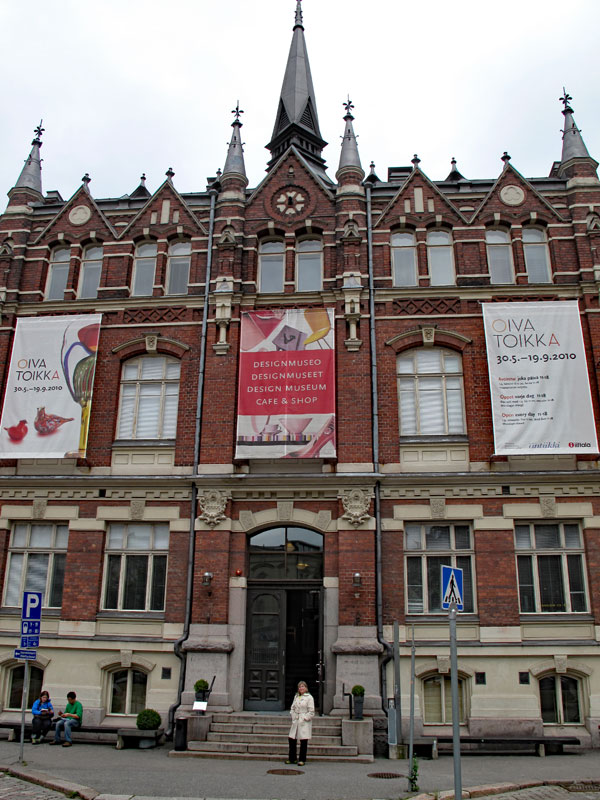
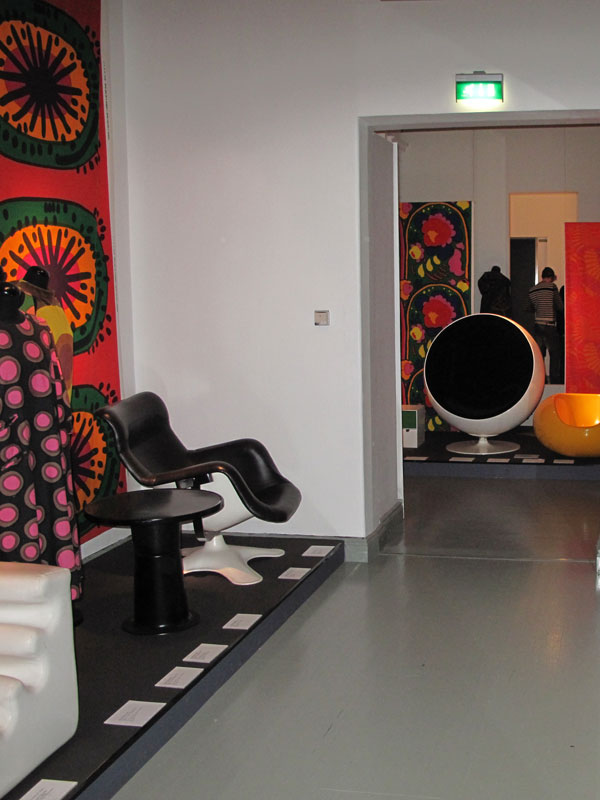
The Design Museum is devoted to the exhibition of both Finnish and foreign design, including industrial design, fashion, and graphic design.
The Design Museum
Some colorful displays from the 1960s
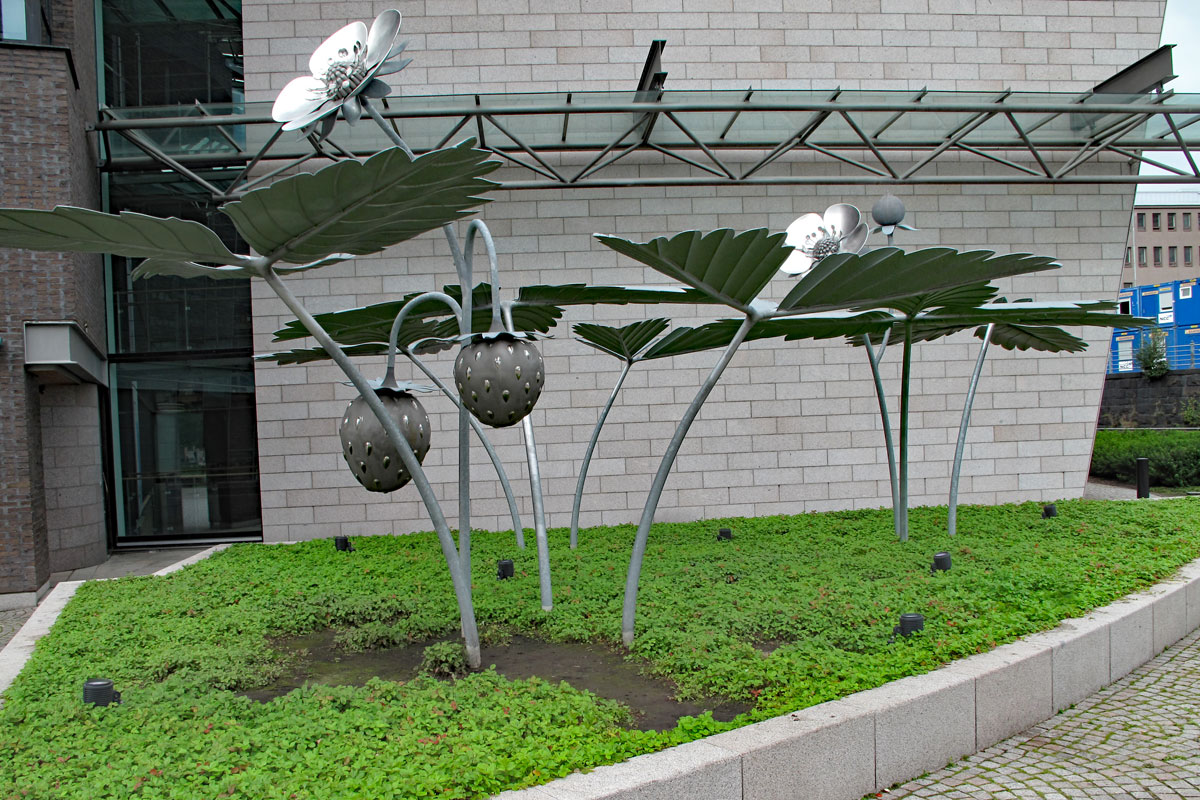
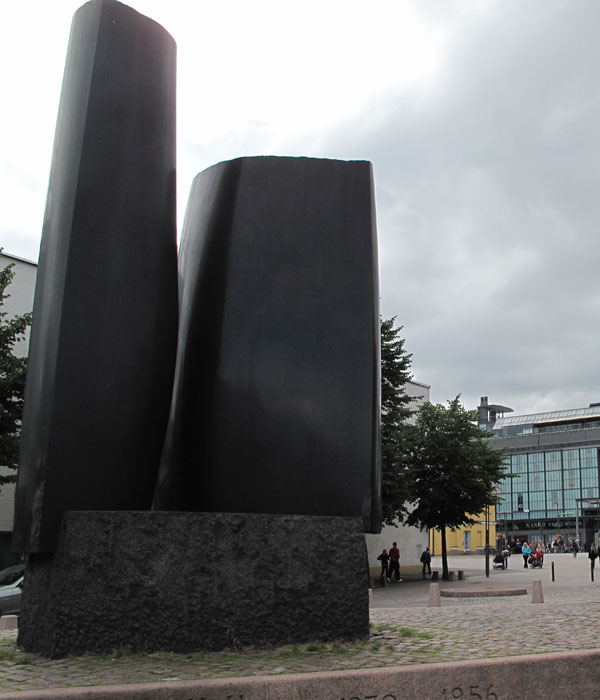
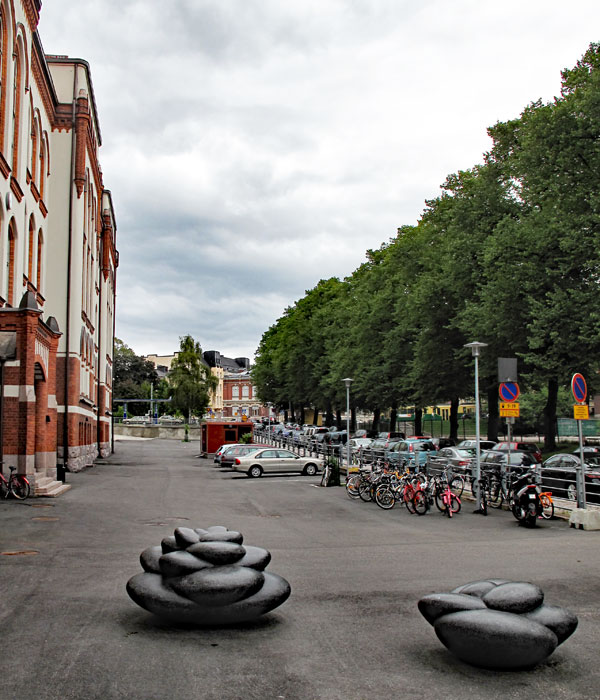
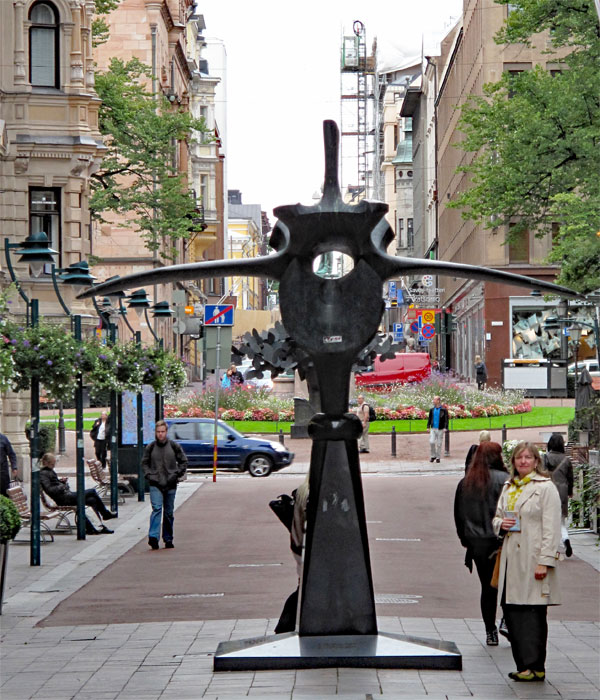
There are many public works of art by Finnish artists displayed throughout Helsinki.
Where the Strawberries Grow — a sculpture by Oma Maa Mansikka
East Meets West — a sculpture by Harry Kivijarvi
Asphalt Flowers — a group of sculptures by Tiia Matikainen
Fazen Rooster — a sculpture by Bjorn Weckstrom
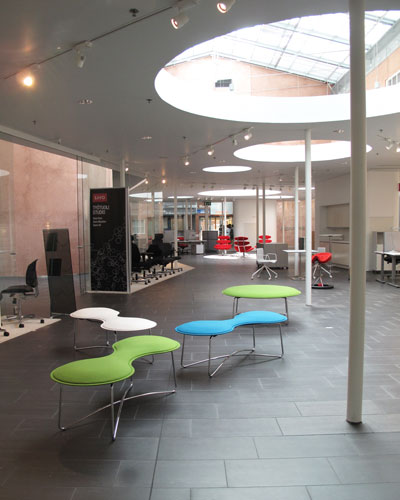
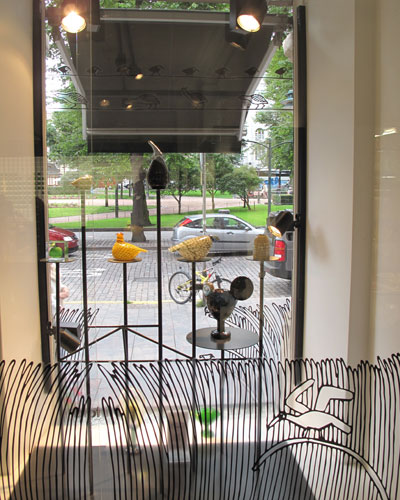
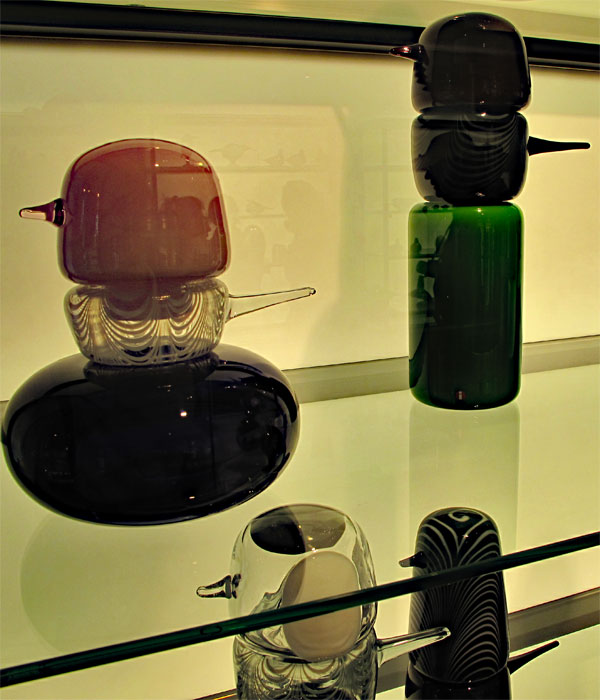
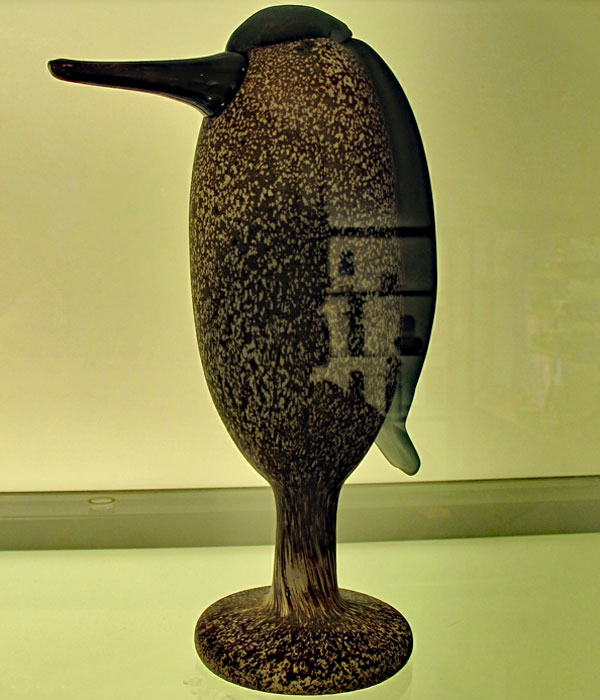
We also encountered many shops displaying Finnish modern design including famous Finnish brands such as Arabia, Iittala, and Marimekko. In their front window, the Iittalia design studio displayed their iconic collection of Birds of Toikka which first took flight in 1972.
Entrance to a small shopping plaza
Iittalia Studio window display
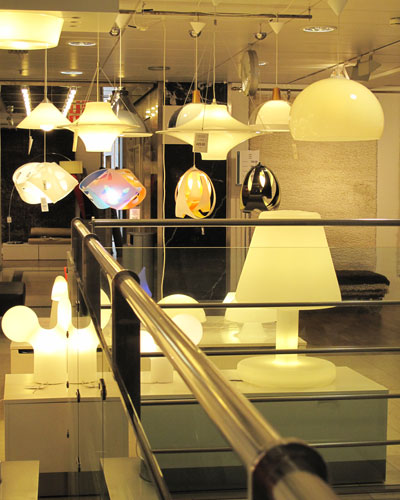
A shop displaying light fixtures
Display of iconic Iittalia glass birds
One of the Iittalia glass Birds of Toikka
We mostly stayed in the city center. However, on one day, we took a train to visit one of the largest cultural centers in Finland on the western edge of Helsinki. On another day, we took a tour of the Arabia Factory.
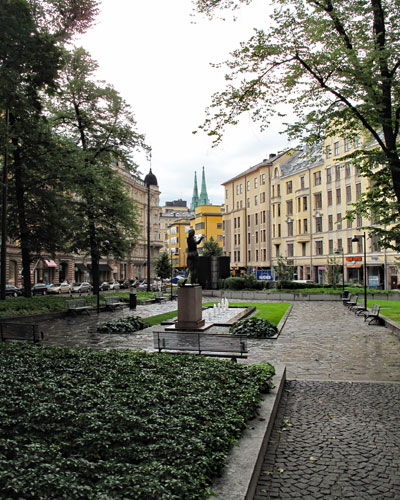
A quiet park
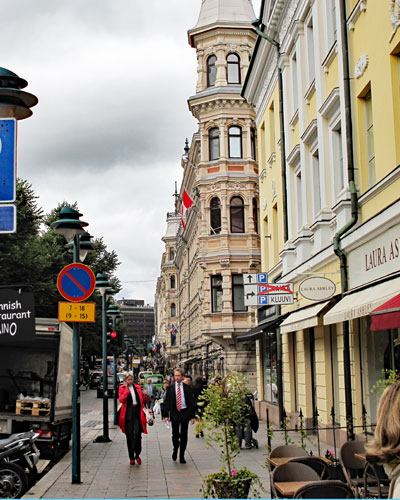
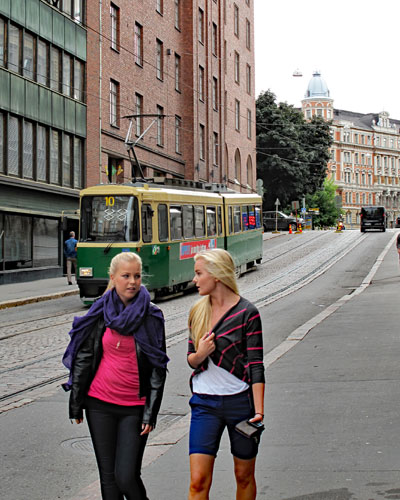
Typical Helsinki street scene
Finnish women enjoying a summer stroll
Visit to the Cable Factory
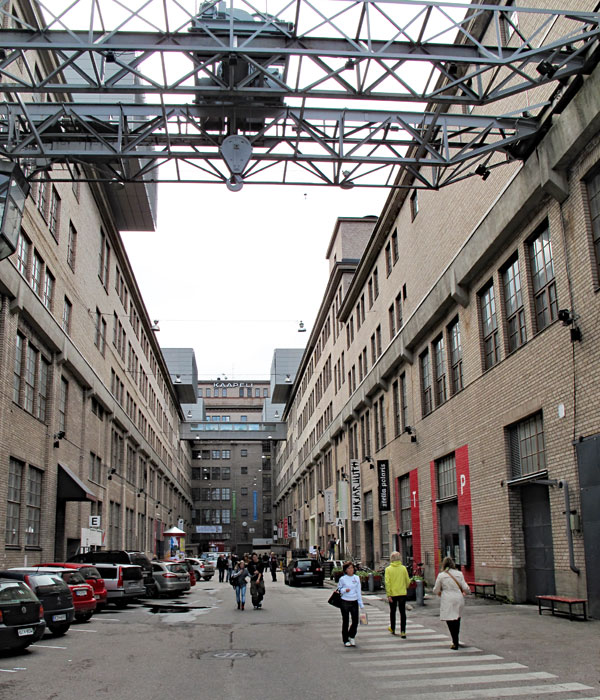
Situated in the Ruoholahti district on the western edge of Helsinki, the Cable Factory is one of the largest cultural centers in Finland. The massive red brick former cable factory designed by W.G. Palmqvist was built in three parts and finished in 1954. Once one of the largest buildings in Finland, this factory complex is now an eclectic collection of art galleries, three small museums, performance spaces, artist works paces, and a restaurant.
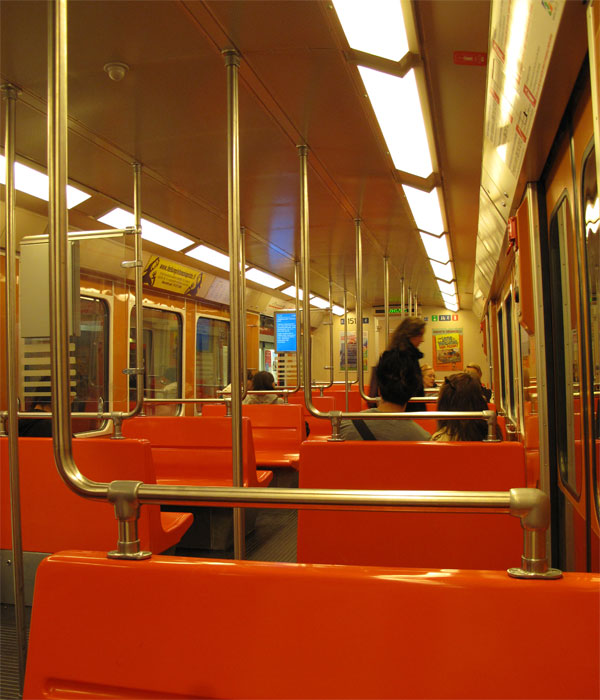
Taking the train to the Ruoholahti district
Approaching the Cable Factory entrance
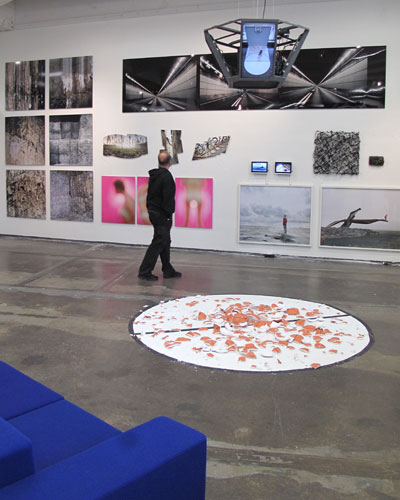
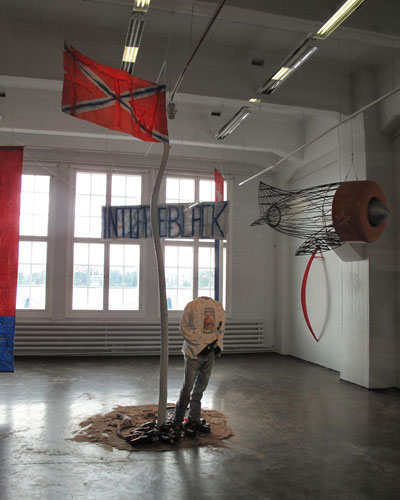
One of the several art exhibits
Another art installation
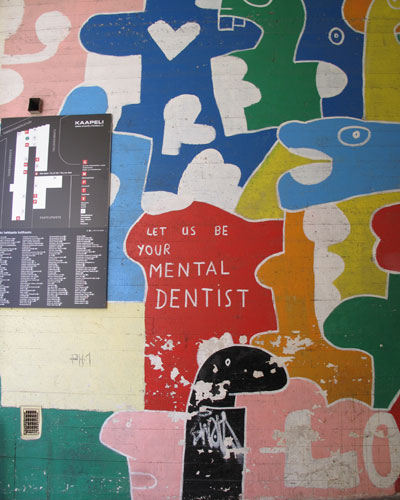
Creative wall graffiti
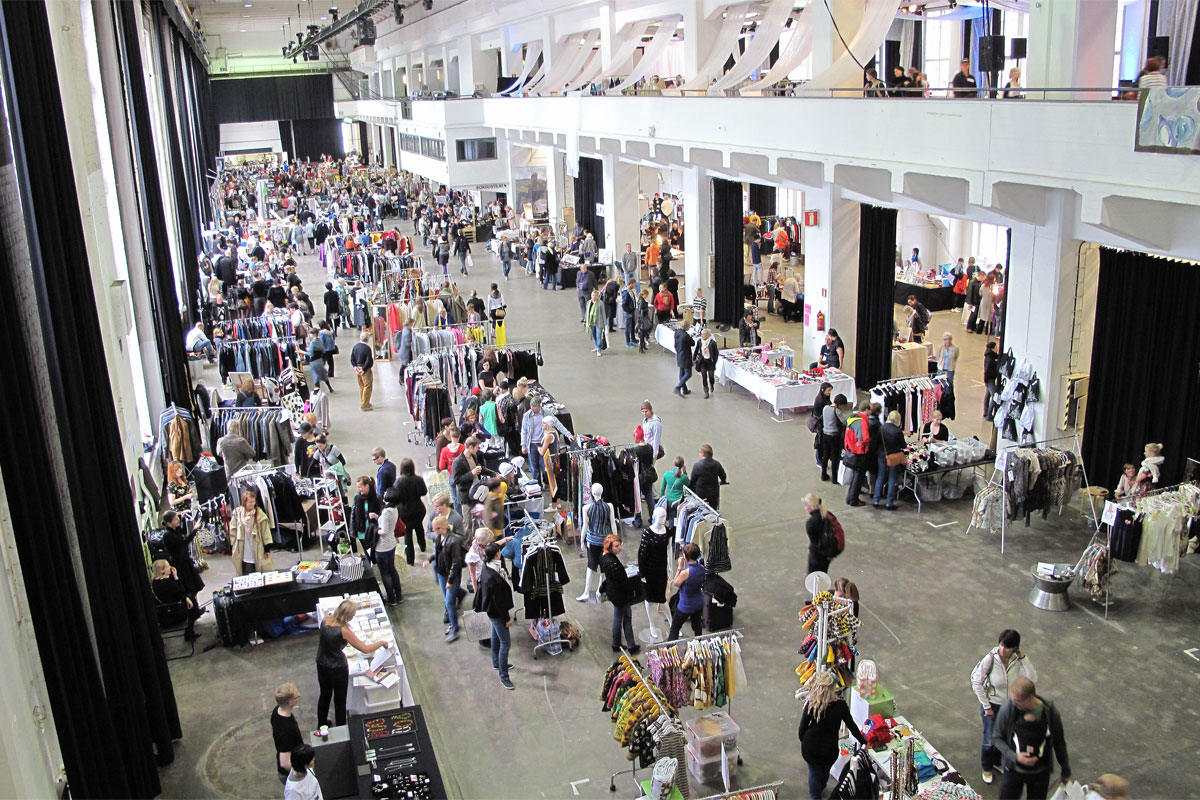
View of the monthly mid-century modern flea market
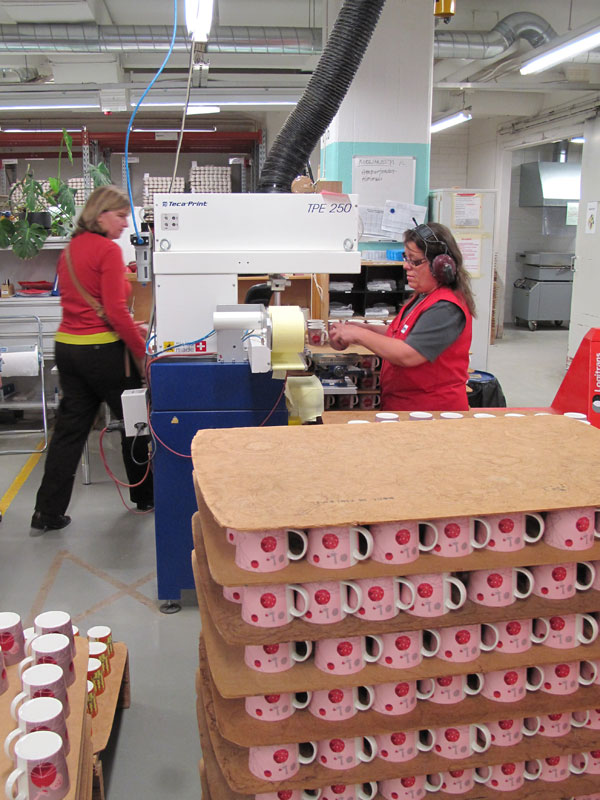
Tour of the Arabia Factory
The Arabia Center is the home to the Iittala Arabia porcelain production and is located in the beautifully restored Arabia Factory building just north of the center of Helsinki. The Arabia Center includes the Arabia Factory, shop, offices, Iittala showroom, and Arabia Museum.
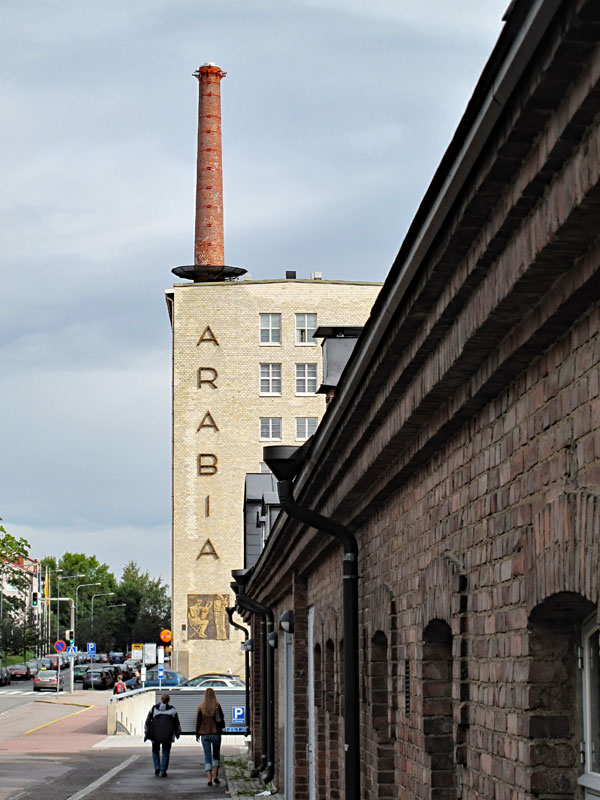
Approaching the historic Arabia factory
Taking a tour at the Arabia factory
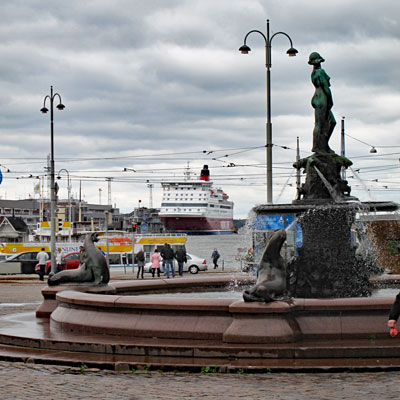
Helsinki Harbor
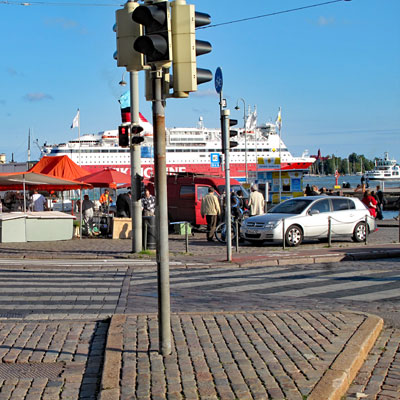
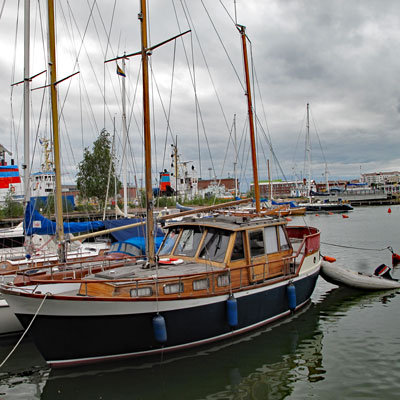
The Port of Helsinki is one of the busiest passenger ports in Europe and the main port for foreign trade in Finland. Frequent passenger ferries cross the Baltic Sea from Stockholm, Tallinn, and St. Petersburg. Helsinki's South Harbor is immediately next to the city center and includes a variety of markets, restaurants, and public spaces.
 In August 2010, Peter and I spent a week in Helsinki, Finland’s capital city, before visiting his mother in Germany. Despite its somewhat severe city scape and chilly northern latitude, Helsinki has a bustling harbor front and a sophisticated design culture with a quirky east-meets-west mashup of cultures. The city has some stunning 19th to 21th century architecture with a blend of neoclassical, modern, and Nordic design. Located north of Tallinn, east of Stockholm, and west of Saint Petersburg — Helsinki has significant historical connections with these three cities. While in Helsinki, we also took a day trip to Tallinn, Estonia.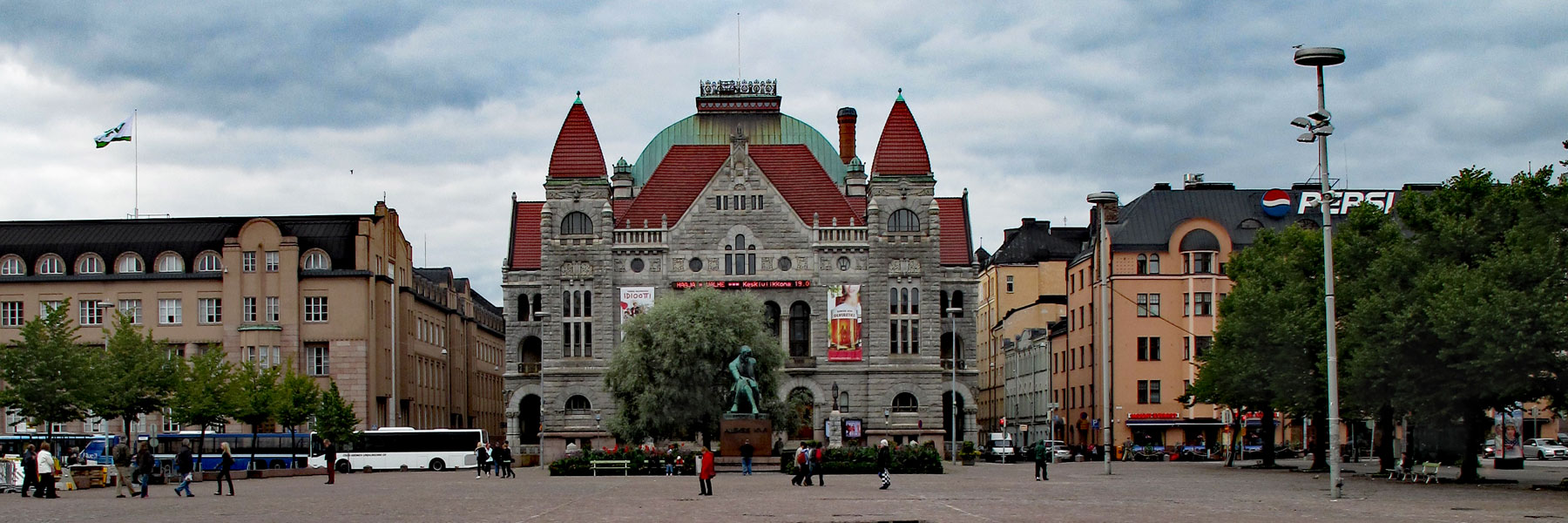
 We arrived in late summer during the annual Helsinki Festival which is the largest arts festival in the Nordic countries. The festival’s aim is to make art accessible for all — featuring classical and world music, theatre, dance, circus, and visual arts as well as a range of urban events. As we walked through the city, we encountered various musicians and performers in obscure public places. It was not unusual to look down an alleyway and see a quartet of tuba players or acrobats performing a stunt.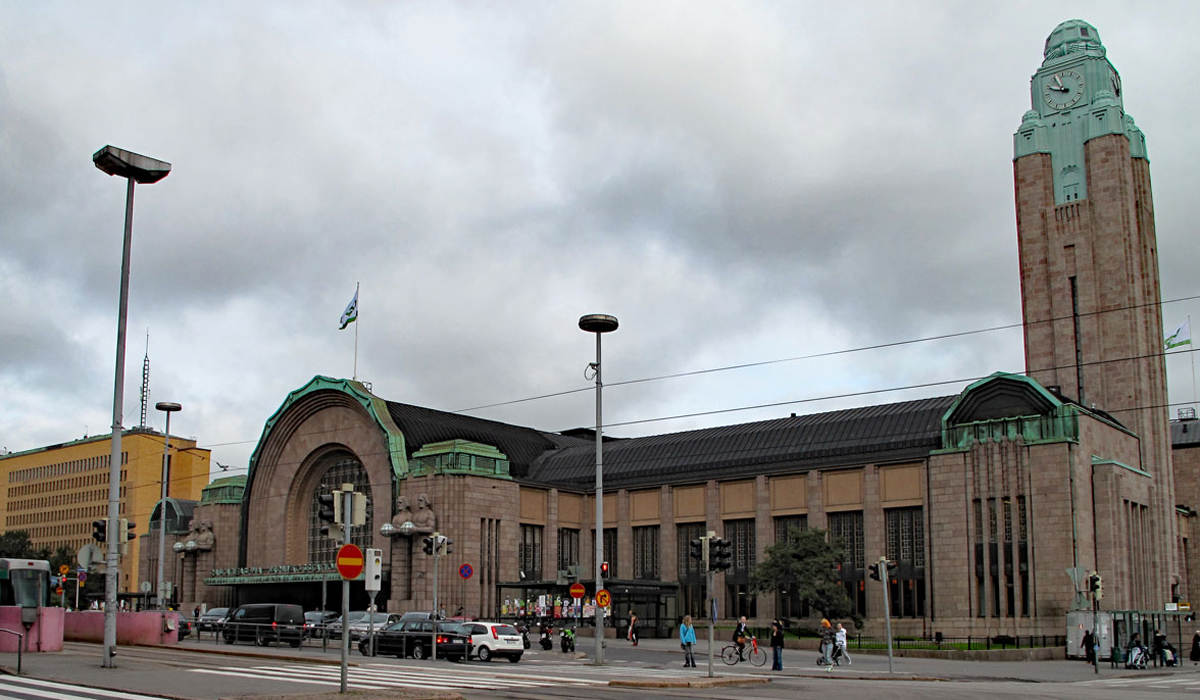

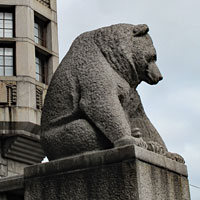 The National Museum of Finland presents Finnish history from the Stone Age to the present day through objects and cultural history. The building was designed by the architectural firm Gesellius, Lindgren, and Saarinen in the Finnish National Romantic style with an Art Nouveau interior; its appearance also reflects Finland's medieval churches and castles. The museum was opened to the public in 1916 and named the Finnish National Museum after Finland's independence in 1917. The iconic bear statue at its entrance was designed by Emil Wikström in 1910. The entrance hall has ceiling frescoes were painted by Akseli Gallén-Kallela and are based on the frescoes he painted for the Finnish Pavilion of the Paris World Fair in 1900.