Note that these photos were taken with a film camera so all images were scanned from slides or printed photos.
In January of 1978, Peter's mother, who lived in Germany, suggested that we meet in the Canary Islands for a winter vaction. The Canary Islands, a Spanish archipelago off the coast of northwestern Africa, are rugged volcanic isles known for their black- and white-sand beaches. We flew to Madrid and then to Tenerife, the largest island. She booked rooms for us at one of the waterfront resorts close to the city center of Santa Cruz de Tenerife. During our stay, we also took a day trip to the island of Lanzarote.
Getting Familiar With Our Location
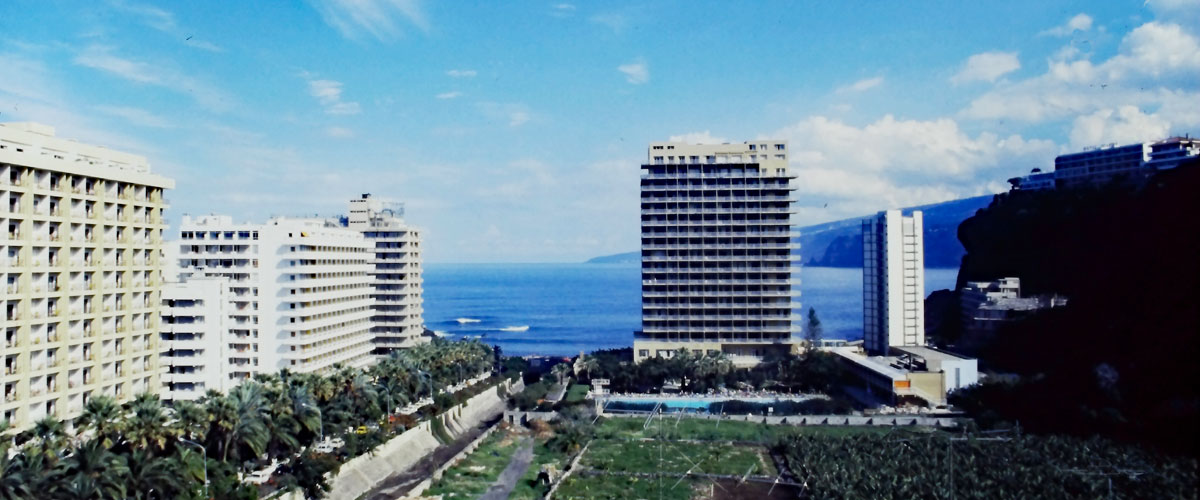
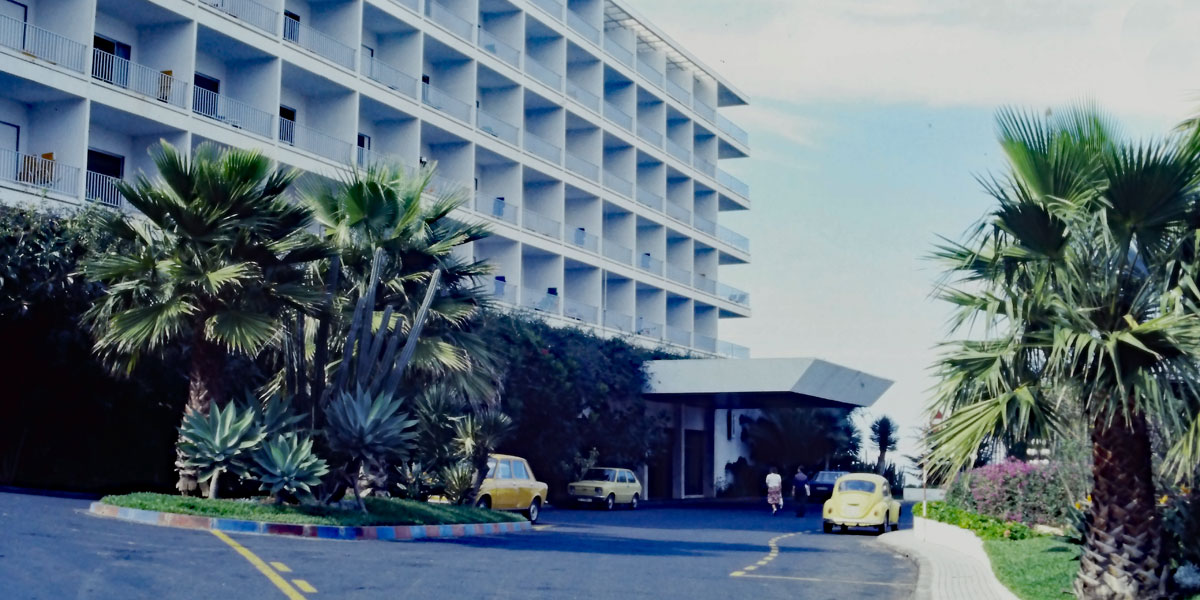
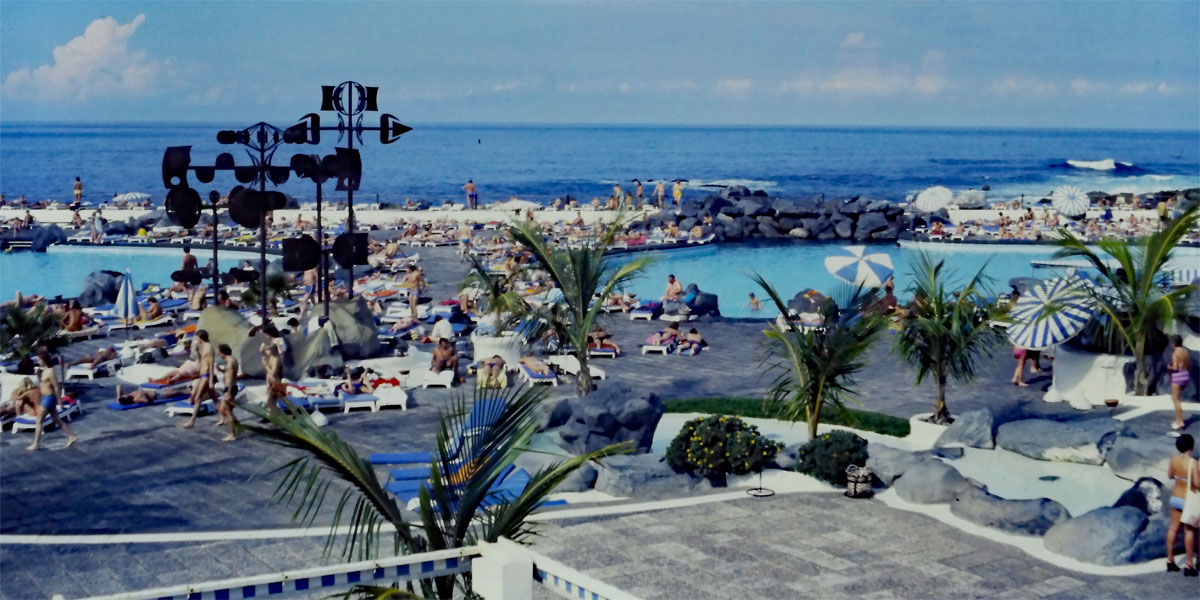
Our hotel was on the ocean with extensive grounds, multiple pools, and plenty of room for sunbathing. The guests were generally Europeans and we did not meet any other Americans during our stay.
Daily Walks into to the Center of Santa Cruz
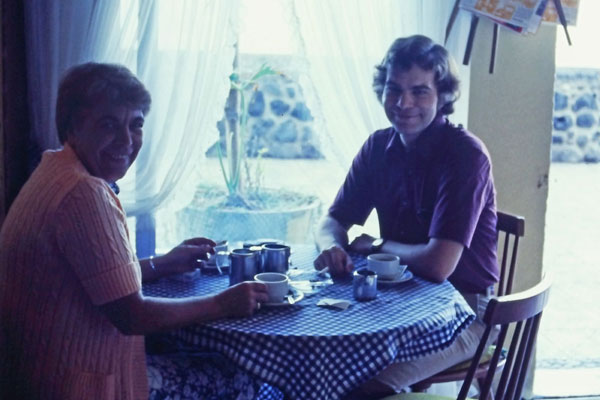
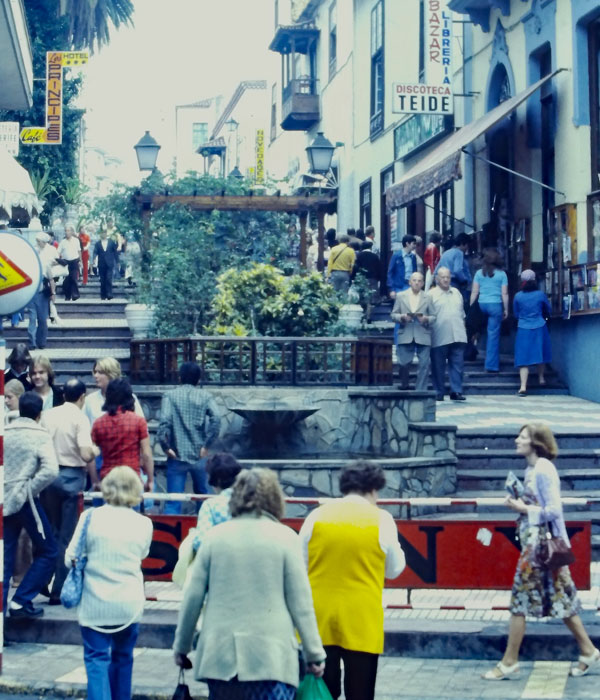
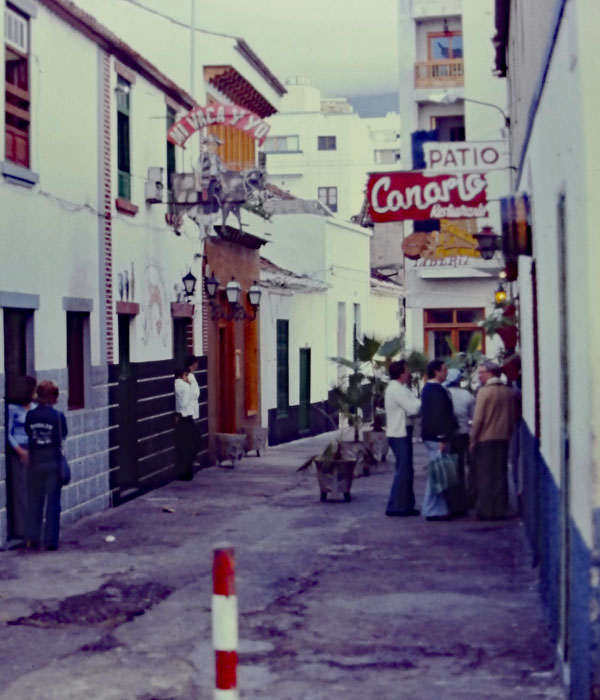
The city center was a short walk from our hotel. Because our stay included breakfast and dinner, we often walked to the city center to get a light lunch. We also discovered a small bakery which was a frequent destination for “kaffee und kuchen.”
1 / 7

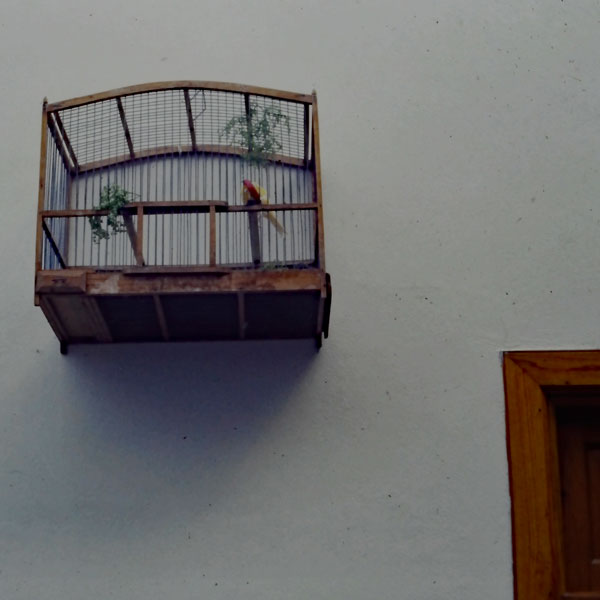
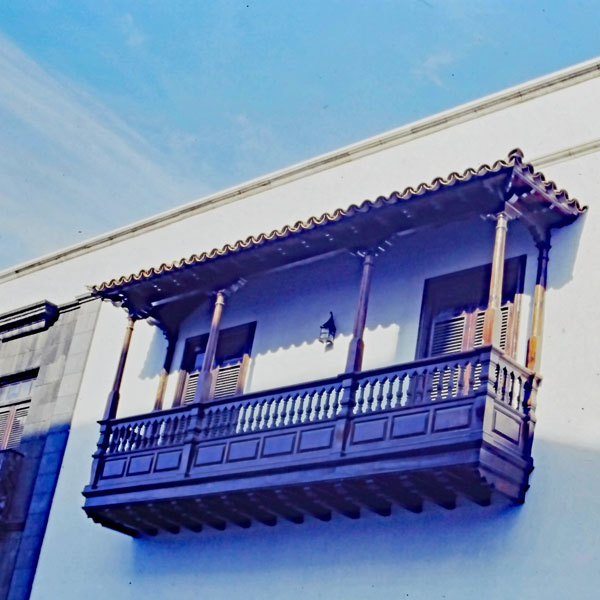
Along our walk to the city center
2 / 7
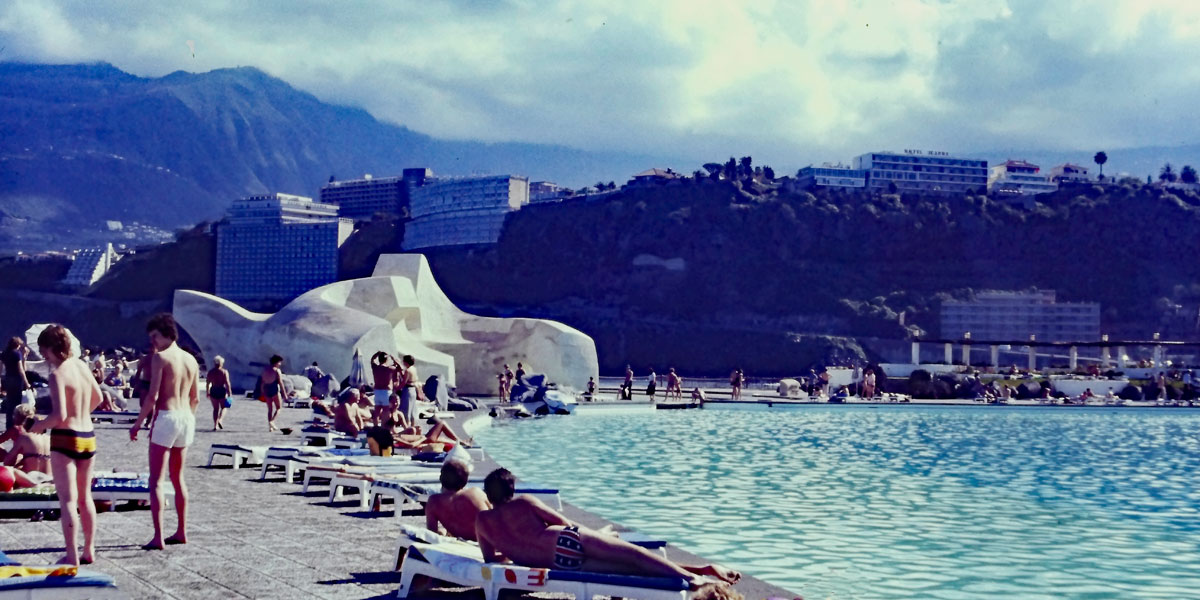
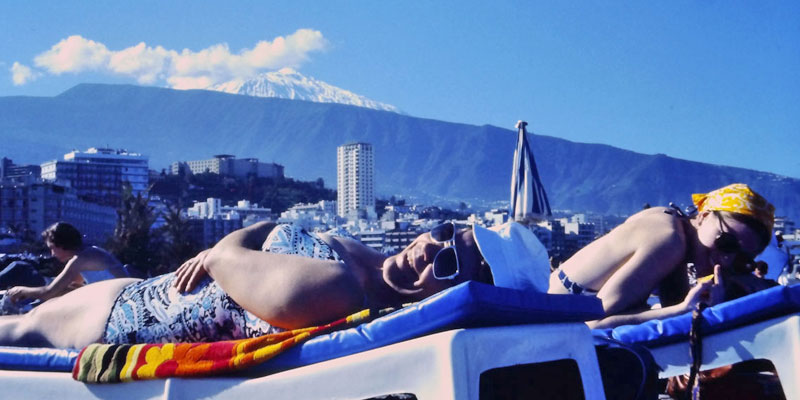
Lots of activity at poolside
3 / 7
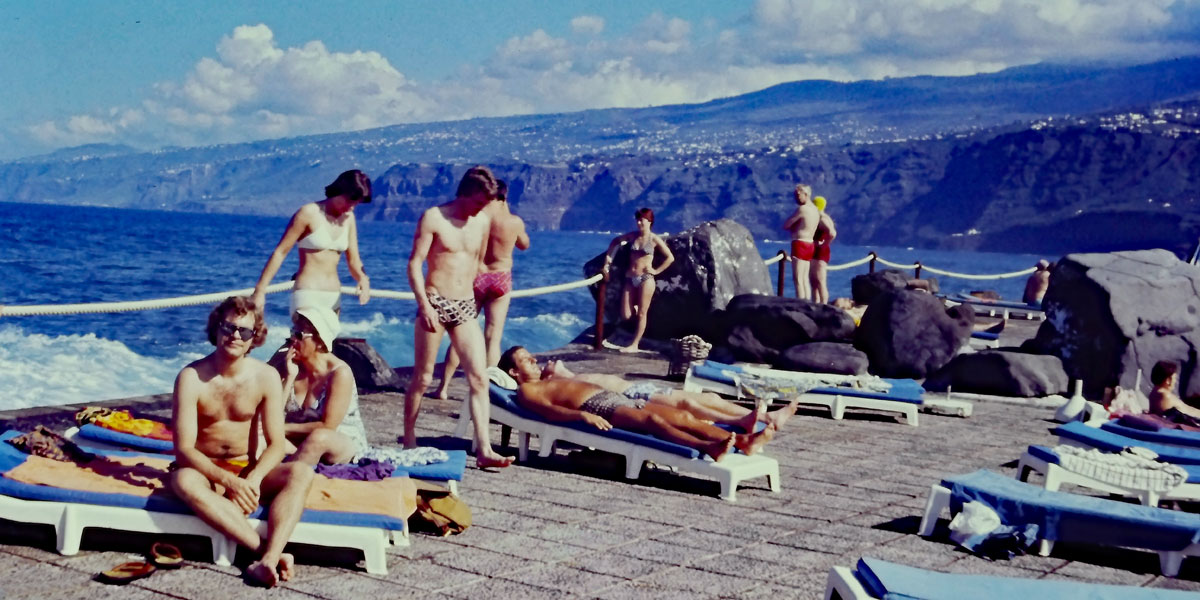
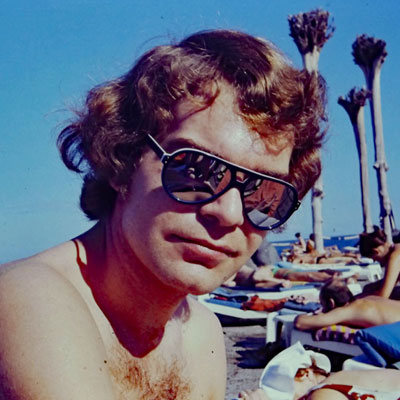
Peter sunbathing by the ocean
4 / 7

The view from our hotel room
5 / 7
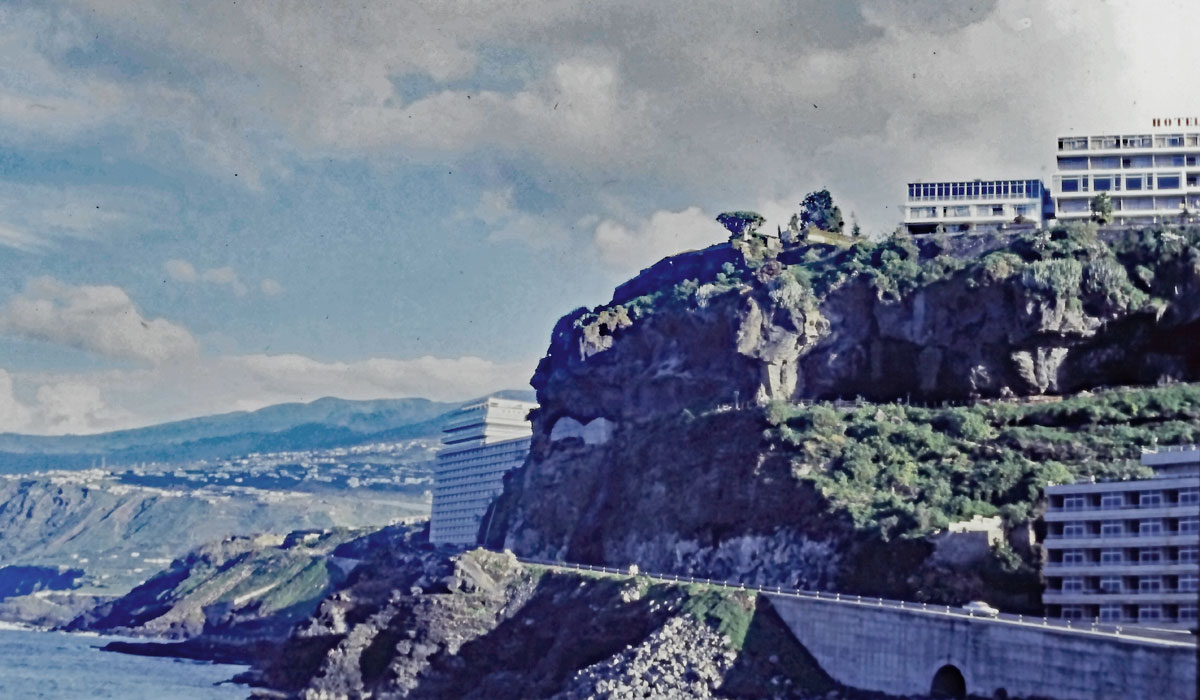
The winding roads and rocky cliffs on Tenerife
6 / 7
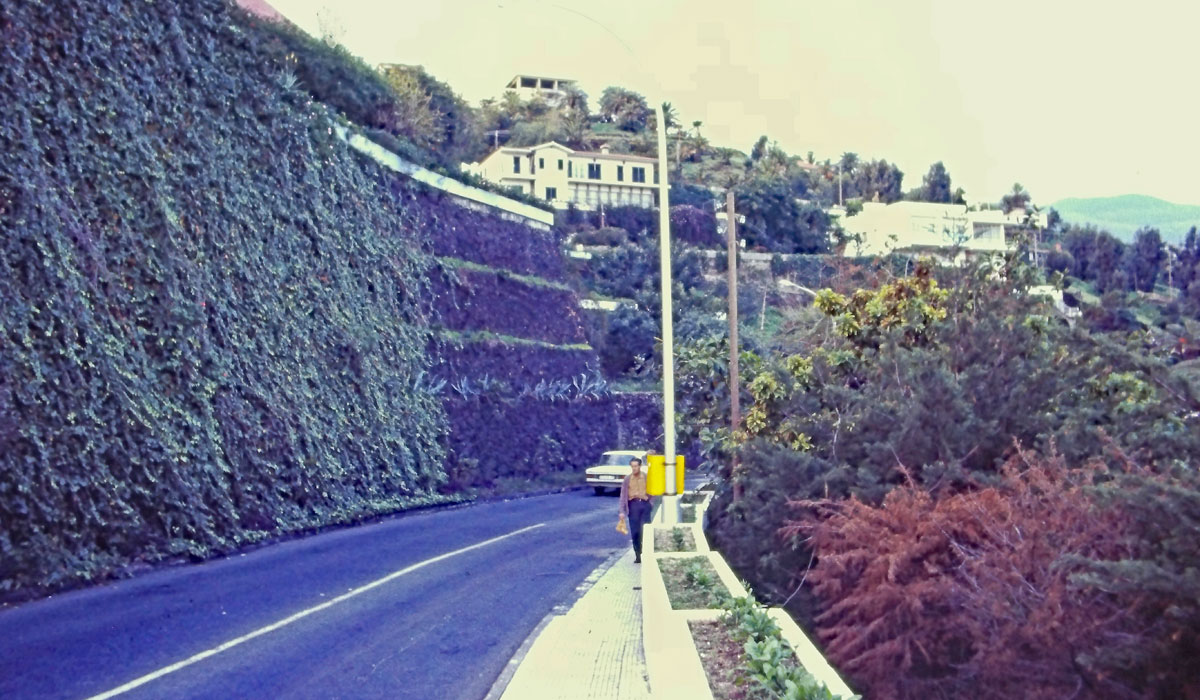
Another view the terracing along the road
7 / 7
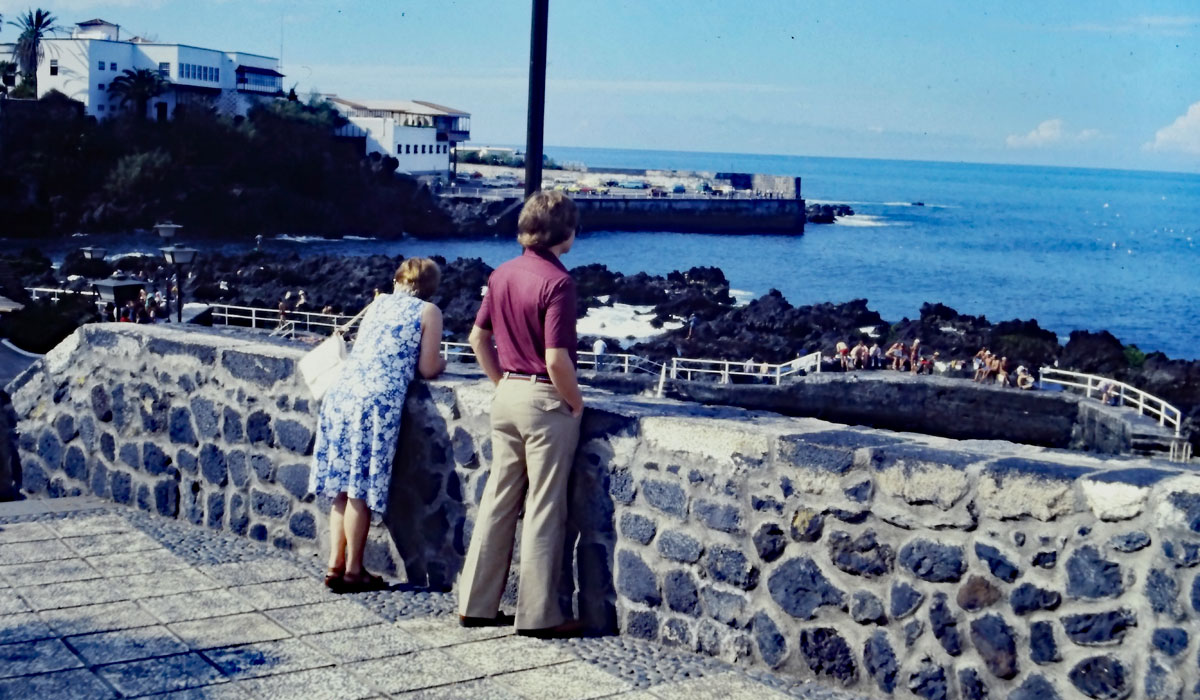
Peter and Ilse stopping for a view on our walk into town
❮
❯
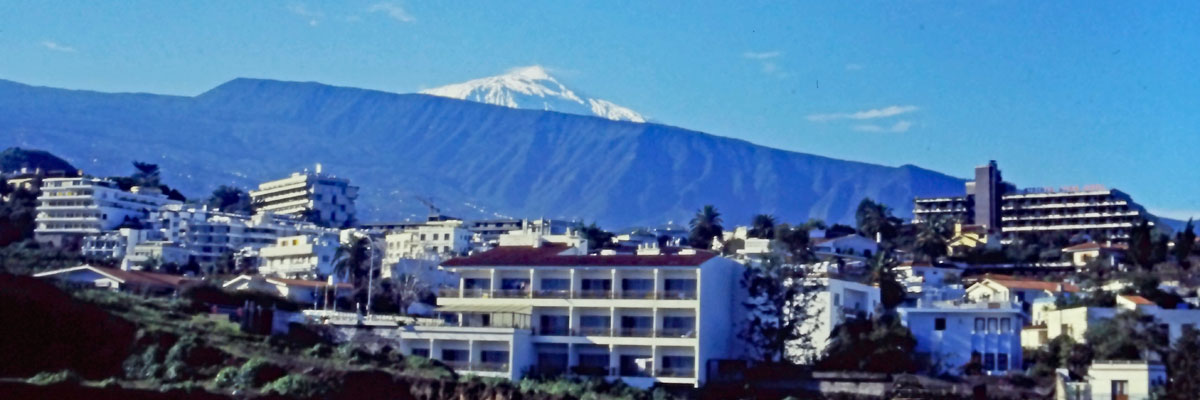
Mount Teide
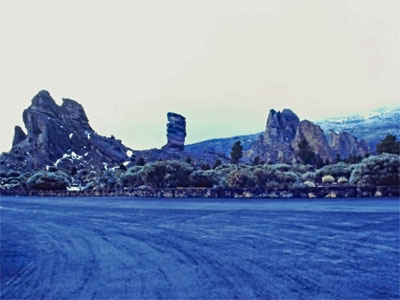
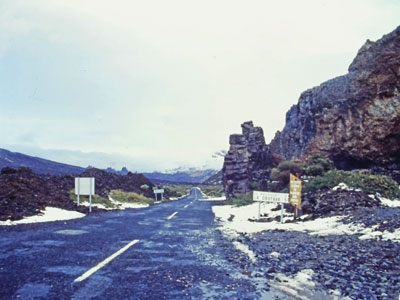
Tenerife is dominated by the sometimes-snowy active volcano Mount Teide, which has its own astronomical observatory and is part of Teide National Park. Its summit is the highest point in Spain and the highest point above sea level in the islands of the Atlantic. Mount Teide is the third highest and most voluminous volcanic structure in the world, following Mauna Loa and Mauna Kea in Hawaii.
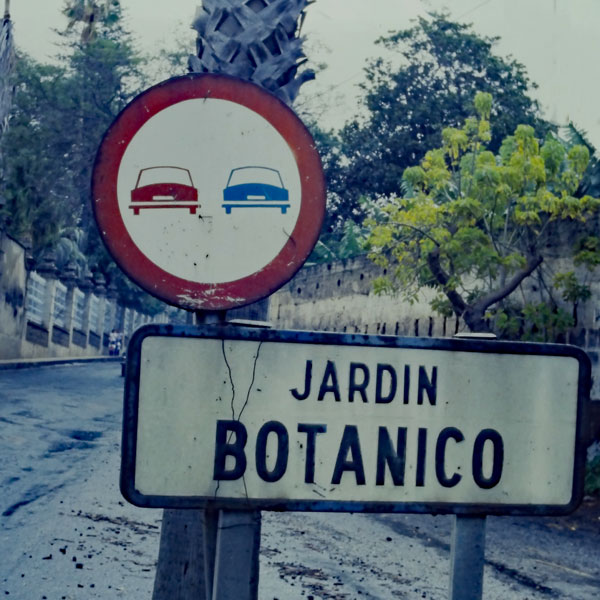
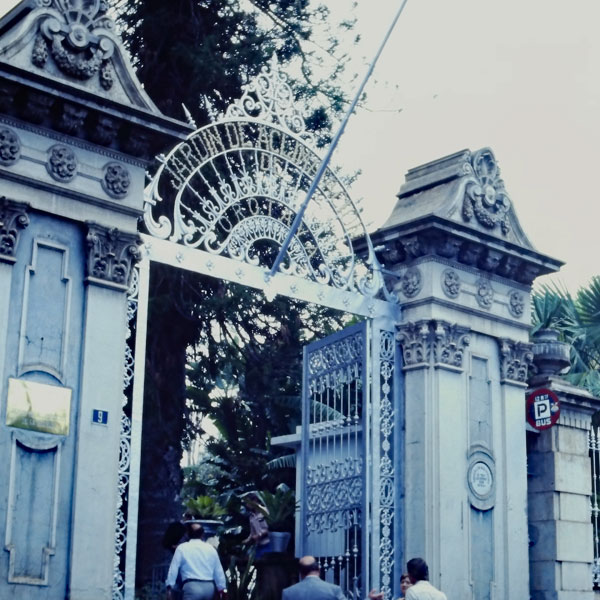
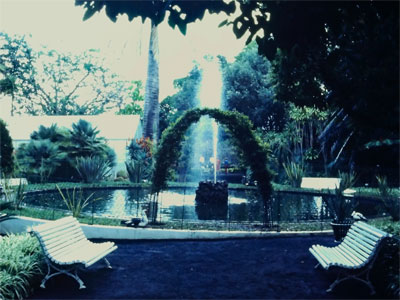
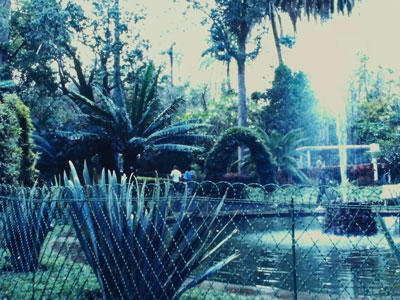
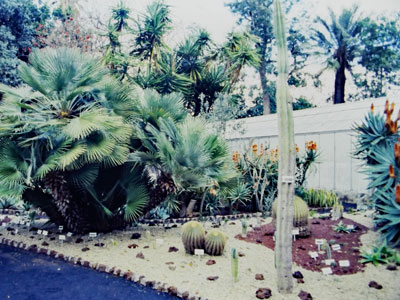
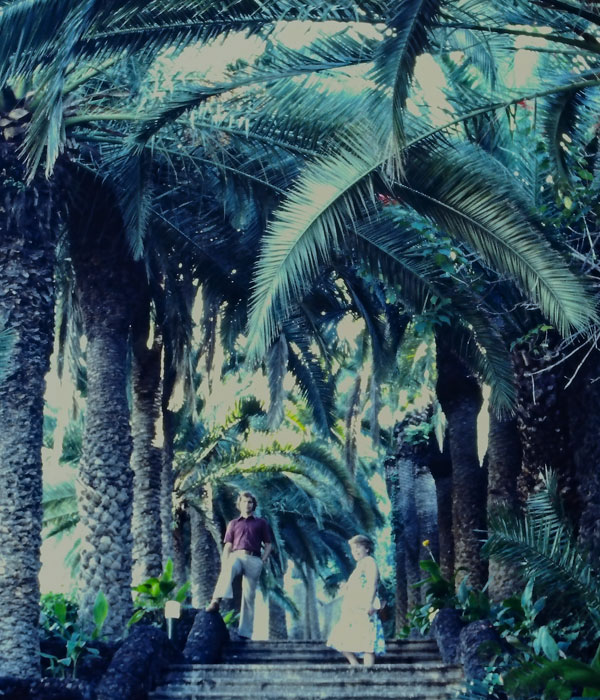
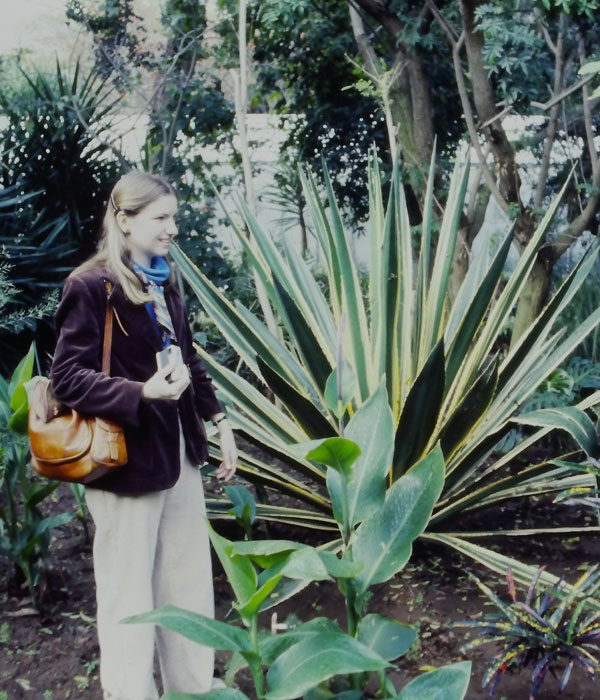
La Orotova Botanical Garden in Puerto de la Cruz
The botanical gardens in Tenerife lie in Puerto de la Cruz, on the northern coast of the island. This area is more evenly rainy and less dry than the southern parts of the island, so well suited for a tropical garden. It is actually a very old garden, having been established in 1788 by the Spanish King Carlos III who wanted a garden for tropical plants that could supply his palace in Madrid with exotic plants from the New World. When plants were brought over from Spanish territories in South and Central America, they needed a stop-off point to acclimatize to the new climate and weather conditions in Europe. For this purpose the Canary Islands with their sub-tropical climate were perfect, and so the gardens were created and named Jardín de Aclimatación de la Orotava. Eventually with time the purpose of the gardens changed, and nowadays it is considered one of the most important botanical gardens in the world along side Kew Gardens.
Day Trip to the Island of Lanzarote
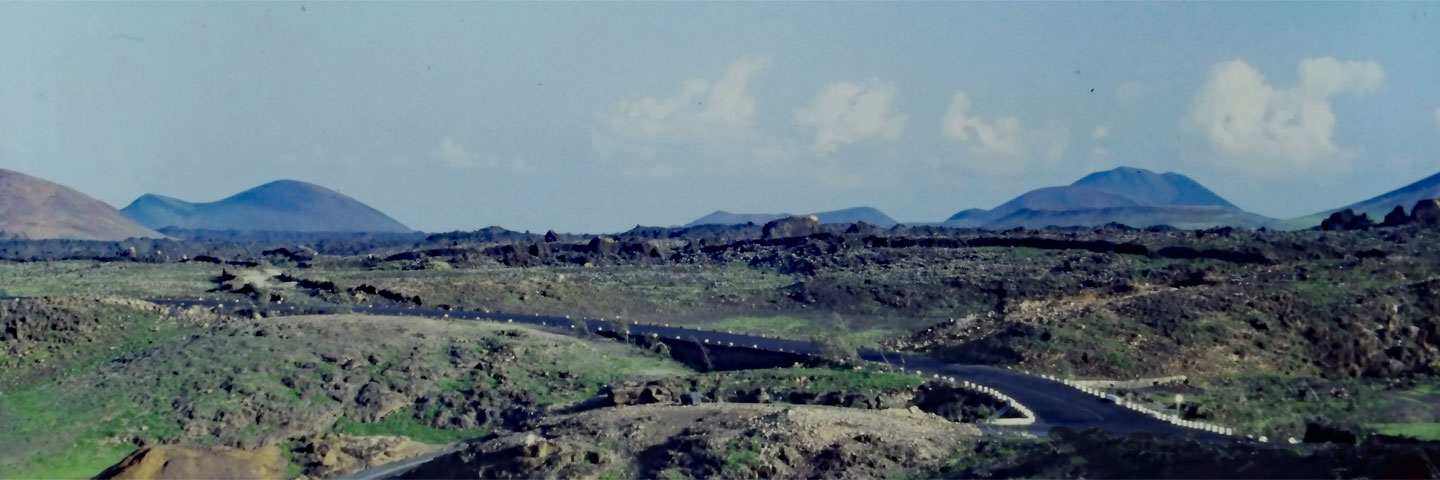
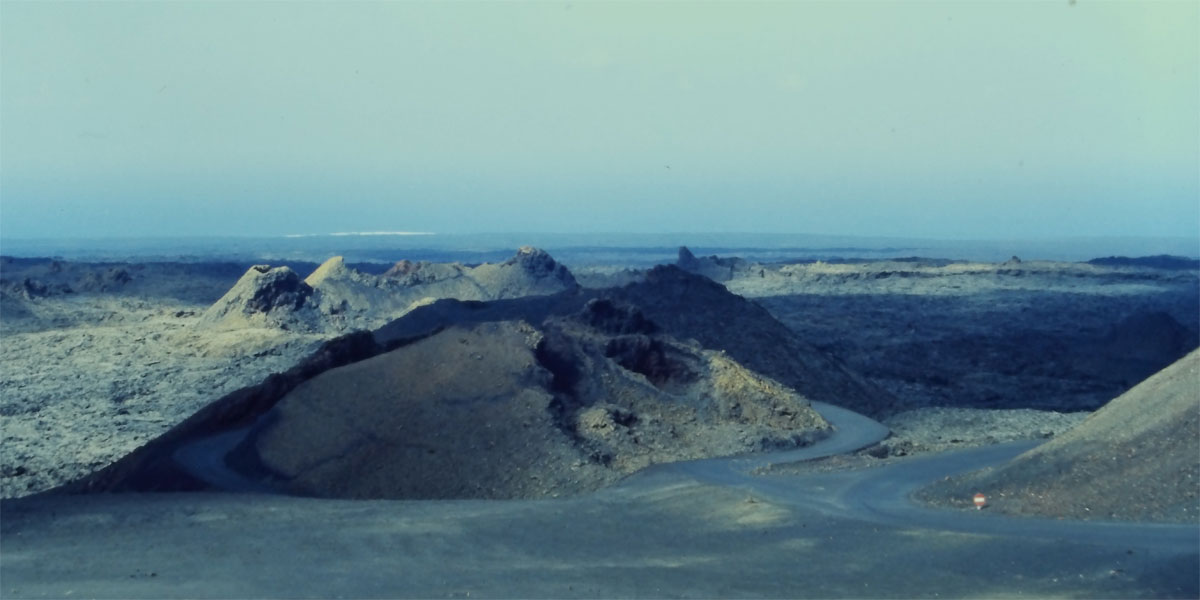
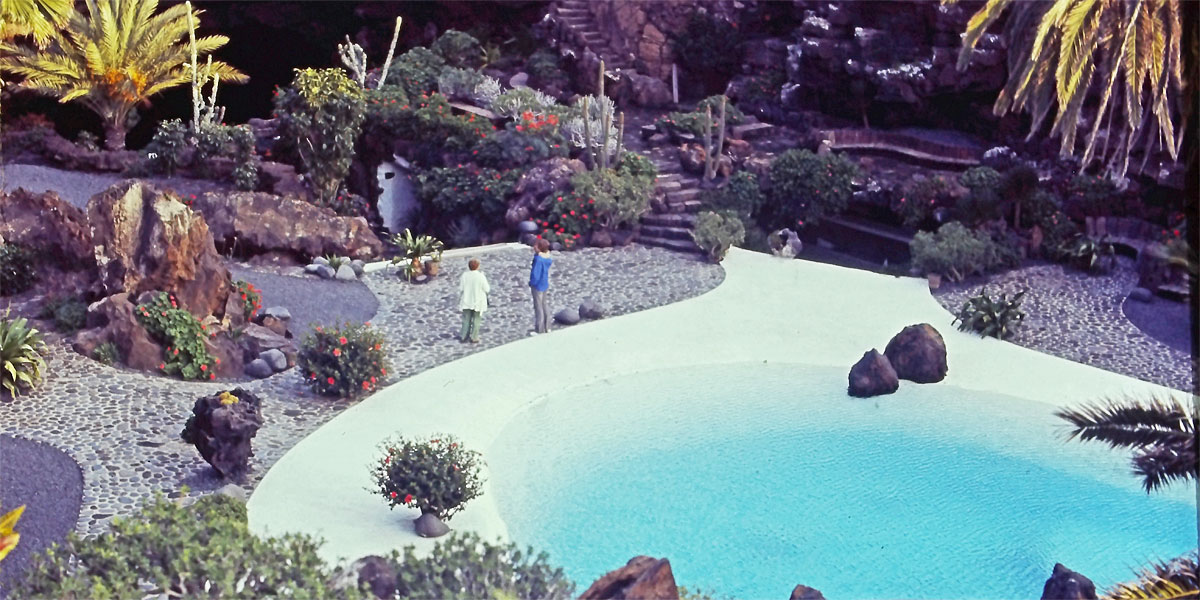
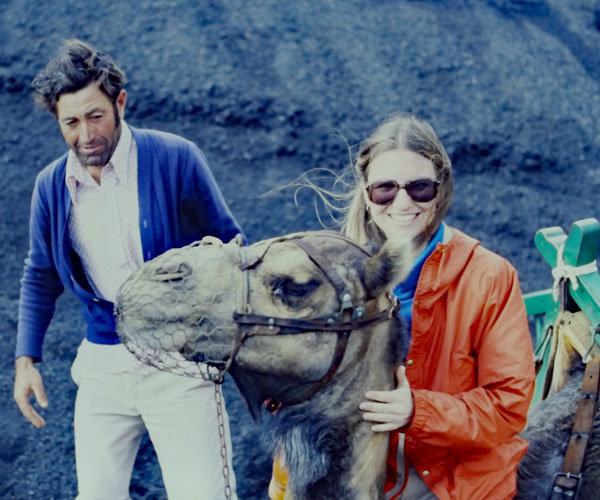
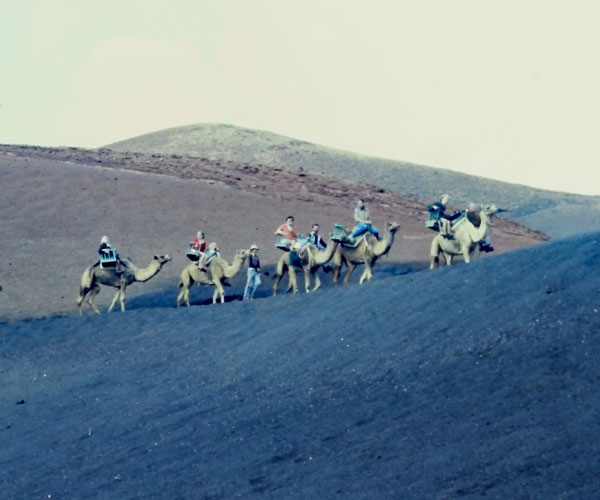
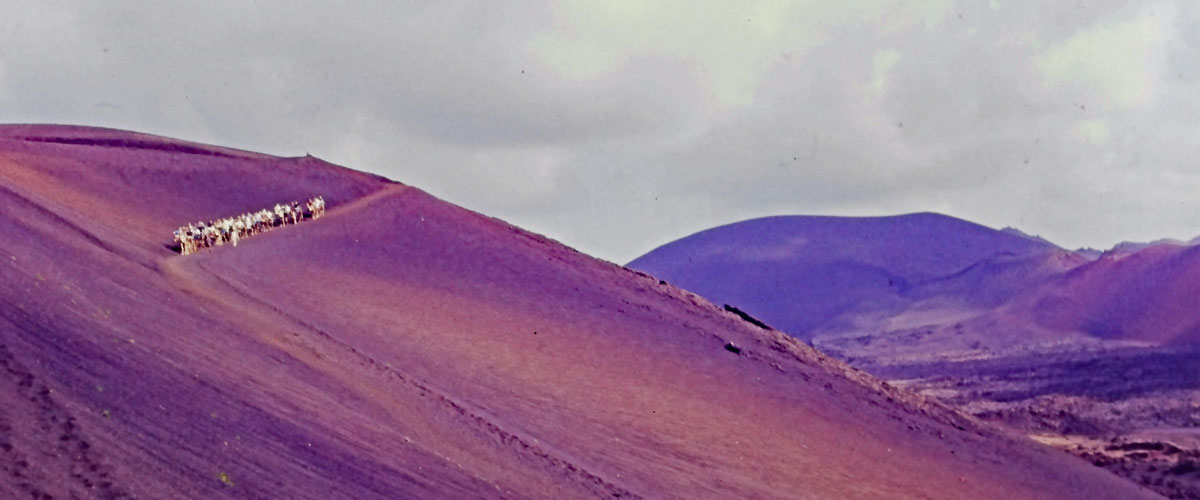
Lanzarote is known for its volcanic landscape. Timanfaya National Park’s rocky landscape was created by volcanic eruptions in the 1730s and Cueva de los Verdes has caverns formed by an underground river of lava. There are mountains and hills, volcanic landscapes, and a small desert on the interior of the island. A highlight of our visit was a camel ride through the desert plains of Lanzarote. Certainly a first for all of us.