Note that these photos were taken with a film camera so all images were scanned from slides or printed photos.
In September of 1995 we planned a road trip through eastern France to the Swiss Alps and then back up to Germany to visit Peter’s family. We wanted to visit the Alsace region of France while heading south to Interlaken to spend some time hiking in the Swiss Alps. We flew to Frankfurt and rented a car. After a stop to see the German town of Koblenz, we began our journey south into France via Strasbourg and Colmar . While in France, we made a detour to visit Le Corbusier’s Chapel in Ronchamp before heading to Bern, Switzerland and on to the town of Interlaken in the Swiss Alps. From Interlaken, we drove to Lugano in the Italian speaking part of Switzerland, and then back into Germany via Chur to Lake Constance. From there we headed north through Ulm and Wurzburg to the Bergisches Land part of Germany where Peter’s family lives.
Short Stop in Koblenz, Germany
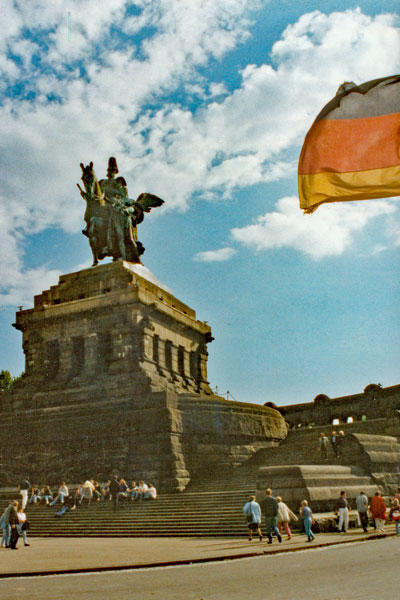
At about 2,000 years old, Koblenz is one of Germany's oldest and most beautiful cities. One of the main attractions is the Deutsches Eck which is located at the point where the Mosel River joins the Rhine. It is dominated by a soaring statue of Kaiser Wilhelm I on horseback. He was the emperor who had brought about the unification of Germany after three wars.
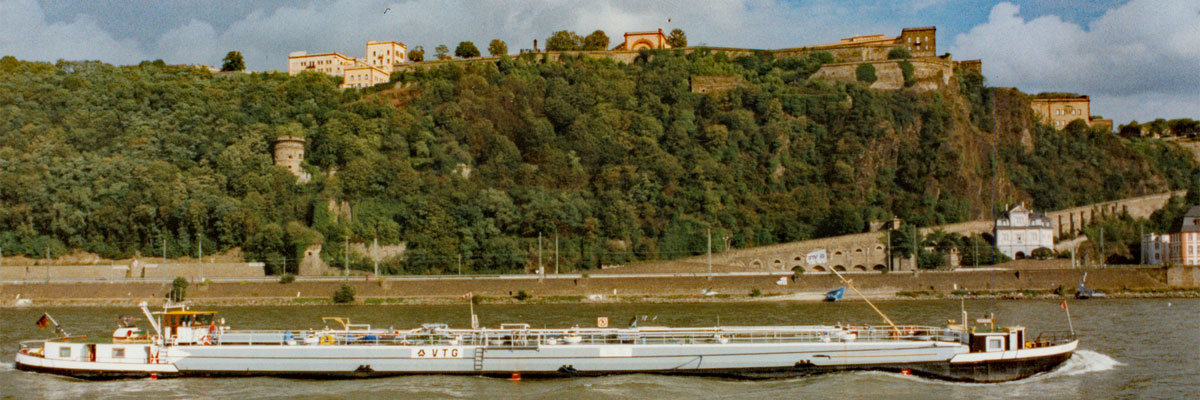
A tanker barge pushing against the current on the Rhein River
Monument at the Deutsches Eck
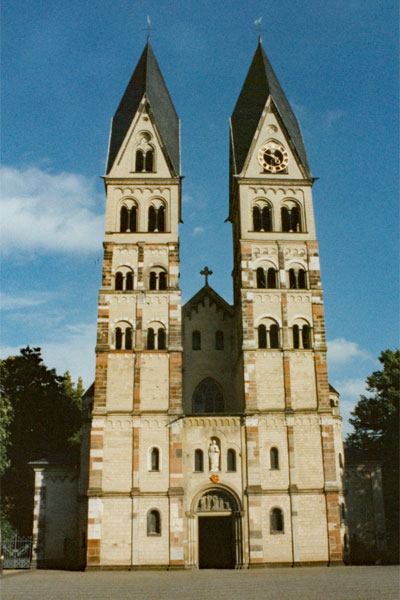
The Basilica of St. Castor in Koblenz
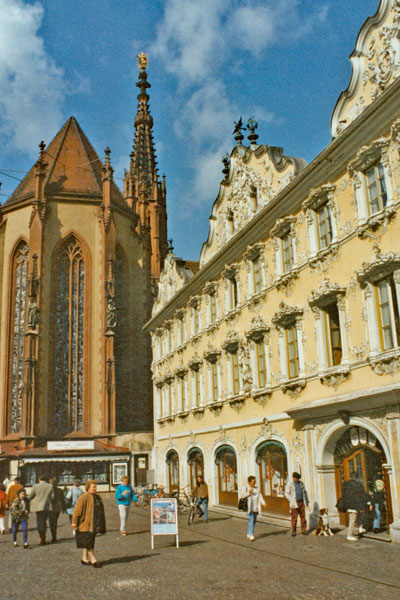
Street scene in Koblenz
Driving Through the Alsace Region of France
France's easternmost region, Alsace, is an enchanting area that aligns the German border along the Rhine. This region has flip-flopped between Germany and France for centuries. The Germans considered the Vosges Mountains, east of the Rhine, to be the natural border, while the French thought the river made a better border. The region still represents a cultural continental divide, creating a fascinating mix of the best aspects of French and Germanic culture.
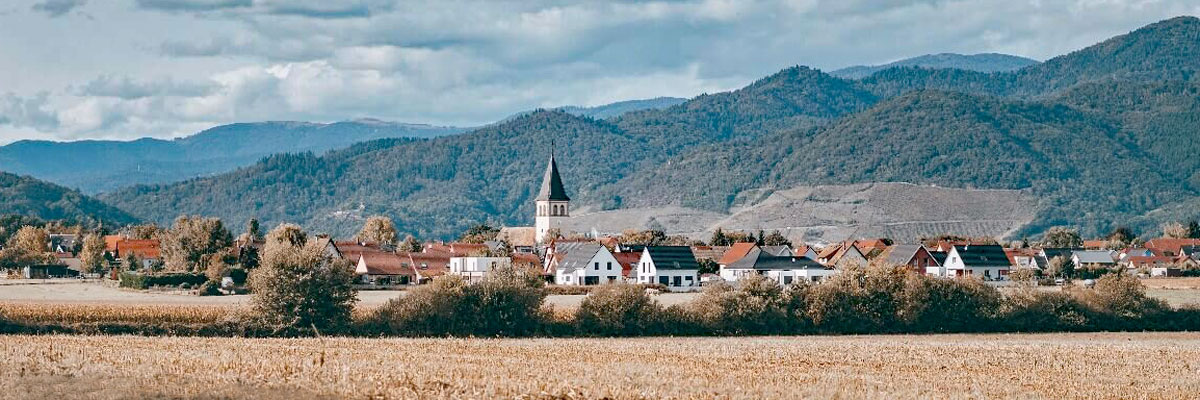
View of the Alsatian countryside
Beginning in Strasbourg
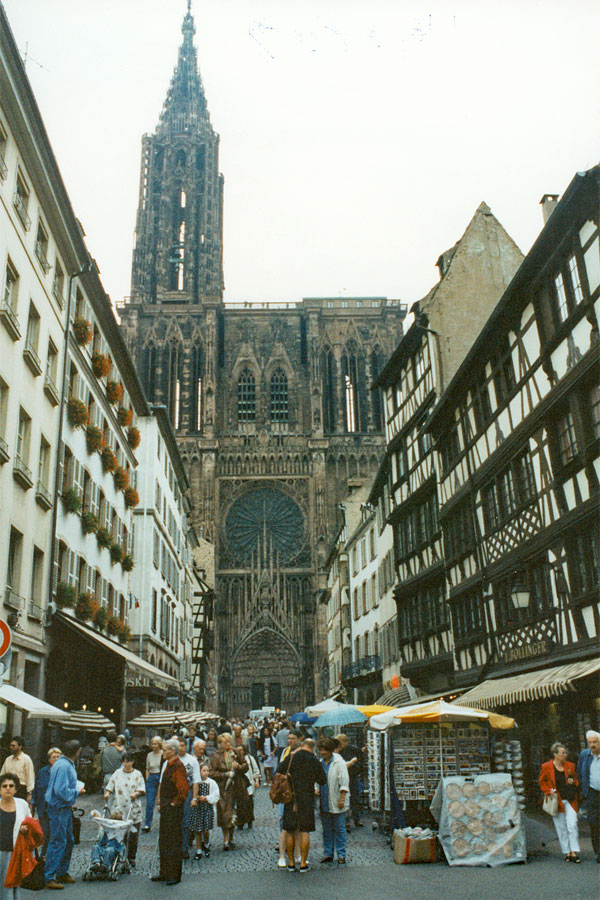
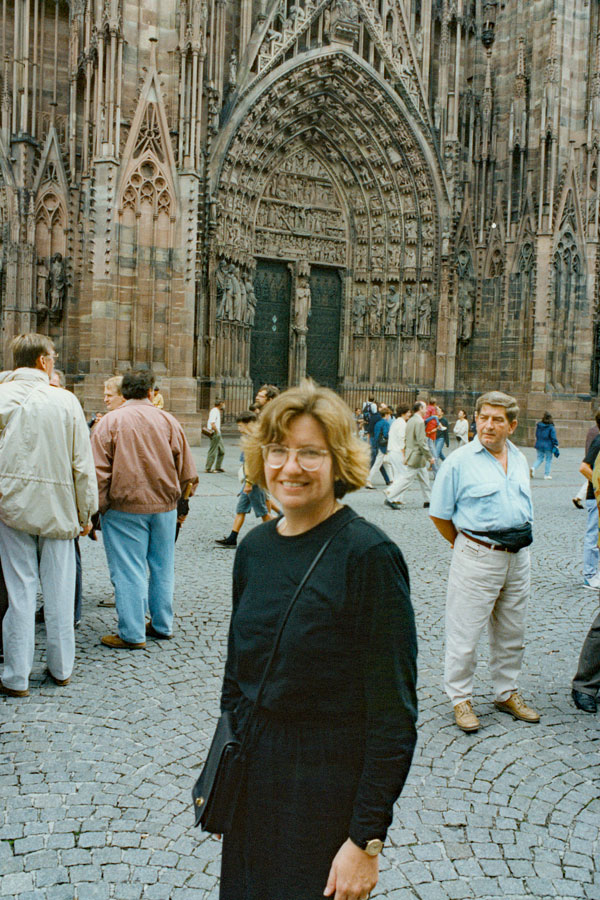
We first stopped in Alsace’s capital, Strasbourg, which is centered on the Grand Ile island — a UNESCO World Heritage Site bordered by the main channel of the Ill River and the Canal du Faux-Rempart. Strasbourg is also home to the Gothic Cathedrale Notre-Dame de Strasbourg with its animated astronomical clock.
Street scene in Strasbourg, France
Standing in front of the Strasbourg Cathedral
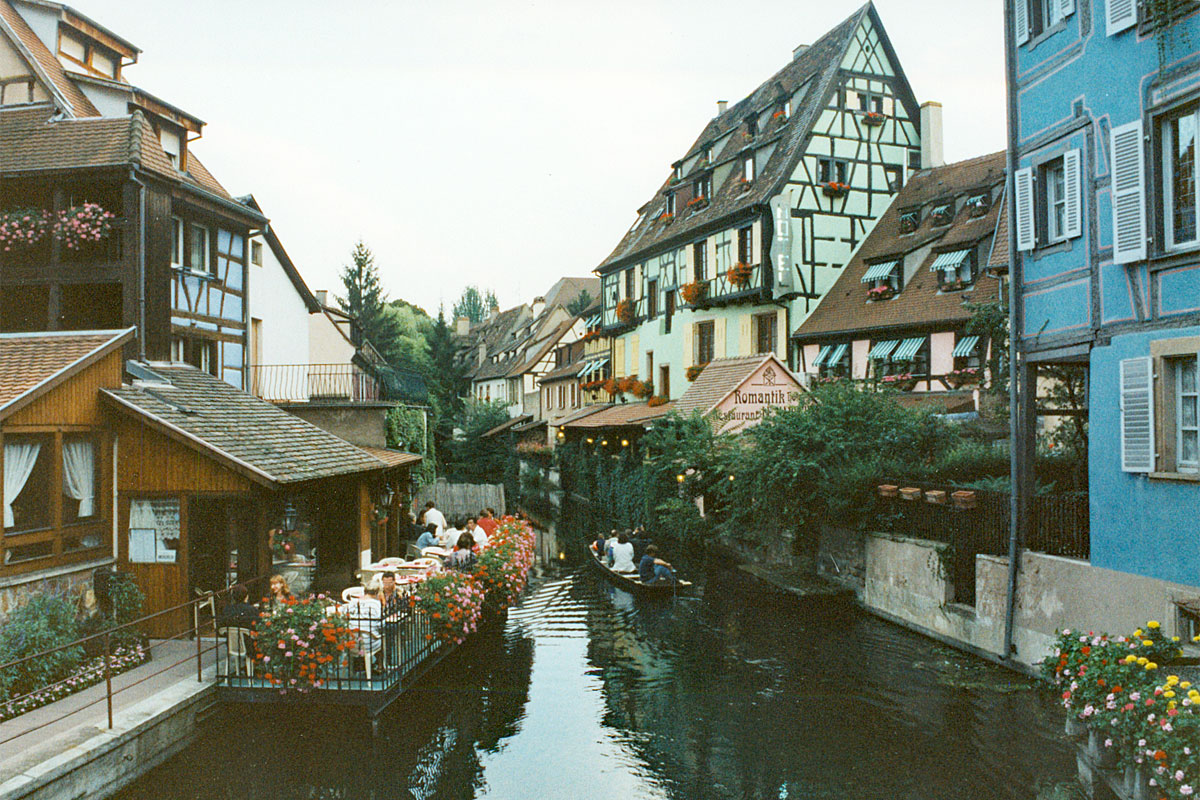
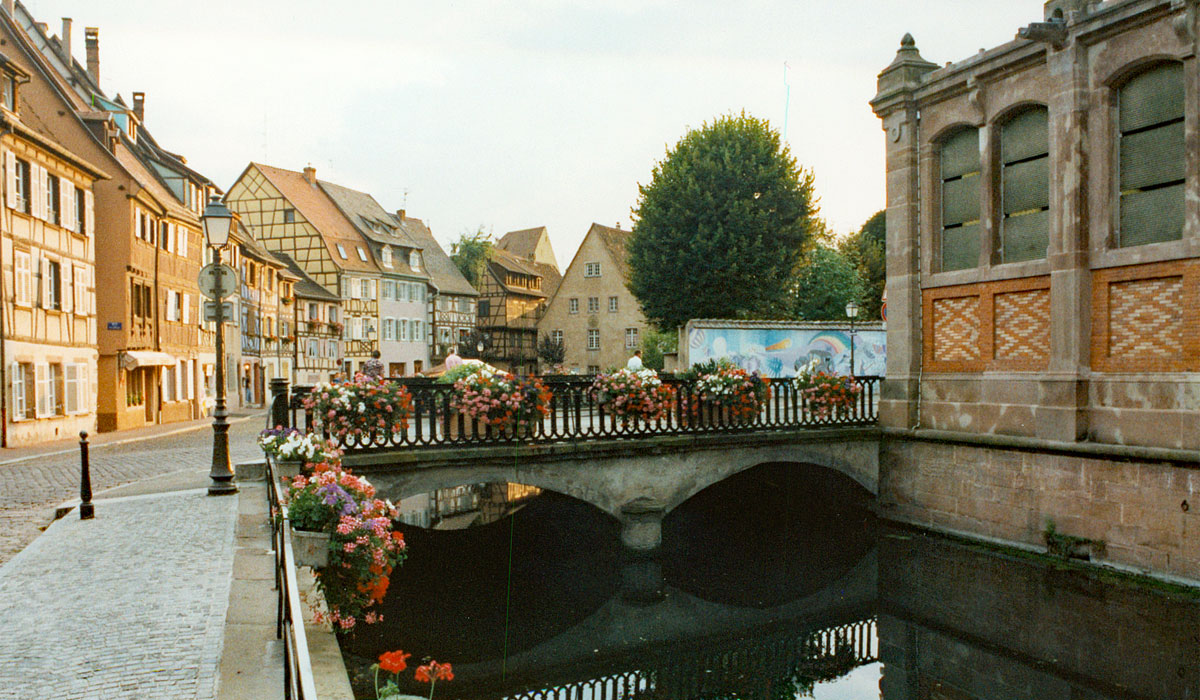
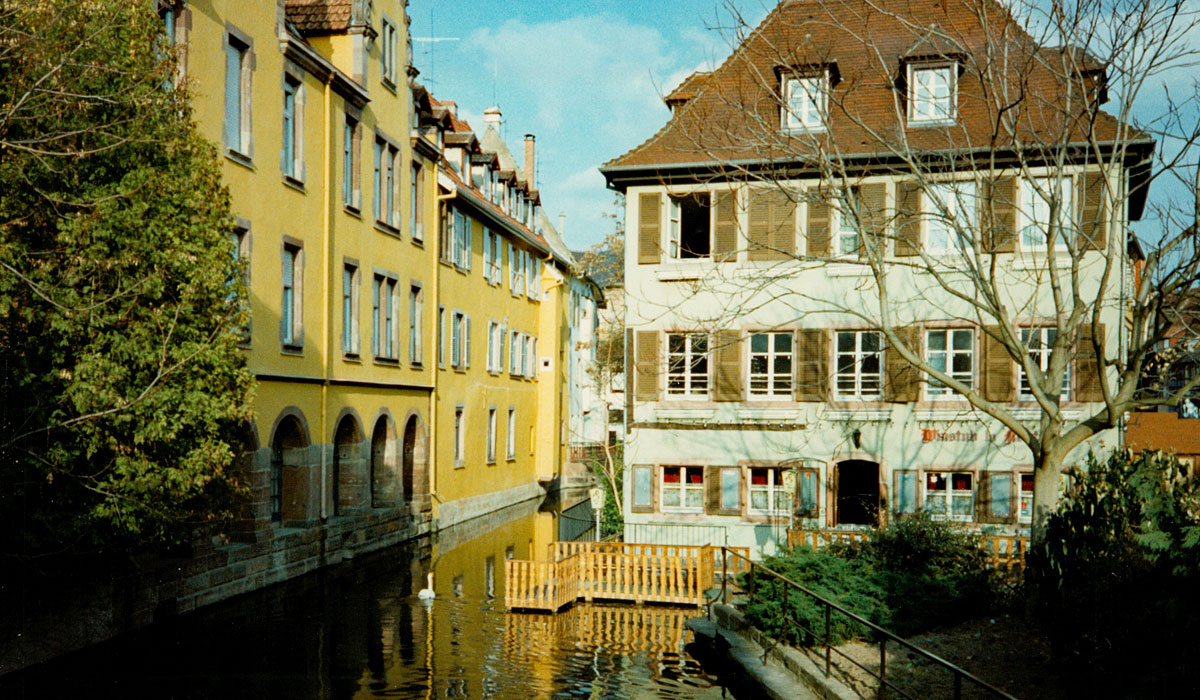
View of one of the picturesque canals in Colmar
Spending Time in Colmar
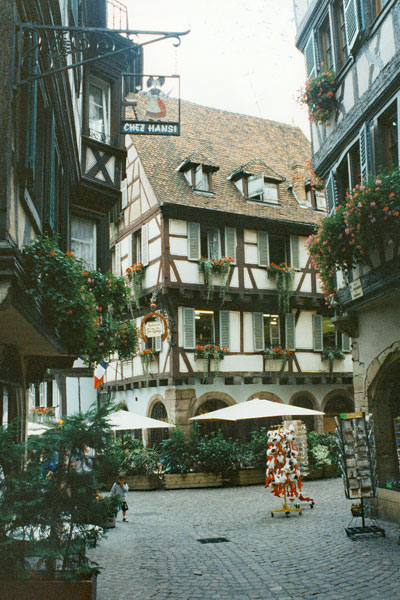
One of our favorite towns in the region is Colmar. We had wanted to return since our first visit in 1993. Its Germanic half-timbered houses with traditional French shutters, pitched red and green tile roofs, and cobbled lanes make this town one of the most picturesque in the region. We also love the Alsatian culture which is characterized by a blend of German and French influences.
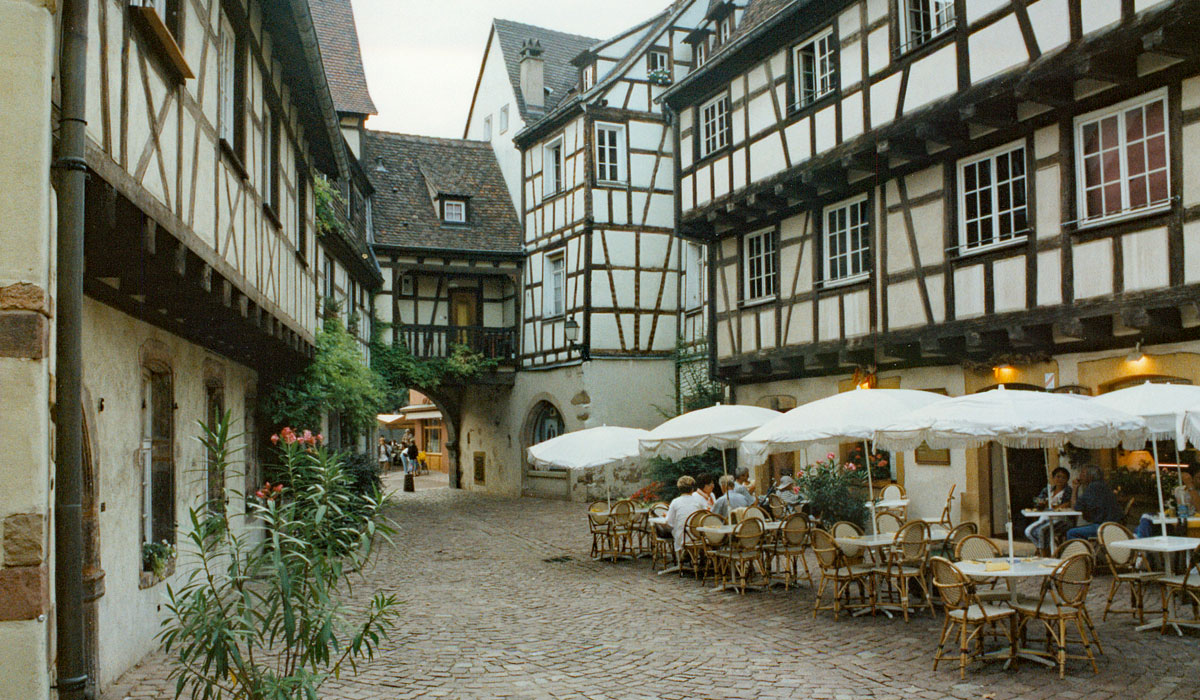
Typical half-timbered building facades in Colmar
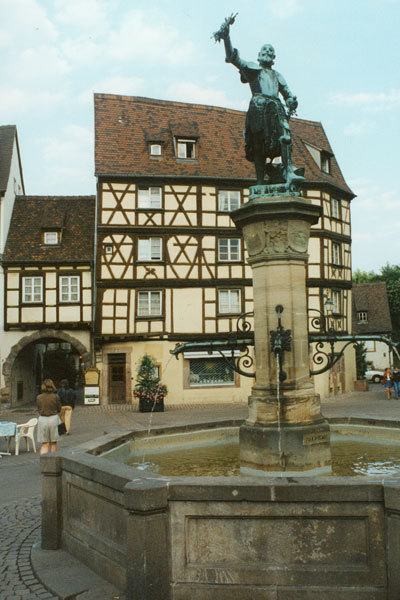
Fountain in Colmar
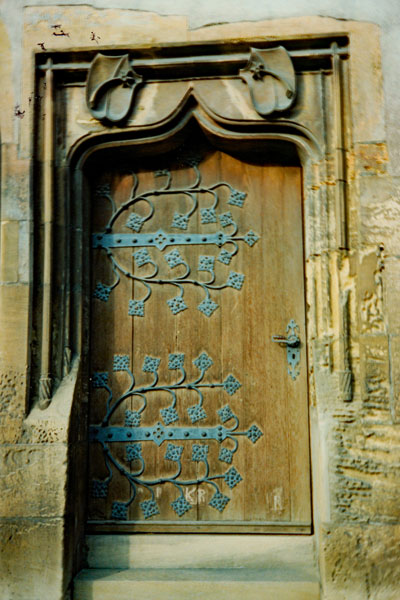
An ornate doorway
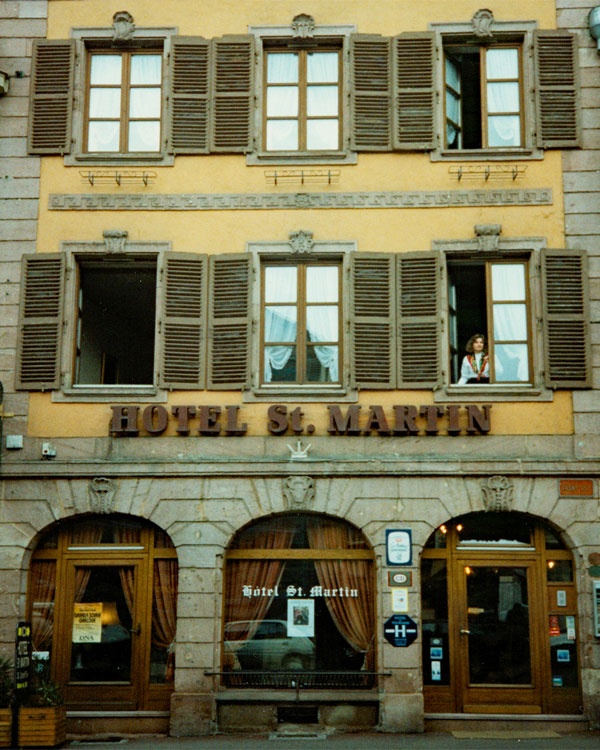
I am looking out the window of our hotel in Colmar
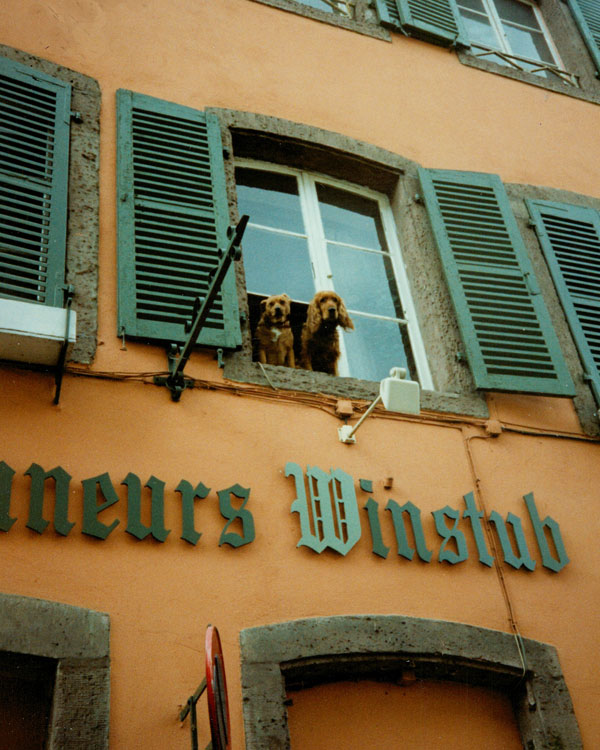
Dogs also enjoying the view out of their window in Colmar
Colmar is also the birthplace of the French sculptor Auguste Bartholdi who is best known for designing the Statue of Liberty. The Musee Bartholdi is located in the house where he was born and is dedicated to presenting his work along with family furniture, models, drawings, paintings, and photographs. There are also models of his various works, including his trial models for the Statue of Liberty which he envisioned as “Liberty Enlightening the World” (with other arm holding the torch). The city erected a 39 feet tall replica of the Statue of Liberty in 2004 to commemorate the 100th anniversary of his death.
1 / 5
Walking through Colmar along the canal
2 / 5
Typical timber-framed buildings in Colmar
3 / 5
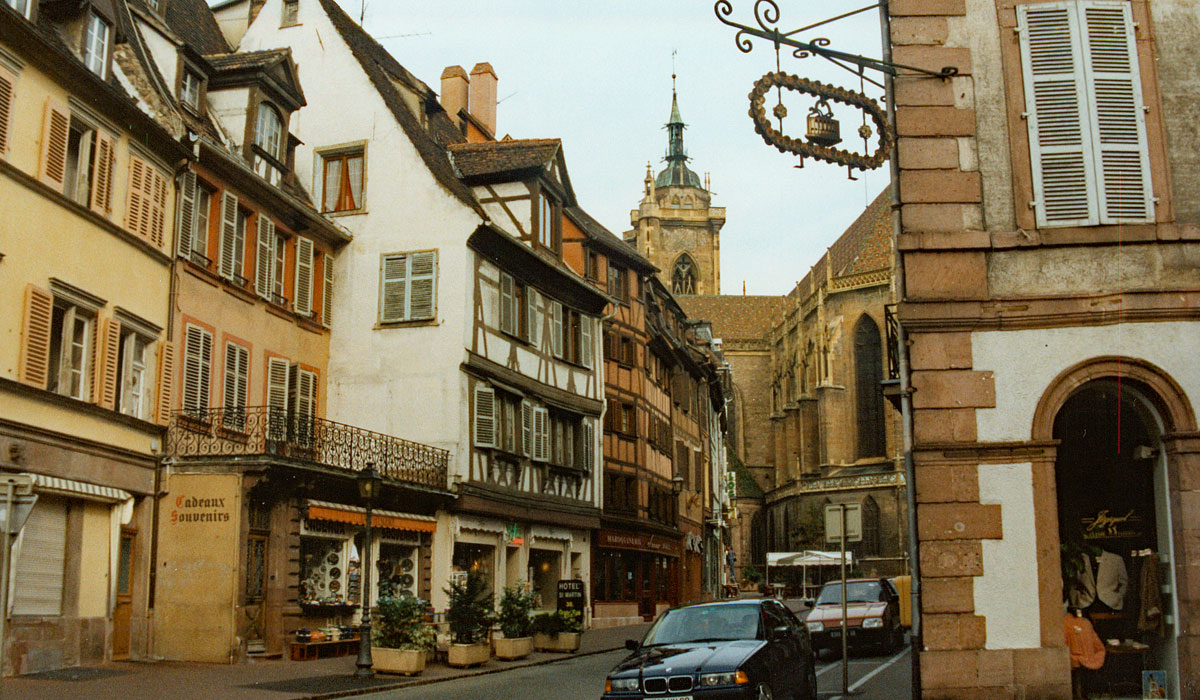
One of Colmar's side streets
4 / 5
Another view in Colmar
5 / 5
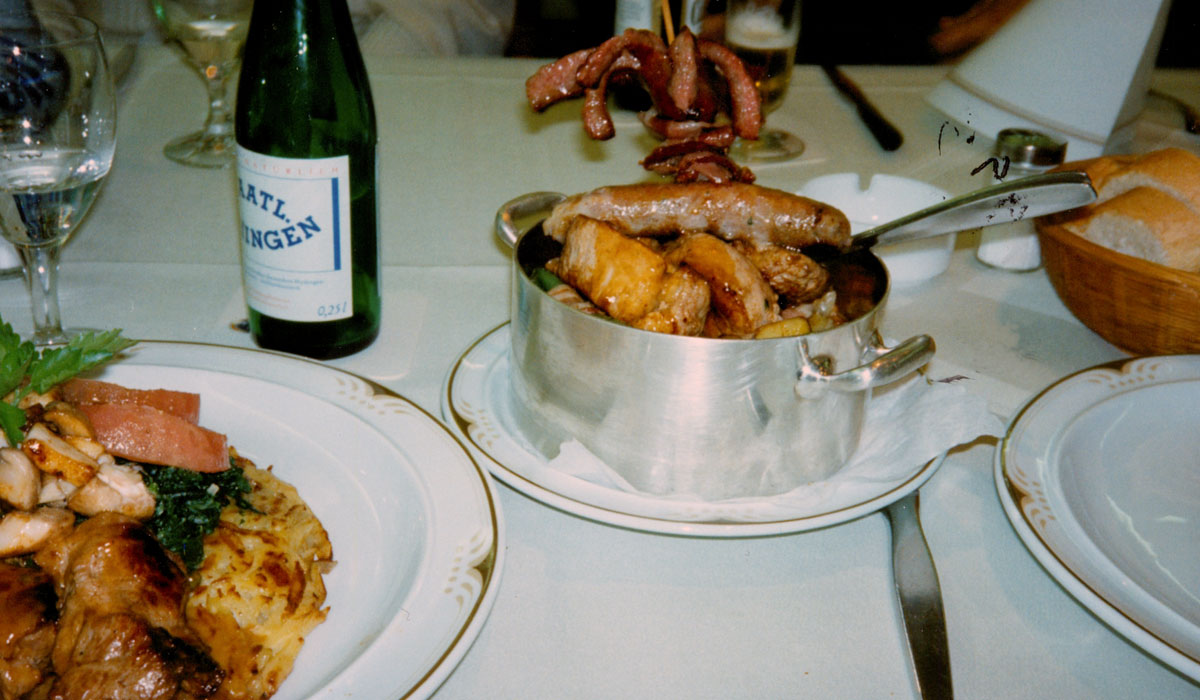
Choucroute Garnie is one of Alsace's regional specialties
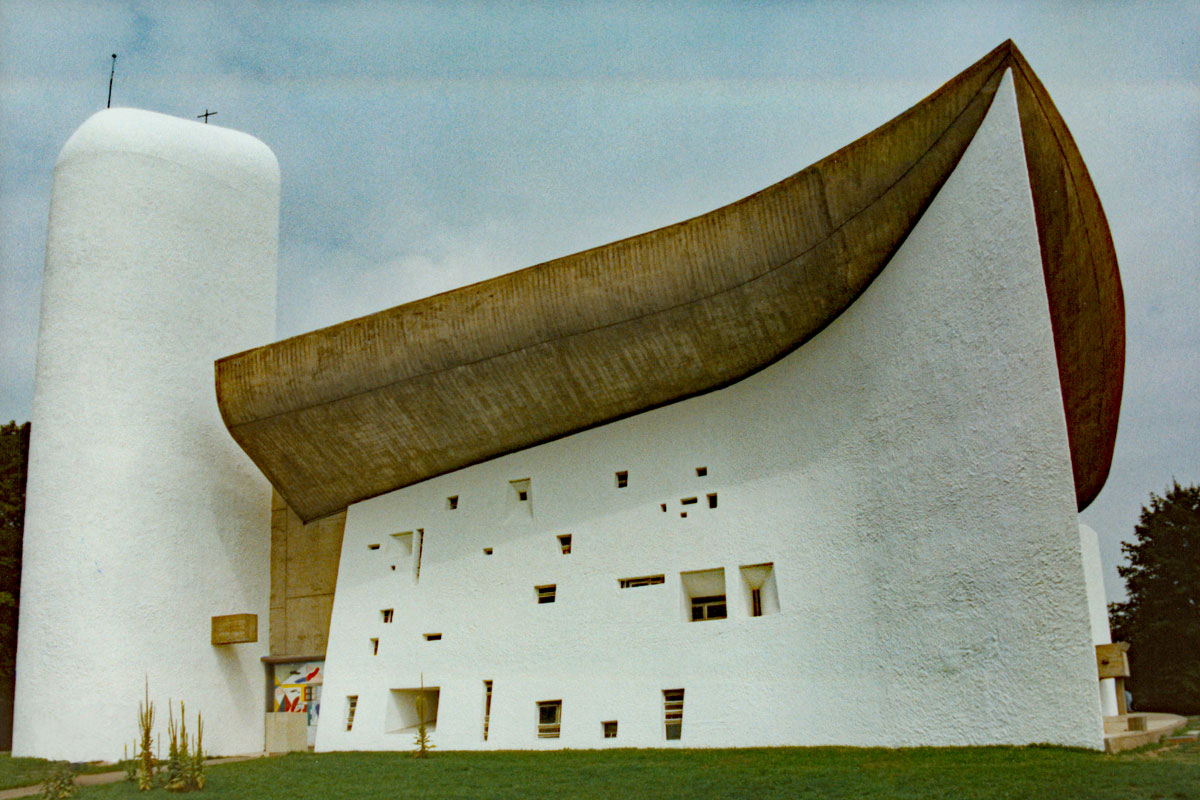
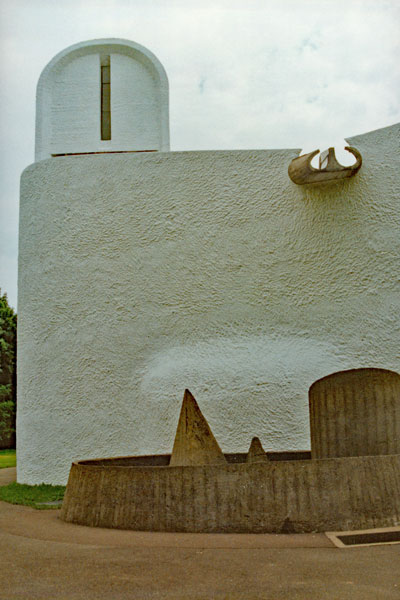
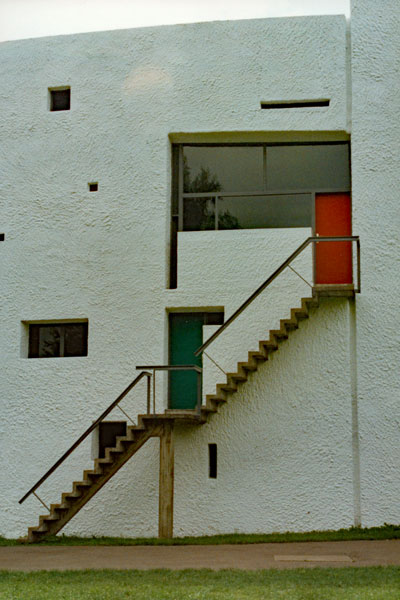
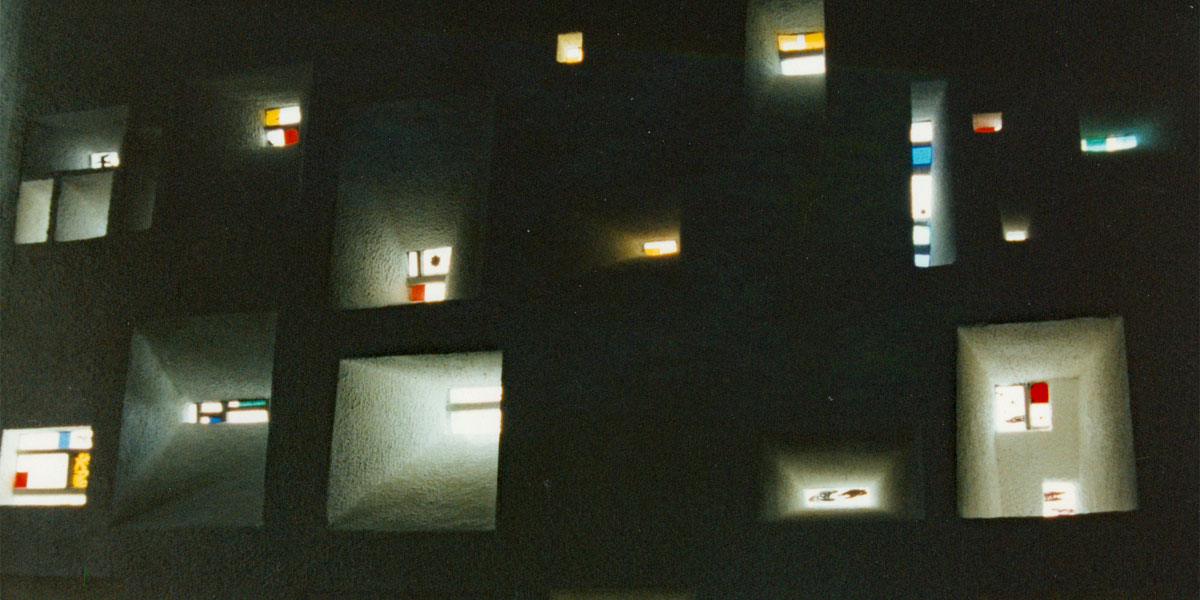
While we were in this region, I wanted to make a detour to visit Le Corbusier’s Chapel in Ronchamp, France. Also a UNESCO's World Heritage Site, the architect's Chapelle Notre Dame du Haut has become one of his most iconic designs and an important building of the 20th century. This small chapel represents a key shift away from the sparse, functionalist form of Modernism that Le Corbusier displayed in his earlier projects. Completed in 1954, the Ronchamp chapel was built for a Catholic church on a pre-existing pilgrimage site which had been largely destroyed during the second world war.
Corbusier's iconic Chapel in Ronchamp, France
Facade with the bell tower
Side view with stairway
The humble altar
Interior stained glass in Corbusier's Chapel in Ronchamp, France
National Automobile Museum Mulhouse
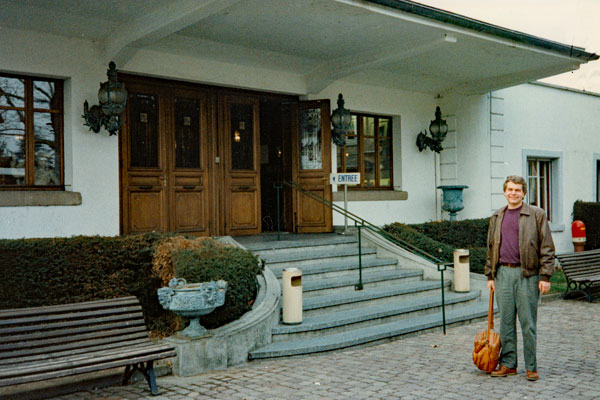
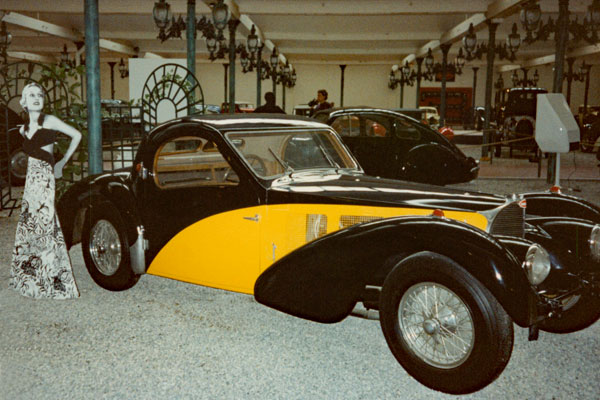
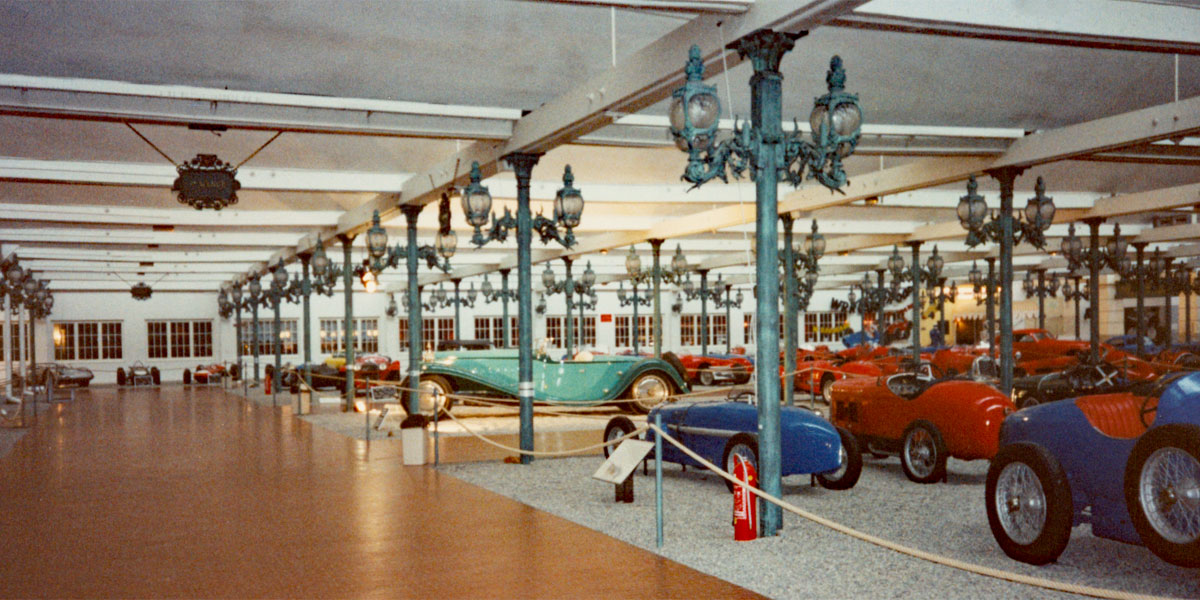
We first visited Mulhouse in 1993 and spent a day at the National Automobile Museum. This former wool mill was purchased by the Schlumph Brothers in 1957 to house their collection of automobiles — starting with Bugattis which were manufactured in Mulhouse. It became the National Automobile Museum in Mulhouse in 1982 and is now one of the most important collections of automobiles in the world with more than 500 exceptional vehicles.
Peter in front of the National Automobile Museum before its major expansion
One of the Bugattis on display
The teal Bugatti Royale in the middle is the biggest and one of only six in the world
Heading for Interlaken Via Bern
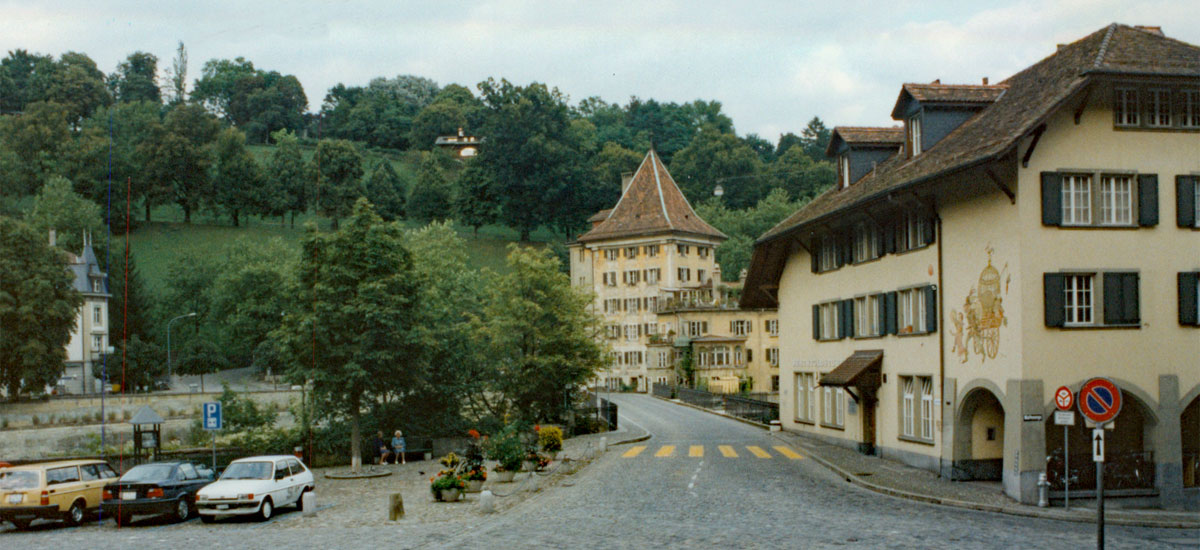
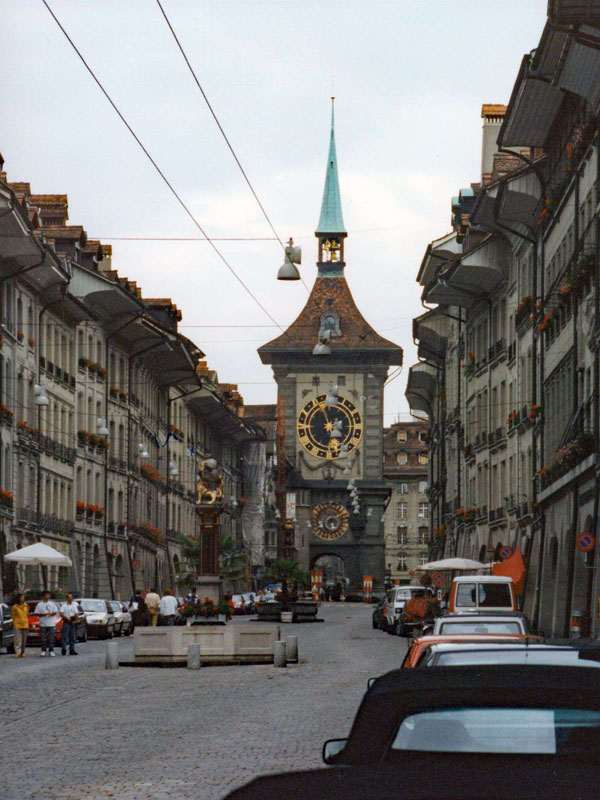
On our way south, we stopped in Bern — a 12th century medieval town built on the Aare River and the capital city of Switzerland. We stayed in the well-preserved Altstadt (Old Town) before continuing our journey to Interlaken where we had made a hotel reservation for a week.
Driving into Bern, Switzerland
View of the clock tower in Bern
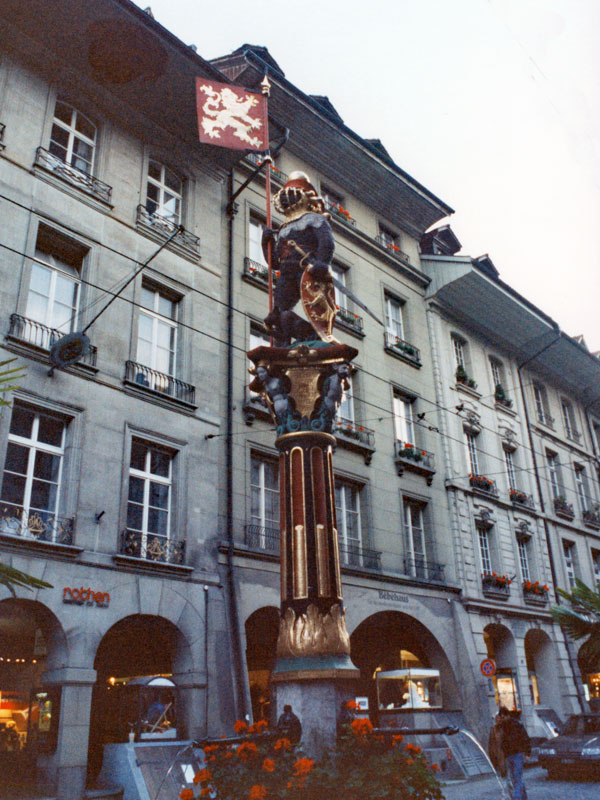
Fanciful sculpture in Bern
Arriving in Interlaken
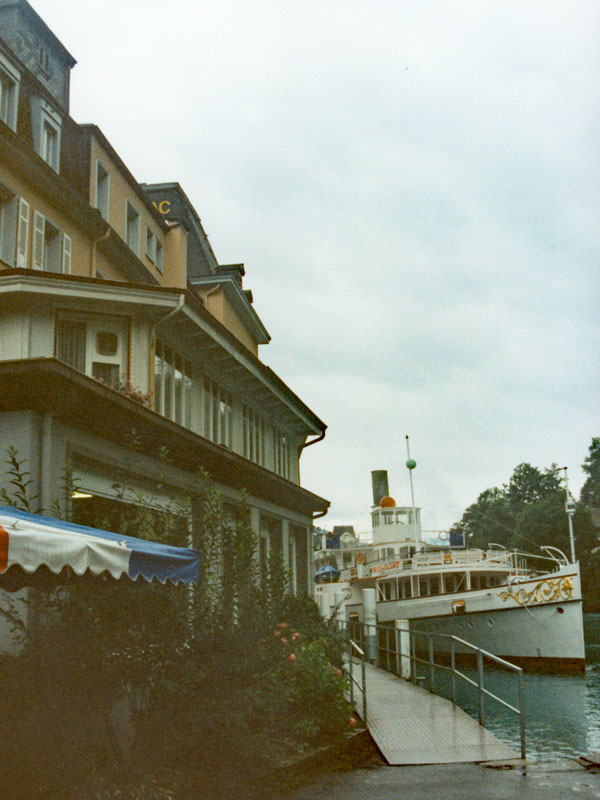
Interlaken is centrally located in Switzerland’s Bernese Oberland and lies on an alluvial plain between the crystal clear lakes of Thun and Brienz. It is located within three major mountains — the Eiger, Mönch and Jungfrau. We had expected to spend our time hiking with easy access to the various mountain railways, cable cars, and chair and ski lifts. However, it was raining when we arrived and the railway and cable car systems were closed due to the weather. And, the forecast indicated no improvement for the coming week.
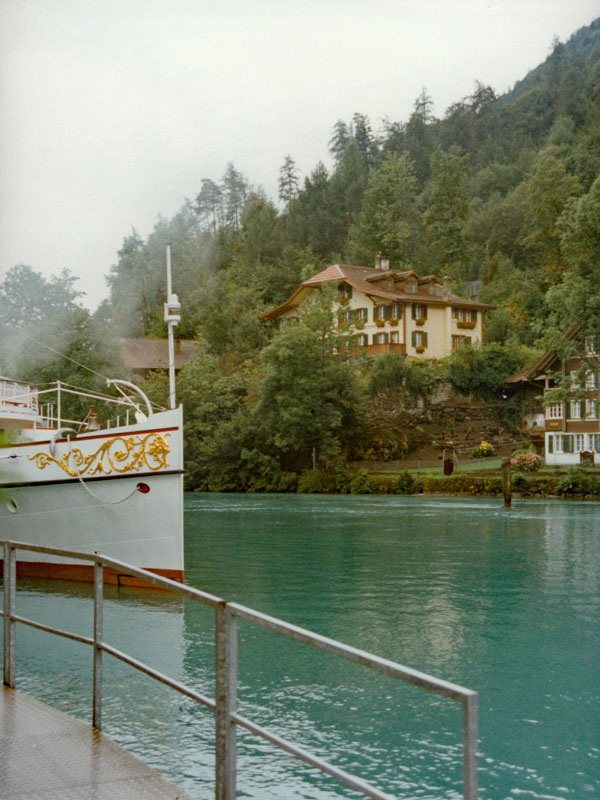
Our only photos from Interlaken in the rain
Foggy view across the canal
Change of Plans
Coincidentally, we noticed that the sunroof on our rented Mazda was leaking so Peter contacted Europcar who directed him to the local dealership in Interlaken. While waiting for the sunroof repair, Peter (a native German speaker) engaged in a conversation with the other customers and started complaining about the weather. The consensus of the locals was for us to leave Interlaken and head through the Gotthard Tunnel to Lugano where it is always sunny and warm. Peter returned with the sunroof fixed and we quickly checked out of our hotel and headed to the Italian speaking region of Switzerland.
Driving Through the Gotthard Tunnel
Peter and I always switched off driving and navigating every few hours and I was behind the wheel as we entered the Gotthard Tunnel. At time of construction, in 1980, the Gotthard Road Tunnel was the longest road tunnel in the world — a single bore tunnel with just one lane operating in each direction. It was quite a white-knuckle experience given that everything was dark except for the curb markers; not realizing that is was 11 miles long, we kept wondering when it would end.
Lugano
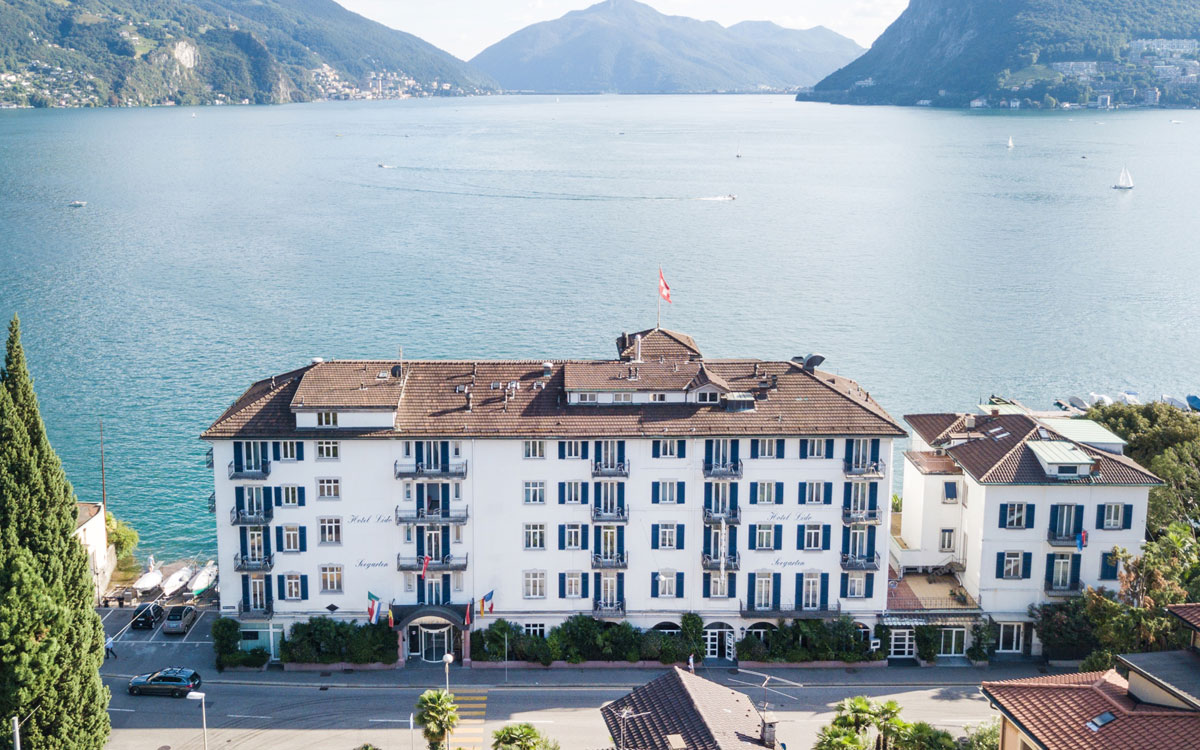
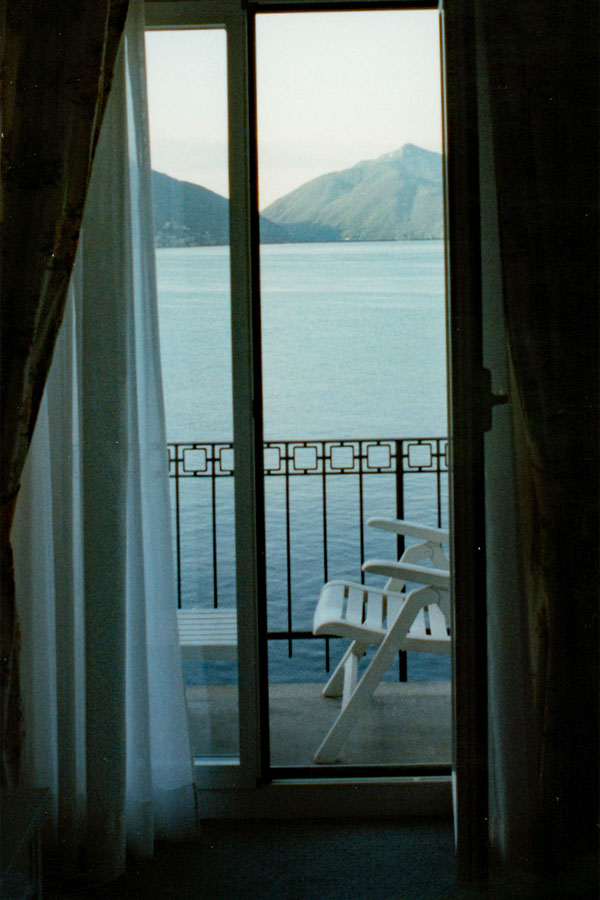
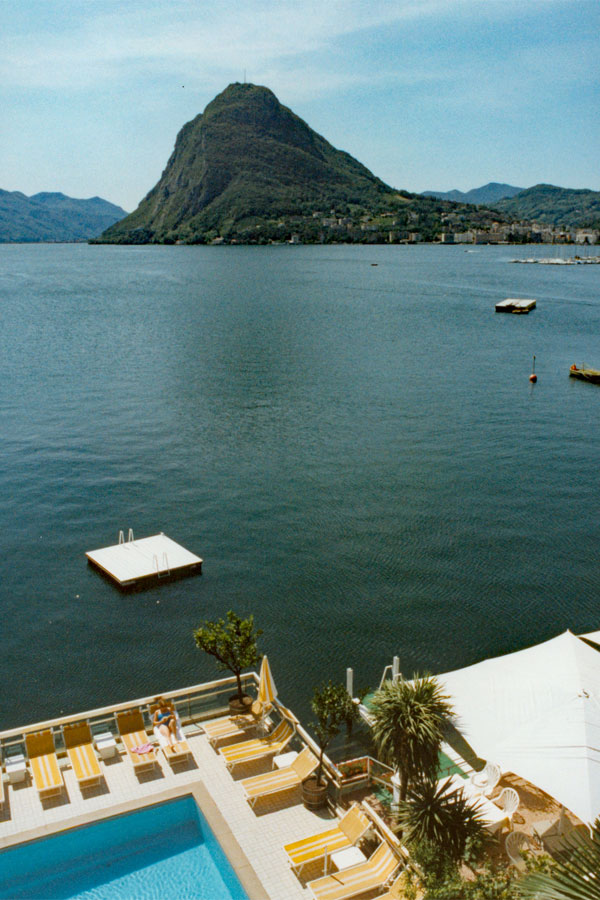
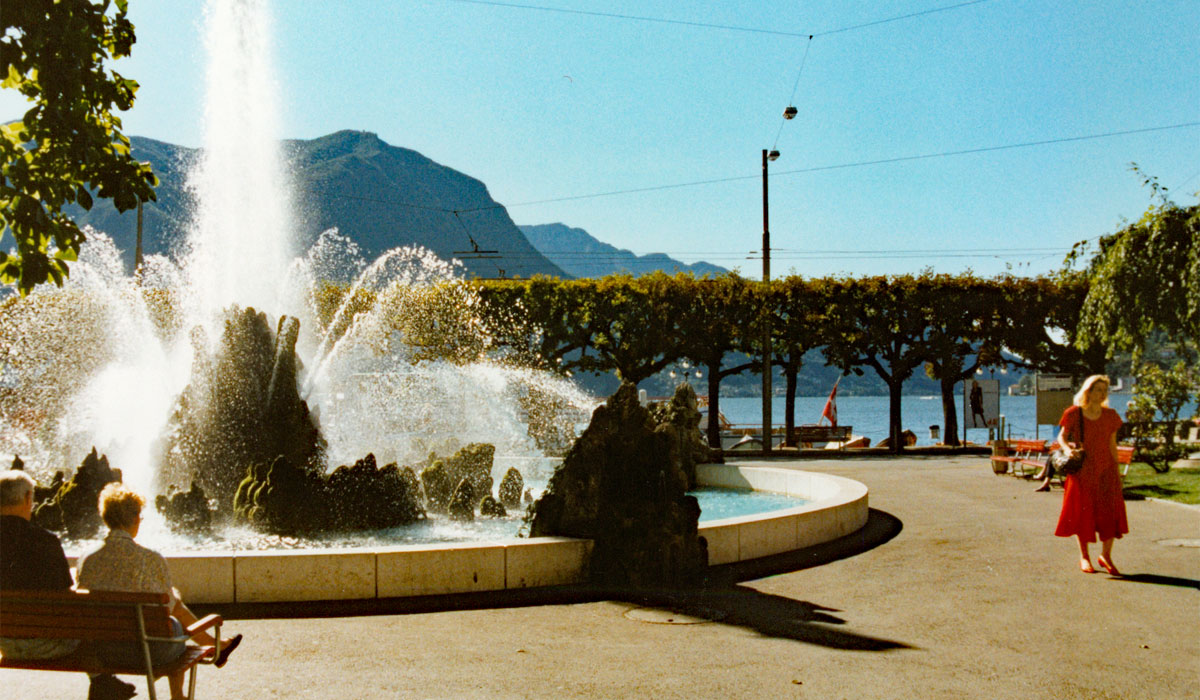
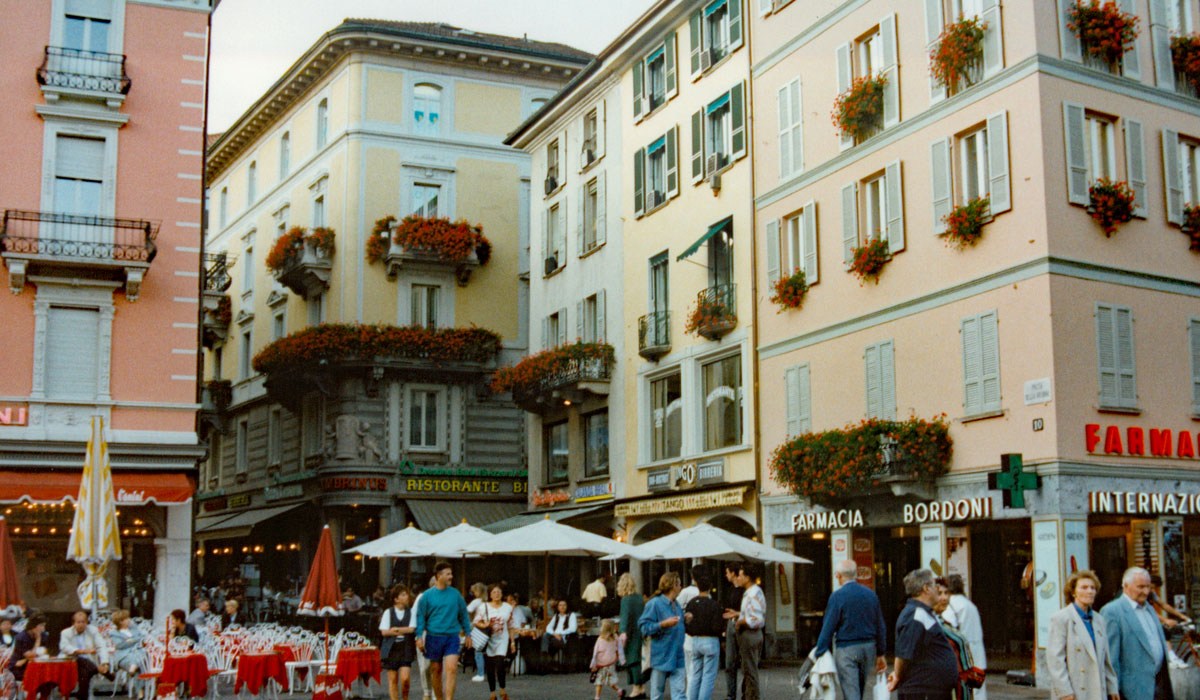
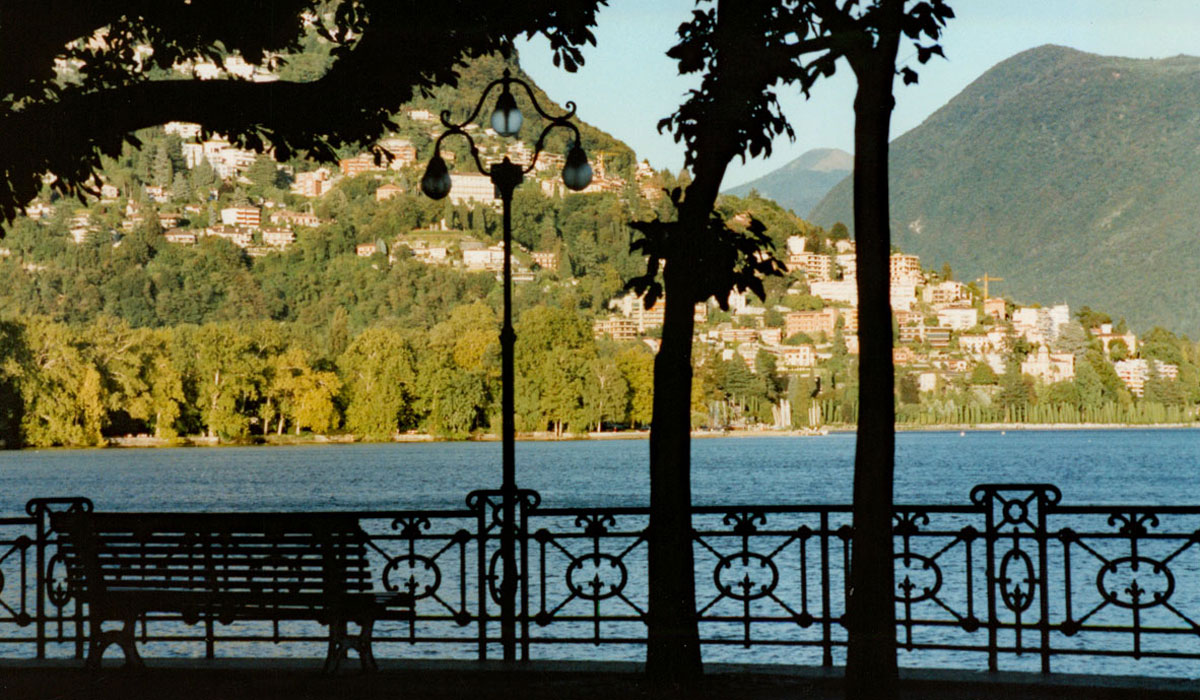
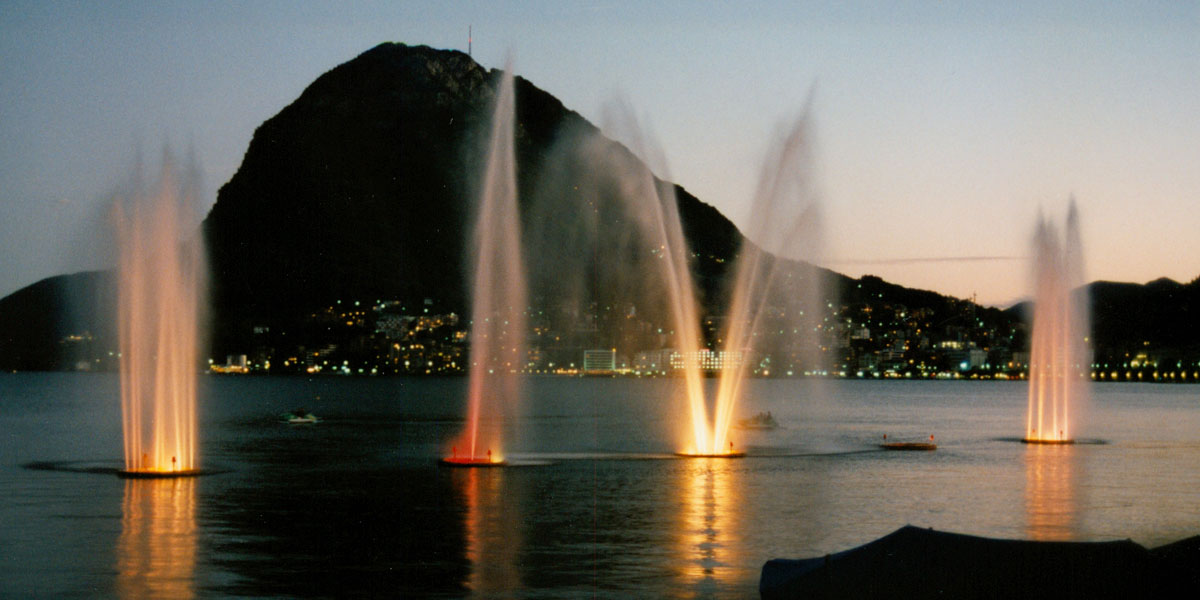
Lugano is located in the Italian-speaking region of southern Switzerland on the shore of Lake Lugano, surrounded by the Alps and palm trees. We found that it has a mild climate and a Mediterranean culture with a shot of la dolce vita in its cafe-rimmed piazzas and palm-fringed parks. Upon arriving in Lugano, we found the Lido Seegarten — a lovely hotel a short walk from the city center with a lovely pool and terraces right on the lake. Our room had a balcony with a magnificent view of the lake and the foothills of the Alps.
The hotel Lido Seegarten on Lake Lugano
Dramatic view from our room
Looking down at me at the pool
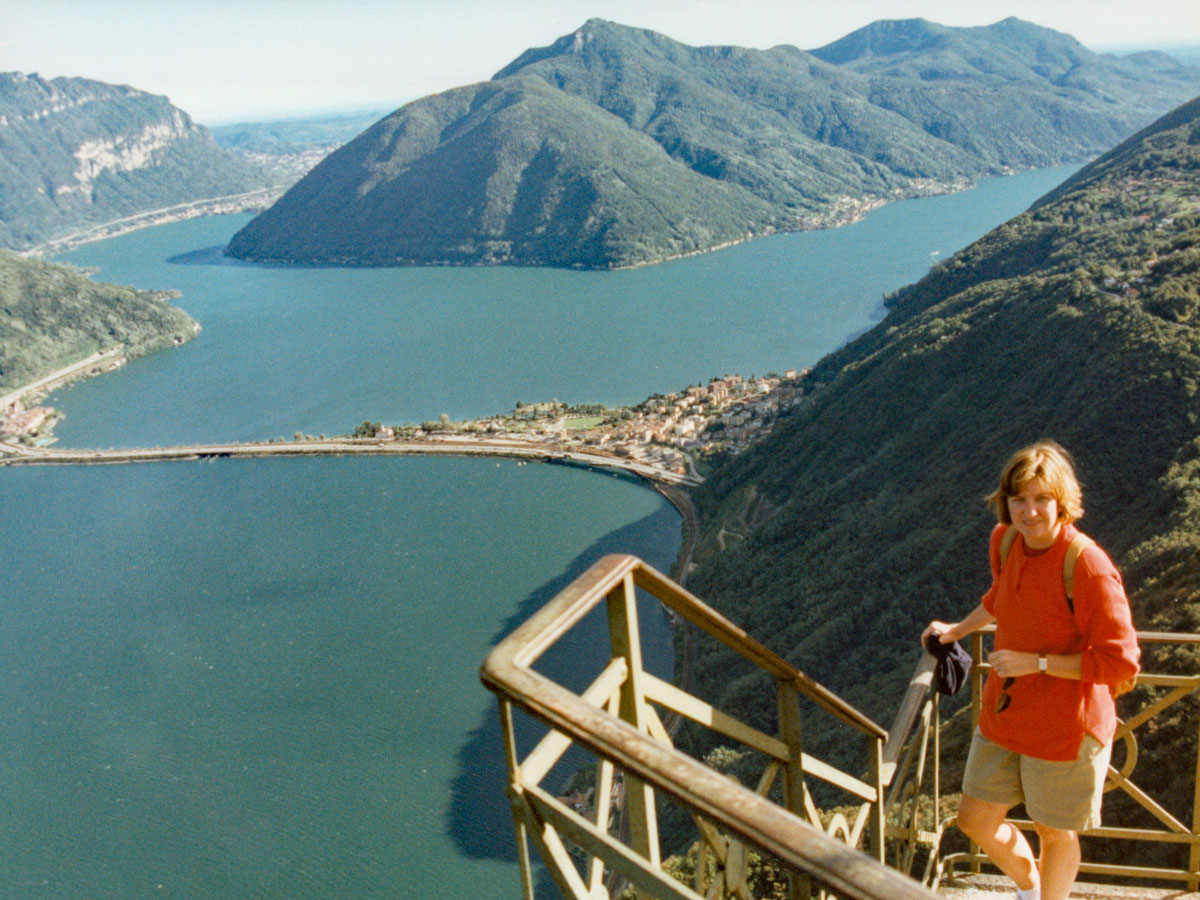
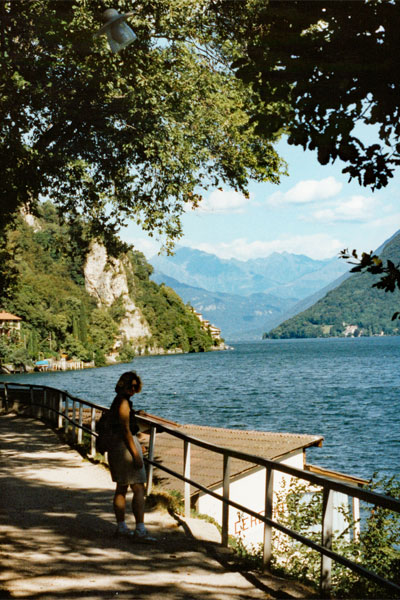
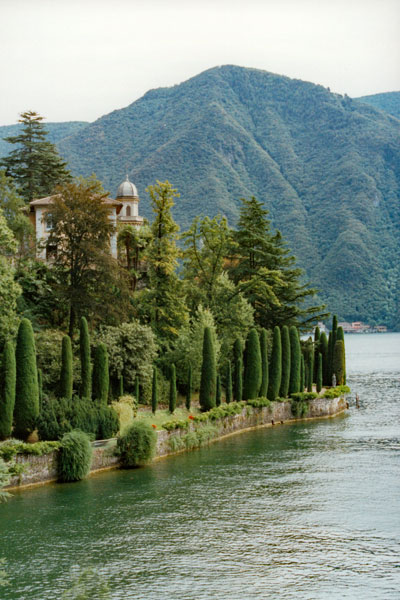
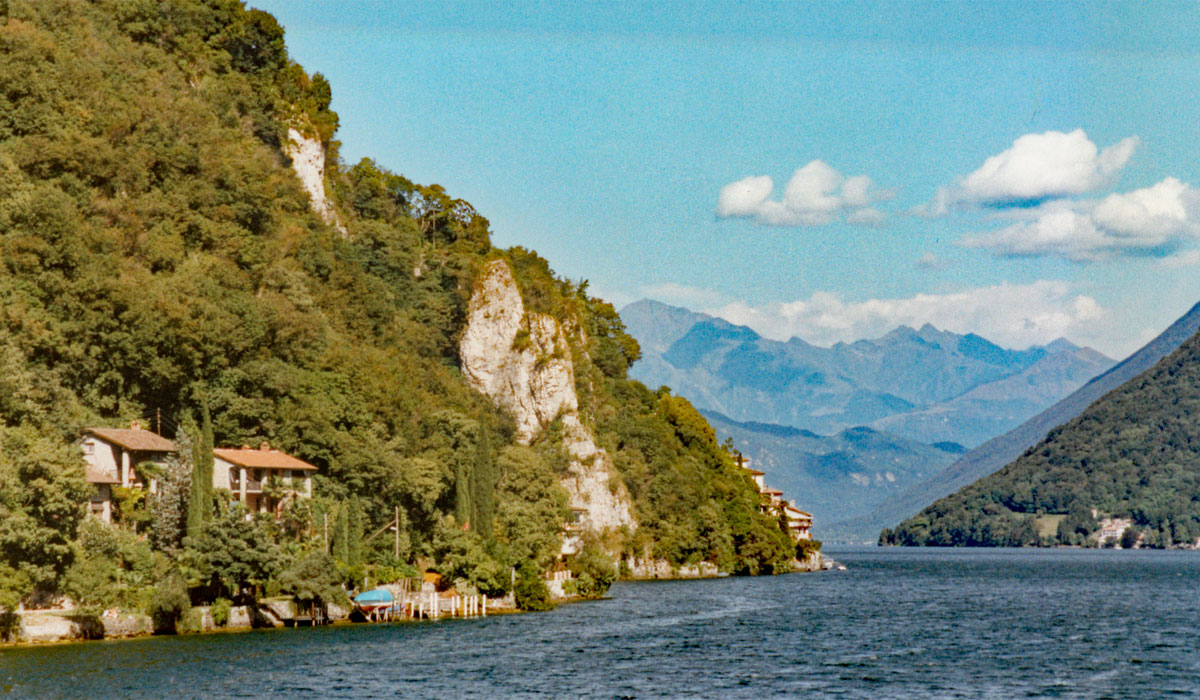
On one day, we took a funicular ride to the top of Monte San Salvatore for breathtaking panoramic views of the city, lake, and surrounding mountains. On another day, we took the walking trail (about eight miles) that goes from Lugano through Castagnola to Gandria along Lake Lugano. This trail provides striking views of the lake below. We then took the ferry back to Lugano after stopping for lunch.
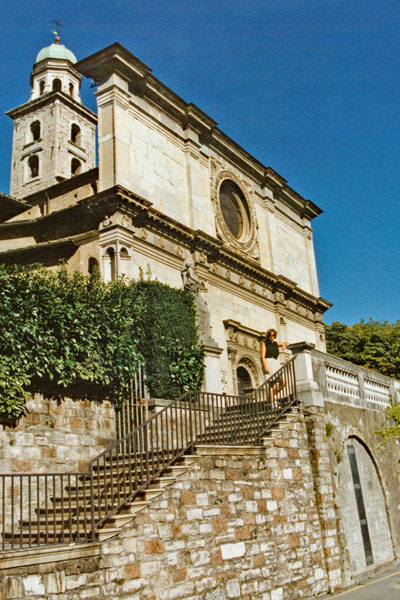
Lugano is very hilly
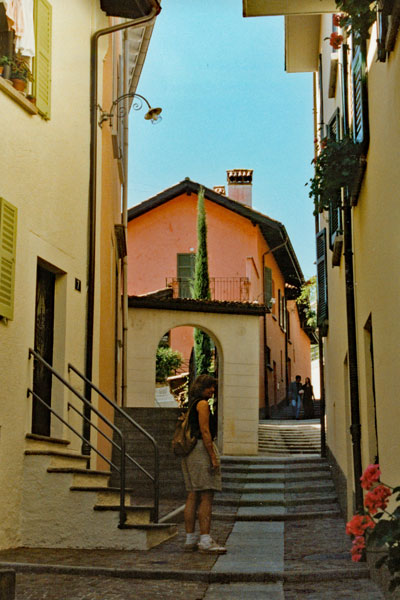
Picturesque walkways
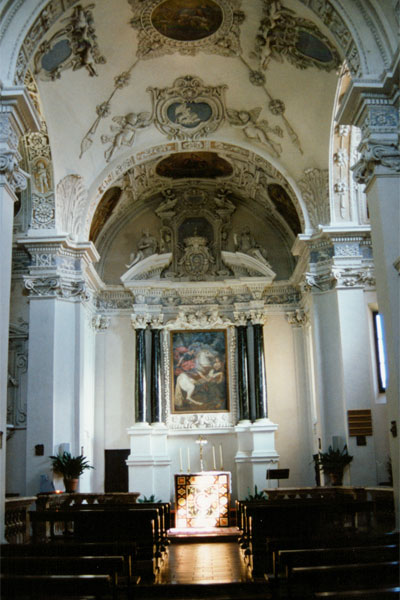
Interior of a quaint church
View of Lake Lugano from the top of Monte San Salvatore
Starting our walk to Gandria
Beautiful views along the lake
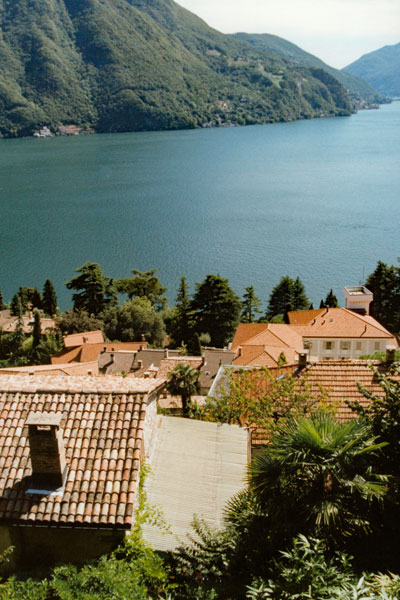
Looking down on tile roof tops
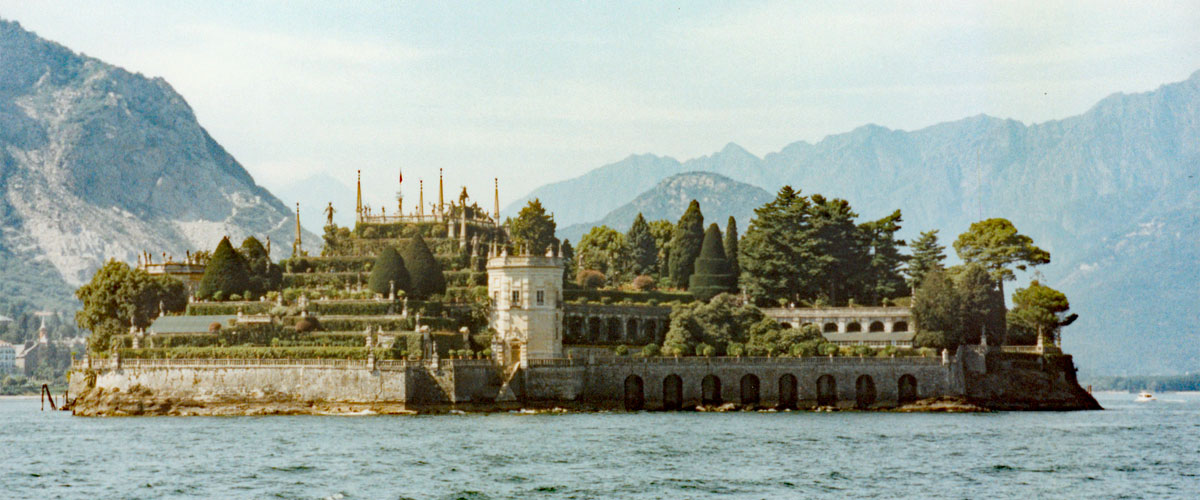
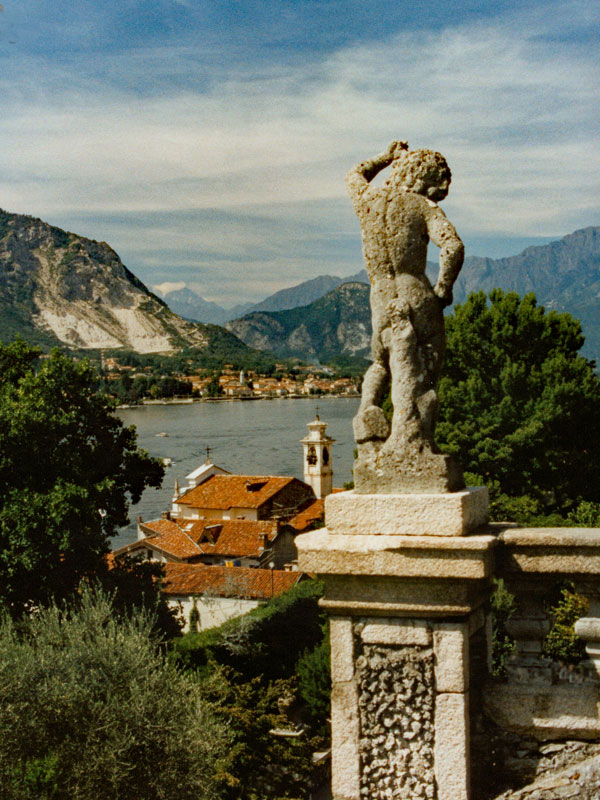
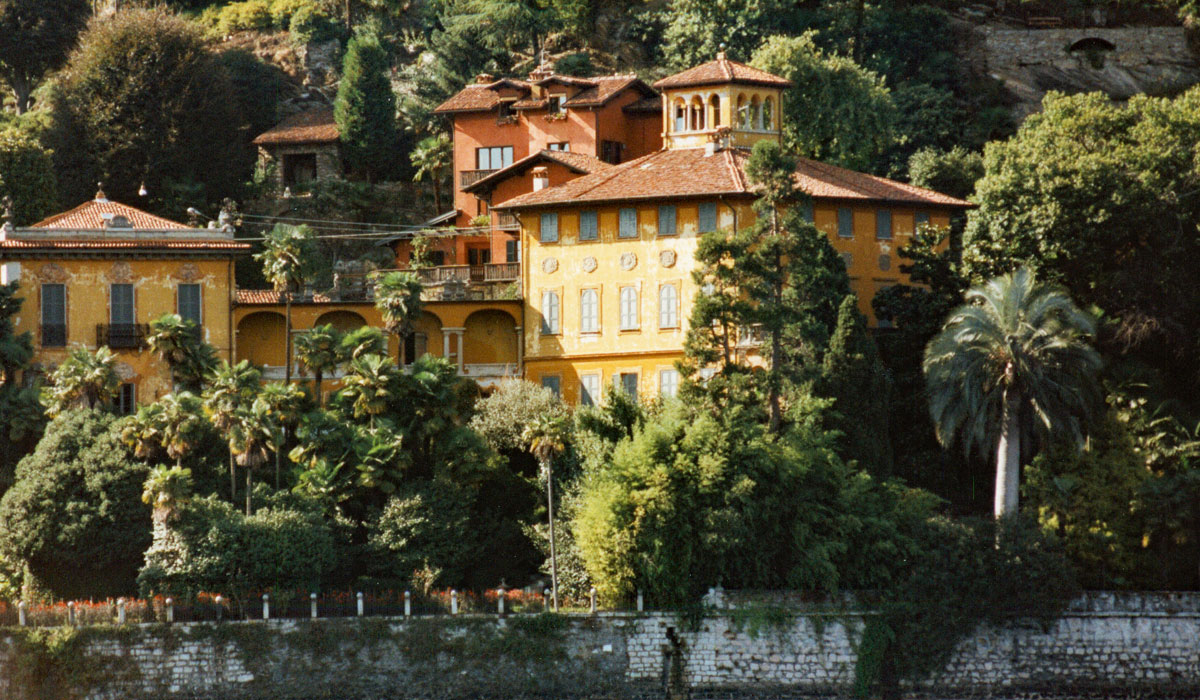
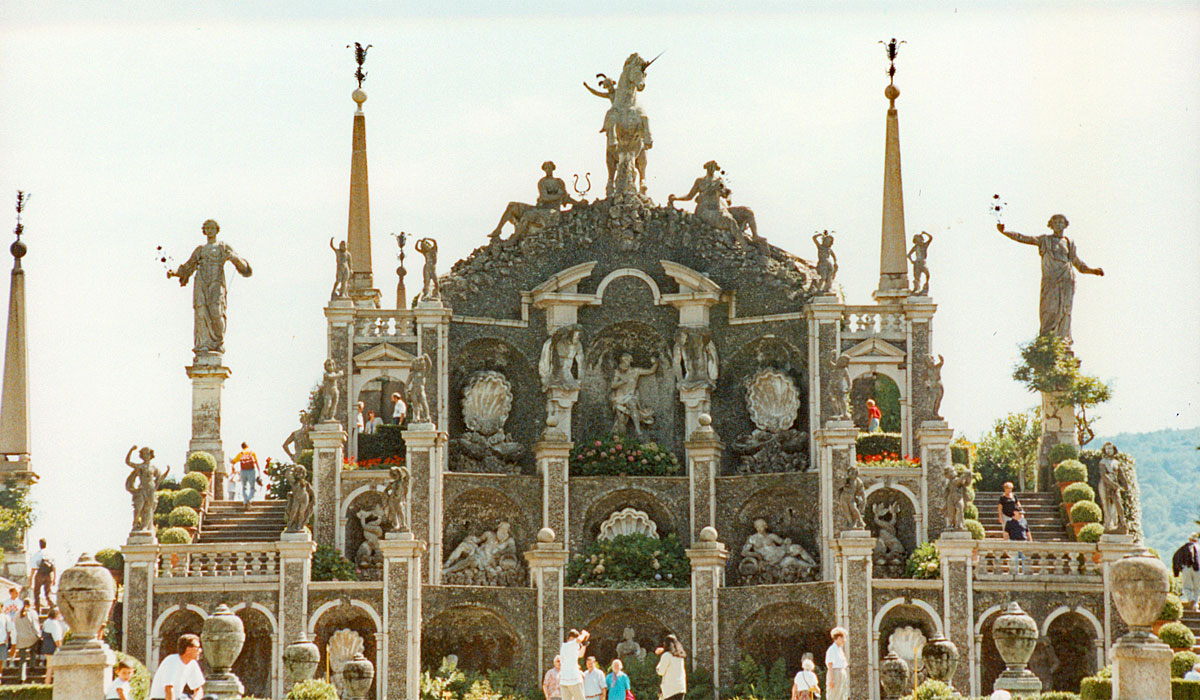
We also took a bus to where we boarded a boat which took us to Isola Bella on Lake Maggiore to explore the magnificent Borromeo Palace and its extensive gardens, renowned for their terraced design, statues, and fountains. Our boat ride also took us to see other nearby islands like Isola Madre and the charming towns along the shoreline like Stresa and Verbania.
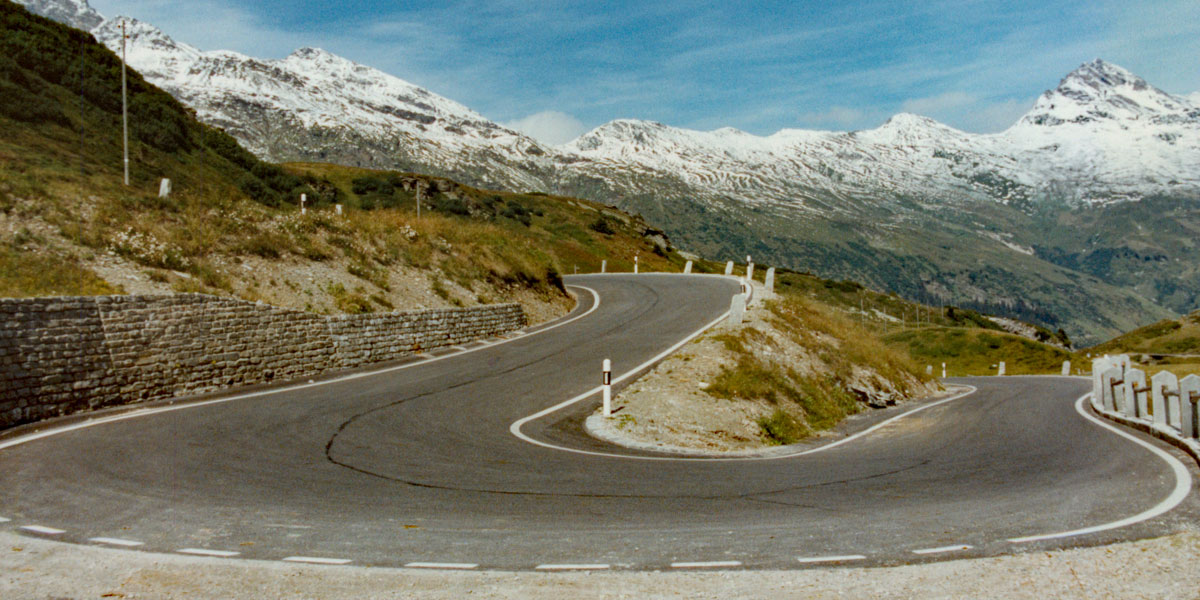
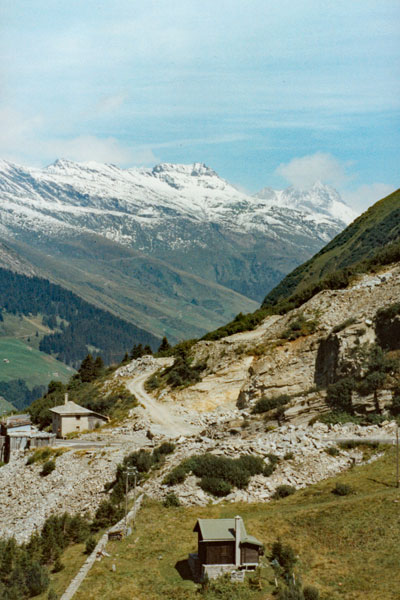
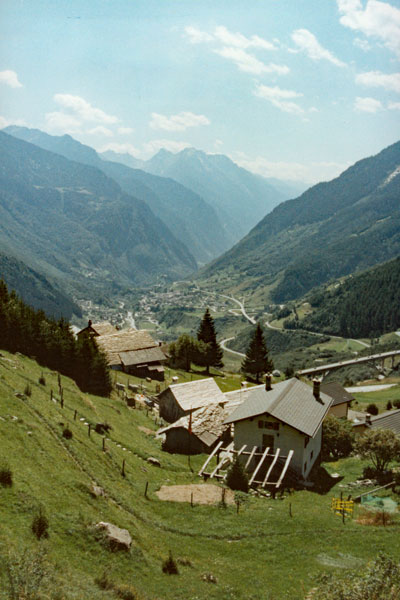
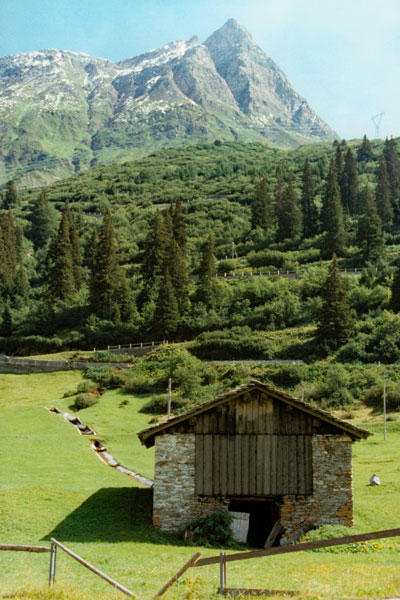
After a pleasant week, we left Lugano and drove the switchbacks up to the Gotthard Pass through the Swiss Alps to Chur and then on to Lake Constance. We saw what we missed going through the long dark tunnel. The major part of the Lake Constance shoreline is in Germany, but there are sections of the lake in Austria and Switzerland. The lake is around 40 miles long and 8 miles wide and divided into two sections. The lake occupies an old glacier basin and has spectacular Alpine scenery.
An iconic view of the Swiss Alps
We drove this winding road on our way out of Lugano — this time overland through the Swiss Alps
Driving over the Gotthard Pass
Idyllic Swiss villages
More beautiful scenery
Arriving at Lake Constance
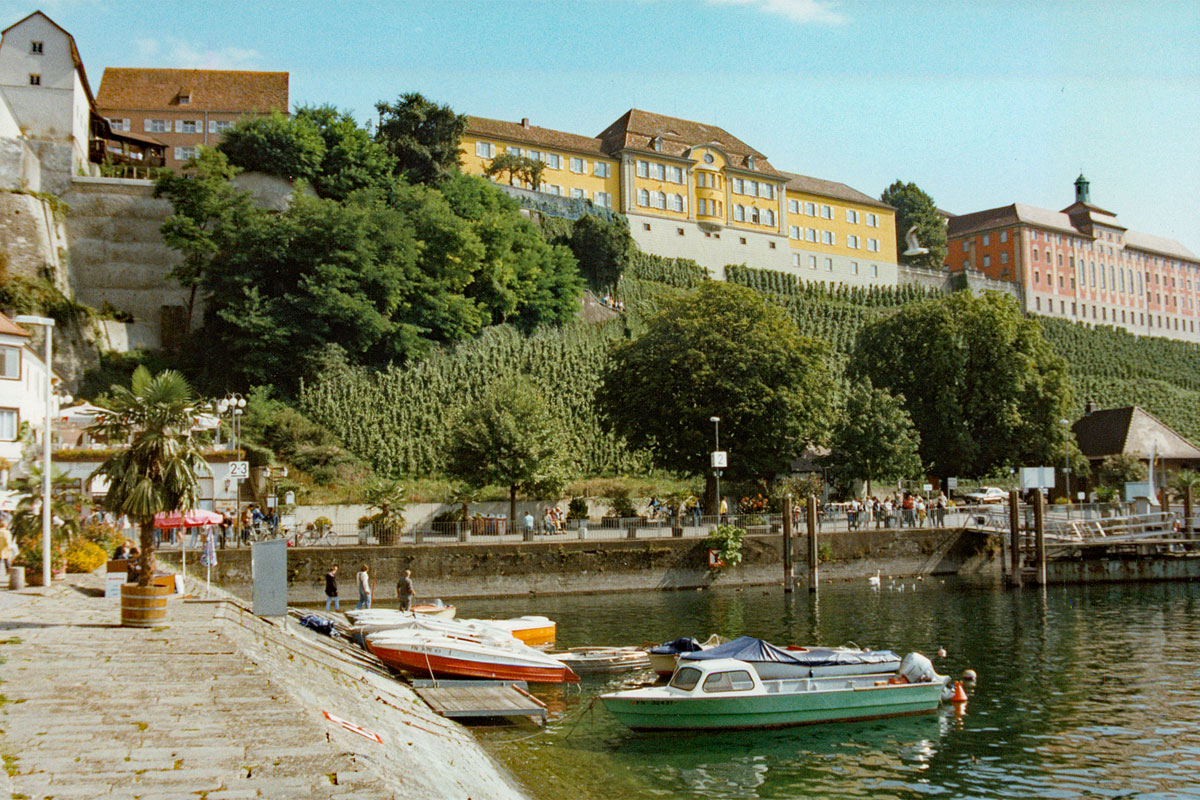
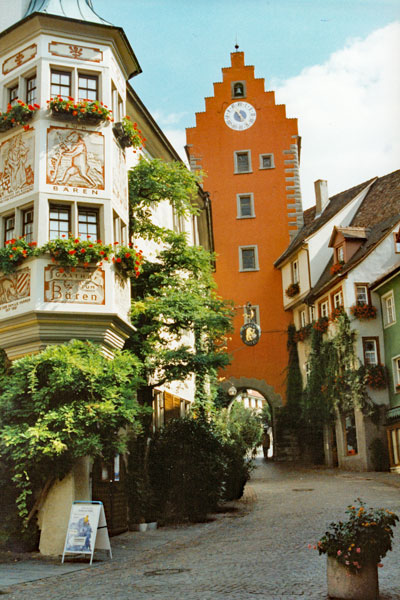
We stopped in the German town of Meersburg on the eastern shore of Lake Constance (Bodensee). A major attraction is the Medieval Meersburg Castle which houses the Fortress Museum; the town is also surrounded by vineyards.
Lakeside in Meersburg
Heading North Through Germany
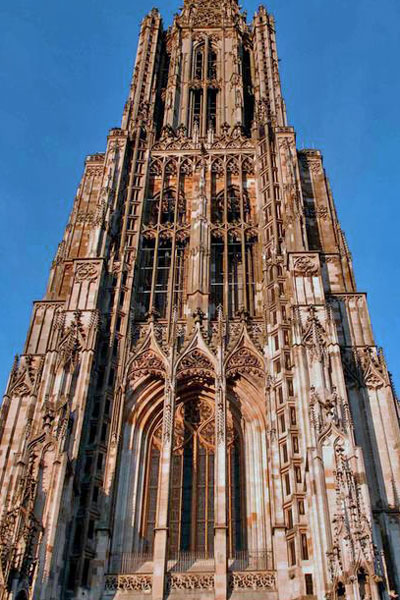
As we headed north into Germany's Bavaria region, we stopped in Ulm — a city in the south German state of Baden-Württemberg, founded in medieval times. In the center of town is the huge Gothic Ulm Minster, a centuries-old church. Its steeple has views of the city and, in clear weather, the Alps. The Town Hall has an early-Renaissance facade, murals and a 16th-century astronomical clock. Half-timbered houses line the narrow alleys of the Fischerviertel, an area close to the River Danube.
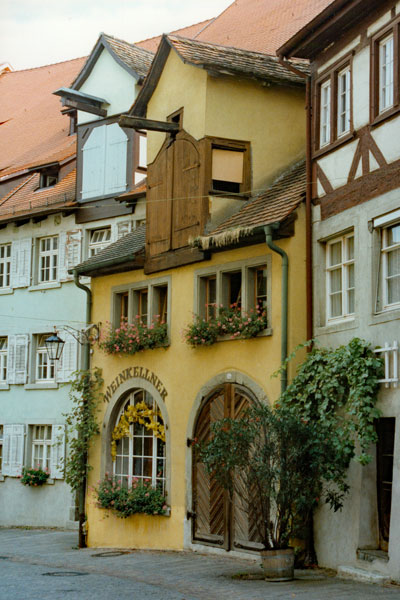
Fanciful building facades
The famous Gothic Ulm Minster Church
Some charming houses
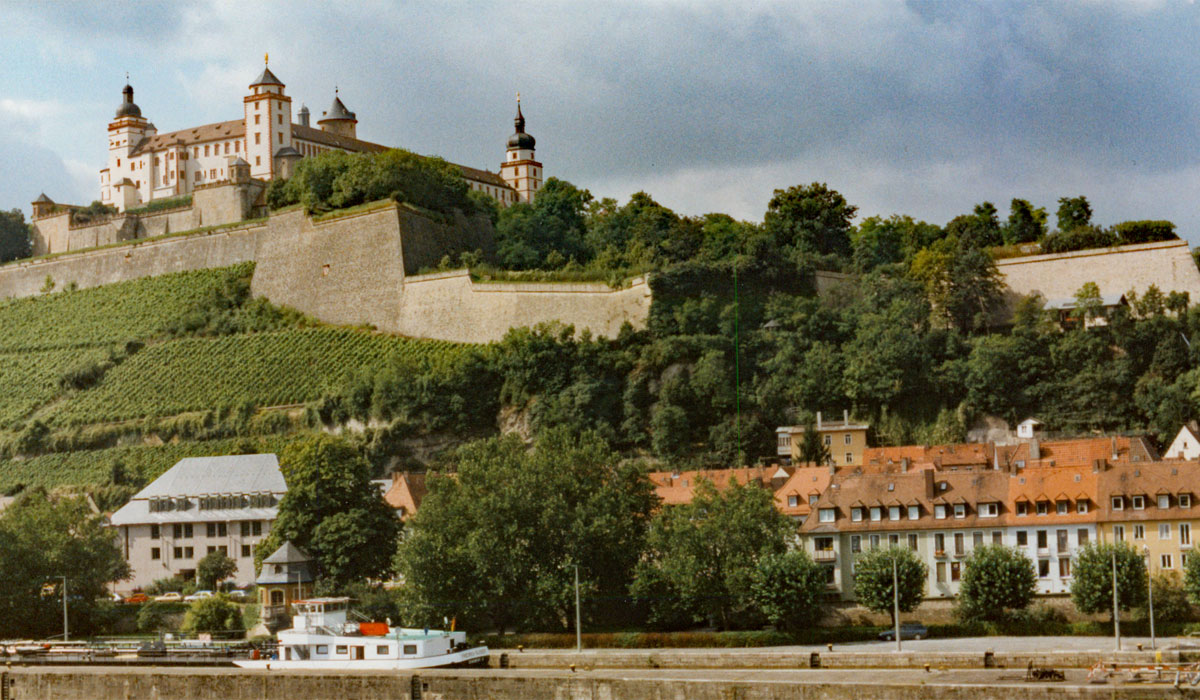
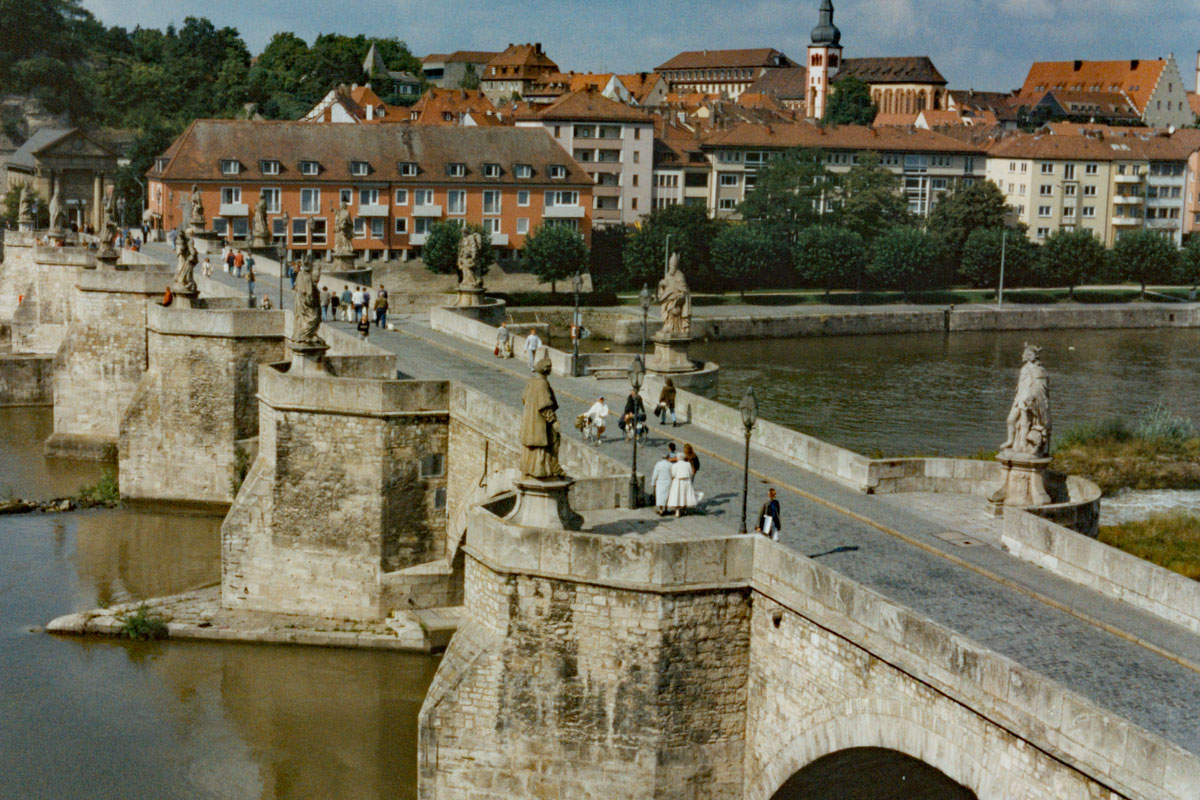
From Ulm we headed to Würzburg which is known for lavish baroque and rococo architecture, particularly the 18th-century Residenz. The Marienberg Fortress is a prominent landmark on the left bank of the Main River. Another iconic landmark is the Alte Mainbrücke —a historic bridge that was built in the 16th century and spans the Main River. Würzburg is the center of the Franconian wine country, with its distinctive bocksbeutel (bottles with flattened round shapes).
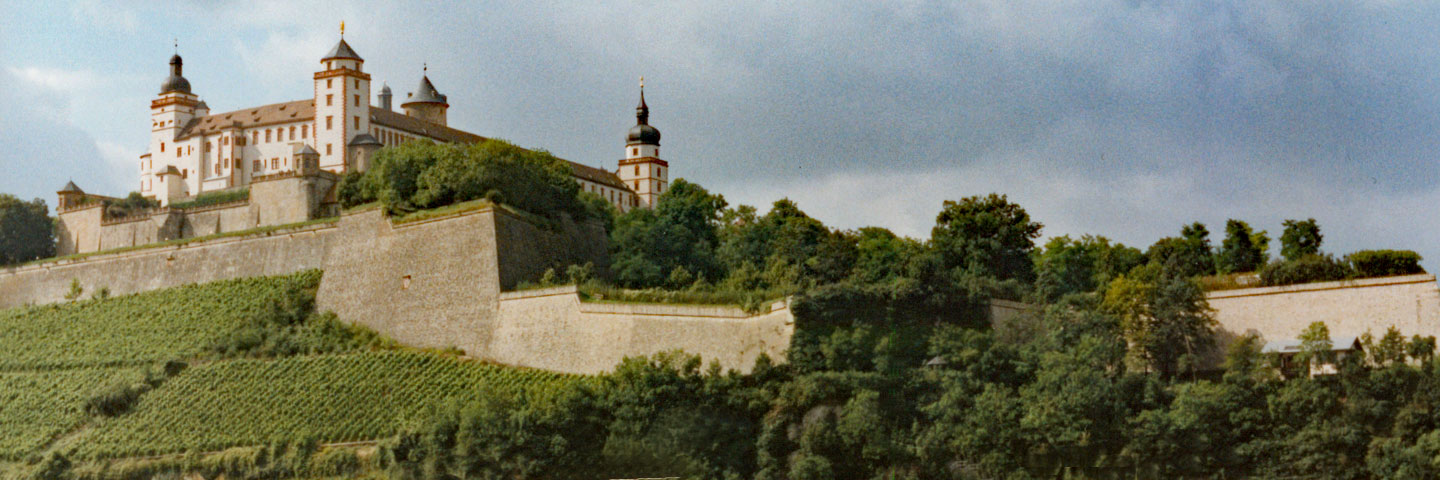
Looking up at the Marienberg Fortress in Würzburg
The Alte Mainbrucke spanning the Main River in Würzburg
Visiting Relatives in the Bergisches Land
We ended our road trip with a visit to Peter’s family in the Bergisches Land. This part of Germany is east of Cologne and located in a low mountain range in the state of North Rhine-Westphalia, Germany, east of the Rhine and south of the Ruhr. At the end of our visit, we flew home out of Dusseldorf.
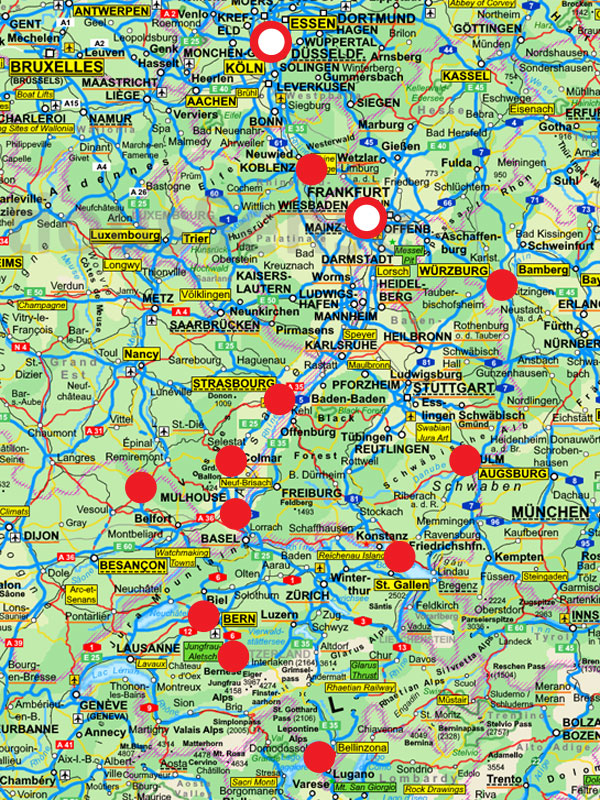 In September of 1995 we planned a road trip through eastern France to the Swiss Alps and then back up to Germany to visit Peter’s family. We wanted to visit the Alsace region of France while heading south to Interlaken to spend some time hiking in the Swiss Alps. We flew to Frankfurt and rented a car. After a stop to see the German town of Koblenz, we began our journey south into France via Strasbourg and Colmar . While in France, we made a detour to visit Le Corbusier’s Chapel in Ronchamp before heading to Bern, Switzerland and on to the town of Interlaken in the Swiss Alps. From Interlaken, we drove to Lugano in the Italian speaking part of Switzerland, and then back into Germany via Chur to Lake Constance. From there we headed north through Ulm and Wurzburg to the Bergisches Land part of Germany where Peter’s family lives.